
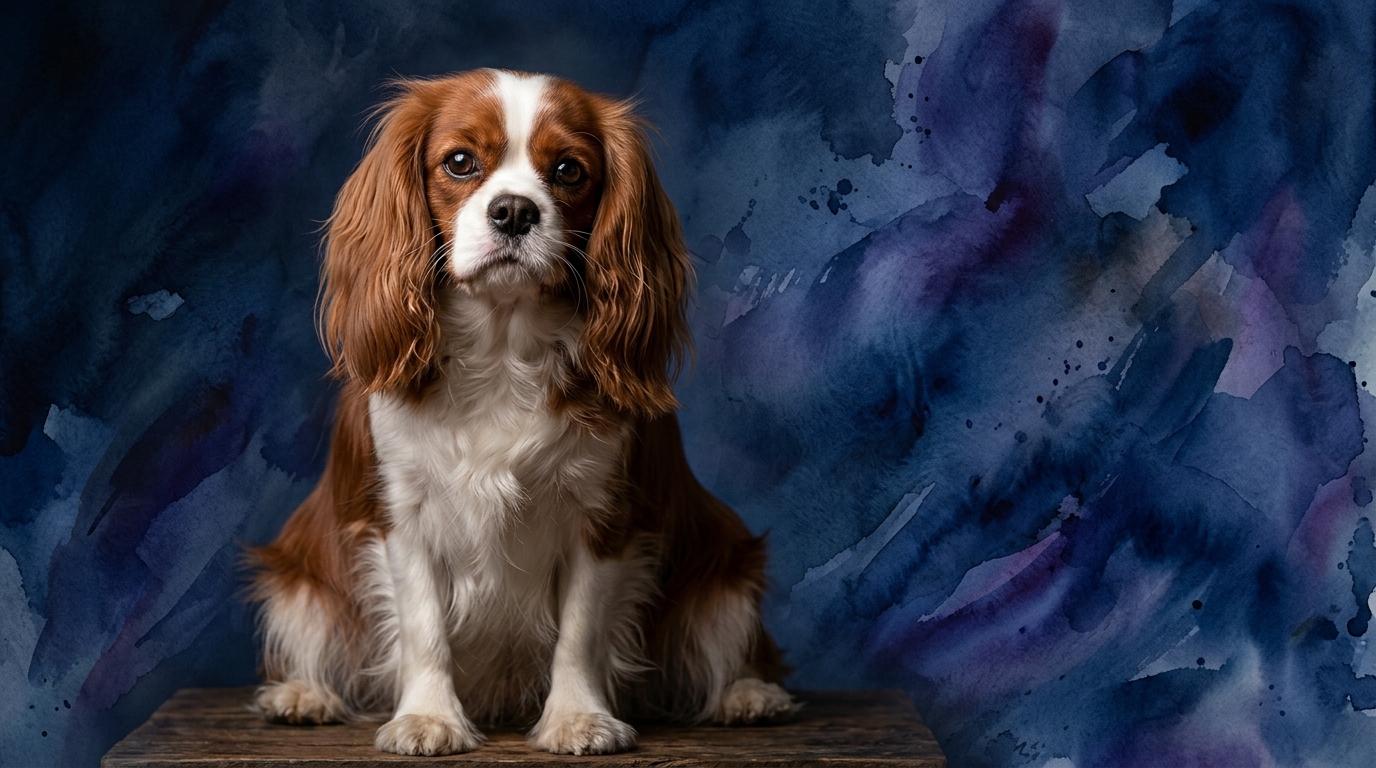
Side-by-Side IQ Profile: JRT vs. CKCS
The Cosmic Pet Pet IQ Lab provides a nuanced look at canine cognition, evaluating breeds across five crucial dimensions. For the Jack Russell Terrier, we see a profile dominated by robust independent thought: Problem Solving 5/5, Training Speed 3/5, Social Intelligence 3/5, Instinctive Drive 5/5, and Memory 4/5. This breed is not traditionally Coren-ranked, often due to their specialized working drives not aligning with standard obedience metrics.
In contrast, the Cavalier King Charles Spaniel presents a profile centered on relational abilities: Problem Solving 3/5, Training Speed 3/5, Social Intelligence 5/5, Instinctive Drive 3/5, and Memory 3/5. The Cavalier holds a Coren rank of #44, placing them as an average working and obedience dog, reflecting their willingness to please within a structured setting. These distinct scores paint a clear picture of their differing innate cognitive priorities and strengths.
Where the Jack Russell Terrier Wins Cognitively
The Jack Russell Terrier's cognitive prowess is most evident in its exceptional Problem Solving ability, rated a perfect 5/5. This means they are master strategists when faced with obstacles, whether it's figuring out how to open a child-proof gate or navigating a complex scent trail to locate a hidden object. Their 5/5 Instinctive Drive provides the relentless motivation for these pursuits, channeling an innate desire to hunt and explore into focused, tenacious effort. Complementing this is their 4/5 Memory, which allows them to effectively store and recall successful problem-solving strategies, making them highly adaptable in new situations. This combination equips them to independently assess their environment, devise innovative solutions, and persist until their objective is met, often demonstrating remarkable resourcefulness that can surprise even experienced owners.
Where the Cavalier King Charles Spaniel Wins Cognitively
In the realm of social cognition, the Cavalier King Charles Spaniel truly excels, boasting a remarkable 5/5 Social Intelligence score. This signifies an unparalleled capacity to attune themselves to human emotions and social cues, often anticipating their owner’s needs or mood with subtle observations. They demonstrate a profound desire for connection, making them exceptionally responsive to human interaction and seeking to integrate seamlessly into family dynamics. Unlike breeds driven by independent tasks, the Cavalier’s cognitive strengths are centered around fostering harmonious relationships, offering comfort, and adapting their behavior to maintain social equilibrium within the household. Their gentler 3/5 Instinctive Drive further supports this, ensuring their focus remains primarily on companionship rather than independent, task-oriented pursuits.
Training Aptitude: JRT vs. CKCS
While both breeds share a 3/5 Training Speed, the practical experience of training each can differ significantly due to their other cognitive traits. The Jack Russell Terrier's high Problem Solving and Instinctive Drive mean they possess a strong independent will and a natural inclination to follow their nose or pursue perceived 'prey' rather than always heeding a command. Training a JRT requires consistent, engaging methods that channel their tenacity and mental agility, often turning lessons into stimulating games to maintain their focus and prevent boredom-induced mischief. They are capable of learning complex sequences due to their memory, but their motivation must often stem from the challenge itself or a highly valued reward, rather than an inherent desire to please.
Conversely, the Cavalier King Charles Spaniel's exceptional Social Intelligence makes them inherently eager to cooperate and please their human companions. Their training motivation often comes from the positive reinforcement of connection and praise, as they thrive on being an integral part of their family. While their 3/5 Problem Solving and Memory scores suggest they might require more repetition for complex commands compared to a JRT, their willingness to engage and gentle nature makes them generally more pliable and responsive to positive, patient training approaches. They are less likely to challenge authority or become distracted by external stimuli in the same driven way a JRT might, making them a generally more straightforward training prospect for basic obedience and house manners, provided the trainer understands their sensitive, companionship-driven nature.
Matching Breeds to Lifestyles: Active vs. Relaxed Owners
The Jack Russell Terrier, with its perfect 5/5 Problem Solving and Instinctive Drive, is ideally suited for active owners who relish engaging in structured activities and mental challenges. Their boundless energy and sharp intellect demand consistent outlets, making them excellent partners for dog sports like agility, earthdog trials, or advanced obedience. Owners who enjoy long hikes, puzzle toys, and extensive training sessions will find a JRT to be an enthusiastic and capable companion, thriving in environments where their cognitive and physical needs are regularly met. They require an owner who can consistently provide leadership and channel their independent spirit into productive pursuits, preventing boredom-driven behaviors.
In stark contrast, the Cavalier King Charles Spaniel, with its 5/5 Social Intelligence and gentler 3/5 Instinctive Drive, is the quintessential companion for relaxed owners who prioritize affection and a calm household presence. They thrive on close human interaction, preferring to spend their days near their family, whether it's lounging on the couch or enjoying leisurely strolls. Owners seeking a devoted, empathetic friend who is content with moderate exercise and ample cuddle time will find the Cavalier an ideal match. Their cognitive strengths lie in their ability to integrate seamlessly into family life, offering emotional support and a gentle, adaptable nature rather than demanding constant, high-intensity mental or physical engagement.
The Verdict
Choose a Jack Russell Terrier if you are an active, experienced owner ready to channel a tenacious, problem-solving mind with consistent training and stimulating activities. They thrive on challenge and independent thought, making them rewarding partners for those who enjoy a dog with strong drive and cognitive depth.
Opt for a Cavalier King Charles Spaniel if you seek a gentle, emotionally attuned companion who prioritizes social connection and a calm, affectionate presence. They are perfect for owners desiring an empathetic friend who thrives on companionship and moderate activity, offering profound social intelligence and unwavering devotion.
🧠 Find Your Pet's IQ Score
Our Pet IQ Lab assessment covers 25+ tests across 5 cognitive dimensions — personalized to your breed.
Take the Full IQ Test →Frequently Asked Questions
Are Jack Russell Terriers good at learning tricks?
Yes, Jack Russell Terriers are quite capable of learning tricks due to their high problem-solving ability and good memory. Their independent nature means they respond best to engaging training methods that make learning a game, often excelling in complex sequences if properly motivated.
Do Cavalier King Charles Spaniels get along well with children?
Cavalier King Charles Spaniels generally get along very well with children thanks to their exceptional social intelligence and gentle disposition. They are naturally empathetic and seek harmonious interactions, making them patient and loving family members, though supervision is always recommended with any pet and child.
Which breed needs more exercise, a JRT or a CKCS?
A Jack Russell Terrier typically requires significantly more exercise and mental stimulation than a Cavalier King Charles Spaniel. Their high instinctive drive and problem-solving nature demand vigorous physical activity and engaging mental tasks daily to prevent boredom and destructive behaviors, whereas a Cavalier is content with moderate walks and ample indoor companionship.