
Side-by-Side Cognitive Profile
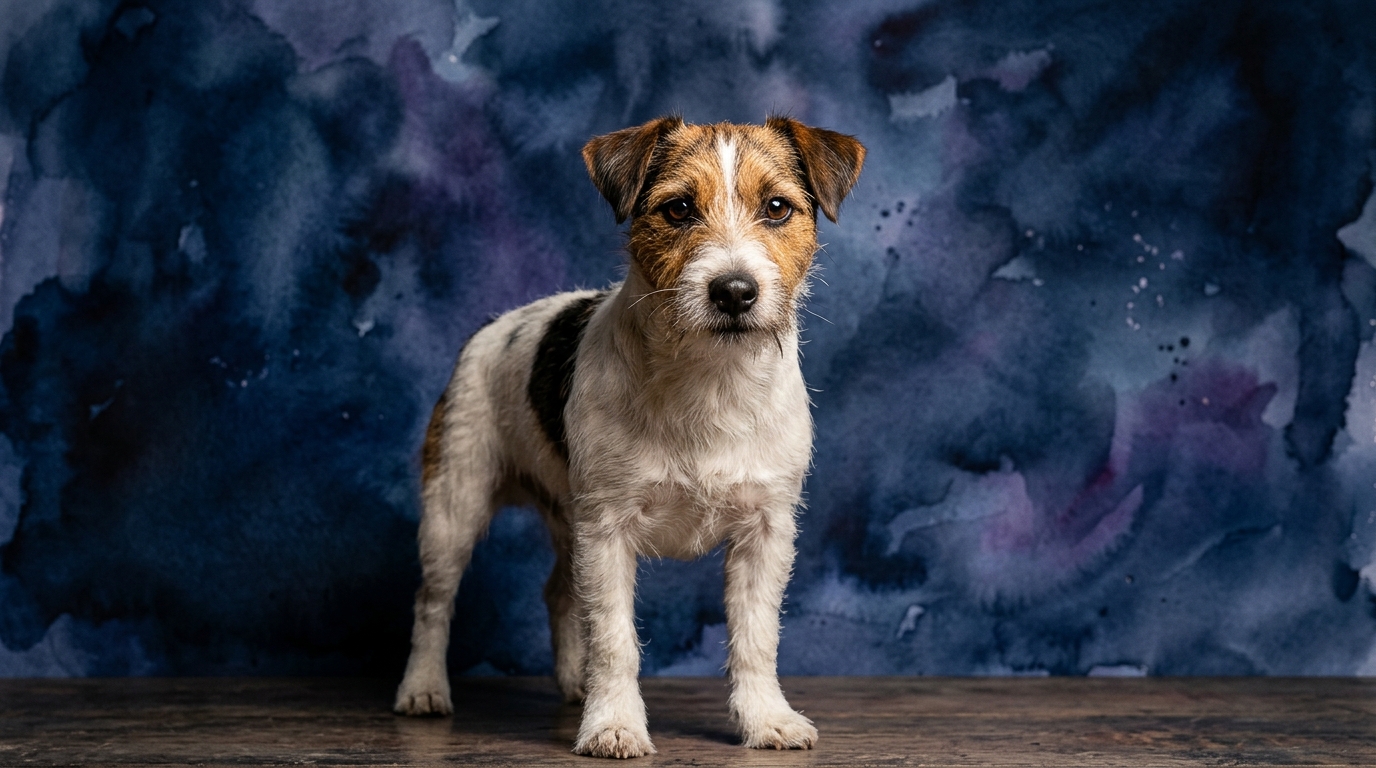
The Jack Russell Terrier, a compact dynamo, exhibits an unparalleled Problem Solving score of 5/5, reflecting their ingenious approach to challenges, often outsmarting prey or obstacles. Their Instinctive Drive also sits at a maximum 5/5, fueling a relentless pursuit and determination in their tasks, from digging to tracking. However, their Training Speed is rated 3/5, suggesting a degree of independent thought that requires consistent, creative training methods, while Social Intelligence is also 3/5, indicating a focused rather than broadly outgoing nature. A strong Memory at 4/5 ensures they retain complex information relevant to their pursuits.
In contrast, the robust Chesapeake Bay Retriever, a breed renowned for its retrieving prowess and holding a Coren rank of #27, shows a Problem Solving capacity of 4/5, demonstrating effective strategies for navigating environments and completing complex retrieves. Their Training Speed is a higher 4/5, reflecting a readiness to learn and a biddable nature under instruction. Like the JRT, their Social Intelligence is 3/5, often reserved with strangers but deeply loyal to their family. An Instinctive Drive of 3/5 is specifically geared towards their retrieving heritage, while their Memory at 4/5 is crucial for remembering specific retrieve locations and sequential commands.
Where Jack Russell Terrier Shines Cognitively
The Jack Russell Terrier’s standout cognitive strength lies in their exceptional Problem Solving, rated 5/5. This isn't just about following commands, but about innate ingenuity and resourcefulness when faced with novel situations or obstacles. For instance, a JRT might independently figure out how to bypass a gate, retrieve a hidden toy from a complex setup, or outmaneuver a pest, demonstrating a profound capacity for independent strategic thinking that often surprises owners.
Complementing their problem-solving acumen is their extraordinary Instinctive Drive, also at 5/5. This relentless determination fuels their cognitive processes, ensuring they will persist through challenges where other breeds might give up. Whether it's the drive to dig to an elusive scent or the unwavering focus on a moving object, this intense internal motivation makes them incredibly effective at their original purpose, pushing their mental boundaries to achieve their goals.
Where Chesapeake Bay Retriever Excels Cognitively
The Chesapeake Bay Retriever excels with a Training Speed score of 4/5, indicating a significant aptitude for learning and executing complex commands and routines efficiently. Their Coren rank of #27 further underscores their capacity for 'working and obedience intelligence,' meaning they are generally eager to understand and perform tasks for their handler, making them highly trainable for specific roles, especially those involving sequential actions or pattern recognition.
While their Problem Solving is rated 4/5, slightly below the JRT, the Chessie's strength here often manifests in applying learned strategies to real-world scenarios, particularly in their retrieving work. They demonstrate a systematic approach to navigating challenging terrains, remembering multiple 'fall' locations of birds, and executing precise retrieves even in adverse conditions. This cognitive strength is less about spontaneous cunning and more about intelligent application of acquired knowledge and skilled execution under direction.
Training Dynamics: JRT vs. Chessie
When considering ease of training, the Chesapeake Bay Retriever typically offers a more straightforward experience due to its 4/5 Training Speed score. Chessies are generally eager to please their handlers and possess a strong desire to work cooperatively, which translates into a quicker grasp of new commands and a higher motivation for obedience. Their drive is often focused on the handler's directives, making them highly responsive to structured training environments and consistent positive reinforcement.
The Jack Russell Terrier, with a training speed of 3/5, often presents a more nuanced training journey. Their exceptional Problem Solving and intense Instinctive Drive, while impressive, can sometimes lead to independent decision-making and a 'what's in it for me?' attitude. Training a JRT requires a significant commitment to engaging their clever minds, making sessions fun and varied to prevent boredom, and consistently channeling their formidable energy and natural curiosity into desired behaviors, rather than merely expecting passive obedience.
Matching Breeds to Lifestyles
Both breeds demand active engagement, but the Jack Russell Terrier is particularly suited for active owners who relish constant mental and physical interaction. Their relentless Instinctive Drive and 5/5 Problem Solving mean they require continuous outlets for their intelligence and energy, thriving in environments that offer daily challenges, puzzle toys, and opportunities for vigorous play or structured activities like earthdog trials or agility. A JRT without sufficient stimulation will invent their own 'work,' which may not align with owner preferences.
The Chesapeake Bay Retriever, while also an active and robust breed, appeals to owners who prefer purposeful outdoor activities and structured exercise. Their moderate Instinctive Drive and Coren-ranked trainability make them ideal partners for long hikes, swimming, or field work. They require consistent physical exertion and mental engagement related to their retrieving heritage, but their energy is often more predictable and directed than the JRT's constant quest for mental stimulation. Neither breed is suitable for a truly 'relaxed' or sedentary owner, as both have significant needs for activity and purpose.
The Verdict
Choose a Jack Russell Terrier if you seek a small dog with big, independent brainpower, who thrives on solving challenges and for whom you can provide constant mental and physical outlets for a highly driven companion.
Opt for a Chesapeake Bay Retriever if you desire a steadfast, capable working dog that excels in structured learning and outdoor activities, and can be a devoted, if sometimes reserved, partner in adventure.
🧠 Find Your Pet's IQ Score
Our Pet IQ Lab assessment covers 25+ tests across 5 cognitive dimensions — personalized to your breed.
Take the Full IQ Test →Frequently Asked Questions
Do Jack Russell Terriers get bored easily?
Yes, their exceptional problem-solving and high instinctive drive mean JRTs require constant mental stimulation and physical activity. Without engaging outlets, they can become destructive or develop undesirable behaviors out of sheer cleverness.
Are Chesapeake Bay Retrievers good family dogs?
Chessies can be devoted family members, often forming strong bonds with their immediate household. However, their social intelligence rating suggests they can be reserved with strangers and benefit from early socialization to ensure they are comfortable in various situations.
How does Coren ranking relate to these IQ scores?
Coren's ranking primarily assesses 'working and obedience intelligence,' which aligns closely with our 'training speed' dimension. While the CBR's #27 rank indicates a strong capacity for learning commands, the JRT's unranked status doesn't mean a lack of intelligence, but rather a different kind of cognitive strength, like problem-solving and drive, that may not translate as directly to obedience tasks.