Side-by-Side IQ Profile: Jack Russell Terrier vs. Chow Chow
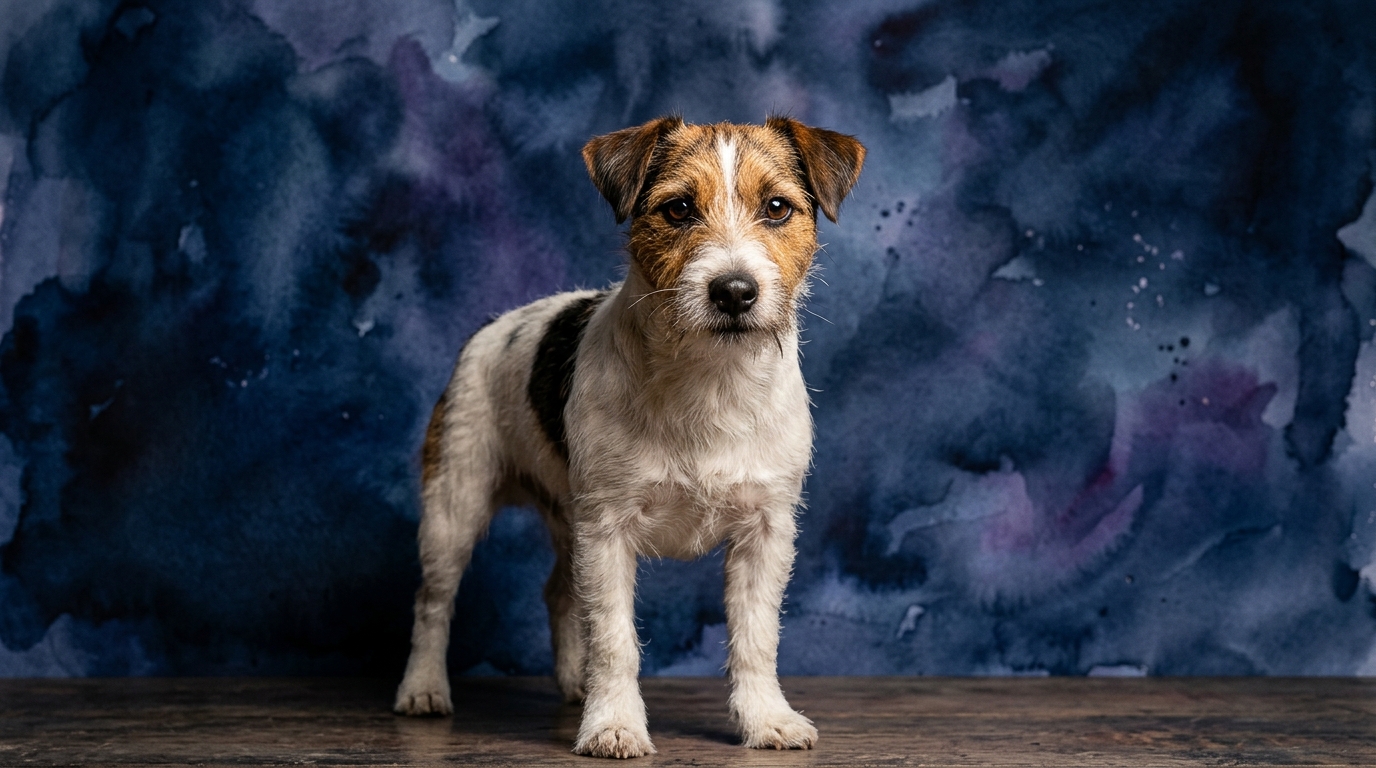
The Pet IQ Lab scores provide a clear picture of each breed's cognitive strengths. The Jack Russell Terrier, a dynamic dog, registers an exceptional Problem Solving score of 5/5, indicating a profound ability to decipher complex situations and overcome obstacles with ingenuity. Their Training Speed is a moderate 3/5; while capable of learning, their independent spirit often means they require engaging motivation. Social Intelligence also stands at 3/5, suggesting an understanding of human cues but a tendency to prioritize their own objectives. A defining characteristic is their Instinctive Drive, a perfect 5/5, reflecting an intense prey drive and an inherent need for purposeful activity. Their Memory is robust at 4/5, enabling them to retain behaviors and environmental details effectively, contributing to their quick learning in specific contexts.
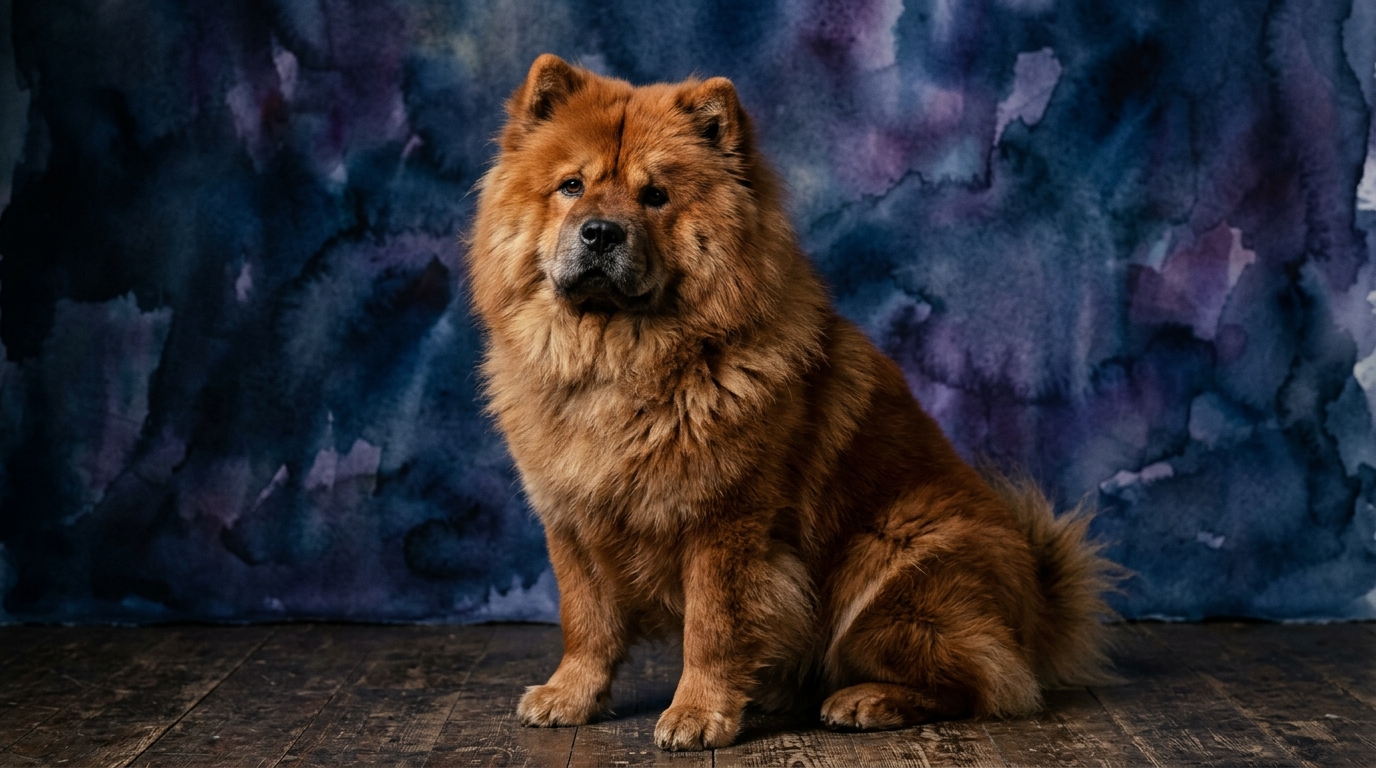
In stark contrast, the Chow Chow presents a more reserved and self-sufficient cognitive profile according to their Pet IQ Lab assessment. Their Problem Solving rates at 3/5, indicating they can navigate challenges but typically with a less intrinsic desire to innovate solutions compared to the Jack Russell Terrier. Training Speed is also 3/5, meaning they are capable of learning, but often at their own pace and with a preference for consistent, patient instruction. Social Intelligence is 3/5, reflecting a capacity for understanding but often expressed with a dignified aloofness rather than overt eagerness. Their Instinctive Drive is moderate at 3/5, suggesting a less intense impulse for chasing or hunting, which contributes to their generally calmer demeanor. Memory is also 3/5, sufficient for daily routines and familiar commands but perhaps not for extensive, complex sequences or intricate recall.
Where the Jack Russell Terrier Wins Cognitively
The Jack Russell Terrier truly excels in domains demanding sharp mental agility and persistent effort. Their 5/5 Problem Solving score signifies a dog that is constantly evaluating its environment for opportunities and challenges, making them adept at tasks requiring strategic thought, such as figuring out how to open a gate or accessing a hidden treat. This exceptional cognitive strength, coupled with their perfect 5/5 Instinctive Drive, creates a formidable mental engine; they are not merely capable of solving problems, they actively seek them out, often driven by a deep-seated desire to engage with their surroundings. Their robust 4/5 Memory further enhances this, allowing them to recall successful strategies and apply them to new, similar situations, making them quick studies in repetitive, goal-oriented tasks. This blend of attributes makes them exceptional candidates for activities like earthdog trials, agility courses, or advanced obedience, where quick thinking and unwavering determination are paramount.
Where the Chow Chow Wins Cognitively
While the Chow Chow’s scores might appear lower on a direct comparative scale, their cognitive strengths lie in a distinct domain, emphasizing self-possession and nuanced situational awareness rather than overt problem-solving. Their consistent 3/5 scores across Problem Solving, Training Speed, Social Intelligence, Instinctive Drive, and Memory describe a balanced, self-contained intellect. This profile translates to a dog less prone to the incessant need for mental stimulation that can characterize some breeds; they are often content observing their surroundings rather than feeling compelled to intervene or investigate every novelty. Their cognitive makeup supports a dignified independence, meaning they excel in environments where quiet companionship and a watchful, protective presence are valued over enthusiastic participation. Their ability to be discerning, coupled with a moderate instinctive drive, often results in a dog less easily distracted by external stimuli and more focused on their immediate, familiar sphere, making them excellent guardians who are thoughtful rather than reactive.
Training Ease: Jack Russell Terrier vs. Chow Chow
Comparing the training ease of a Jack Russell Terrier and a Chow Chow, despite both breeds having a 3/5 Training Speed, reveals significant nuances tied to their other cognitive dimensions. The Jack Russell’s formidable 5/5 Instinctive Drive means they possess a strong, independent will and often a singular focus on their own objectives, whether that’s chasing a perceived prey or digging. While they can learn commands and routines quickly due to their 4/5 Memory and 5/5 Problem Solving, their independence and high drive can make them challenging if training isn't consistently engaging, varied, and highly rewarding; owners often need to be clever to channel their terrier tenacity constructively. Their problem-solving acumen can also be applied to finding ways around rules if not consistently enforced.
Conversely, the Chow Chow’s moderate 3/5 Instinctive Drive implies less inherent impulsivity and a greater willingness to simply exist without constant, intense engagement. While their 3/5 Problem Solving might mean they learn new commands at a steady, deliberate pace rather than rapidly, their less driven nature means they are often more amenable to a consistent, calm training approach, provided the owner respects their independent spirit and avoids heavy-handed methods. They respond best to positive reinforcement and clear, quiet communication. Therefore, while both require patience, the Chow Chow might feel “easier” for an owner seeking a more placid learner who responds well to routine, whereas the Jack Russell Terrier demands a more dynamic, persistent, and creative training strategy to channel its considerable mental and physical energy effectively.
Matching Breeds to Lifestyles: Active vs. Relaxed Owners
The distinct cognitive profiles of these two breeds clearly delineate their suitability for different owner lifestyles. The Jack Russell Terrier, with its perfect 5/5 Instinctive Drive and 5/5 Problem Solving, is ideally suited for active owners who thrive on engagement and mental challenges. They flourish when given structured tasks, opportunities for vigorous exercise, and consistent mental puzzles to solve, such as advanced obedience, agility, scent work, or even barn hunt activities. An owner who can provide daily outlets for their considerable energy and keen intellect will find a loyal, zestful, and endlessly entertaining companion. Without sufficient mental and physical stimulation, their intelligence and drive can manifest as unwanted behaviors like excessive digging or barking, making them a poor fit for sedentary households.
For more relaxed owners, the Chow Chow presents a much more fitting choice. Their moderate 3/5 scores across Problem Solving, Instinctive Drive, and Memory indicate a preference for a calmer, more predictable routine. They are content with moderate daily walks and appreciate a quiet presence, making them excellent companions for those who enjoy a dignified, self-sufficient dog without the constant demand for high-intensity activity or complex mental games. Their contentment with less constant stimulation makes them a natural fit for a more serene household, where they can observe and guard their domain with a quiet confidence. While they appreciate companionship, they are not typically clingy and value their personal space, making them ideal for owners who appreciate an independent canine presence.
The Verdict
Choose a Jack Russell Terrier if you seek a vigilant, mentally agile companion eager for engaging tasks and consistent, stimulating interaction that channels their considerable drive.
Opt for a Chow Chow if you appreciate a dignified, self-reliant presence and prefer a companion content with a more predictable routine, where independence is valued over constant engagement.
🧠 Find Your Pet's IQ Score
Our Pet IQ Lab assessment covers 25+ tests across 5 cognitive dimensions — personalized to your breed.
Take the Full IQ Test →Frequently Asked Questions
Are Jack Russell Terriers good for first-time owners?
Their high instinctive drive and problem-solving abilities mean they require consistent, experienced guidance to channel their energy constructively. First-time owners should be prepared for a significant commitment to training, socialization, and providing ample mental stimulation.
What kind of mental stimulation does a Chow Chow need?
Chow Chows benefit from moderate mental engagement that respects their independent nature, such as puzzle toys, short scent games, or consistent, brief training sessions. Over-stimulation can lead to disinterest or aloofness, so balance and respect for their self-contained nature are key.
How does a breed's 'instinctive drive' impact daily life?
A high instinctive drive, like the Jack Russell's, often translates to a strong desire to hunt, dig, or chase, requiring consistent outlets to prevent destructive behaviors and keep them content. A moderate drive, like the Chow Chow's, suggests a more placid approach to their environment, less prone to intense, instinct-driven pursuits, which generally makes them calmer indoors.