Side-by-Side Cognitive Profiles
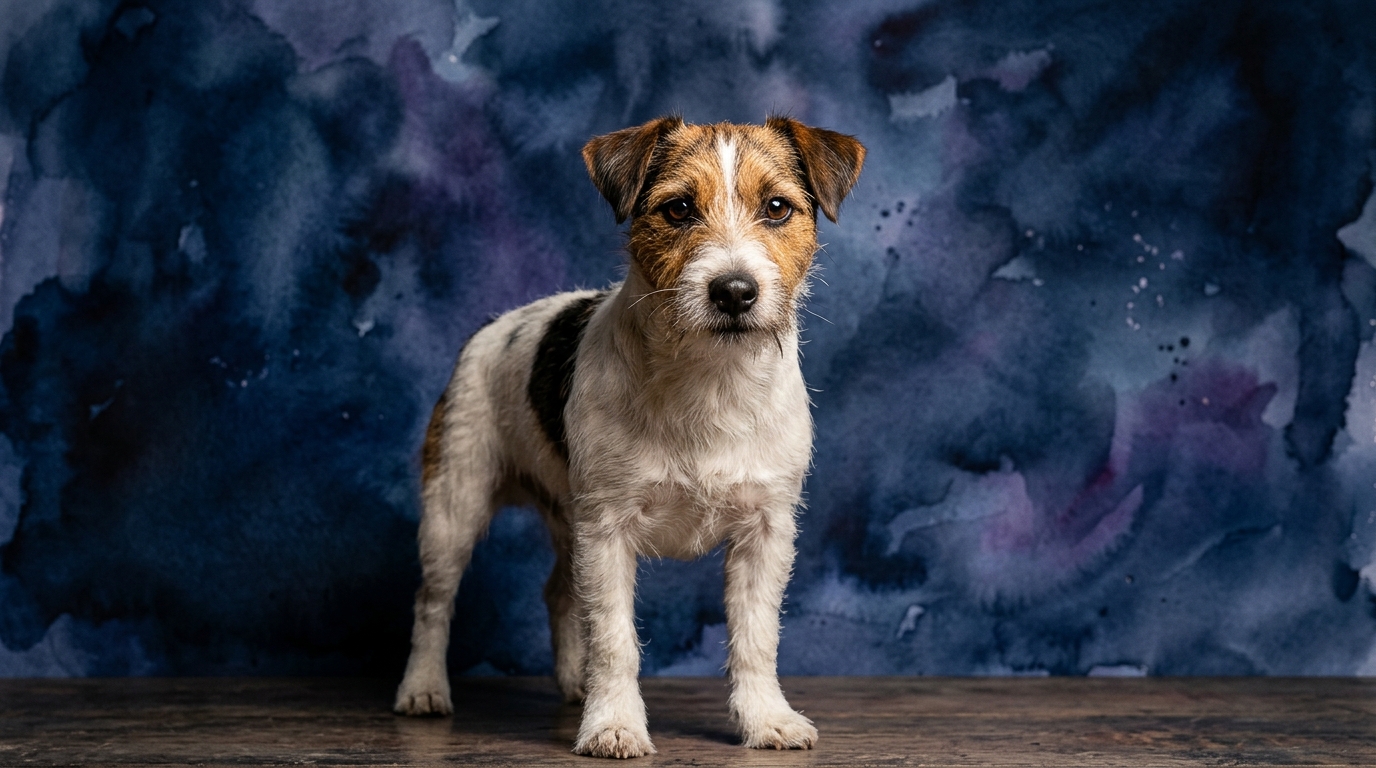
The Cosmic Pet Pet IQ Lab's assessment reveals compelling differences and surprising similarities between these two breeds. The Jack Russell Terrier's cognitive profile paints a picture of a small dog with an enormous, independent mind. Their Problem Solving is rated an exceptional 5/5, meaning JRTs are masters of independent thought and creative solutions, especially when it involves reaching a goal or overcoming an obstacle. This often manifests as determined persistence and ingenious methods to achieve their objective, whether it’s finding a hidden toy or navigating a complex environment. Training Speed for the JRT is a moderate 3/5; while capable of learning quickly, their strong independent streak and often single-minded focus can make traditional obedience a nuanced endeavor. They understand commands but may choose to prioritize their own agenda, requiring consistent, engaging, and patient methods that appeal to their natural drives. Social Intelligence is also 3/5; JRTs form strong bonds with their immediate human family but can be reserved or even assertive with strangers and other animals. Their social cognition is geared more towards understanding pack dynamics within their core group rather than broad, adaptable social graces. Their Instinctive Drive is a profound 5/5, an intense prey drive fueling a relentless pursuit of small animals and an unwavering determination in tasks that engage their hunting instincts. This drive is a core component of their cognitive makeup, providing immense motivation for certain types of work. Finally, their Memory is very good at 4/5, exhibiting robust long-term recall for learned behaviors, routes, and experiences, which supports their problem-solving and navigation skills.
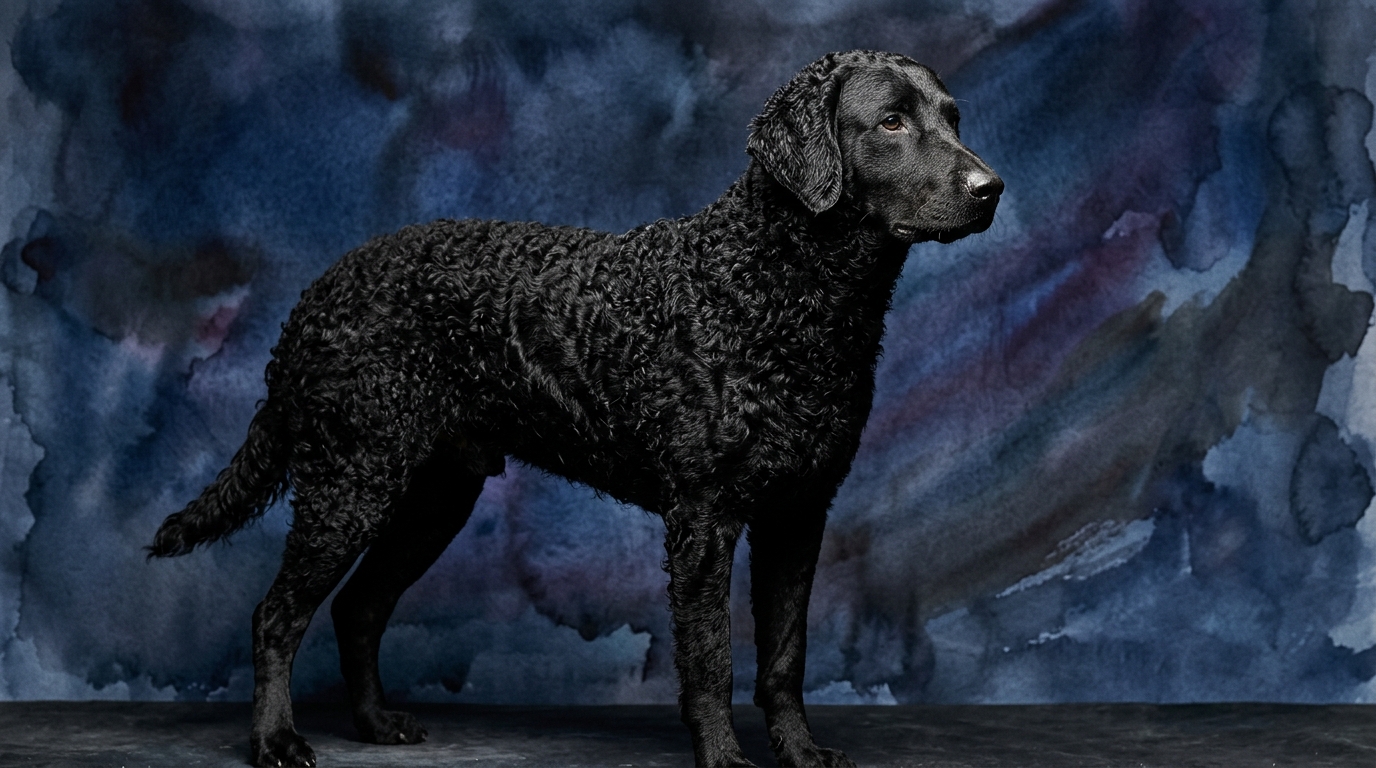
In contrast, the Curly-Coated Retriever presents a different set of cognitive strengths. Their Problem Solving is a moderate 3/5; CCRs possess practical problem-solving abilities, particularly within structured tasks like retrieving. They can navigate challenges, but their approach is often more methodical and less spontaneously inventive than a JRT's, thriving when given clear objectives. Training Speed is also 3/5; CCRs are capable learners, but they benefit from patient and consistent methods. They can be sensitive and may shut down if training is too harsh or repetitive, responding best to positive reinforcement and clear, calm instruction. Like the JRT, their Social Intelligence is 3/5; CCRs are generally loyal and affectionate with their families but can be reserved or aloof with strangers. Their social intelligence allows them to read their handler's cues effectively, but they often prefer a smaller, familiar social circle. Their Instinctive Drive is a moderate 3/5; while bred for retrieving, their drive, while present, is typically not as intensely focused or all-consuming as a terrier's prey drive. It manifests as a desire to work alongside their handler, particularly in water-based activities, rather than independent pursuit. Their Memory is very good at 4/5, demonstrating excellent recall, especially for learned commands, routines, and the locations of retrieved items, which supports their role as working retrievers and their ability to perform complex sequences. Notably, the Curly-Coated Retriever holds a Coren rank of #41, indicating a strong capacity for obedience and working intelligence.
Where the Jack Russell Terrier Excels Cognitively
The Jack Russell Terrier's exceptional Problem Solving (5/5) is undeniably their crowning cognitive achievement. Unlike breeds that might wait for direction, JRTs are proactive architects of solutions, constantly assessing their environment for opportunities to achieve their goals. This means they can independently figure out how to open gates, retrieve items from seemingly inaccessible places, or devise complex strategies to corner a toy. This isn't just about puzzle-solving; it's a fundamental approach to interacting with the world. Coupled with their profound Instinctive Drive (5/5), this cognitive pairing makes them relentless. When a JRT sets its mind on something, whether it’s tracking a scent or digging for an imagined prey, their focus is singular and their determination unwavering. This high drive, while sometimes challenging to manage, is a powerful cognitive engine, enabling them to sustain effort and overcome obstacles that might deter other breeds, making them unmatched in tasks requiring sheer tenacity and independent ingenuity.
Where the Curly-Coated Retriever Shines Cognitively
The Curly-Coated Retriever's cognitive strengths lie in its structured intelligence and cooperative application, distinctly different from the JRT's independent ingenuity. While their Problem Solving and Training Speed scores are moderate, the CCR's Coren rank of #41 speaks volumes about their capacity for sophisticated learning and consistent execution within a working partnership. CCRs excel at learning and performing complex, multi-step commands and routines, particularly when guided by a handler. Their moderate social intelligence, combined with excellent memory (4/5), allows them to process and recall intricate sequences of tasks with precision, making them highly effective in field work, advanced obedience, and competitive dog sports where partnership and systematic execution are paramount. They demonstrate a more biddable, systematic approach to learning, often preferring to collaborate to achieve goals rather than devising independent, spontaneous solutions. This makes them superb partners for tasks requiring thoughtful execution and reliable adherence to learned protocols.
Training Ease: JRT vs. CCR
Despite both breeds scoring 3/5 for Training Speed, the Curly-Coated Retriever is generally considered easier to train for a typical owner seeking a cooperative companion. JRTs, while quick to grasp concepts, often apply their considerable problem-solving skills to outsmarting their trainer or prioritizing their own agenda, fueled by their intense instinctive drive. Their independence means training requires immense consistency, creativity, and a deep understanding of their terrier mindset to make compliance more rewarding than self-directed action. In contrast, CCRs, while possessing their own independent streak, typically respond better to positive reinforcement and a calm, encouraging approach. They are sensitive to harsh methods but generally demonstrate a greater desire to please their handler once a trusting bond is established. Their Coren ranking further supports their aptitude for structured obedience and working intelligence, indicating they are more inclined to integrate into a human-led team, making the training journey smoother for many.
Matching Breeds to Lifestyles: Active vs. Relaxed Owners
Neither the Jack Russell Terrier nor the Curly-Coated Retriever are suitable for truly relaxed owners, as both demand significant engagement. However, their activity needs differ in quality. The JRT, with its profound instinctive drive (5/5) and exceptional problem-solving (5/5), is a match for highly active owners who can provide constant mental and physical stimulation. They thrive in structured activities like agility, earthdog trials, or complex scent work that challenge their sharp minds and relentless energy. A JRT left without sufficient outlets will invent its own, often destructive, entertainment. The CCR, while also needing regular exercise, particularly enjoys purposeful physical activities like retrieving, swimming, or long hikes with their owner. Their activity needs are substantial but often more focused on shared endeavors rather than the JRT's independent, frantic exploration. An active owner for a CCR values companionship during outdoor pursuits, while a JRT owner must be ready for a constant cognitive challenge.
The Verdict
Opt for a Jack Russell Terrier if you're an experienced dog owner seeking a canine partner with exceptional ingenuity and an unyielding zest for life, prepared to channel their intense drive into challenging mental and physical pursuits. They thrive with owners who appreciate their independent spirit and can offer consistent, creative engagement to prevent boredom and mischief.
Select a Curly-Coated Retriever if you desire a loyal, sensitive companion for active outdoor adventures, particularly water sports, and value a dog that, while independent, will generally work cooperatively within a structured training environment. They suit patient owners who appreciate a more reserved demeanor coupled with a strong desire to please their trusted handler.
🧠 Find Your Pet's IQ Score
Our Pet IQ Lab assessment covers 25+ tests across 5 cognitive dimensions — personalized to your breed.
Take the Full IQ Test →Frequently Asked Questions
Is a Jack Russell Terrier difficult to live with due to its intelligence?
A JRT's high problem-solving and instinctive drive mean they require significant mental and physical stimulation to prevent boredom and destructive behaviors. While their intelligence is a gift, it can become a challenge if not properly channeled, leading to a dog that constantly seeks out its own entertainment. They thrive in homes that provide consistent challenges and engaging activities.
How does the Curly-Coated Retriever's sensitivity affect its training?
The CCR's sensitivity means they respond best to positive reinforcement and gentle, consistent methods. Harsh corrections or overly repetitive training can cause them to become withdrawn or resistant. Owners should focus on building a strong, trusting bond and making training sessions enjoyable and rewarding.
Which breed is better for a first-time dog owner?
Neither breed is typically recommended for a truly novice owner due to their specific cognitive and behavioral needs. However, if an active first-time owner is committed to consistent, positive training and has done thorough research, the Curly-Coated Retriever, with its generally more cooperative nature, might be a slightly more manageable choice than the highly independent and intensely driven Jack Russell Terrier.