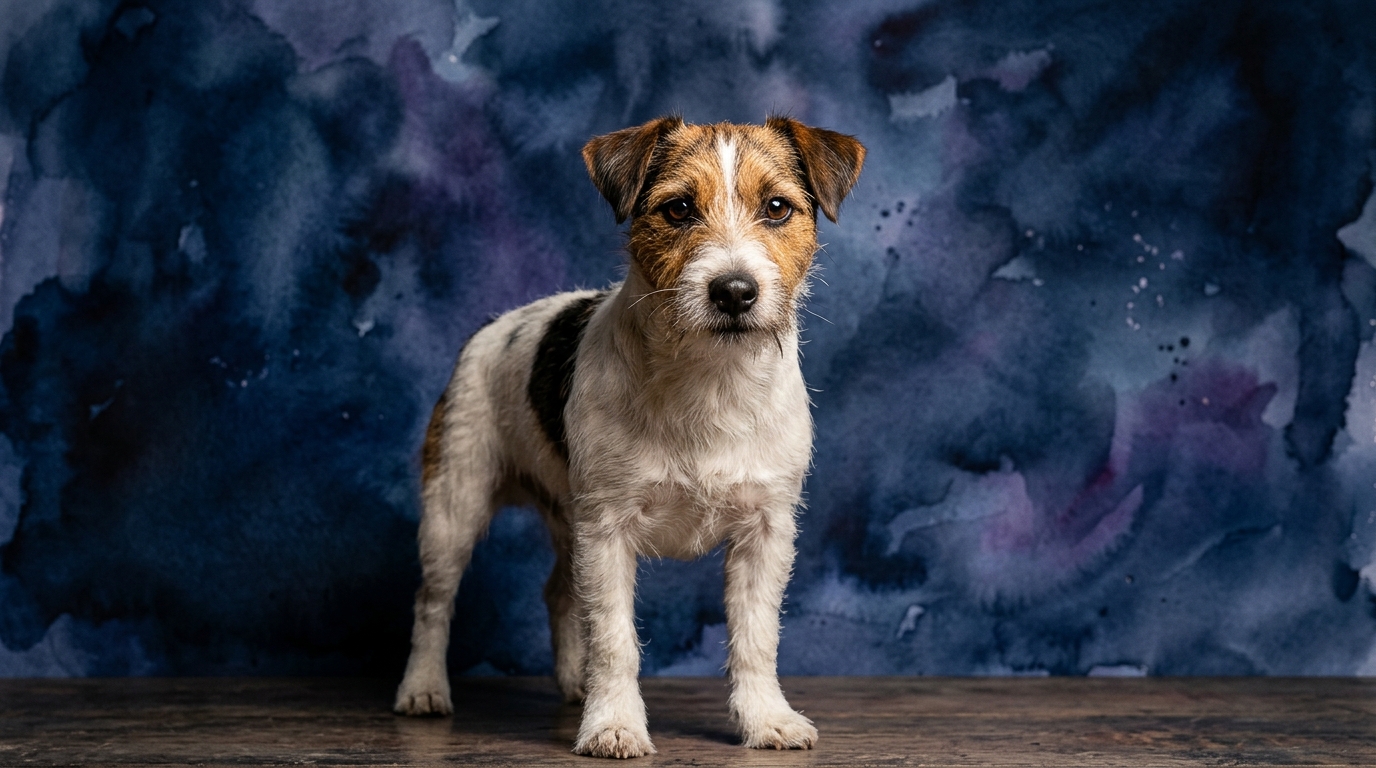
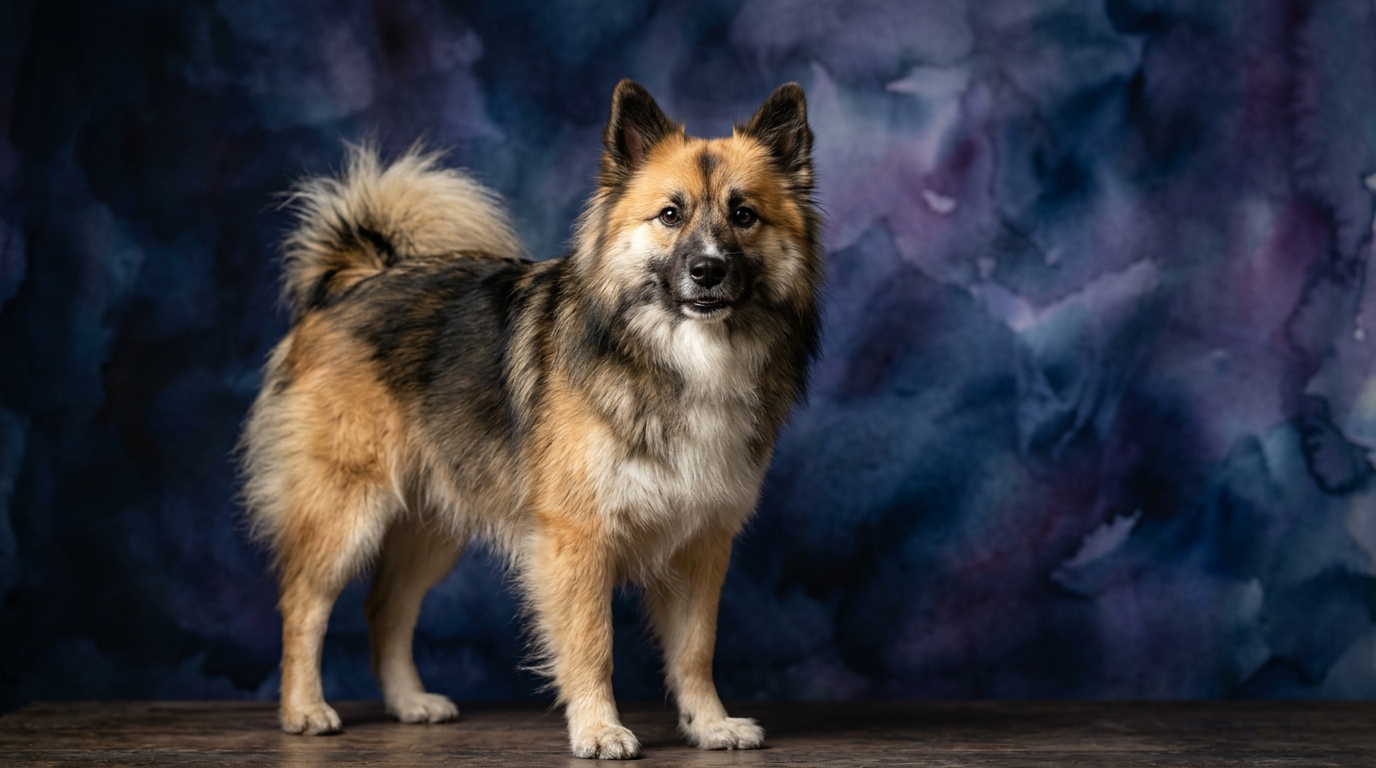
Side-by-Side Cognitive Profile
To truly understand the mental strengths of the Jack Russell Terrier and the Icelandic Sheepdog, we must delve into their specific IQ dimensions. These scores from The Cosmic Pet Pet IQ Lab offer a granular view of how each breed processes the world and interacts with their environment, moving beyond generalized notions of cleverness.
The **Jack Russell Terrier** displays a cognitive makeup geared for independent action and persistent investigation:
**Problem Solving (5/5):** This breed showcases exceptional ingenuity, quickly figuring out how to achieve goals, whether it's escaping an enclosure or manipulating objects to get a treat. Their minds are constantly assessing situations for opportunities, demonstrating a high capacity for strategic thinking and overcoming obstacles.
**Training Speed (3/5):** While capable of grasping concepts rapidly, their strong independent streak and high drive can sometimes make them less immediately compliant. They understand commands but might weigh the perceived value of obeying against their own strong impulses, requiring patient and consistent engagement.
**Social Intelligence (3/5):** Jack Russells possess a functional social understanding, capable of bonding deeply with their human family. However, their primary cognitive strength lies less in nuanced social interpretation and more in independent action, sometimes leading to direct, unambiguous interactions with others.
**Instinctive Drive (5/5):** Their powerful prey drive is a defining feature, fueling an intense desire to hunt, chase, and explore. This deep-seated instinct drives much of their engagement with the world, making them tireless in pursuit of perceived quarry and requiring significant outlets for this energy.
**Memory (4/5):** They exhibit a robust memory, retaining learned behaviors, routines, and spatial information with considerable accuracy. This sharp recall aids their ability to navigate complex environments and remember successful strategies for problem-solving, contributing to their tenacity.
The **Icelandic Sheepdog**, in contrast, presents a more balanced and cooperative cognitive profile, reflecting their pastoral heritage:
**Problem Solving (3/5):** This breed shows a practical capacity for solving immediate, task-oriented challenges, particularly those related to their herding origins. They can adapt to changing situations but generally prefer established routines over constant innovation or complex, abstract problem-solving.
**Training Speed (3/5):** Icelandic Sheepdogs learn at a steady pace, generally eager to please and responsive to positive reinforcement. Their learning is consistent, though not marked by the rapid, sometimes impulsive, grasp seen in breeds with higher problem-solving scores.
**Social Intelligence (3/5):** Highly attuned to their human companions, Icelandic Sheepdogs excel in reading subtle cues and fostering strong, cooperative bonds. Their social intelligence is geared towards harmonious living within a family or flock, often seeking proximity and interaction with their people.
**Instinctive Drive (3/5):** While possessing a distinct herding instinct, their drive is typically managed and channeled towards working with livestock rather than independent hunting. This manifests as a desire to keep their “flock” (family) together, often gently nudging or circling to maintain cohesion.
**Memory (3/5):** They have a reliable memory for commands, routines, and familiar individuals, contributing to their consistency and predictability. Their recall is solid, supporting their role as a steadfast companion and working partner within a structured environment.
Where Jack Russell Terrier Wins Cognitively
The Jack Russell Terrier's cognitive profile stands out for its exceptional Problem Solving (5/5) and formidable Instinctive Drive (5/5). These aren't just high scores; they represent a mind engineered for independent action and persistent pursuit. A JRT will meticulously strategize to achieve a goal, whether it's figuring out how to open a child-proof gate or systematically digging under a fence to investigate a scent. Their problem-solving isn't just about learning tricks; it's about active, often creative, engagement with their environment to overcome obstacles, demonstrating a remarkable capacity for inventive solutions.
This breed also possesses a significant advantage in Memory (4/5), allowing them to recall complex sequences of actions and successful past solutions with considerable accuracy. This robust memory fuels their ability to learn from experience and refine their problem-solving tactics over time, making them formidable little strategists who rarely forget a lesson. Their instinctual drive, specifically their prey drive, is unparalleled, giving them an almost boundless energy and focus when engaged in activities that mimic hunting, such as chasing a lure or scent work. This intense, focused energy, when appropriately channeled, makes them incredibly tenacious and effective in specific tasks, excelling in dog sports that demand independent thought and relentless determination.
Where Icelandic Sheepdog Wins Cognitively
While the Icelandic Sheepdog's scores are consistently moderate, their specific combination of cognitive traits offers distinct advantages for certain owners and lifestyles. Their Instinctive Drive (3/5), though lower than the JRT's, is primarily expressed as a strong herding impulse rather than a high prey drive. This means they are less likely to disappear over the horizon in pursuit of a squirrel and more inclined to keep their human “flock” together, often staying close and attentive. This lower, more manageable drive can be a significant “win” for owners who prefer a dog that is less prone to intense, independent exploration or requires less stringent management of powerful hunting instincts.
Furthermore, their balanced Problem Solving (3/5) and Social Intelligence (3/5), while not extreme, combine to create a dog that is adaptable and highly cooperative within a family unit. They are not prone to overthinking or independently devising complex schemes to challenge household rules, which can simplify daily living. Their cognitive style prioritizes harmonious interaction and responsiveness to human direction, making them inherently agreeable and less likely to generate self-made “projects” that require constant intervention. This consistent, predictable cognitive profile makes them a reliable and gentle companion, less demanding in terms of constant mental challenge management compared to the Jack Russell Terrier.
Which Is Easier to Train and Why
Assessing ease of training between these two breeds reveals nuances beyond just their Training Speed scores, which are identical at 3/5 for both. The Jack Russell Terrier's exceptional Problem Solving (5/5) and intense Instinctive Drive (5/5) create a unique training dynamic. While they quickly grasp concepts and commands due to their sharp minds, their independent nature and powerful internal motivations mean they might choose to prioritize their own agenda over obedience, particularly if a more compelling “prey” (like a squirrel) presents itself. Their training requires consistent, engaging, and highly motivating methods to keep their quick minds focused and to channel their immense drive constructively. They are not difficult to teach *what* to do, but rather *why* they should do it when their instincts pull them elsewhere, demanding an owner who can consistently out-motivate their innate drives.
In contrast, the Icelandic Sheepdog, with its more moderate Problem Solving (3/5) and Instinctive Drive (3/5), tends to be more consistently biddable. Their social intelligence, geared towards cooperation, means they are generally eager to please and respond well to positive reinforcement. While their learning speed is steady rather than lightning-fast, their willingness to engage and their lower propensity for independent ventures make them less likely to challenge commands or get distracted by powerful external stimuli. Training an Icelandic Sheepdog is often a more straightforward process focused on clear communication and building a cooperative relationship, without the constant need to outwit or redirect a fiercely independent mind. Therefore, for the average owner seeking a dog that is generally easier to guide through training, the Icelandic Sheepdog’s more balanced and cooperative cognitive profile likely presents fewer day-to-day challenges.
Which Suits Active Owners vs. Relaxed Owners
The choice between these two breeds hinges significantly on an owner's lifestyle and their capacity for engaging a dog's specific cognitive and physical needs. The Jack Russell Terrier, with its 5/5 Problem Solving and 5/5 Instinctive Drive, is unequivocally suited for highly active owners who thrive on mental and physical engagement. These dogs require constant mental stimulation to prevent boredom, which they will inevitably solve by inventing their own, potentially destructive, entertainment. Their intense prey drive demands outlets like structured play, agility, earthdog trials, or extensive scent work to be truly fulfilled. A relaxed owner, or one unable to provide consistent, vigorous activity and mental puzzles, would likely find a JRT overwhelming and potentially disruptive due to their relentless energy and cleverness. Their sharp memory (4/5) means they remember where they left off in their “projects” and will return to them with enthusiasm.
The Icelandic Sheepdog, while also an active breed, suits a different kind of active owner. Their moderate instinctive drive (3/5) and problem-solving (3/5) mean they need regular exercise and mental engagement, but not to the same intense, independent degree as a JRT. They are content with activities that involve their human family, such as long walks, hiking, or dog sports like herding or obedience. Their social intelligence (3/5) means they thrive on companionship and structured interaction, preferring to be part of the family’s activities rather than pursuing independent ventures. While not a couch potato, they are more adaptable to varied activity levels within an active household and less prone to creating their own high-stakes adventures if left to their own devices. They are not for truly relaxed owners, but they offer a more balanced and cooperative activity partner than the relentlessly driven JRT, fitting well with owners who enjoy consistent, shared activities rather than needing to manage a dog's intense, independent pursuits.
The Verdict
Choose the Jack Russell Terrier if you are a highly engaged, experienced owner seeking a tenacious, independent problem-solver for demanding dog sports or an active lifestyle that can consistently channel their intense drive.
Opt for the Icelandic Sheepdog if you desire a cooperative, adaptable companion for an active family life, appreciating a dog with a balanced cognitive profile and a strong desire to be an integrated, harmonious part of the household.
🧠 Find Your Pet's IQ Score
Our Pet IQ Lab assessment covers 25+ tests across 5 cognitive dimensions — personalized to your breed.
Take the Full IQ Test →Frequently Asked Questions
Is the Jack Russell Terrier always trying to outsmart its owner?
Jack Russell Terriers are naturally adept problem-solvers (5/5), meaning they are constantly analyzing their environment and looking for ways to achieve their goals, which can sometimes involve "outsmarting" barriers or routines. This isn't malicious, but a reflection of their innate cleverness and independent drive, requiring owners to be equally consistent and creative in their management.
How does the Icelandic Sheepdog's herding instinct affect its daily life?
The Icelandic Sheepdog's herding instinct (3/5) typically manifests as a desire to keep its "flock" (family) together, often gently nudging or circling people. This can make them attentive companions who prefer to stay close, but they may also try to "herd" children or other pets, which requires gentle guidance to manage appropriately.
Do both breeds require a lot of mental stimulation?
Yes, both breeds benefit from mental stimulation, but the type and intensity differ. The Jack Russell Terrier (Problem Solving 5/5, Instinctive Drive 5/5) demands constant, varied mental challenges to prevent boredom and destructive behaviors, often thriving on independent tasks. The Icelandic Sheepdog (all 3/5) needs consistent engagement through training, puzzles, and shared activities, but their needs are generally more cooperative and less intensely independent.