
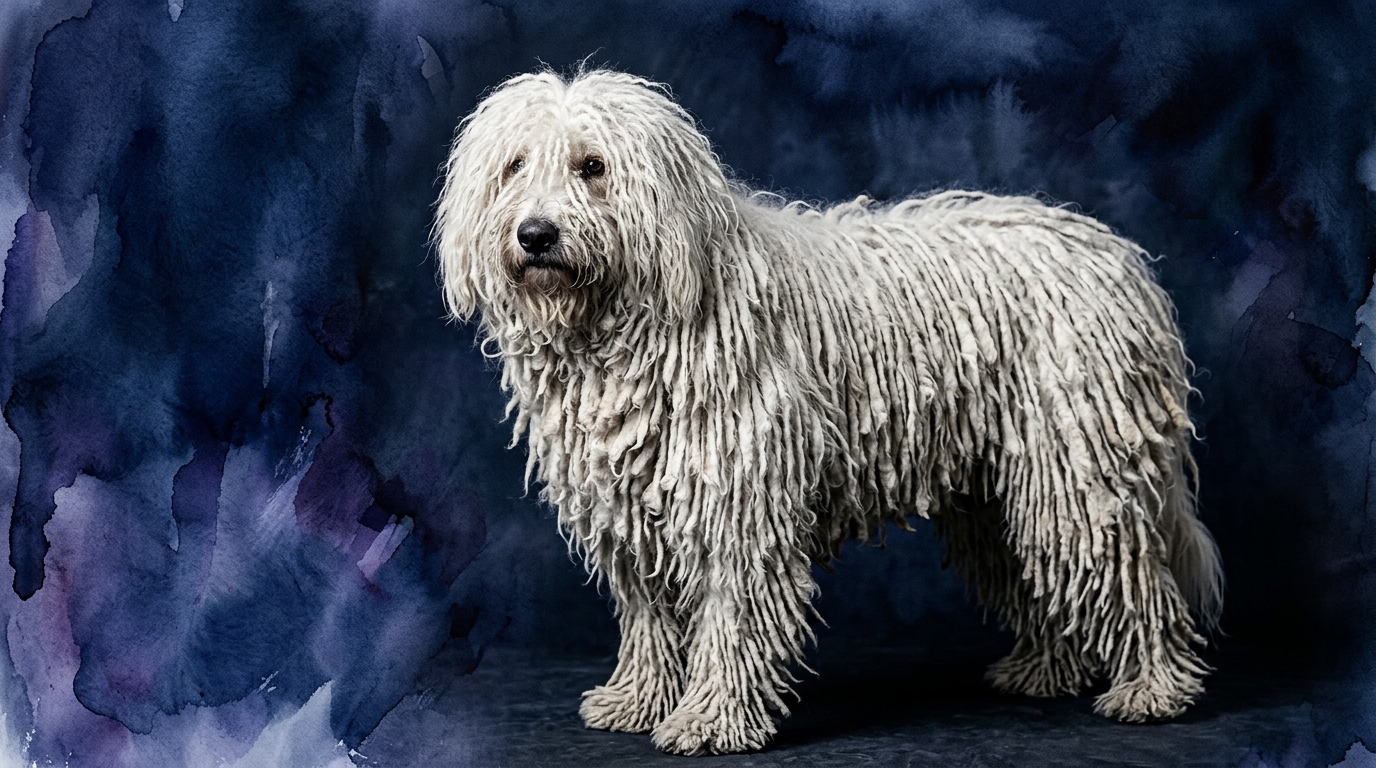
Side-by-Side Cognitive Profiles: Decoding Canine Minds
The Cosmic Pet Pet IQ Lab assesses canine intelligence across five key dimensions, offering a nuanced view beyond simple obedience. For the Jack Russell Terrier and Komondor, these dimensions highlight their distinct evolutionary paths and functional roles.
Jack Russell Terrier (JRT) Profile:
Problem Solving (5/5): The Jack Russell Terrier exhibits exceptional ingenuity, often devising creative solutions to obstacles. This breed thrives on mental challenges, quickly understanding cause-and-effect relationships, whether it's figuring out how to open a gate or retrieve a hidden toy. Their persistence, combined with this mental agility, makes them formidable little strategists.
Training Speed (3/5): While capable of learning rapidly, the JRT's independent spirit and strong instinctive drive can sometimes make training a nuanced process. They grasp concepts swiftly but may choose to apply them only when it aligns with their immediate interests or perceived rewards, demanding consistent and engaging methods from their handlers.
Social Intelligence (3/5): JRTs are generally attuned to their immediate family's emotions and routines but can be less universally adaptable in social settings. Their confidence can sometimes be perceived as aloofness or even assertiveness with unfamiliar dogs or people, requiring careful socialization to foster balanced interactions.
Instinctive Drive (5/5): This breed possesses an incredibly powerful instinctive drive, particularly for hunting and tracking. Their high prey drive and relentless determination to pursue scents or movement are deeply ingrained, influencing much of their behavior and requiring outlets for this inherent energy.
Memory (4/5): Jack Russell Terriers demonstrate a robust memory, retaining learned commands, routines, and experiences over long periods. They recall specific locations, past interactions, and the consequences of certain actions, which contributes to their problem-solving abilities and aids in consistent training, provided the training was engaging enough to stick.
Komondor Profile:
Problem Solving (3/5): Komondors approach problem-solving with a deliberate, often observational, methodology. They are capable of understanding complex situations, particularly those related to their guarding duties, but they may take more time to process and react compared to breeds driven by quick, reactive impulses. Their solutions are typically practical and purpose-driven.
Training Speed (3/5): Similar to JRTs, Komondors learn at a moderate pace, but their independent nature and historical role as self-sufficient livestock guardians mean they often require a clear 'why' behind a command. They are not eager to please in the conventional sense and respond best to patient, consistent training that respects their thoughtful disposition.
Social Intelligence (3/5): Komondors are intensely loyal and protective of their family and charges, displaying a nuanced understanding of their specific social group. However, their social circle is typically small and clearly defined; they can be reserved or wary of strangers, reflecting their guarding heritage, which requires careful, early socialization to ensure appropriate responses.
Instinctive Drive (3/5): The Komondor's primary instinctive drive is guardianship, a powerful urge to protect its flock or family. This manifests as vigilance, territoriality, and a keen awareness of their surroundings. While not driven by prey chase in the same way as a terrier, their protective instincts are profoundly ingrained and define much of their behavioral repertoire.
Memory (3/5): Komondors possess a solid memory for their duties, routines, and the individuals within their protective sphere. They remember threats, safe areas, and the established hierarchy within their home. Their memory serves their guarding role, allowing them to consistently apply learned boundaries and protective behaviors.
Where the Jack Russell Terrier Excels Cognitively
The Jack Russell Terrier's cognitive strengths lie in its dynamic problem-solving and intense instinctive drive. With a 5/5 in problem-solving, JRTs are adept at navigating complex physical environments, quickly strategizing how to overcome barriers or locate hidden items. This mental nimbleness allows them to adapt rapidly to new situations and learn through exploration and experimentation, often outthinking their human companions when it comes to securing a treat or escaping a confined space. Their 5/5 instinctive drive translates into an unparalleled focus and determination when pursuing a task, whether it's scent work, agility, or simply chasing a ball. This strong internal motivation means they often don't require external prompting to engage with stimulating activities, making them self-starters in many cognitively demanding scenarios. Their superior memory (4/5) further enhances these traits, allowing them to recall successful strategies and past experiences, building upon their knowledge base with each new challenge they encounter.
Where the Komondor Shows Unique Cognitive Strengths
The Komondor's cognitive profile, while different from the JRT, showcases distinct advantages rooted in its ancient guarding role. Its social intelligence and instinctive drive, both rated 3/5, are finely tuned for protection and vigilance. Unlike the JRT's broad problem-solving, the Komondor excels in context-specific problem-solving related to its charges. They demonstrate a patient, observational intelligence, assessing threats and making independent decisions about when and how to intervene. Their guarding instinct is not a reactive chase but a deliberate, strategic defense, requiring an understanding of territory, family members, and potential dangers. This manifests as a deep, unwavering loyalty and a nuanced understanding of their specific social group, allowing them to discern between a friendly visitor and a genuine threat. Their memory (3/5) supports this by consistently recalling established boundaries, acceptable behaviors, and the individuals they are tasked to protect, contributing to their reliable and steadfast nature.
Ease of Training: A Question of Motivation and Independence
When it comes to ease of training, both breeds present unique considerations, largely stemming from their differing motivations and levels of independence. The Jack Russell Terrier, despite its 3/5 training speed, can be quick to grasp new commands due to its high problem-solving capacity. However, its 5/5 instinctive drive and independent spirit mean that training often feels like a negotiation. JRTs are not inherently driven by a desire to please but rather by what benefits them, such as securing a reward or engaging in a stimulating activity. Their focus can be easily diverted by environmental stimuli, and they may decide a command isn't worth their effort if the reward isn't compelling enough. This requires trainers to be creative, consistent, and exceptionally engaging, turning training into a game of wits rather than rote obedience.
The Komondor, also with a 3/5 training speed, approaches training with a thoughtful, often self-sufficient mindset. Their history as independent livestock guardians means they are accustomed to making their own decisions, and they will question commands that seem illogical or unnecessary from their perspective. They are less prone to being distracted by fleeting stimuli than a JRT but demand patience and a clear purpose in training. While not as overtly "eager to please" as some breeds, they are capable of learning complex tasks and will perform them reliably once they understand the command's value and trust their handler. Training a Komondor often involves building a strong relationship based on respect and clear communication, rather than relying solely on high-value treats or constant praise. Their social intelligence, while focused on their immediate family, means they respond well to a leader they perceive as competent and fair.
Matching Breeds to Lifestyles: Active Explorers vs. Steadfast Guardians
Choosing between a Jack Russell Terrier and a Komondor largely depends on an owner's lifestyle and what they seek in a companion.
The Jack Russell Terrier is an ideal match for active owners who relish constant engagement and have an outlet for boundless energy. Their 5/5 instinctive drive and problem-solving prowess demand daily mental and physical stimulation. They thrive in environments where they can explore, chase, dig, and participate in activities like agility, earthdog trials, or extensive hiking. Owners who enjoy training for sport, providing intricate puzzle toys, and embarking on adventures will find the JRT an enthusiastic and tireless partner. A relaxed owner who cannot commit to significant daily exercise and mental challenges will likely find a JRT's energy overwhelming and potentially destructive, as their intelligence and drive will find their own, often undesirable, outlets.
Conversely, the Komondor suits a more relaxed owner in terms of high-octane physical activity, but one who is prepared for a different kind of commitment: consistent, calm leadership and managing a powerful guarding instinct. While Komondors need regular exercise, it's often more about patrolling their territory and moderate walks rather than intense, prolonged bursts of speed. They are well-suited to owners who appreciate a steadfast, vigilant presence and who live in environments where their guarding instincts can be appropriately channeled, such as a home with a secure yard. A Komondor's independent nature and specific social intelligence mean they are not generally "velcro dogs" but rather watchful companions. They are less about constant interaction and more about a quiet, protective presence, making them suitable for owners who value a calm, observant companion and who are experienced in managing a large, independent breed with strong protective instincts.
The Verdict
Choose the Jack Russell Terrier if you seek a dynamic, quick-witted partner for an active lifestyle, ready to engage in constant mental and physical challenges and requiring an owner prepared to channel their intense drive.
Opt for the Komondor if you desire a steadfast, protective companion with a calm demeanor, valuing a vigilant presence and an owner who can provide consistent, patient leadership for an independent guardian.
🧠 Find Your Pet's IQ Score
Our Pet IQ Lab assessment covers 25+ tests across 5 cognitive dimensions — personalized to your breed.
Take the Full IQ Test →Frequently Asked Questions
Is a Jack Russell Terrier difficult to train due to its independence?
While Jack Russell Terriers are quick learners, their strong instinctive drive and independent nature (training speed 3/5) mean they can be challenging without consistent, engaging methods. They respond best to training that feels like a game and offers compelling rewards, requiring an owner who can make learning exciting and relevant.
How does the Komondor's guarding instinct affect its social behavior?
The Komondor's strong guarding instinct (instinctive drive 3/5) and focused social intelligence mean they are intensely loyal to their family but often reserved or wary of strangers. Early and extensive socialization is crucial to help them differentiate between perceived threats and normal social interactions, ensuring they are appropriately protective without being overly reactive.
Which breed is better for a first-time dog owner?
Neither breed is typically recommended for first-time dog owners due to their strong personalities and specific needs. Jack Russell Terriers require experienced handling for their high energy and drive, while Komondors need owners familiar with managing large, independent guarding breeds. Both demand consistent training and socialization from knowledgeable individuals.