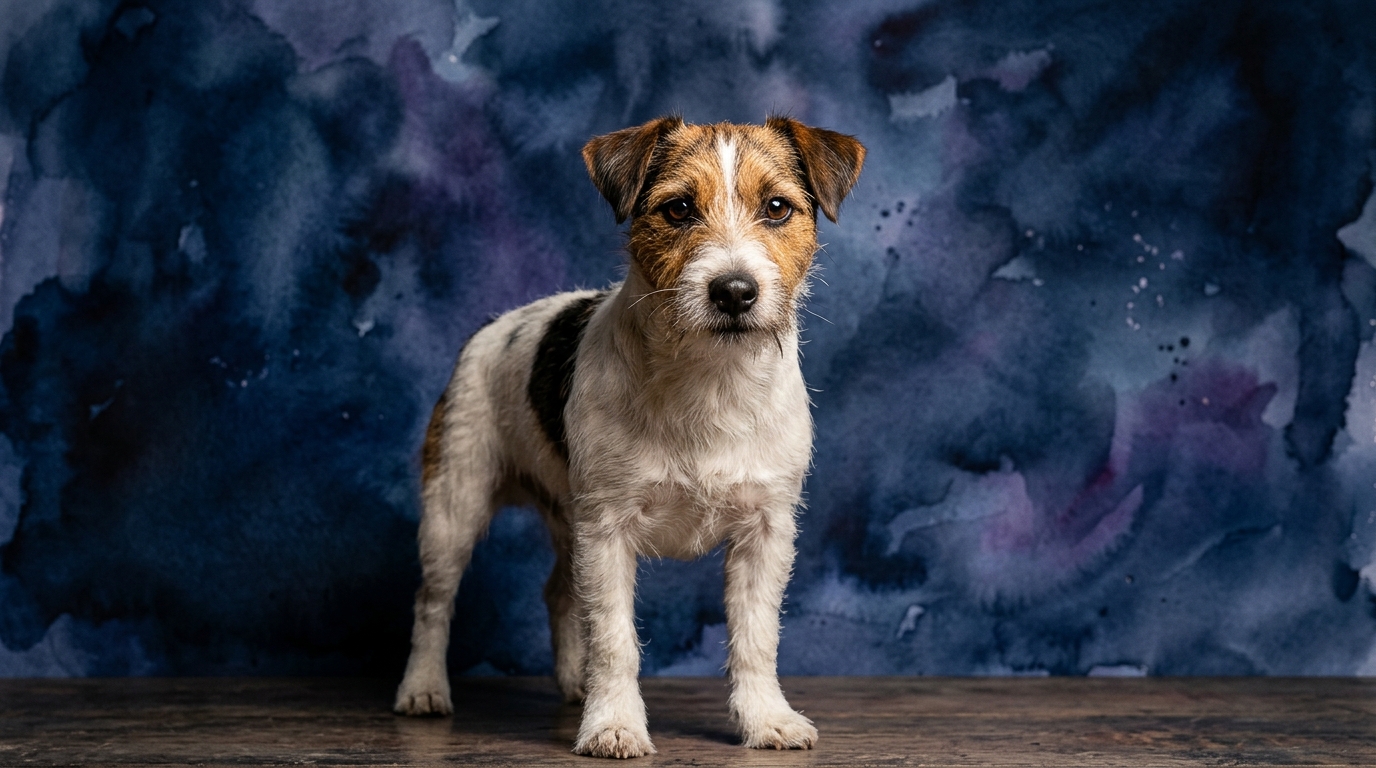
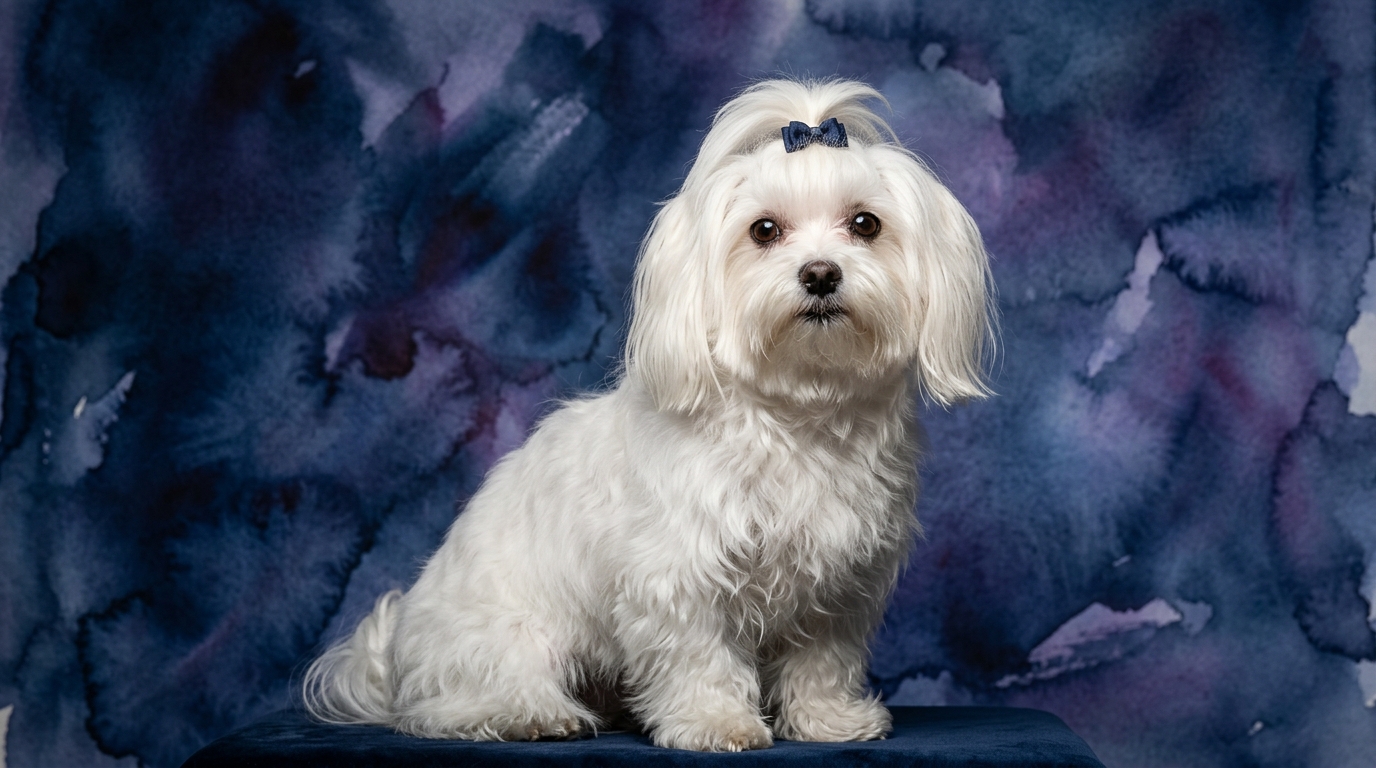
Side-by-Side IQ Profile: Jack Russell Terrier vs Maltese
**Jack Russell Terrier:**
**Problem Solving (5/5):** JRTs display exceptional ingenuity, persistently strategizing to overcome obstacles or solve puzzles, whether escaping a yard or retrieving a deeply buried toy. Their relentless drive fuels creative, sometimes mischievous, solutions.
**Training Speed (3/5):** While capable learners, JRTs exhibit moderate training speed due to their independent streak and high instinctive drive. Consistent, engaging methods are crucial to hold their attention and redirect focus from environmental distractions.
**Social Intelligence (3/5):** Jack Russell Terriers have moderate social intelligence, often prioritizing tasks or environmental engagement over nuanced human interaction. They form strong bonds but can appear more self-directed than overtly attuned to subtle human emotional cues.
**Instinctive Drive (5/5):** This breed possesses intense instinctive drive, manifesting as a powerful desire to chase, dig, and explore. Their pronounced prey drive makes them enthusiastic participants in earthdog trials or vigorous games of fetch.
**Memory (4/5):** JRTs typically have robust memory, retaining complex commands, routines, and environmental layouts with impressive accuracy. They recall specific hidden objects or intricate training sequences reliably.
**Maltese:**
**Problem Solving (3/5):** Maltese demonstrate average problem-solving, learning to navigate their environment and solve simple puzzles with guidance. They are less inclined to independently strategize or persistently overcome complex physical challenges, often seeking human assistance.
**Training Speed (3/5):** Maltese exhibit moderate training speed; they are generally eager to please and learn quickly with positive reinforcement. However, their sensitivity means harsh training hinders progress, and their focus might lean more towards companionship than rapid command execution.
**Social Intelligence (5/5):** The Maltese excels in social intelligence, possessing an exceptional ability to read human emotions, intentions, and subtle body language. They are highly empathetic and intuitive, adapting their behavior to comfort or solicit attention, making them responsive companions.
**Instinctive Drive (2/5):** With low instinctive drive, Maltese were bred for companionship, not working. They typically show minimal interest in digging, chasing prey, or strong territorial behaviors, focusing overwhelmingly on their human family.
**Memory (3/5):** Maltese possess average memory, recalling routines, familiar faces, and basic commands. They remember pleasant interactions and anticipate daily schedules but may not retain intricate multi-step sequences with precision.
Where Jack Russell Terrier Wins Cognitively
The Jack Russell Terrier's cognitive strengths shine in independent thought, physical tenacity, and goal-oriented action. Their superior problem-solving (5/5) means they adeptly strategize to overcome physical barriers, like opening a cabinet or navigating an agility course, often displaying resourceful cunning. This breed's intense instinctive drive (5/5) provides unparalleled motivation for tasks involving scent work, chasing, and digging, allowing them to excel in activities demanding sustained focus and physical exertion. Their strong memory (4/5) further supports this, enabling them to retain complex sequences and environmental details for reliable performance in tracking or exploration.
Where Maltese Wins Cognitively
The Maltese’s cognitive prowess lies predominantly in their extraordinary social intelligence (5/5), making them masters of human-canine communication. They possess an innate ability to interpret subtle human cues, emotional states, and vocal inflections, allowing them to adapt their behavior to comfort or solicit interaction with remarkable precision, fostering exceptionally strong, intuitive bonds. Additionally, their low instinctive drive (2/5) is a cognitive advantage for owners seeking a calmer companion. This reduced inclination for extensive digging or chasing simplifies integration into a quiet household, allowing their social focus to truly flourish without distraction.
Which Is Easier to Train and Why
Determining which breed is "easier" to train depends on the owner's approach, as both have a training speed of 3/5 but for different reasons. The Maltese, with their exceptional social intelligence and eagerness to please, responds well to positive reinforcement and gentle, consistent methods. Their primary motivation is pleasing their human, making basic obedience relatively straightforward for an owner who builds a strong, trusting relationship. Their lower instinctive drive means fewer distractions from prey or environmental stimuli, allowing them to focus more readily.
Conversely, the Jack Russell Terrier's training presents different challenges. While capable learners, their high instinctive drive and problem-solving skills demand an owner who can channel their boundless energy and independent spirit. Their focus might be on a fascinating scent rather than a command, requiring creative, engaging, and highly consistent training to redirect their drive. JRTs often need more rigorous mental and physical stimulation to be receptive; an under-exercised JRT can be stubborn. Thus, the Maltese generally responds better to conventional, relationship-based training, whereas the JRT demands a more dynamic, task-oriented approach.
Which Suits Active Owners vs Relaxed Owners
For active owners seeking a dynamic partner, the Jack Russell Terrier is an ideal match. Their superior problem-solving and intense instinctive drive demand constant mental and physical engagement, thriving in activities like agility, flyball, or stimulating hikes. Owners must provide consistent outlets for their energy and curiosity, as a bored JRT can become destructive. This breed flourishes with structured tasks and owners who appreciate their tenacious spirit.
In contrast, the Maltese is perfectly suited for relaxed owners prioritizing companionship. Their exceptional social intelligence and low instinctive drive mean they are content with gentle play, leisurely walks, and extensive cuddle sessions. They excel as intuitive, devoted companions deeply attuned to their owner's presence and mood. While still benefiting from regular exercise, their needs are less intense and more focused on close interaction, making them a wonderful choice for those desiring a quiet, affectionate presence.
The Verdict
Opt for a Jack Russell Terrier if you lead an active lifestyle, enjoy engaging in dog sports or outdoor adventures, and are prepared to provide consistent mental and physical challenges for a tenacious, problem-solving partner.
Select a Maltese if you prefer a devoted, intuitive companion who excels in social interaction, thrives in a calmer home environment, and will enrich your life with their affectionate and responsive nature.
🧠 Find Your Pet's IQ Score
Our Pet IQ Lab assessment covers 25+ tests across 5 cognitive dimensions — personalized to your breed.
Take the Full IQ Test →Frequently Asked Questions
Do Jack Russell Terriers get along with other pets?
Their high prey drive means Jack Russell Terriers can be challenging with smaller pets like cats or hamsters, often requiring careful, early socialization. They can coexist peacefully with other dogs if introduced properly and supervised.
Are Maltese difficult to house train?
Maltese can be a bit more challenging to house train due to their small bladder size and sometimes sensitive nature, but with consistent positive reinforcement and frequent outdoor access, they learn well. Crate training can be particularly effective for this breed.
Which breed is better for apartment living?
The Maltese is generally better suited for apartment living due to their smaller size, lower exercise requirements, and reduced instinctive drive. Jack Russell Terriers can adapt to apartments if they receive extensive daily exercise and mental stimulation, but their energy can be overwhelming in confined spaces.