Side-by-Side IQ Profile
Understanding canine intelligence goes beyond simple obedience; it encompasses a range of cognitive dimensions, each revealing a breed's unique mental architecture. The Cosmic Pet Pet IQ Lab employs a multi-faceted approach to assess these capabilities. Let's explore how the Jack Russell Terrier and the Pug stack up across five critical dimensions.
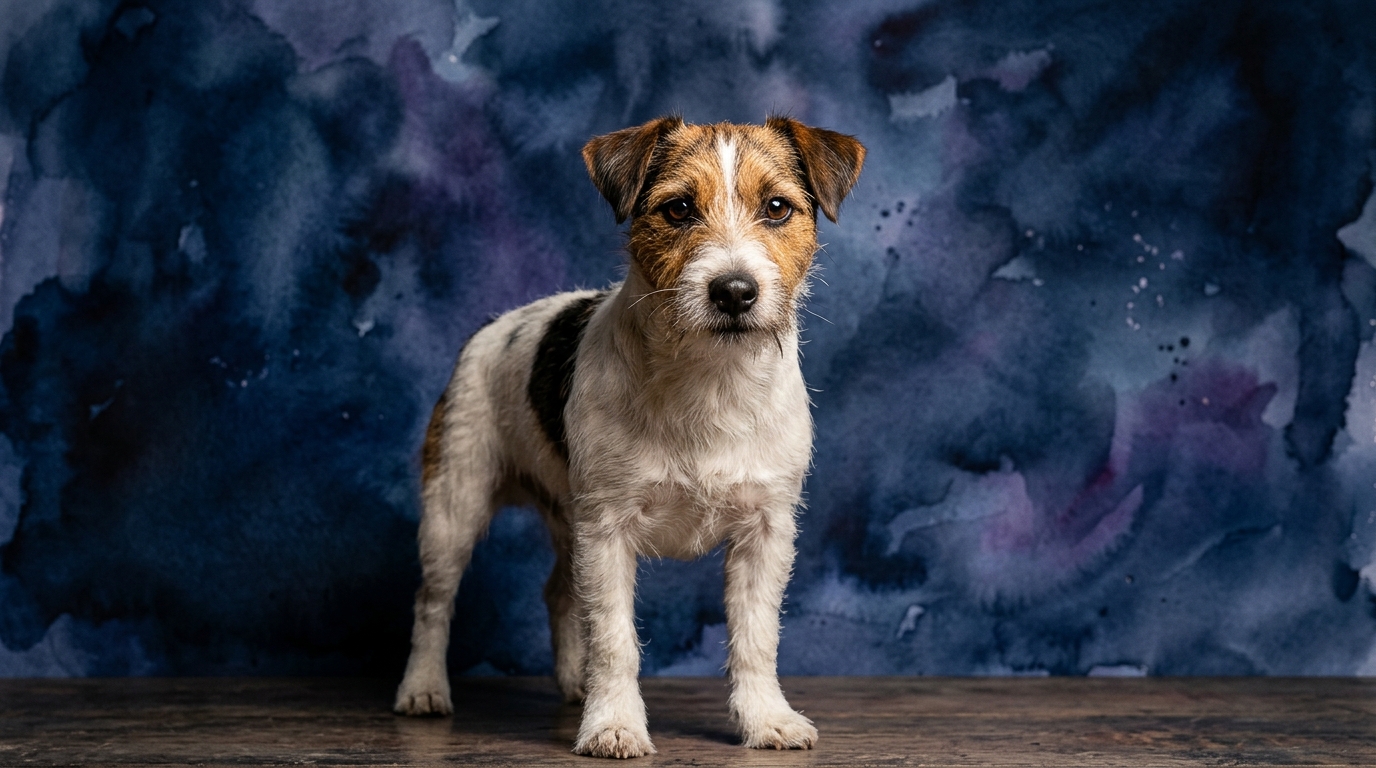
The Jack Russell Terrier, not formally ranked by Coren, exhibits a profile geared towards independent action and environmental mastery. Their Problem Solving ability is rated a formidable 5/5. These dogs possess an exceptional capacity for figuring things out, whether it involves strategizing an escape from a confined space, locating a cleverly hidden toy, or navigating complex obstacles to reach a goal. They approach mental challenges with a tenacious spirit, rarely giving up until a solution is found. Their Training Speed stands at 3/5; while capable of learning a vast array of commands and tricks, their inherent independence and high drive mean they aren't always eager to comply. Consistent, engaging, and often varied training methods are essential to maintain their focus. In Social Intelligence, they score 3/5. Jack Russell Terriers understand human cues, but their attention is frequently directed towards their own objectives or the pursuit of prey, rather than subtle social nuances or deference to human desires. Their Instinctive Drive is a powerful 5/5, manifesting as an intense urge to dig, chase, and explore. This deeply ingrained predatory behavior is a core component of their cognitive makeup, directing a significant portion of their activity and focus. Finally, their Memory is rated 4/5. They retain information effectively, particularly when it's linked to rewarding activities, successful past endeavors, or established routines, making them adept at remembering complex sequences and learned behaviors.
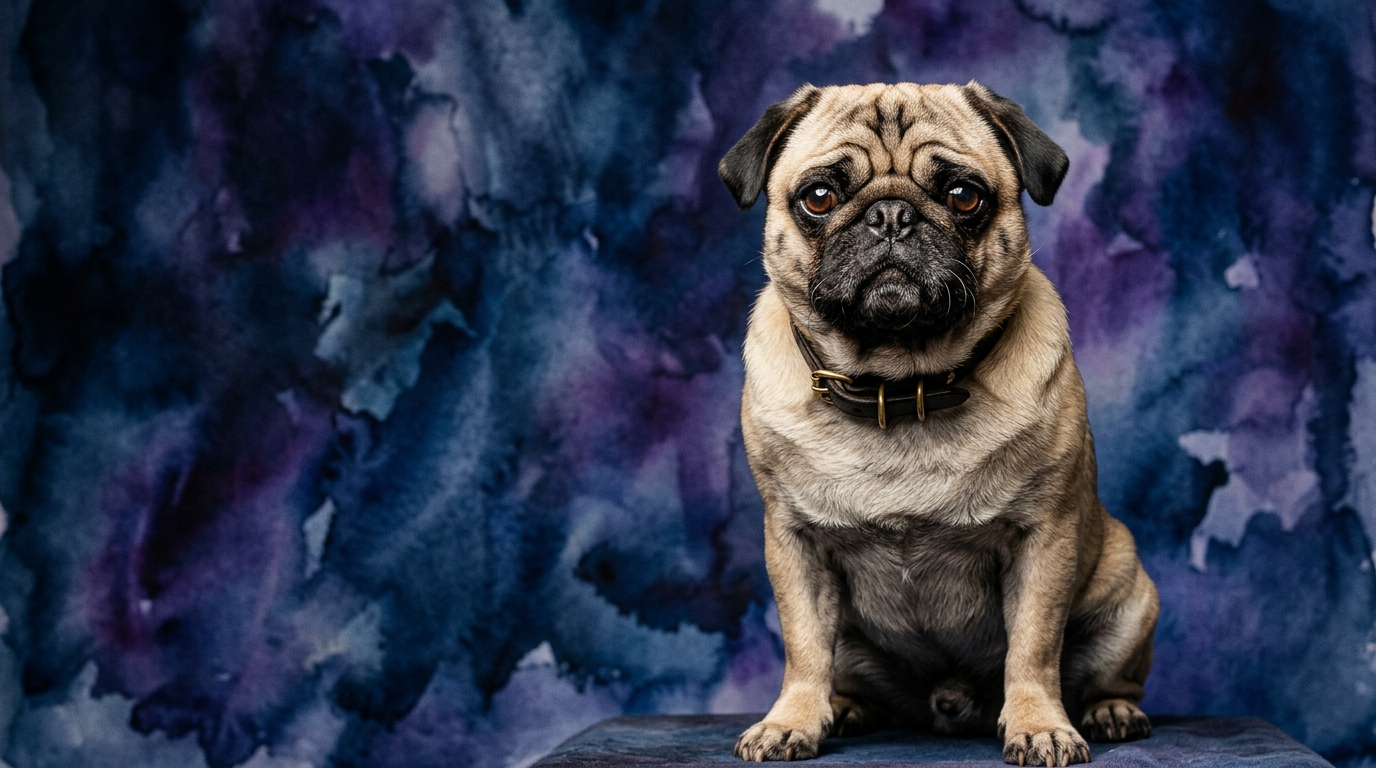
In stark contrast, the Pug, ranked #57 by Coren, presents a cognitive profile centered on companionship and comfort. Their Problem Solving ability is rated 2/5. Pugs are generally not inclined towards complex strategizing; they prefer direct, simpler solutions or, more commonly, appealing to their human companions for assistance rather than engaging in intricate puzzle-solving. Their Training Speed is also 2/5. They can be slower to pick up new commands and cues, largely due to a preference for comfort and a less intense drive to perform. Training a Pug requires considerable patience, consistency, and a wealth of positive reinforcement. Where the Pug truly shines is in Social Intelligence, earning a perfect 5/5. Their primary cognitive strength lies in their innate ability to read and respond to human emotions and social cues, excelling at forming deep, empathetic bonds and providing intuitive companionship. Their Instinctive Drive is a modest 2/5. Pugs exhibit minimal prey drive; their instincts are predominantly geared towards seeking comfort, soliciting human affection, and maintaining a cozy, predictable routine rather than engaging in hunting or strenuous physical activity. Their Memory is rated 3/5. They adequately remember familiar individuals, places, and established routines, though their recall for less reinforced or highly complex sequences might be moderate compared to more driven breeds.
Where Jack Russell Terrier Wins Cognitively
The Jack Russell Terrier's cognitive strengths are undeniably rooted in their working terrier heritage. They possess an unparalleled capacity for independent problem-solving and an unwavering tenacity that allows them to overcome obstacles others might deem insurmountable. Their 5/5 problem-solving score isn't just about intelligence; it's about a relentless drive to achieve a goal, whether it's outsmarting a squirrel or figuring out how to open a cabinet. This breed excels at tasks requiring initiative, strategic thinking, and physical prowess, often demonstrating a cleverness that can be both admirable and, at times, mischievous. Their powerful instinctive drive further fuels their cognitive victories, enabling them to focus intensely on tasks related to their innate drives, such as scent work or agility challenges, with remarkable precision and endurance.
Where Pug Wins Cognitively
Conversely, the Pug's cognitive triumphs are deeply interpersonal, centered on their exceptional social intelligence. With a perfect 5/5 in this dimension, Pugs are masters of emotional connection and understanding human behavior. They possess an uncanny ability to read subtle shifts in mood, anticipate their owner's needs for comfort, and respond with appropriate, often endearing, social gestures. This isn't about solving complex puzzles, but about navigating the intricate world of human-dog relationships with remarkable empathy and intuition. A Pug's cognitive success lies in their capacity to integrate seamlessly into a human household, becoming not just a pet, but a devoted, emotionally resonant companion whose primary focus is the well-being and happiness of their human family. Their gentle nature and desire for closeness make them exceptionally adept at forging strong, reciprocal bonds.
Which Is Easier to Train and Why
When assessing which breed is "easier to train," the answer isn't straightforward, as their challenges stem from different cognitive profiles. The Jack Russell Terrier, despite its high problem-solving ability, earns a 3/5 in training speed largely due to its independence and powerful instinctive drives. They are quick to grasp *what* you want them to do, especially if it aligns with their interests or offers a rewarding challenge, but they can be stubborn and easily distracted by environmental stimuli like scents or movement. Training a JRT requires a creative, consistent, and firm approach to channel their boundless energy and focus their drive. Without sufficient mental stimulation and clear boundaries, their intelligence can manifest as mischief or defiance.
The Pug, with a 2/5 in training speed, presents a different set of challenges. They are slower to pick up new commands and cues, not out of defiance, but due to a lower inherent drive for complex tasks and a preference for comfort. However, their high social intelligence and strong desire for human approval can be powerful motivators. Pugs respond best to gentle, consistent, positive reinforcement methods, often thriving on praise and food rewards. While they may take longer to learn a new behavior, they are generally less prone to active defiance or independent "problem-solving" that might undermine training. For a novice owner, the Pug's less demanding energy levels and greater willingness to please (once motivated) might make them *feel* easier to manage day-to-day, even if the learning process is slower. The JRT demands an owner who can outthink and out-train them, while the Pug requires patience and positive encouragement.
Which Suits Active Owners vs. Relaxed Owners
The divergence in cognitive profiles between the Jack Russell Terrier and the Pug directly impacts their suitability for different owner lifestyles. The Jack Russell Terrier, with its 5/5 instinctive drive and 5/5 problem-solving, is an ideal match for active owners. These are individuals or families who thrive on outdoor adventures, dog sports like agility, flyball, or earthdog trials, and consistent, engaging training sessions that challenge a keen mind. A JRT flourishes when given a "job" and ample opportunities to expend physical and mental energy. Owners who prefer a relaxed, sedentary lifestyle will find the JRT's constant need for stimulation overwhelming, potentially leading to destructive behaviors born of boredom.
Conversely, the Pug, with its lower instinctive drive and exceptional social intelligence, is perfectly suited for more relaxed owners. They are content with leisurely strolls, short play sessions, and, most importantly, ample time spent snuggled on the couch with their human companions. Their cognitive focus on social connection makes them superb apartment dwellers and ideal pets for individuals or families seeking a devoted, low-key presence. Owners who enjoy quiet evenings, predictable routines, and a dog whose primary goal is to be a comforting presence will find the Pug's temperament and cognitive leanings a perfect fit.
The Verdict
Choose Jack Russell Terrier if: You are an active individual or family who thrives on outdoor adventures, enjoys engaging in dog sports, and is prepared to consistently challenge a highly driven, tenacious, and independent problem-solver.
Choose Pug if: You seek a devoted, socially adept companion whose primary goal is to share your life, offer comforting snuggles, and thrive in a relaxed, indoor-centric environment with moderate exercise.
🧠 Find Your Pet's IQ Score
Our Pet IQ Lab assessment covers 25+ tests across 5 cognitive dimensions — personalized to your breed.
Take the Full IQ Test →Frequently Asked Questions
Is a Jack Russell Terrier a good choice for a first-time dog owner?
A Jack Russell Terrier can be challenging for a first-time owner due to their significant energy, strong prey drive, and need for consistent mental stimulation and training. They require an owner who is prepared for an active lifestyle and dedicated to channeling their tenacious spirit positively.
Do Pugs require a lot of exercise?
Pugs have moderate exercise needs, typically satisfied with a few short daily walks and indoor play. Their brachycephalic (short-nosed) structure means they can overheat easily, so strenuous exercise, especially in warm weather, should be avoided.
How do these breeds compare in terms of adaptability to different living environments?
Pugs are generally highly adaptable to apartment living due to their smaller size and lower energy levels, thriving indoors with their human companions. Jack Russell Terriers, while small, require ample space and mental engagement, often benefiting from a secure yard and an active outdoor lifestyle to prevent boredom.