Side-by-Side Cognitive Profiles: Decoding Terrier Minds
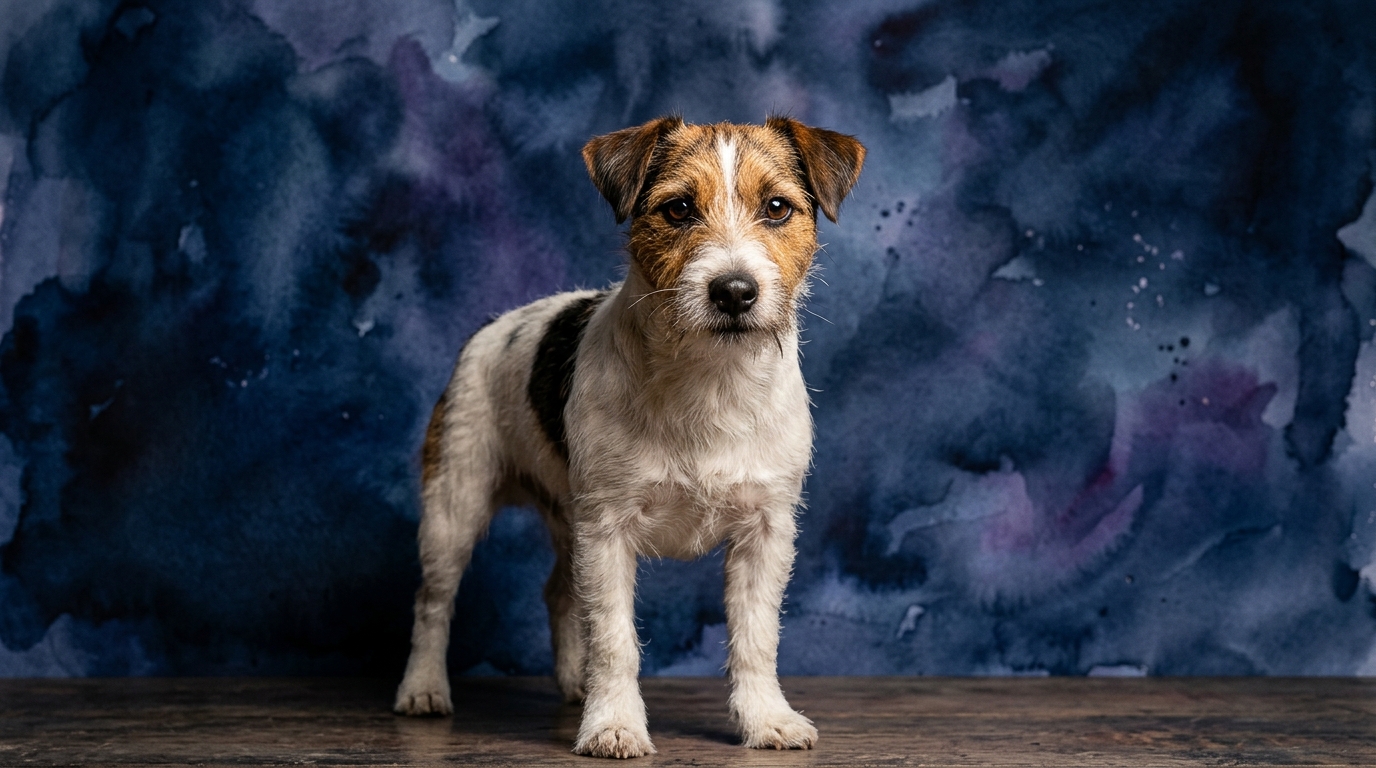
At The Cosmic Pet Pet IQ Lab, we analyze canine cognition across five crucial dimensions, revealing the unique mental landscape of each breed. For the Jack Russell Terrier, we observe a formidable Problem Solving score of 5/5, indicating an exceptional capacity for navigating complex challenges and devising creative solutions. Their Training Speed registers at 3/5, suggesting they grasp commands at a moderate pace, often balanced by their independent streak. Social Intelligence for the Jack Russell sits at 3/5, meaning they are capable of forming strong bonds but might also display a self-directed nature. Their Instinctive Drive is a powerful 5/5, underscoring an intense, persistent urge to hunt and explore, while their Memory is a solid 4/5, enabling them to retain experiences and learned behaviors effectively.
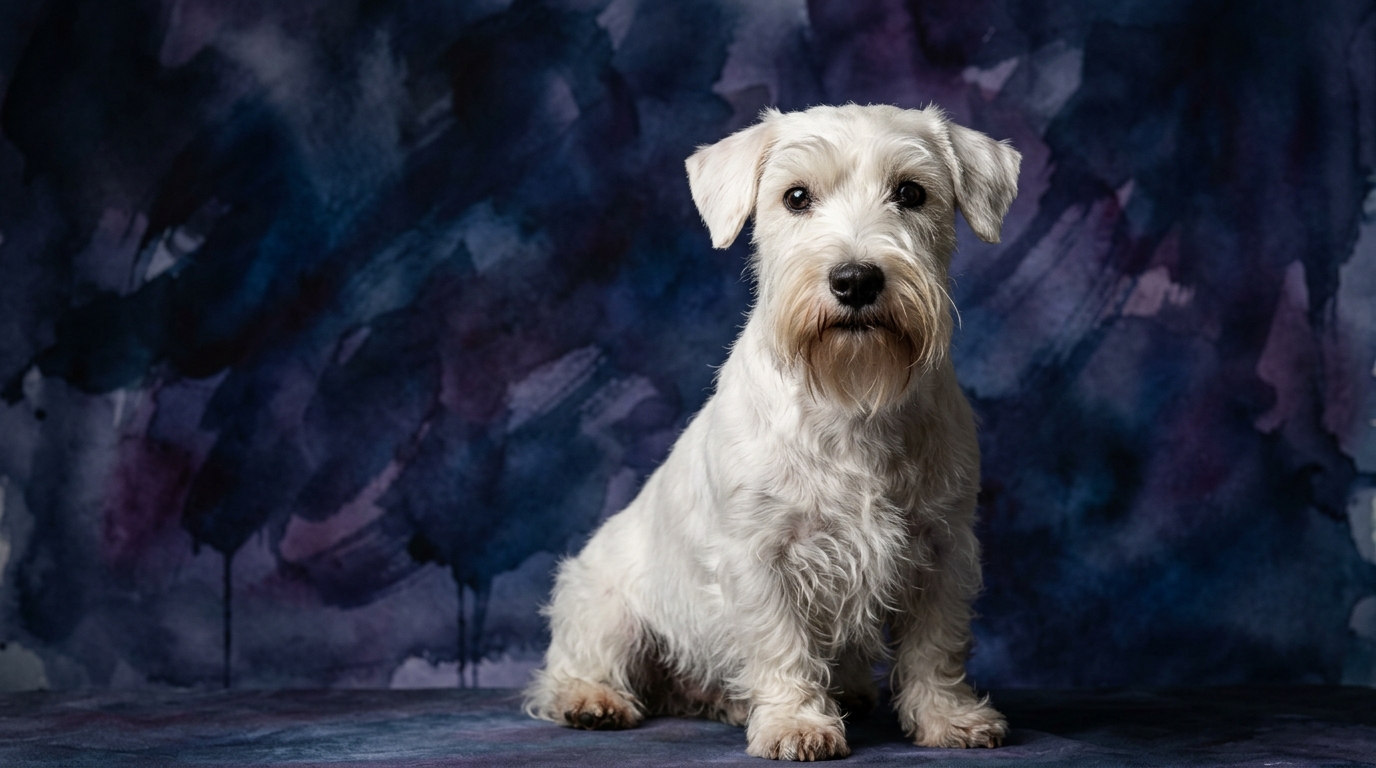
The Sealyham Terrier presents a more uniformly balanced cognitive profile. Their Problem Solving score is 3/5, indicating a competent ability to tackle straightforward issues, though they might require more guidance for intricate tasks. Training Speed aligns with the Jack Russell at 3/5, showing a similar moderate pace for learning new skills. Social Intelligence also stands at 3/5, suggesting they are amiable companions who can connect well with their human families, yet retain a certain terrier independence. Their Instinctive Drive is rated at 3/5, a noticeable difference from the Jack Russell, reflecting a present but more manageable prey drive. Finally, their Memory is also 3/5, meaning they remember core commands and routines but perhaps with less detailed recall than their Jack Russell counterparts.
Where Jack Russell Terriers Excel Cognitively
The Jack Russell Terrier clearly holds a cognitive edge in two primary areas: problem-solving and instinctive drive. Their 5/5 Problem Solving score means they aren't just reacting to situations; they're actively strategizing. This manifests in their remarkable ability to figure out how to open gates, escape enclosures, or locate hidden toys with impressive ingenuity. They possess a mental agility that allows them to quickly assess their environment and formulate a plan to achieve their objectives, whether that's retrieving a squirrel from a tree or finding the specific treat bag in the pantry.
Coupled with this is their unparalleled Instinctive Drive, also rated 5/5. This isn't merely about chasing; it's about a profound, unwavering focus on their objective. A Jack Russell will tirelessly work to unearth a scent, navigate obstacles to reach a perceived 'prey,' or dedicate themselves to a task with singular purpose. This combination of high problem-solving and intense drive makes them exceptionally persistent and resourceful, capable of overcoming significant challenges that would deter many other breeds. They operate with a clear, self-directed agenda, leveraging their cognitive tools to achieve their primal goals.
Where Sealyham Terriers Offer Unique Cognitive Advantages
While the Sealyham Terrier's individual scores might appear lower than the Jack Russell's in some metrics, their cognitive advantages lie in their balance and predictability, particularly concerning instinctive drive and overall mental demands. Their 3/5 Instinctive Drive means they possess the terrier spark but generally exhibit less extreme fixation on prey or digging compared to the Jack Russell. This translates to a dog that is less likely to become obsessively tunnel-visioned on a scent or a perceived quarry, making them potentially calmer and more manageable in everyday home environments.
Furthermore, their consistent 3/5 scores across Problem Solving, Social Intelligence, and Memory suggest a more moderate and agreeable cognitive temperament. A Sealyham is capable of learning and adapting, but without the intense, often self-directed mental energy that can lead a Jack Russell to constantly seek out or create 'problems' to solve. This means a Sealyham is less inclined to outwit their owner or devise elaborate schemes, offering a more straightforward and less demanding cognitive partnership. Their intelligence is practical and grounded, making them excellent companions for those who appreciate competence without extreme mental gymnastics.
Training Dynamics: Jack Russell vs. Sealyham
Both breeds share a 3/5 Training Speed, indicating they learn at a moderate pace. However, the *ease* of training diverges significantly due to their other cognitive traits. A Jack Russell Terrier's 5/5 Instinctive Drive and 5/5 Problem Solving can make training a more intricate dance. While they quickly grasp what you want, their strong independent will and deep-seated drives often mean they'll weigh your request against their own impulses. If a squirrel appears or a compelling scent emerges, their focus can instantly redirect, making consistent obedience a continuous effort against their natural inclinations. You're not just teaching commands; you're often negotiating with a highly motivated, self-thinking individual.
In contrast, the Sealyham Terrier, with its 3/5 Instinctive Drive, typically presents fewer internal distractions during training sessions. While they learn at the same pace, their lower drive means they are less likely to abandon a learned command for an irresistible chase. Their problem-solving, while competent, isn't typically geared towards outsmarting their handler, making them generally more compliant and focused on the task at hand. Training a Sealyham often feels more like a partnership where the dog is genuinely engaged in learning what you want, rather than constantly evaluating whether their own agenda is more compelling. The challenge isn't their capacity to learn, but their willingness to apply it consistently when faced with external temptations.
Owner Suitability: Active Engagement vs. Calm Companionship
The Jack Russell Terrier's cognitive profile makes them an ideal match for active, highly engaged owners. Their 5/5 Problem Solving and 5/5 Instinctive Drive demand constant mental and physical outlets. An owner who thrives on outdoor adventures, intricate training games, agility sports, or even earthdog trials will find a Jack Russell an eager and capable partner. They require consistent stimulation to prevent boredom, which, for a breed with such high cognitive and physical energy, can lead to destructive behaviors like excessive digging or chewing. Their ideal owner isn't just physically active but also enjoys providing complex mental challenges to keep their sharp mind occupied.
The Sealyham Terrier, with its more moderate 3/5 scores across many cognitive dimensions, is better suited for owners seeking a companion that is engaged but less intensely demanding. While they still enjoy walks and playtime, their lower instinctive drive and problem-solving intensity mean they are generally content with a more relaxed pace of life. They appreciate companionship and moderate activity, fitting well into a home that offers regular, but not extreme, mental and physical stimulation. An owner who enjoys a pleasant stroll, some garden exploration, and quiet evenings will find the Sealyham's balanced temperament and cognitive needs a harmonious match, providing loyalty without the constant need for redirection or high-octane engagement.
The Verdict
Choose a Jack Russell Terrier if you're an active, experienced owner ready to channel intense problem-solving skills and formidable drive into structured activities like sports or complex training.
Opt for a Sealyham Terrier if you seek a balanced, moderately active companion with a more manageable drive, offering consistent companionship without requiring constant, high-level mental engagement.
🧠 Find Your Pet's IQ Score
Our Pet IQ Lab assessment covers 25+ tests across 5 cognitive dimensions — personalized to your breed.
Take the Full IQ Test →Frequently Asked Questions
Which breed is better for first-time dog owners?
Given their intense drive and problem-solving abilities, Jack Russell Terriers can be challenging for first-time owners who might struggle to meet their high demands. A Sealyham Terrier's more balanced and manageable cognitive profile generally makes them a more forgiving and suitable choice for novices.
Do these breeds get along with other pets?
The Jack Russell's 5/5 instinctive drive means they have a very strong prey drive, which can make coexisting with smaller pets like cats or rodents challenging without careful, early socialization. Sealyham Terriers, with a 3/5 instinctive drive, can often coexist more peaceably with other household pets, though individual temperament and early introductions are always key.
Which breed is more prone to barking?
Both terriers can be vocal, but their reasons might differ. Jack Russells might bark more due to their high alertness and strong drive, reacting to perceived threats or novel stimuli. Sealyhams can also bark as an alert, but generally less intensely or persistently than a Jack Russell, reflecting their overall more moderate energy levels.