A Side-by-Side Look at Their Cognitive Profiles
The Cosmic Pet Pet IQ Lab offers a structured framework for evaluating canine intelligence across five critical dimensions: Problem Solving, Training Speed, Social Intelligence, Instinctive Drive, and Memory. While both the Jack Russell Terrier and the Skye Terrier belong to the tenacious terrier group, their individual scores paint a vivid picture of their contrasting cognitive strengths and approaches to the world.
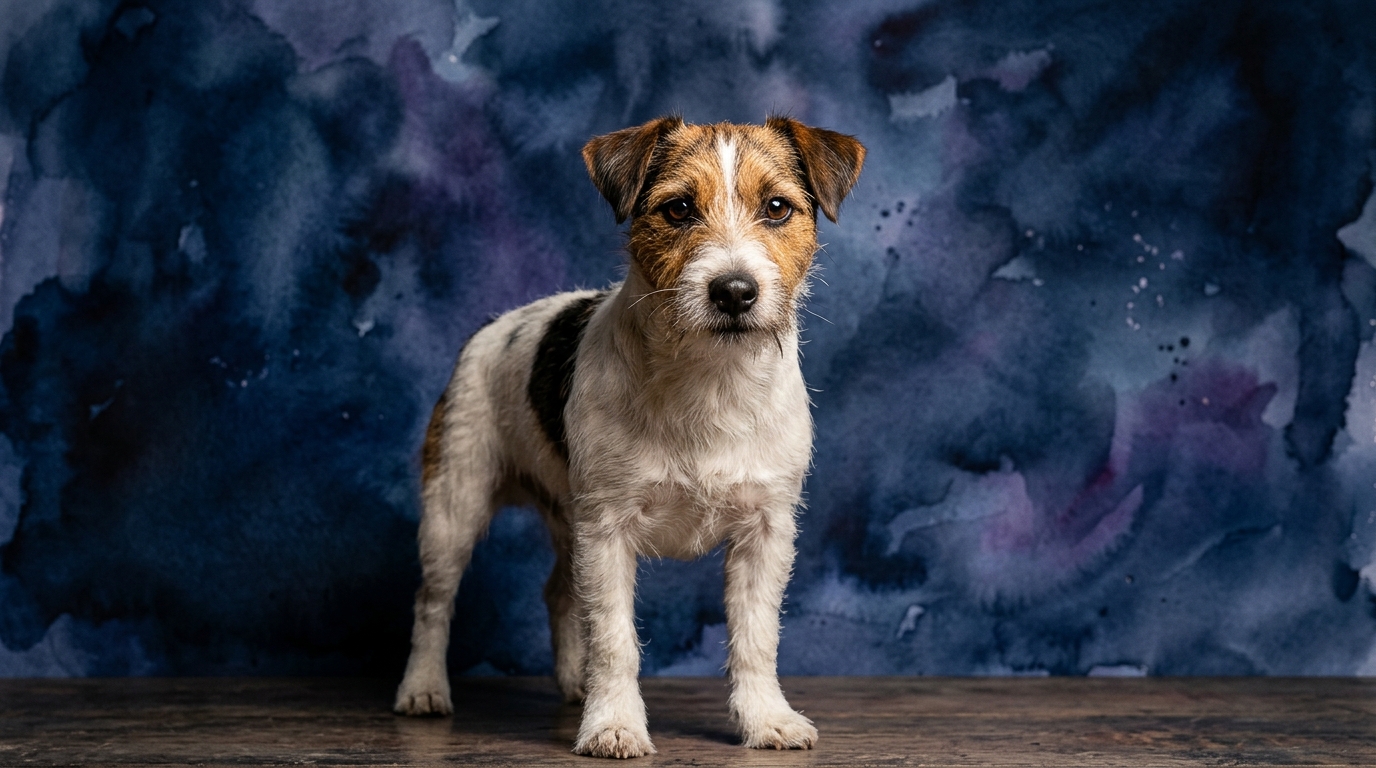
For the Jack Russell Terrier, problem-solving ability stands at an exceptional 5/5. This suggests a dog that is not only quick to assess novel situations but also highly adept at devising ingenious, often independent, solutions to challenges. Their training speed is rated 3/5, indicating an average pace for learning new commands, but this can be influenced by their strong will. Social intelligence also sits at 3/5, meaning they are capable of reading cues but often prioritize their own agenda. Their instinctive drive is a robust 5/5, reflecting a powerful innate urge to hunt, chase, and explore. Finally, memory for the Jack Russell is strong at 4/5, enabling them to retain complex information and past experiences.
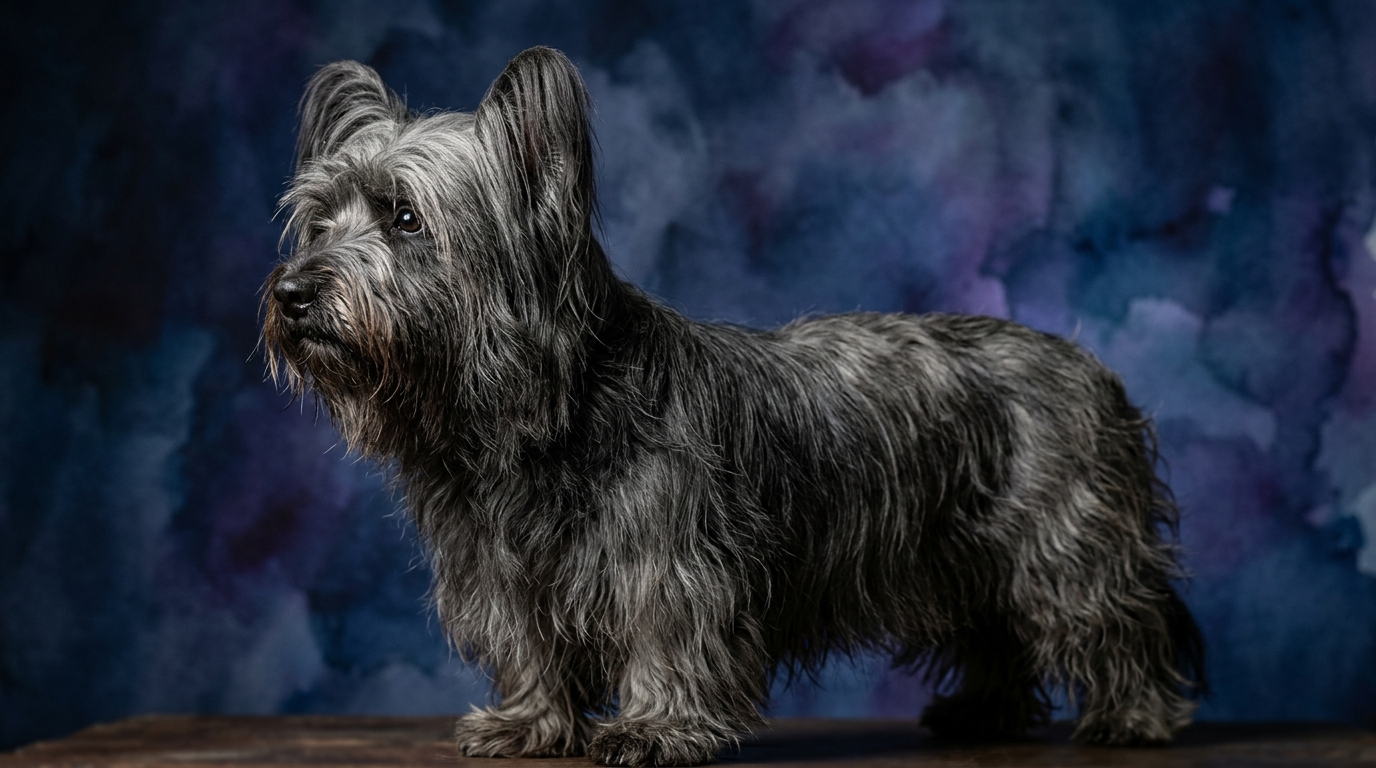
In contrast, the Skye Terrier’s cognitive profile leans towards a more measured, perhaps less independently driven, approach. Their problem-solving ability scores 3/5, indicating a capacity to learn established solutions and routines, but a lesser inclination for spontaneous, creative problem-solving compared to the Jack Russell. Training speed for the Skye also registers at 3/5, mirroring the Jack Russell’s average learning pace, though their application of learned behaviors may differ. Social intelligence is likewise 3/5, signifying their capacity for connection but often with a reserved, dignified demeanor. The Skye’s instinctive drive is a more moderate 3/5, present but less overwhelmingly intense than their Jack Russell counterpart. Their memory is rated 3/5, suggesting a reliable recall for familiar commands and routines, without the same depth for intricate sequences.
These scores highlight that while both are terriers, their internal processing and behavioral predispositions are quite distinct. The Jack Russell often displays a more active, investigative, and self-directed mind, constantly seeking engagement and challenge. The Skye, conversely, tends towards a more contemplative, steady intelligence, valuing routine and demonstrating a strong, loyal bond once formed, albeit with a reserved independence.
Where the Jack Russell Terrier Wins Cognitively
The Jack Russell Terrier’s cognitive strengths are undeniable, particularly in areas demanding independent thought and tenacious pursuit. Their impressive 5/5 problem-solving score means they excel at navigating complex environments, figuring out how to open gates, retrieve hidden toys, or even outsmart their human companions. This makes them incredibly engaging for owners who enjoy a dog that actively participates in solving puzzles and thrives on mental stimulation, like advanced obedience or agility courses where quick, adaptive thinking is rewarded. They don't just follow instructions; they often analyze and strategize.
Coupled with their 5/5 instinctive drive, Jack Russells possess an almost boundless motivation for tasks that tap into their innate prey drive or desire for exploration. This powerful drive, when properly channeled, allows them to excel in activities such as earthdog trials, scent work, or extended fetch sessions, where their focus and determination are unparalleled. It’s this profound internal engine that fuels their relentless energy and their ability to stay on task for extended periods, making them formidable partners in any activity they deem worthwhile. Their drive isn't just about energy; it's about a deep-seated purpose that guides their actions.
Their 4/5 memory further supports these strengths, allowing them to recall complex sequences of commands, remember the location of favorite toys, or learn intricate routes during walks. This robust memory helps them build upon past experiences, refining their problem-solving techniques and improving their performance in learned tasks. A Jack Russell will remember not just a command, but also the specific context in which it was given, and the outcomes of their previous attempts at various challenges, making them effective learners in a dynamic environment.
Where the Skye Terrier Wins Cognitively
While the Skye Terrier’s IQ scores may not reach the peak levels of the Jack Russell in certain dimensions, their unique cognitive profile offers distinct advantages that translate into a different, yet equally rewarding, companionship. The Skye's more moderate 3/5 instinctive drive, for instance, is a significant cognitive 'win' for owners seeking a terrier with less overwhelming demands. They still possess that inherent terrier spirit, but it manifests in a more contained and manageable way, leading to less incessant digging, barking, or impulsive chasing of every squirrel. This allows for a calmer household dynamic and a dog that is generally less prone to self-entertaining in destructive ways.
Their 3/5 problem-solving score, while lower than the Jack Russell's, means they are less inclined to constantly test boundaries or invent new ways to get into mischief. Skye Terriers are typically content with established routines and less likely to engage in the clever, often mischievous, independent thinking that can challenge an owner’s authority or patience. This predictability can be a huge advantage for owners who prefer a dog that is generally straightforward and less inclined to outwit them, fostering a sense of calm and order in the home without constant vigilance against their dog's ingenuity.
The Skye’s 3/5 memory and training speed, combined with their moderate drive, contribute to a steady and reliable learning process. What a Skye Terrier learns, they tend to retain consistently, and their less intense independent streak means they are more likely to apply learned behaviors reliably without the Jack Russell’s potential for selective obedience based on momentary distractions or personal preference. This leads to a highly dependable and trustworthy companion for owners who value consistent adherence to rules and a predictable response to commands, building a strong foundation of mutual understanding over time rather than relying on rapid innovation.
Which is Easier to Train and Why
Both the Jack Russell Terrier and the Skye Terrier share a 3/5 rating for training speed, suggesting an average pace for grasping new commands. However, the *experience* of training these two breeds differs considerably due to their other cognitive dimensions. Training a Jack Russell, despite their quick problem-solving (5/5), can be an exercise in patience and consistency. They may understand exactly what you want them to do almost instantly, but their formidable instinctive drive (5/5) and independent nature mean they will often weigh whether following your command aligns with their current interests or instincts. They are not merely learning commands; they are learning how to negotiate and, at times, how to politely or impolitely decline. Their strong memory (4/5) means they'll remember if a certain behavior got them a reward, but also if it allowed them to get away with something. Owners must be prepared for a dog that learns quickly but also quickly learns how to exploit loopholes, requiring creative, engaging, and highly consistent training methods to channel their powerful will and intellect.
The Skye Terrier, with its 3/5 problem-solving and 3/5 instinctive drive, often presents a different training dynamic. While they might take more repetitions to initially grasp a new command, their more moderate drive and less independent problem-solving mean they are generally more amenable to following established patterns once learned. They are less likely to actively challenge an instruction or be constantly pulled away by an overwhelming instinct to chase or dig. Training a Skye is more about patient, positive reinforcement and building a strong, trusting bond. They thrive on routine and consistency, and once a behavior is ingrained, their reliable memory (3/5) ensures it sticks. While they may not offer the lightning-fast, intuitive understanding of a Jack Russell, their steady adherence to learned behaviors often makes them a more predictable and less frustrating training partner for many owners, especially those new to terrier ownership.
Which Suits Active Owners vs. Relaxed Owners
The choice between a Jack Russell Terrier and a Skye Terrier hinges significantly on an owner's lifestyle and energy levels. For active owners, the Jack Russell Terrier is an ideal match. Their immense instinctive drive (5/5) and boundless energy demand significant daily physical and mental exertion. They thrive with owners who enjoy structured activities like agility, earthdog trials, extensive hiking, or long, vigorous play sessions that challenge both their bodies and their sharp minds. An owner who can consistently engage their Jack Russell's 5/5 problem-solving abilities with puzzles, training challenges, and varied experiences will find a highly rewarding and devoted companion. Without sufficient outlets, their ingenuity and drive can lead to boredom and undesirable behaviors.
Conversely, the Skye Terrier is generally better suited for more relaxed owners. While still a terrier with inherent needs for exercise and mental stimulation, their more moderate instinctive drive (3/5) and energy levels mean they are content with a less intense daily routine. They appreciate regular walks and opportunities for play, but they are typically not demanding the relentless activity of a Jack Russell. A Skye will happily join their family for a stroll around the neighborhood or a leisurely afternoon in the yard, and then settle down contentedly indoors. Their lower problem-solving score means they are less likely to invent their own entertainment if left unstimulated for short periods, making them a more manageable and predictable companion for those who prefer a calmer, more dignified presence in their home.
The Verdict
Choose the Jack Russell Terrier if you seek an intensely engaged, intellectually stimulating companion who thrives on challenge, activity, and a partner in problem-solving, and you are prepared to consistently channel their powerful drive and independent spirit.
Opt for the Skye Terrier if you desire a loyal, steadfast terrier who offers a calmer, more dignified presence, enjoys routine, and is generally more predictable and less intensely driven, fitting well into a moderately active home that values quiet companionship.
🧠 Find Your Pet's IQ Score
Our Pet IQ Lab assessment covers 25+ tests across 5 cognitive dimensions — personalized to your breed.
Take the Full IQ Test →Frequently Asked Questions
Are Jack Russell Terriers good family dogs?
Jack Russell Terriers can be good family dogs for active households that understand their intense needs. Their high energy, problem-solving abilities, and strong prey drive require consistent training, socialization, and ample mental and physical engagement, which can be challenging with very young children but rewarding for dedicated families.
Do Skye Terriers shed a lot?
Skye Terriers do shed, but their long, dense double coat requires regular grooming to prevent matting and keep shedding manageable. Brushing several times a week is typically recommended to remove loose hair and maintain the coat's health and appearance, making their shedding less noticeable than some other breeds.
What's the main difference in temperament between these two breeds?
The Jack Russell Terrier typically exhibits a high-energy, intensely driven, and highly independent problem-solver temperament, constantly seeking action and mental challenges. In contrast, the Skye Terrier is generally more reserved, dignified, and possesses a more moderate, though still present, terrier drive, preferring a calmer routine and forming deep, loyal bonds with their family.