
Side-by-Side IQ Profile
At The Cosmic Pet Pet IQ Lab, we evaluate canine cognition across five key dimensions. The Jack Russell Terrier (JRT) demonstrates exceptional Problem Solving (5/5), an average Training Speed (3/5), moderate Social Intelligence (3/5), an exceptionally high Instinctive Drive (5/5), and strong Memory (4/5). This profile paints a picture of a sharp, independent thinker driven by powerful primal urges. Its high problem-solving means it excels at figuring things out, whether it's opening latches or strategizing to get what it wants. Its intense instinctive drive manifests as a relentless pursuit of scents, digging, and exploration. A strong memory allows it to recall complex sequences or past successful strategies effectively.
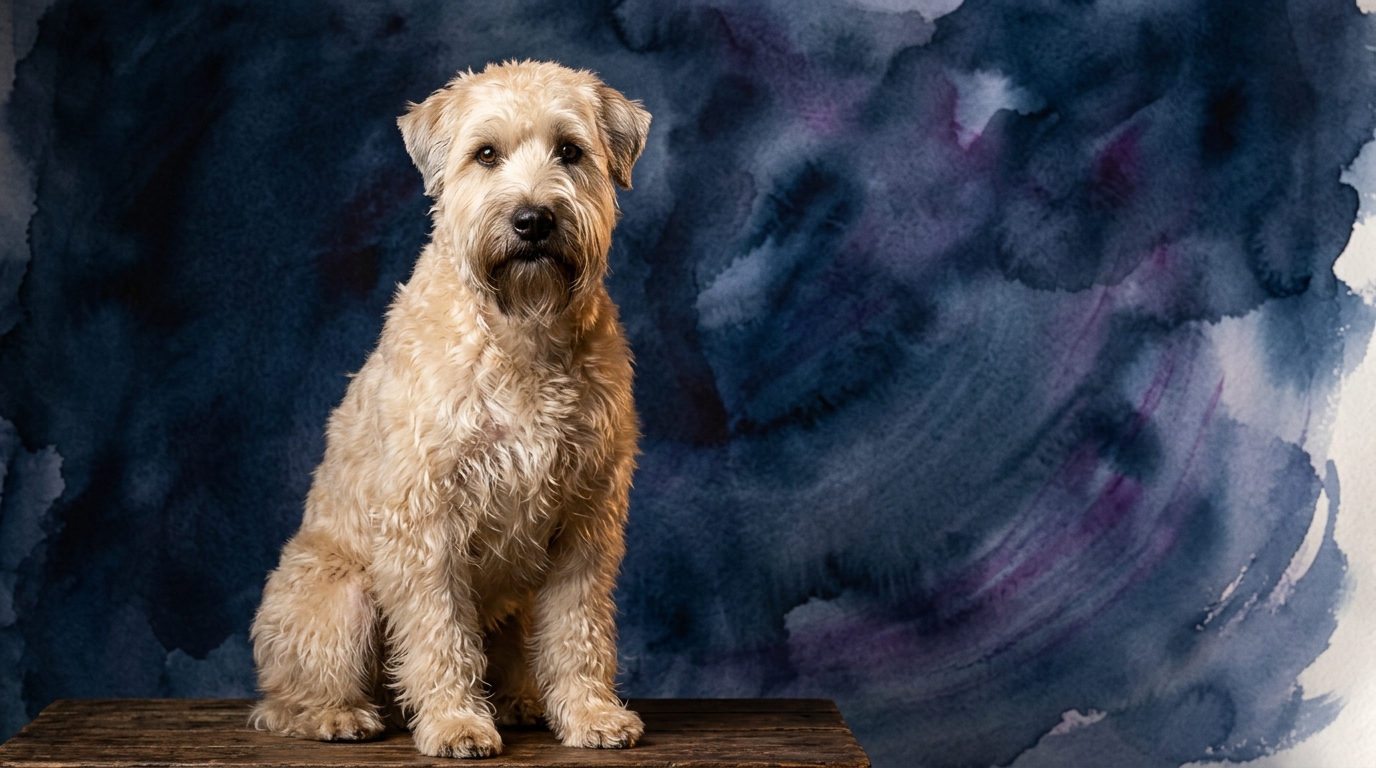
In contrast, the Soft Coated Wheaten Terrier (SCWT) presents a more balanced cognitive landscape with moderate scores across the board: Problem Solving (3/5), Training Speed (3/5), Social Intelligence (3/5), Instinctive Drive (3/5), and Memory (3/5). This balance suggests a dog that is generally capable but not prone to extremes in any single cognitive area. Its moderate problem-solving indicates it can tackle straightforward challenges without constantly trying to outsmart its environment. A moderate instinctive drive means it has natural urges for chasing or exploring, but typically without the relentless persistence of a JRT. Similarly, its consistent memory and social intelligence mean it retains information and interacts predictably, forming strong bonds without being overly complex in its social cues.
Where Jack Russell Terrier Wins Cognitively
The Jack Russell Terrier truly shines in its exceptional Problem Solving (5/5), its formidable Instinctive Drive (5/5), and its robust Memory (4/5). This breed's ability to logically navigate complex situations, such as finding creative ways to access forbidden areas or learning intricate agility courses, is remarkable. This cognitive prowess, while impressive, requires consistent mental enrichment to prevent it from being applied to unwanted behaviors. Its powerful instinctive drive, rated 5/5, is a force of nature, making it incredibly persistent in pursuits like scent tracking, digging for perceived prey, or chasing small animals. This deep-seated drive means a JRT will often 'think' with its nose and instincts, making it a formidable partner for earthdog trials or scent work. Furthermore, its 4/5 memory allows it to retain complex sequences, remember locations of hidden toys, or recall past successful strategies for obtaining rewards, contributing to its independence and cunning.
Where Soft Coated Wheaten Terrier Wins Cognitively
The Soft Coated Wheaten Terrier's cognitive profile, while not marked by extreme scores, presents a balanced and often more manageable set of attributes for many households. Its moderate problem-solving (3/5) means it's less likely to be constantly devising ways to outsmart its environment or owner, leading to a generally more predictable home life. Unlike the JRT's intense 5/5 instinctive drive, the Wheaten's 3/5 drive makes it less prone to relentless prey pursuit or obsessive digging, meaning fewer torn-up gardens or unexpected escapes. This moderation allows for a more relaxed integration into family routines without the constant need to redirect powerful primal urges. Similarly, its consistent 3/5 memory, while not photographic, reliably retains essential commands and household rules, contributing to its reputation as an amiable and generally well-behaved companion without the cunning recall a JRT might use for mischief.
Which Is Easier to Train and Why
Despite both breeds scoring a 3/5 in Training Speed, the practical experience of training them can differ significantly due to their other cognitive traits. A Jack Russell Terrier's exceptional problem-solving (5/5) and intense instinctive drive (5/5) often translate into an independent and strong-willed learner. While it can grasp commands at an average pace, its internal motivations and drive to explore or chase can frequently override the desire to comply, especially if a more 'interesting' distraction arises. Training a JRT requires immense consistency, patience, and creative engagement to harness its sharp mind and channel its drives positively, often feeling like a continuous negotiation rather than straightforward instruction.
In contrast, the Soft Coated Wheaten Terrier, with its moderate problem-solving (3/5) and instinctive drive (3/5), tends to be a more cooperative student. While it learns at a similar pace, its less intense internal world means fewer strong competing urges, allowing it to focus more readily on the task at hand. Wheatens generally respond well to positive reinforcement and appreciate engaging with their owners, making the training process feel more collaborative and less like a battle of wills, even if the actual speed of learning is comparable.
Which Suits Active Owners vs Relaxed Owners
For owners seeking an active, engaging, and mentally stimulating companion, the Jack Russell Terrier is an ideal match. Its 5/5 problem-solving and 5/5 instinctive drive demand constant mental and physical engagement; without it, these dogs can become bored, destructive, or develop undesirable habits as they invent their own 'jobs.' They thrive with owners who enjoy structured activities like agility, earthdog trials, extensive hiking, or complex puzzle toys that challenge their keen minds and satisfy their drive.
Conversely, the Soft Coated Wheaten Terrier's more balanced cognitive profile, with 3/5 in problem-solving and instinctive drive, makes it adaptable to a wider range of lifestyles, including those of more relaxed owners. While still requiring regular exercise and mental engagement, a Wheaten is generally less demanding in its need for high-intensity activity. They are content with daily walks, playtime in the yard, and being an integral part of family life, making them suitable for owners who appreciate a playful companion but don't necessarily want a dog that constantly seeks out a 'mission.'
The Verdict
Choose a Jack Russell Terrier if you thrive on challenge, adore a sharp, independent mind, and are ready to dedicate significant time to rigorous training and mental stimulation.
Opt for a Soft Coated Wheaten Terrier if you seek an amiable, cooperative companion with a balanced energy level and a generally more predictable temperament for family life.
🧠 Find Your Pet's IQ Score
Our Pet IQ Lab assessment covers 25+ tests across 5 cognitive dimensions — personalized to your breed.
Take the Full IQ Test →Frequently Asked Questions
Are Jack Russell Terriers difficult to live with due to their high cognitive abilities?
Jack Russell Terriers possess exceptional problem-solving skills and intense instinctive drives, making them highly capable but also demanding. Their cognitive prowess requires consistent mental engagement and dedicated training to channel their energy and prevent them from devising their own, potentially mischievous, activities. They thrive in environments where their sharp minds are consistently challenged.
Do Soft Coated Wheaten Terriers require less exercise than Jack Russells?
While both breeds need regular exercise, Soft Coated Wheaten Terriers generally have a more moderate instinctive drive and energy level compared to the high-octane Jack Russell. Wheatens are content with daily walks and playtime, whereas JRTs often require more intense and varied physical and mental activities to stay content and well-behaved.
How do their social intelligence scores impact interactions with children or other pets?
Both breeds score 3/5 in social intelligence, suggesting they are capable of forming bonds but may not always be the most nuanced communicators. A Jack Russell's strong instinctive drive means supervision is crucial around smaller pets. Wheatens, with their generally more even temperament, tend to be amicable family dogs, but early socialization is still key for harmonious interactions with children and other animals.