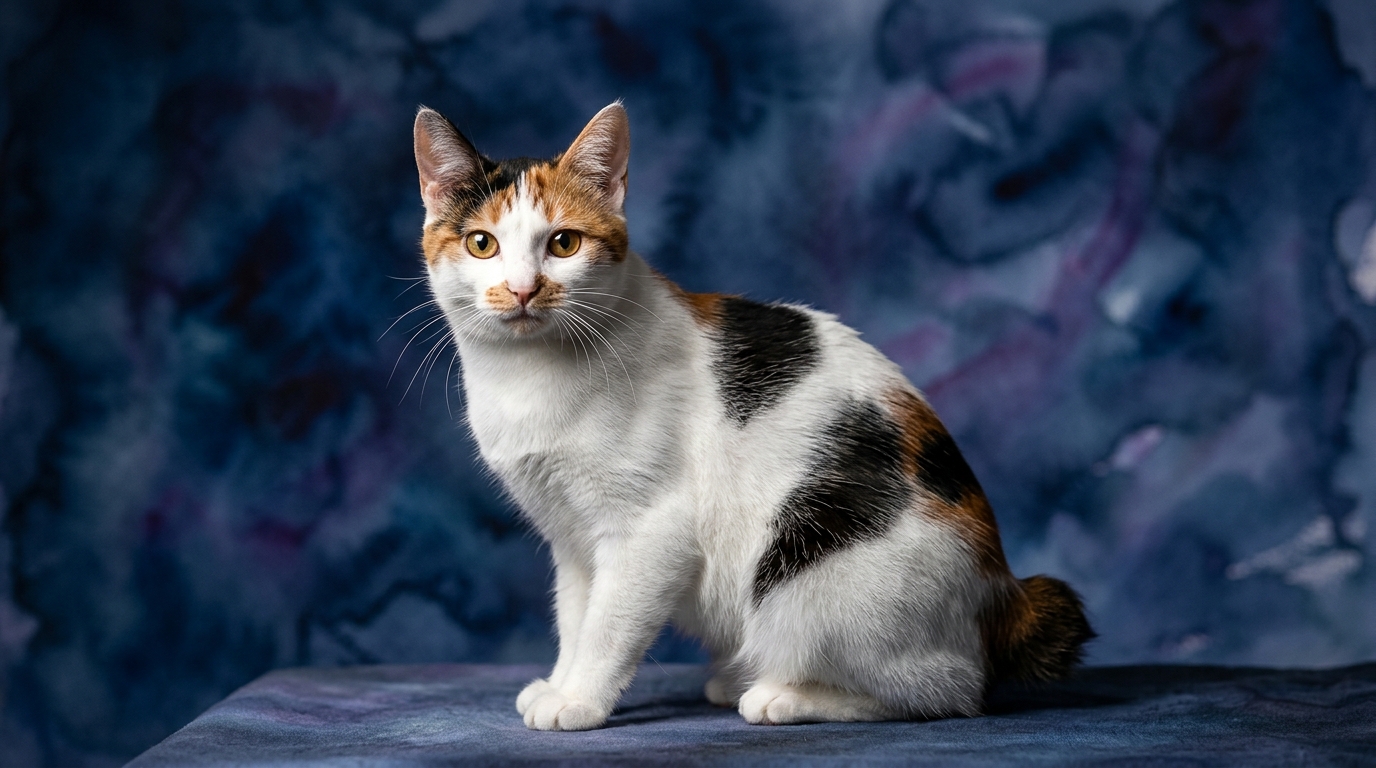
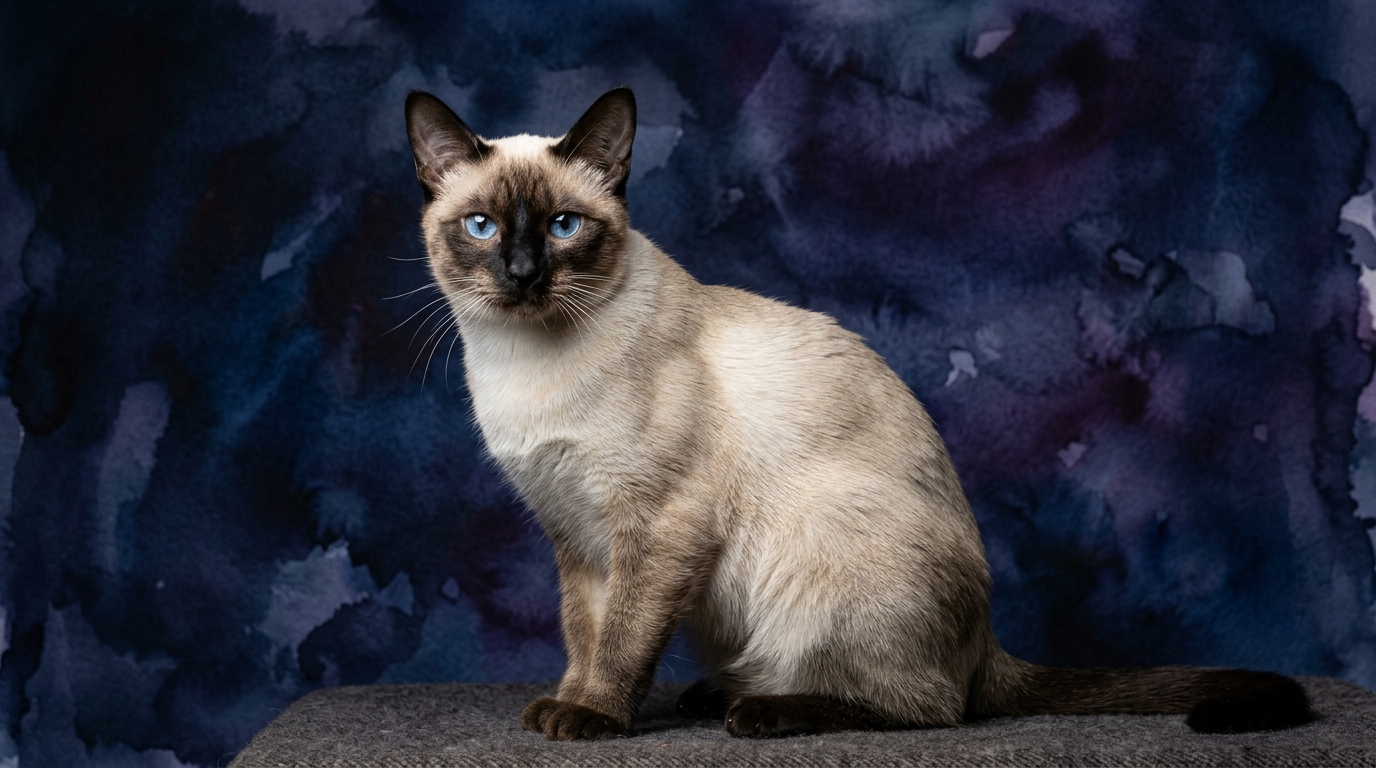
Side-by-Side IQ Profile: Unpacking Similar Scores
While both the Japanese Bobtail and the Colorpoint Shorthair register a consistent 3 out of 5 across all five cognitive dimensions in The Cosmic Pet Pet IQ Lab, it's crucial to understand that these scores represent a moderate capacity for each trait, expressed through their distinct breed personalities. A 3/5 isn't a ceiling but rather a baseline from which their individual temperaments shape their cognitive expression.
**Problem Solving (3/5):** Both breeds demonstrate an average capacity for navigating challenges and devising solutions. The Japanese Bobtail often approaches problems with a curious, exploratory attitude, using its agile body and keen observation to figure out how to open a cabinet or retrieve a hidden toy. The Colorpoint Shorthair, on the other hand, might employ its vocal prowess and persistent nature to communicate its needs or desires, effectively 'solving' the problem of getting human attention or access to a coveted item.
**Training Speed (3/5):** Both felines possess a moderate aptitude for learning and retaining commands or tricks. A Japanese Bobtail's playful and interactive nature makes it responsive to positive reinforcement, often picking up fetch or leash training with enthusiasm, treating it as an engaging game. The Colorpoint Shorthair, while equally capable of learning, can be more opinionated; its learning speed is often tied to its motivation and the perceived benefit, making it quick to grasp things that serve its interests, but potentially more selective in its cooperation.
**Social Intelligence (3/5):** This dimension reflects their ability to understand and interact within social structures. The Japanese Bobtail displays a well-rounded social awareness, often adapting comfortably to various family members and even other pets, forming affectionate but generally balanced bonds. The Colorpoint Shorthair exhibits a profound, intense social intelligence, often forming exceptionally deep, almost dog-like attachments to one or two primary caregivers, and communicating its needs and desires with remarkable clarity and persistence.
**Instinctive Drive (3/5):** This score indicates a moderate level of natural predatory and exploratory instincts. The Japanese Bobtail expresses its instinctive drive through active play that mimics hunting, such as chasing laser pointers or pouncing on toys, satisfying its natural urges in a focused yet manageable manner. The Colorpoint Shorthair's drive, while numerically similar, often manifests with greater intensity; their strong prey drive and need for mental engagement mean they require consistent stimulation to prevent boredom and channel their energy constructively.
**Memory (3/5):** Both breeds show a good capacity for recall, remembering routines, individuals, and learned experiences. A Japanese Bobtail will reliably remember where its favorite toys are stored or the route to a preferred napping spot, demonstrating consistent recall of its environment and established patterns. The Colorpoint Shorthair's memory is often tied to its social interactions, remembering specific human behaviors, routines, and even verbal cues with impressive accuracy, using this recall to anticipate events or influence its environment.
Where Japanese Bobtail Cognition Shines
While sharing the same numerical IQ scores, the Japanese Bobtail often presents a more balanced and adaptable cognitive profile in practical terms. Their problem-solving capabilities are frequently expressed through their innate curiosity and physical dexterity; they are masters of navigating household challenges with grace and ingenuity, often finding unique ways to access high places or manipulate objects. Their social intelligence, registering a 3/5, manifests as a generally amiable and inclusive demeanor, making them excellent companions in multi-pet households where their cognitive flexibility allows them to integrate smoothly into diverse social dynamics. This adaptability means their moderate training speed is often perceived as faster, as they are less prone to stubbornness and more eager to participate in new activities, making them appear more readily trainable for a wider range of tasks.
Where Colorpoint Shorthair Cognition Excels
The Colorpoint Shorthair, despite identical scores, often showcases its cognitive strengths through its intense social engagement and sophisticated communication. Their 3/5 social intelligence is not just about bonding, but about actively participating in a relationship, often 'training' their humans through persistent vocalizations and pointed body language to achieve their desired outcomes. This demanding yet deeply communicative nature suggests a highly developed understanding of cause-and-effect within human interactions. Their problem-solving, while also 3/5, is often fueled by this intense desire for interaction; they might figure out complex ways to get attention or open doors not just for curiosity, but as a direct means to engage with their chosen people. Their memory (3/5) is particularly sharp concerning human routines and preferences, allowing them to anticipate and influence daily life with precision.
Training Aptitude: Nuances in Learning
When it comes to ease of training, the Japanese Bobtail often feels more straightforward for many owners. Their 3/5 training speed is complemented by a naturally playful and cooperative disposition; they genuinely enjoy interactive learning sessions and are often motivated by the sheer fun of engagement. This makes teaching tricks like fetch, leash walking, or even simple agility courses a rewarding experience, as their curiosity and eagerness to please align well with structured training methods. Their moderate instinctive drive means they are generally focused during training without being overly distracted by environmental stimuli.
The Colorpoint Shorthair, possessing the same 3/5 training speed, can be equally capable of learning but often presents a different challenge. Their training success hinges heavily on the owner's ability to understand and work with their strong opinions and intense focus. While they can learn complex commands, their motivation is often rooted in their deep bond with their human and their desire for interaction, rather than simply pleasing. They might learn quickly, but also test boundaries frequently, using their vocalizations and intelligence to negotiate terms. Their high social intelligence means they are acutely aware of their human's responses, which can be leveraged for training, but also used to their advantage if the owner isn't consistent. Training a Colorpoint Shorthair requires patience, creativity, and a willingness to engage in a continuous, communicative dialogue.
Matching Lifestyles: Active vs. Relaxed Owners
For active owners seeking a feline companion to share in their energetic lifestyle, both breeds offer distinct advantages. The Japanese Bobtail's moderate instinctive drive and problem-solving prowess make them excellent candidates for interactive play, puzzle toys, and even outdoor adventures on a leash. They thrive on engaging activities that stimulate their agility and curiosity, making them a joyful partner for owners who enjoy regular, dynamic playtime. Their adaptability ensures they can keep pace with varied schedules without becoming overly stressed.
The Colorpoint Shorthair, with its intense social intelligence and moderate instinctive drive, demands a different kind of 'active' engagement. These cats need owners who are prepared for constant interaction, conversation, and mental stimulation to prevent boredom and channel their profound energy. They are not content to simply observe; they want to participate in everything, making them ideal for owners who enjoy a highly communicative and deeply involved feline companion. For more relaxed owners, the Japanese Bobtail's balanced temperament and ability to entertain itself with moderate stimulation might be a better fit, as they are less prone to demanding constant attention. The Colorpoint Shorthair's persistent vocalizations and need for engagement can be overwhelming for those preferring a quieter, more independent pet.
The Verdict
Choose the Japanese Bobtail if you seek a playful, adaptable companion who enjoys interactive games and a generally balanced demeanor, offering curiosity without overwhelming demands.
Opt for the Colorpoint Shorthair if you desire a deeply bonded, highly communicative, and intensely social feline partner, prepared to engage with a cat that actively participates in household dynamics.
🧠 Find Your Pet's IQ Score
Our Pet IQ Lab assessment covers 25+ tests across 5 cognitive dimensions — personalized to your breed.
Take the Full IQ Test →Frequently Asked Questions
Are Japanese Bobtails good with children?
Japanese Bobtails generally possess a patient and playful temperament, making them suitable companions for respectful children. Their adaptable nature allows them to engage in gentle play, though supervision is always recommended to ensure positive interactions for both cat and child.
Do Colorpoint Shorthairs get along with other pets?
Colorpoint Shorthairs can coexist with other pets, especially if introduced properly and socialized early. However, their strong personalities and desire for attention mean they may prefer to be the dominant pet or require significant human interaction, which can sometimes lead to competition for resources or affection.
What kind of enrichment do these breeds need?
Both breeds benefit from regular interactive play and mental stimulation, but their expression differs. Japanese Bobtails thrive on agility toys, puzzle feeders, and games of fetch, while Colorpoint Shorthairs require extensive human interaction, conversation, and robust toy rotation to satisfy their demanding and curious minds.