Side-by-Side Cognitive Profiles: Decoding the 3/5 Score
At first glance, the identical 3/5 scores across all five intelligence dimensions for both the Japanese Chin and the Toy Fox Terrier might suggest a cognitive parity. However, understanding these scores requires looking beyond the numbers to the inherent nature and historical roles of each breed. A 3/5 rating indicates a solid, average capacity, but the *application* of that capacity varies significantly based on breed-specific instincts and motivations.
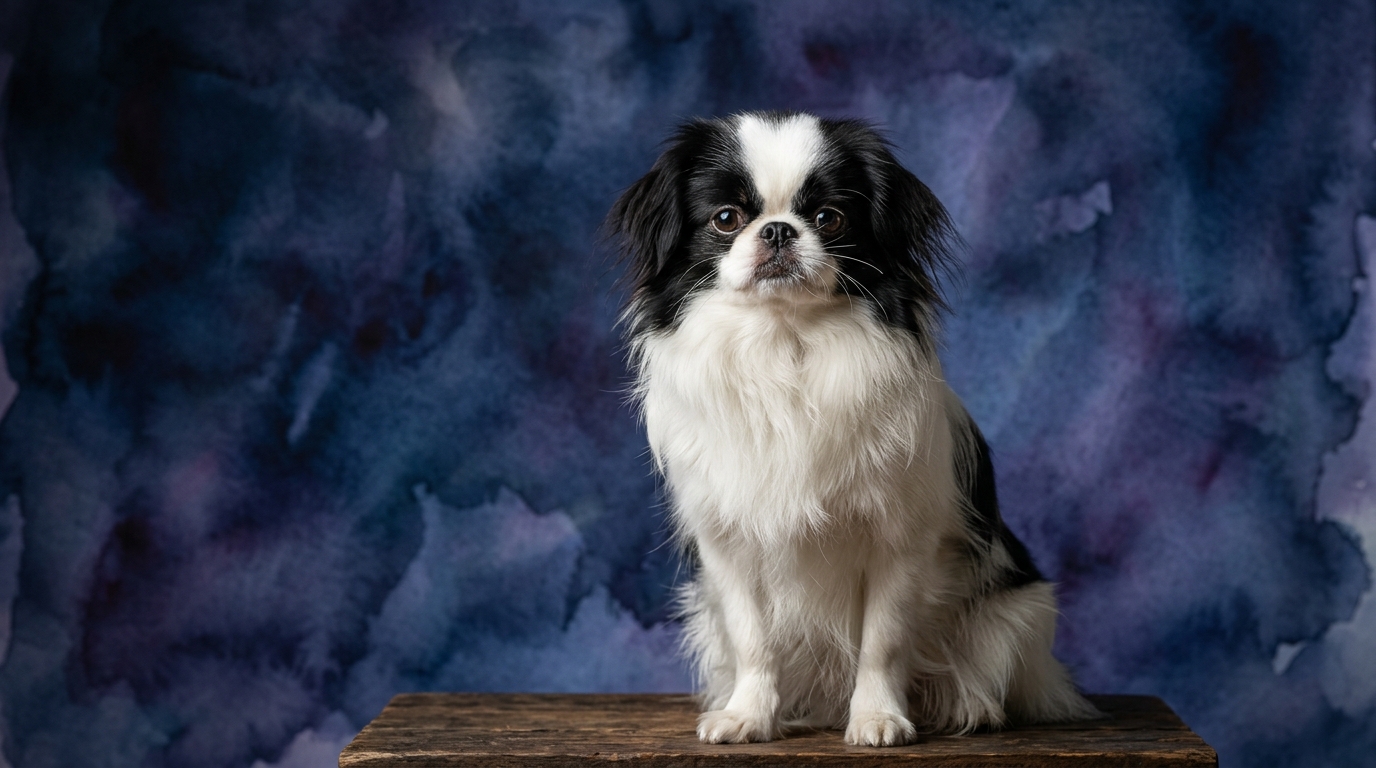
For the Japanese Chin, a breed historically bred for companionship and charming the aristocracy, their cognitive strengths are often directed towards social engagement and comfort. Their Problem Solving at 3/5 typically involves navigating human social structures to secure affection or preferred resting spots, rather than complex environmental challenges. Training Speed at 3/5 means they can learn commands and routines at a moderate pace, particularly when positive reinforcement involves comfort or praise. Social Intelligence at 3/5 is a hallmark of the Chin, allowing them to read human emotions and adapt their demeanor to maintain harmony or secure attention. Instinctive Drive at 3/5 for this breed often leans towards a strong desire for human proximity and a moderate play drive, rather than intense prey pursuit. Memory at 3/5 ensures they recall household routines, pleasant interactions, and the locations of their favorite people and cozy spots.
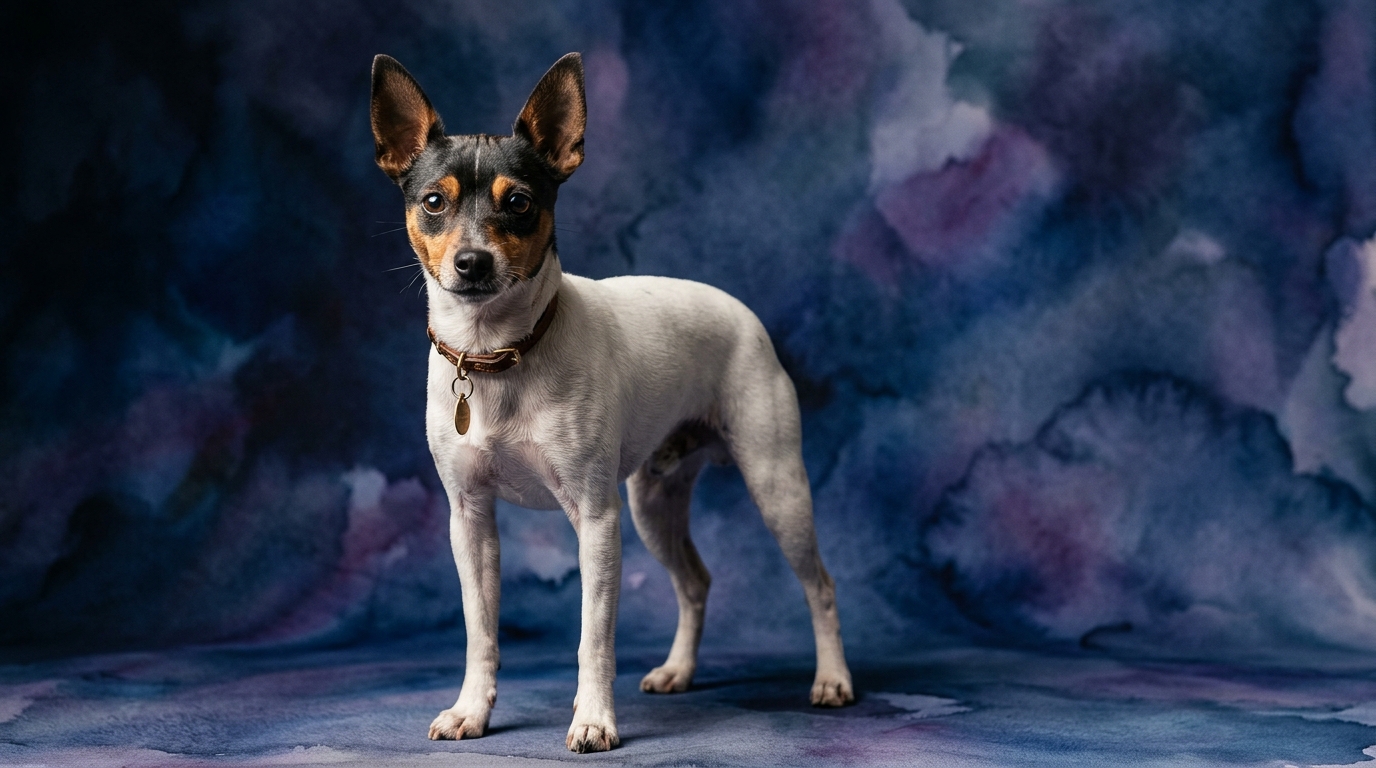
The Toy Fox Terrier, conversely, brings a terrier's spirited intensity to their identical 3/5 ratings. Their Problem Solving at 3/5 often manifests in figuring out how to access interesting spaces, outwit small prey, or cleverly retrieve toys from difficult spots, reflecting their ratting heritage. Training Speed at 3/5 for the Toy Fox Terrier means they can grasp new commands quickly, especially when the training is engaging, varied, and taps into their innate curiosity and desire for activity. Social Intelligence at 3/5 allows them to understand human expectations and bond closely with their chosen family, often exhibiting a keen awareness of their 'pack's' dynamics. Instinctive Drive at 3/5 is notably higher in prey drive and activity levels compared to the Chin, fueling their exploration and play. Memory at 3/5 means they reliably recall learned tricks, the boundaries of their territory, and where exciting things (like squirrels or hidden treats) were last observed.
Where the Japanese Chin Shines Cognitively
The Japanese Chin's cognitive strengths are particularly evident in their nuanced Social Intelligence. While both breeds score 3/5, the Chin's expression of this dimension is often more subtle and relationship-focused. They excel at understanding human moods and subtle cues, often anticipating their owner's needs for comfort or companionship before being explicitly asked. This makes them remarkably intuitive emotional support animals, offering quiet presence or gentle nudges when they sense distress.
Furthermore, their Problem Solving (3/5) in a domestic context is adept at navigating social dynamics. A Chin might 'solve' the problem of getting more lap time by strategically positioning themselves, offering a paw, or issuing a soft, persuasive sigh. Their memory (3/5) for routines and positive interactions means they quickly learn which behaviors yield the most affection or comfort, reinforcing a gentle, harmonious household dynamic rather than a boisterous one.
Where the Toy Fox Terrier Excels Cognitively
The Toy Fox Terrier's cognitive prowess is most apparent in their active Problem Solving (3/5) and a robust Instinctive Drive (3/5) geared towards engagement with their environment. Their terrier lineage means they are often more inclined to figure out how to open a cabinet, retrieve a toy from under furniture, or navigate an obstacle course with determination. This practical, hands-on problem-solving differs from the Chin's social-oriented approach, making them excellent candidates for canine sports like agility or earthdog trials.
Their Training Speed (3/5) is bolstered by their eagerness for activity and mental stimulation. A Toy Fox Terrier learns quickly when the task is fun, varied, and challenges their quick wit and physical agility. Their memory (3/5) is particularly strong for sequences of actions and locations, making them reliable at remembering complex trick routines or the path to their favorite park for an energetic outing.
Training Dynamics: Chin's Charm vs. Terrier's Drive
When considering ease of training, the identical 3/5 Training Speed scores belie distinct approaches. The Japanese Chin is often easier to train in behaviors that align with their desire for comfort and companionship. They respond well to gentle, consistent positive reinforcement, particularly when it involves praise, a cozy lap, or a tasty treat. However, their independent spirit and occasional stubbornness can emerge if training becomes repetitive or overly demanding, requiring patience and creativity from the owner to maintain engagement.
The Toy Fox Terrier, while also scoring 3/5, often presents a different set of training considerations. Their high instinctive drive and boundless energy mean they learn quickly, but can also be easily distracted by novel sights, sounds, or scents. They thrive on engaging, fast-paced training sessions that incorporate play and mental challenges. Owners might find the Toy Fox Terrier easier to motivate for active tasks or tricks, but potentially more challenging to train for calm, settled behavior due to their inherent vivacity and prey drive. Consistency and early socialization are paramount to channel their energy constructively.
Matching Breeds to Lifestyles: Active vs. Relaxed Owners
The choice between a Japanese Chin and a Toy Fox Terrier hinges significantly on an owner's lifestyle and expectations for their canine companion. For relaxed owners seeking a devoted, quiet presence, the Japanese Chin is often a better fit. Their moderate instinctive drive and preference for indoor comfort mean they are content with shorter, gentle walks and ample cuddle time. Their social intelligence makes them excellent companions for individuals or families who appreciate a dog that is attuned to their emotional state and happy to be a calm, charming presence.
Conversely, active owners who enjoy engaging in various activities and can provide consistent mental and physical stimulation will likely find the Toy Fox Terrier more rewarding. Their higher instinctive drive, particularly their prey drive and energy levels, necessitates regular exercise, training, and opportunities for exploration. They thrive in environments where they can run, play, and engage their problem-solving skills, making them ideal for individuals or families who embrace an active, outgoing lifestyle and can channel their terrier zest into constructive outlets like dog sports or extended play sessions.
The Verdict
Choose the Japanese Chin if you seek a serene, affectionate companion who excels at emotional connection and thrives in a calm, indoor-centric environment, appreciating their gentle problem-solving and social intuition.
Opt for the Toy Fox Terrier if you desire an energetic, sharp-witted partner eager for adventure and mental challenges, who will thrive with consistent activity, engaging training, and outlets for their spirited terrier drive.
🧠 Find Your Pet's IQ Score
Our Pet IQ Lab assessment covers 25+ tests across 5 cognitive dimensions — personalized to your breed.
Take the Full IQ Test →Frequently Asked Questions
Are Japanese Chins good at learning tricks?
Yes, Japanese Chins, with a 3/5 training speed and memory, can learn a variety of tricks. They respond best to positive reinforcement, especially when treats or praise are involved, and tend to enjoy activities that strengthen their bond with their owner.
Do Toy Fox Terriers require a lot of mental stimulation?
Absolutely. Toy Fox Terriers, possessing a 3/5 in problem-solving and instinctive drive, benefit greatly from regular mental challenges. Interactive toys, puzzle feeders, and engaging training sessions are crucial to satisfy their quick minds and prevent boredom, which can lead to undesirable behaviors.
Which breed is better for first-time dog owners?
Both breeds can be suitable for first-time owners, but with different considerations. The Japanese Chin's calmer demeanor might be less demanding, while the Toy Fox Terrier's higher energy and specific terrier traits require an owner committed to consistent training and activity from the outset.