Side-by-Side IQ Profile: Komondor vs. Norfolk Terrier
Despite both breeds scoring a 3/5 across all five measured intelligence dimensions, their breed purposes, physical attributes, and temperaments mean these scores manifest quite differently in practice. Understanding these distinctions is key to appreciating their individual cognitive styles.
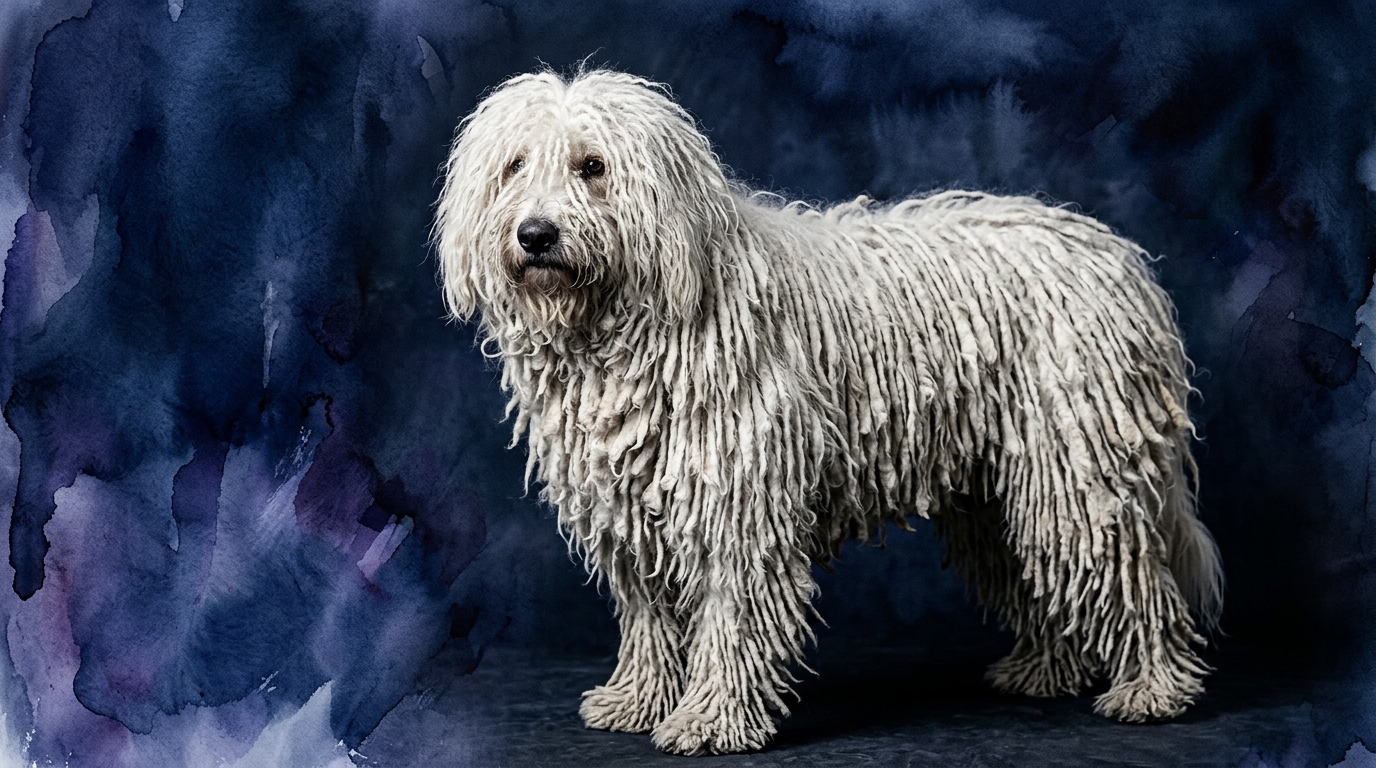
For the Komondor, a large working dog ranked #67 by Coren, its intelligence is deeply intertwined with its historical role as a livestock guardian:
Problem Solving (3/5): The Komondor's problem-solving often centers on its guardian duties. This might involve independently assessing a perceived threat, determining the most effective way to patrol its territory, or figuring out how to re-gather a straying flock. Their solutions are typically deliberate and purpose-driven rather than quick-witted, reflecting a thoughtful, independent approach to ensuring safety.
Training Speed (3/5): Learning new commands with a Komondor requires a foundation of trust and respect. While capable of learning at a moderate pace, they are not inherently eager to please and will often weigh the utility of a command against their own judgment. Consistency and clear, calm communication are paramount for effective training, as they are less likely to perform tasks they deem unnecessary.
Social Intelligence (3/5): Their social understanding is primarily geared towards their 'flock' – their human family and any animals they are tasked to protect. They discern friend from foe with a keen eye, understanding social hierarchies within their own family unit. Interactions outside this circle are often approached with a reserved, watchful intelligence, assessing intentions before engagement.
Instinctive Drive (3/5): The Komondor's instinctive drive is powerfully rooted in guardianship. This manifests as an innate need to protect its territory and family, a strong sense of responsibility, and a natural vigilance. This drive is a core component of their being and heavily influences their behavior and cognitive processes, guiding their decision-making in protective scenarios.
Memory (3/5): Komondors possess a robust memory, particularly for people, places, and routines associated with their territory and family. They remember perceived threats or positive interactions over long periods, contributing to their consistent protective behaviors and their ability to recognize trusted individuals even after extended absences.
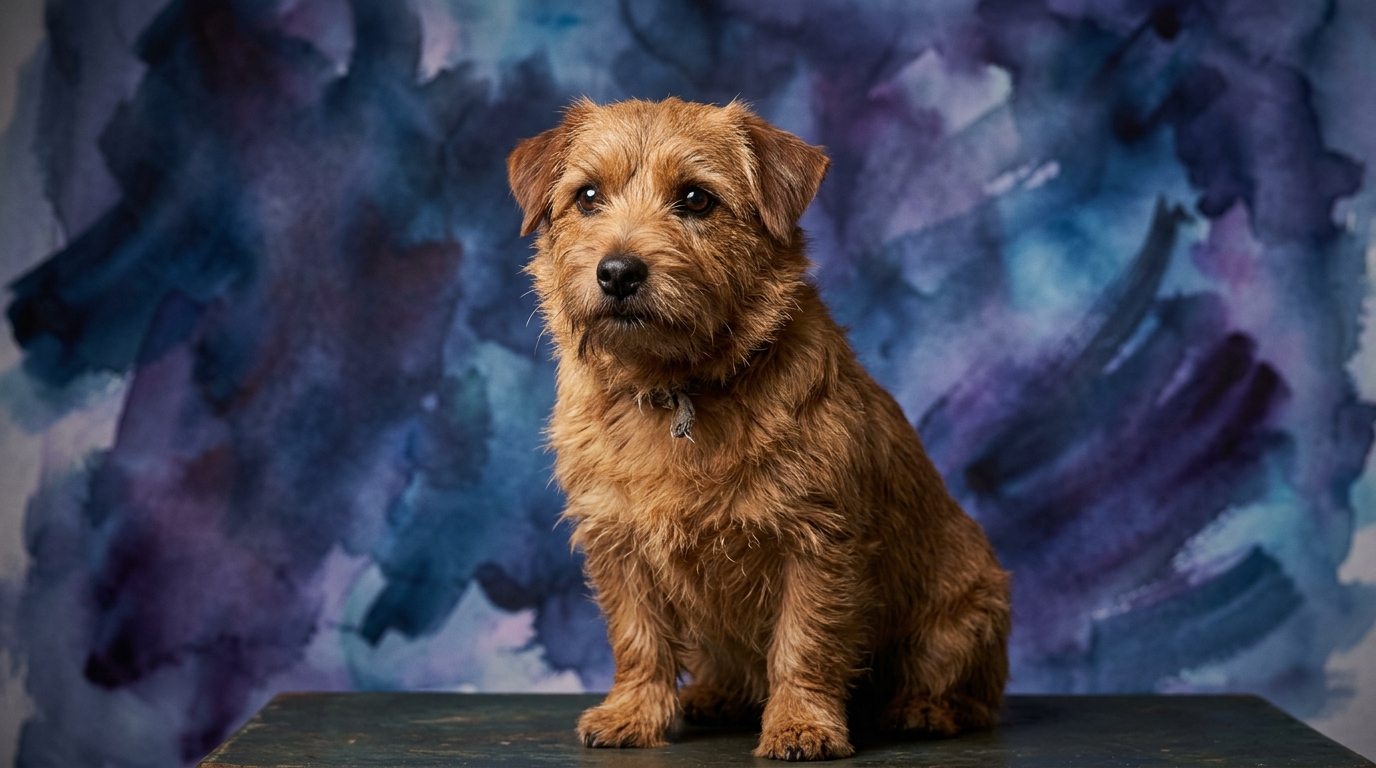
The Norfolk Terrier, a spirited terrier breed not Coren-ranked, approaches intelligence with a different set of priorities, reflecting its heritage as a small, tenacious hunter:
Problem Solving (3/5): For the Norfolk Terrier, problem-solving often involves navigating their environment with tenacity and ingenuity. This could mean figuring out how to reach a dropped toy under furniture, outmaneuvering a small critter (even if just a leaf blowing by), or finding the quickest path through an obstacle course. Their solutions are often characterized by persistence and a lively curiosity, reflecting their heritage as agile hunters.
Training Speed (3/5): Norfolk Terriers can grasp new commands at a moderate pace, especially when the training is engaging and presented as a fun challenge. However, their independent spirit and innate terrier stubbornness mean that while they learn, they might not always *choose* to comply unless motivated by something highly appealing. Varied training methods keep their attention and foster better retention.
Social Intelligence (3/5): These spirited dogs exhibit a good understanding of human emotions and social cues, often mirroring their owners' moods and seeking interaction. They navigate social dynamics within a family setting well, understanding boundaries and seeking attention. Their interactions with other animals can vary, often showing a confident, sometimes assertive, social intelligence.
Instinctive Drive (3/5): The Norfolk Terrier's instinctive drive is strong, centered around hunting, digging, and exploring. This drive fuels their curiosity and provides a powerful internal motivation for their activities. While manageable with training, this innate desire to chase and investigate is a fundamental aspect of their cognitive makeup and influences their responses to stimuli.
Memory (3/5): Norfolk Terriers have a good memory for learned commands, routines, and the locations of favored toys or sniffing spots. They can quickly recall past experiences, whether positive (a rewarding training session) or negative (a startling noise), which shapes their future behaviors and interactions within their environment.
Where the Komondor Wins Cognitively
The Komondor's cognitive strengths shine in its capacity for autonomous, long-term guardianship. Its problem-solving, while not rapid, is deeply analytical when it comes to assessing environmental threats and protecting its 'flock.' This breed exhibits a superior ability to maintain sustained vigilance over large territories, making independent, complex judgments about safety without constant human direction. Their memory for subtle shifts in their environment and for specific individuals perceived as threats or allies is particularly robust, allowing them to make nuanced protective decisions that might escape a less situationally aware breed. This deep-seated, self-directed protective intelligence is a profound cognitive win.
Where the Norfolk Terrier Wins Cognitively
The Norfolk Terrier showcases cognitive advantages in its adaptability and resourcefulness within diverse, often dynamic, environments. Its problem-solving excels in situations requiring quick thinking and physical dexterity, such as navigating complex indoor spaces or pursuing a scent trail with intense focus. They display a remarkable capacity for engaging in varied forms of play and interaction, often initiating games or seeking novel forms of mental stimulation. Their keen sensory perception, particularly for auditory and olfactory cues, allows them to process information about their immediate surroundings with exceptional detail, enabling them to react quickly and effectively to changes or opportunities. This agile, focused environmental engagement represents a distinct cognitive strength.
Which is Easier to Train and Why?
Assessing which breed is 'easier' to train, despite both having a 3/5 training speed, reveals significant behavioral differences. The Norfolk Terrier, while possessing a terrier's independent streak, often responds well to positive reinforcement and engaging, game-based training due to its desire for interaction and its smaller size, making physical guidance simpler. Its readiness to engage in varied activities means it might pick up a wider range of tricks or obedience commands more readily, provided the motivation is high and sessions are kept lively.
In contrast, the Komondor's training demands a different approach. Its guardian nature means it's bred to think for itself rather than to automatically obey every command. Training them requires immense patience, consistency, and a deep understanding of their independent mindset; they'll follow commands they trust and understand the purpose of, but won't be easily coerced into tasks they deem unnecessary. Therefore, for general obedience and a broader spectrum of activities typical for a companion dog, the Norfolk Terrier might *feel* easier to train for the average owner, though both require dedicated effort to channel their distinct cognitive styles effectively.
Active Owners vs. Relaxed Owners: Which Breed Suits Whom?
Neither the Komondor nor the Norfolk Terrier is ideally suited for a truly relaxed owner seeking a low-maintenance companion. The Komondor, while often appearing calm once mature, is a large working dog that requires significant mental engagement tied to its protective instincts, alongside regular, moderate exercise to maintain physical condition. Owners must be 'active' in managing their environment, providing appropriate outlets for their guardian drives, and committing to extensive grooming. A relaxed owner would likely be overwhelmed by its size, grooming demands, and independent decision-making.
The Norfolk Terrier, conversely, is a vibrant, energetic small dog that thrives on daily walks, interactive play, and consistent mental stimulation. Its inquisitive nature and strong drives mean it needs an owner 'active' in providing consistent engagement, training, and opportunities for exploration to prevent boredom-induced behaviors. An owner seeking a sedentary companion would find the Norfolk Terrier's zest for life and need for activity challenging. Both breeds demand an engaged, proactive owner, though the nature of that engagement differs significantly.
The Verdict
Opt for a Komondor if you are an experienced owner with ample space, seeking a dedicated, independent guardian dog, and are prepared to commit to understanding its unique protective intellect and extensive care requirements.
Select a Norfolk Terrier if you desire a spirited, engaging, and tenacious companion for an active family life, willing to provide consistent training, mental stimulation, and opportunities for adventure.
🧠 Find Your Pet's IQ Score
Our Pet IQ Lab assessment covers 25+ tests across 5 cognitive dimensions — personalized to your breed.
Take the Full IQ Test →Frequently Asked Questions
Are Komondors stubborn during training?
Komondors are not necessarily stubborn, but highly independent. They are bred to make their own decisions as guardians, meaning they will assess the utility of a command rather than blindly obey, requiring a patient, trust-based approach to training.
Do Norfolk Terriers bark excessively?
Norfolk Terriers can be prone to barking, particularly due to their strong alert instincts and high prey drive. Consistent training and early socialization can help manage this tendency, but their vocal nature is a common terrier trait.
Which breed is better with children?
Both breeds can be good with children under the right circumstances. The Komondor is naturally protective of its family, but its large size requires supervision. The Norfolk Terrier is generally playful and affectionate, but its spirited nature means interactions should always be supervised to ensure respect from both dog and child.