The Cosmic Pet Pet IQ Lab Profiles: Komondor vs. Saluki
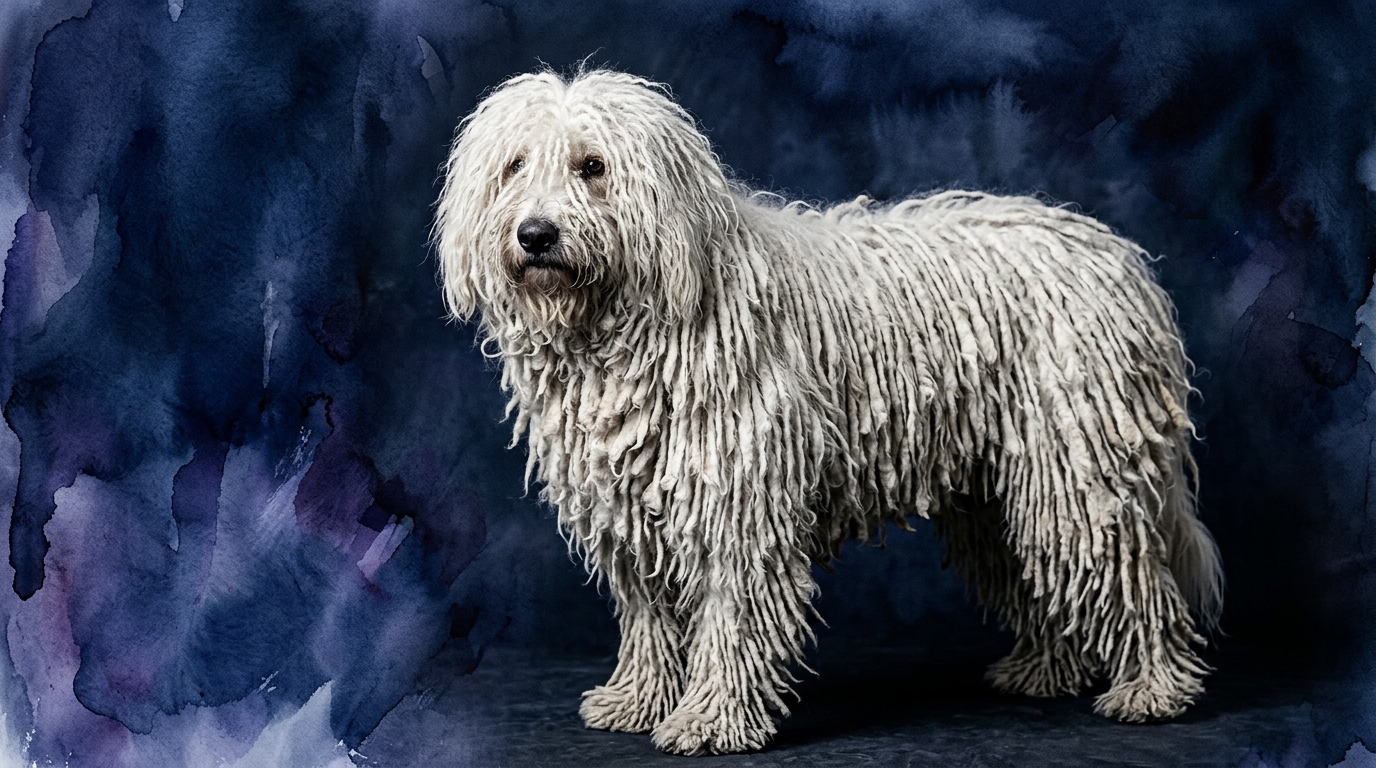
Originating from Hungary, the Komondor is an imposing livestock guardian, a role that profoundly shaped its cognitive architecture. Our IQ Lab assessed its Problem Solving at 3/5, indicating a moderate capacity for independent thought, primarily focused on practical solutions related to protection. For a Komondor, this means assessing potential threats and devising direct, often physical, responses rather than abstract problem-solving. Their Training Speed, also 3/5, reflects a breed that can learn but often requires understanding the utility or logic behind a command due to their inherent independence; they are not bred for rote obedience but for autonomous decision-making. Social Intelligence, rated 3/5, highlights their discernment; they form deep bonds with their immediate family, acting as vigilant protectors, but typically reserve effusive interactions for strangers, making their social cues more about assessment than broad engagement. The Instinctive Drive, at 3/5, is overwhelmingly directed towards guarding, vigilance, and territorial defense, a powerful, unwavering instinct to keep their flock or family safe. Finally, their Memory, scoring 3/5, is practical and enduring, enabling them to recall past threats, learned routines, and the dispositions of individuals within their environment, crucial for effective guardianship.
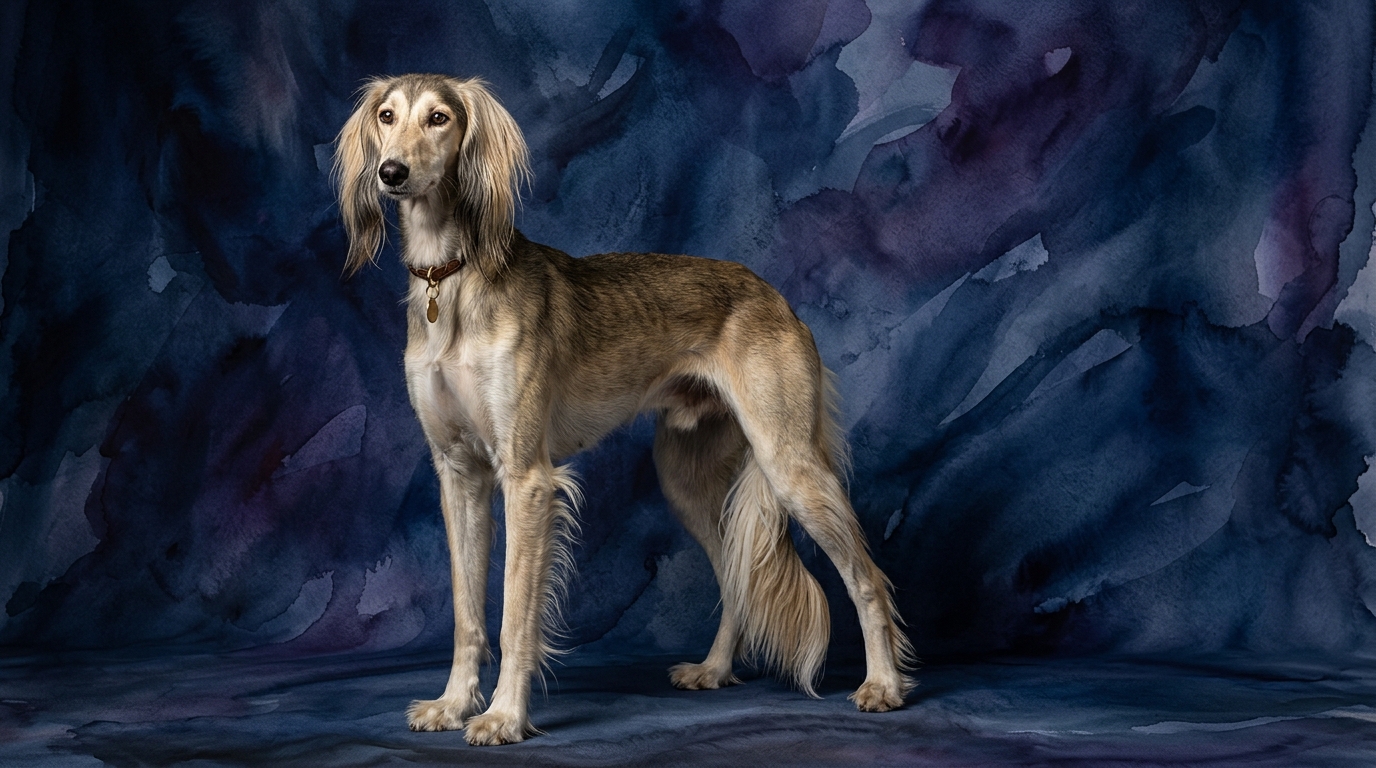
The ancient Saluki, a sighthound from the Middle East, boasts a cognitive profile equally influenced by its historical purpose: hunting by sight. Its Problem Solving is 3/5, manifesting as rapid, intuitive decision-making during a chase, such as calculating the optimal path to intercept fast-moving prey across varied terrain; this is a dynamic, physically-oriented form of problem-solving. Their Training Speed, also 3/5, suggests they are capable of learning, but their independent nature and powerful prey drive mean consistent, distraction-proof obedience can be a long-term project, as their own agenda frequently takes precedence. Social Intelligence, rated 3/5, means they are deeply affectionate with their chosen family, sensitive to their moods, but often maintain a dignified aloofness with unfamiliar people; their social interactions are selective and nuanced. The Instinctive Drive, scoring 3/5, is dominated by an intense prey drive and an innate urge to run at incredible speeds, a fundamental aspect of their being that profoundly shapes their responses to the world. Their Memory, at 3/5, is excellent for spatial awareness, remembering hunting grounds, and familiar routines, aiding in their pursuit of prey and navigation within their home environment, making them efficient hunters.
Where the Komondor's Cognition Shines
The Komondor's cognitive strengths are deeply rooted in its ancient role as a livestock guardian, making its 3/5 problem-solving particularly effective in real-world security scenarios. Unlike breeds that excel at abstract puzzles, the Komondor’s intelligence is applied and practical. For instance, a Komondor might independently decide to position itself strategically between its charges and an approaching, unfamiliar vehicle, or subtly herd its flock away from a perceived danger, demonstrating an inherent understanding of threat assessment and spatial management; this isn't about complex commands but rather an autonomous, situation-specific response. Their social intelligence, also 3/5, is specifically tuned for discerning subtle changes in their environment and the intentions of unfamiliar individuals. This isn't about seeking broad social interaction, but rather a profound, protective understanding of who belongs and who might pose a risk. Their memory (3/5) is excellent for recalling past interactions with specific individuals or animals, allowing them to adjust their protective responses over time, remembering "friend" or "foe" with lasting clarity.
The Saluki's Distinct Cognitive Advantages
The Saluki's cognitive prowess, despite similar 3/5 scores, lies in its refined hunting instincts and independent spirit, which manifest as exceptional dynamic problem-solving. Their problem-solving (3/5) is less about static defense and more about fluid, rapid pursuit; they excel at instantly calculating the trajectory of moving prey, adapting their speed and direction across varied and often challenging landscapes. This involves split-second decision-making, exceptional spatial reasoning, and an acute ability to anticipate movement during a high-speed chase – a form of intelligence distinct from the Komondor's guardianship. Their instinctive drive (3/5) is a powerful, almost primal urge to run and chase, which profoundly impacts their cognitive processing. This drive means their attention can be intensely focused on distant movement, often overriding other stimuli and demonstrating an unparalleled focus when their prey drive is engaged. Their memory (3/5) is sharp when it comes to remembering the fastest routes across a field or the precise locations of previous sightings of small animals, directly supporting their sighthound heritage and making them efficient hunters.
Training Dynamics: Independence vs. Instinct
Neither breed is considered a "beginner's dog" in terms of training ease, both scoring 3/5 in training speed, yet their challenges stem from distinctly different cognitive roots. The Komondor's independence arises from centuries of making autonomous decisions as a guardian. They were not bred to blindly follow commands but to think for themselves when protecting their flock or property. This means training requires a patient, understanding approach where the Komondor perceives the command as logical, beneficial, and aligned with its protective instincts or family loyalty. They may perform commands reliably once convinced of their purpose, but their initial learning phase can be slow as they process the utility and necessity of the request, often questioning the 'why'.
The Saluki's training challenges, conversely, are primarily driven by their potent instinctive prey drive and sighthound independence. Their focus can be intensely directed towards distant movement, making recall extraordinarily difficult in open spaces where a small animal might appear. While they learn commands at a moderate pace, their willingness to execute them can be highly situational, dependent on environmental distractions or their own perceived priorities, especially if a chase opportunity presents itself. Consistent, positive reinforcement and an understanding of their deep-seated desire to run are crucial; owners must always be mindful that their strong drive to chase can sometimes override learned behaviors, making off-leash freedom in unfenced areas risky.
Matching Breeds to Lifestyles: Activity and Companionship
For active owners who enjoy bursts of intense physical activity, the Saluki is often the more fitting choice, provided their activity involves safe, secure, fenced areas where they can truly gallop. While they are equally content to lounge elegantly indoors, their physical and mental well-being benefits immensely from regular opportunities to run at top speed, fulfilling their profound sighthound instinct. Their cognitive engagement comes from the thrill of the chase, even with a lure, and exploring new environments. They need owners who understand and can safely fulfill their intrinsic need to run, offering appropriate outlets for their energy.
The Komondor, despite being a large working dog, might surprise some as a better fit for a more relaxed owner, provided that "relaxed" implies a stable, predictable home environment rather than constant high-impact activity. Their activity needs are moderate once mature, primarily involving patrolling their territory and enjoying their family's calm presence. Their cognitive stimulation comes from observing their surroundings, assessing the household's safety, and interacting calmly but vigilantly with their trusted people. Owners need to be prepared for their unique grooming requirements and their natural inclination towards independence and vigilance, which necessitates a calm, confident handler who respects their inherent self-sufficiency.
The Verdict
Choose a Komondor if you seek a vigilant, independent guardian deeply devoted to its family and property, valuing a strong, self-thinking presence over rote obedience. Be prepared for their unique grooming needs and their inherent protective nature, which requires consistent, confident leadership.
Opt for a Saluki if you appreciate an elegant, independent companion with a profound need for speed and a reserved affection, and you can provide secure environments for them to express their powerful running instincts. Their sensitive nature thrives in a calm home with owners who understand their sighthound quirks.
🧠 Find Your Pet's IQ Score
Our Pet IQ Lab assessment covers 25+ tests across 5 cognitive dimensions — personalized to your breed.
Take the Full IQ Test →Frequently Asked Questions
Does a Komondor's corded coat affect its intelligence?
No, a Komondor's corded coat is a physical adaptation for protection against predators and elements, not a factor in its cognitive abilities. Their intelligence, rated 3/5 across dimensions, is inherent to their breed's purpose and brain structure, independent of their unique fur.
Why is the Saluki not Coren-ranked, but the Komondor is?
Stanley Coren's rankings primarily assess obedience and working intelligence, which often favors breeds with a strong desire to please and quick response to commands. Sighthounds like the Saluki, with their independent nature and focus on instinctual hunting, typically perform differently in these specific tests, leading to many not being included in his original obedience-centric list.
Can a Komondor and a Saluki live together peacefully?
Yes, with careful introduction and supervision, a Komondor and Saluki can coexist. The Komondor's protective instincts could initially be an issue, and the Saluki's prey drive might be a concern around smaller pets, but both breeds, when well-socialized, can learn to live amicably within the same household.