Side-by-Side Cognitive Profiles
The Cosmic Pet Pet IQ Lab assesses canine intelligence across five crucial dimensions, and for both the Kooikerhondje and the American Eskimo Dog, each dimension registers a solid 3/5. This shared rating signifies a capable, adaptable, and responsive intellect, but the *manifestation* of this capacity differs significantly due to their distinct histories and breed purposes.
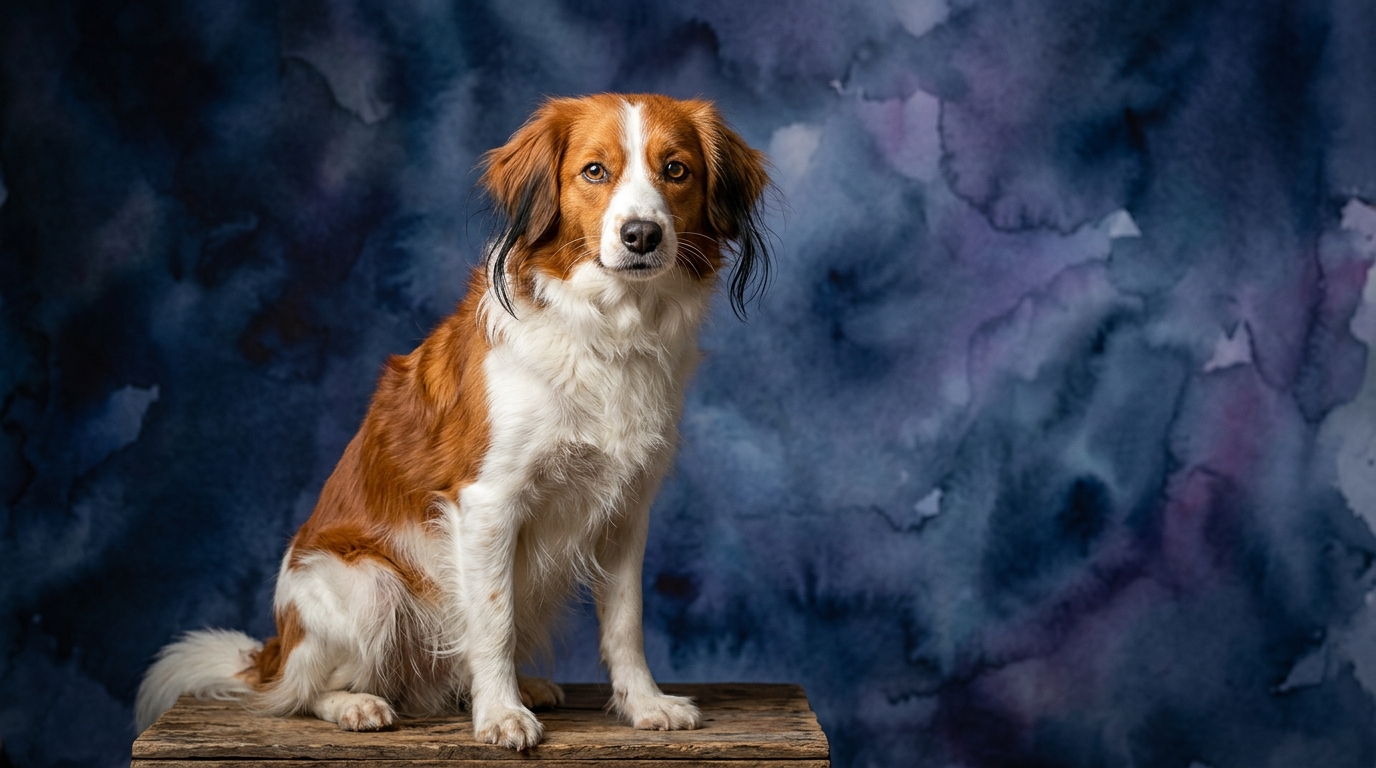
For the Kooikerhondje, a dog from the Sporting group, their Problem Solving (3/5) often manifests in strategic thought related to their original role as duck decoys. This involves observing patterns, understanding cause-and-effect in their environment, and independently figuring out how to achieve a goal, such as flushing game or navigating complex terrain during scent work. Their Training Speed (3/5) indicates a dog that learns new commands and routines effectively, particularly when the training is engaging and tied to a purpose, though their independent streak means rote repetition might be less appealing. Social Intelligence (3/5) in a Kooiker often translates to understanding handler cues and group dynamics during a task, but they can be more reserved with strangers, preferring the company of their trusted inner circle. Their Instinctive Drive (3/5) is rooted in their hunting heritage, showcasing a strong desire to work, explore, and pursue, often with a keen focus. Memory (3/5) allows them to retain complex sequences, recall training cues, and remember successful strategies for various tasks.
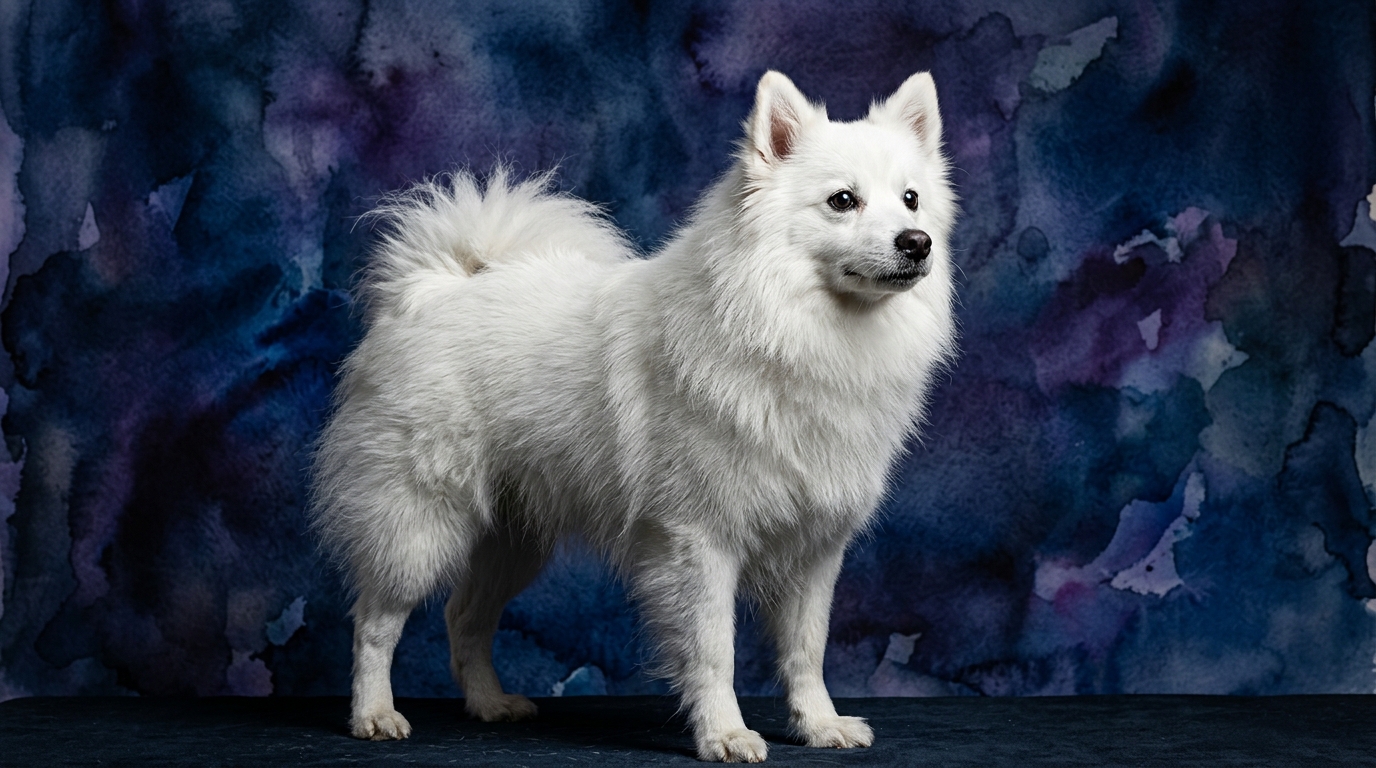
The American Eskimo Dog, a member of the Non-Sporting group, applies its identical 3/5 ratings in a different, equally compelling manner. Their Problem Solving (3/5) is frequently observed in their capacity to figure out how to gain human attention, manipulate objects for play, or master intricate trick sequences, often demonstrating a cleverness aimed at interaction and entertainment. Training Speed (3/5) for an Eskie is characterized by their eagerness to please and quick grasp of new concepts, especially when training is fun, positive, and varied, though they can develop selective hearing if bored or if they perceive a lack of fairness. Social Intelligence (3/5) shines through their deep connection with their human family, their ability to read emotional cues, and their desire to be involved in household activities, often making them excellent communicators within their family unit, though they can be quite vocal. Their Instinctive Drive (3/5) is strongly tied to companionship, vigilance, and an innate desire to be a central part of their human 'pack,' often expressed through protective instincts and a playful exuberance. Memory (3/5) supports their ability to recall a vast repertoire of tricks, remember routines, and maintain strong bonds with individuals and specific learned behaviors over time.
Where Kooikerhondje Cognition Excels
While both breeds possess a 3/5 in every cognitive dimension, the Kooikerhondje's strengths are particularly pronounced in scenarios demanding focused, independent task execution with a touch of strategic cunning. Their 3/5 Problem Solving, for instance, is often more geared towards environmental challenges or scent-based puzzles where they must analyze and strategize without constant human direction. A Kooiker might excel at figuring out the most efficient path through an agility course, not just following commands, but anticipating obstacles and adjusting its body for optimal speed and precision. This breed’s 3/5 Instinctive Drive fuels a persistent, purposeful approach to activities like retrieving or tracking, where their focus remains steadfast on the objective, often making them adept at canine sports that mimic their historical working roles. Their cognitive strengths truly shine in environments that allow them to utilize their observational skills and self-reliance to achieve a specific, tangible outcome, making them excellent partners for handlers who appreciate a dog with a mind for independent work.
Where American Eskimo Dog Cognition Shines
Conversely, the American Eskimo Dog leverages its identical 3/5 cognitive scores in ways that highlight their exceptional social attunement and expressive problem-solving. An Eskie's 3/5 Social Intelligence is often more outwardly communicative and deeply empathetic, allowing them to pick up on subtle human moods and intentions with remarkable accuracy, making them highly responsive companions. Their 3/5 Problem Solving frequently involves creative solutions to engage with or entertain their human family, such as figuring out how to 'ask' for a game of fetch using a specific toy, or mastering complex, multi-step tricks that require both memory and sequential thinking. This breed's cognitive strengths lie in their ability to adapt and perform within a human-centric context, thriving on interaction and positive reinforcement. They use their intellect to navigate social situations, express their needs, and form profound, interactive bonds, making them masters of charming and communicating with their people through a variety of clever behaviors and vocalizations.
Training Dynamics: Kooikerhondje vs. American Eskimo Dog
When it comes to ease of training, both breeds present unique considerations despite their shared 3/5 Training Speed. The Kooikerhondje, with its independent working heritage, often responds best to training that is varied, stimulating, and feels purposeful. They learn quickly when they understand the 'why' behind a command or when it taps into their natural instincts for fetching, tracking, or problem-solving. However, their independent streak means they can become bored or resistant to repetitive drills if not mentally engaged, requiring a handler who can keep training sessions fresh and exciting. They learn cues efficiently but might require consistent, positive motivation to maintain enthusiasm for tasks that don't immediately appeal to their innate drives.
The American Eskimo Dog, on the other hand, often approaches training with an eager-to-please attitude, especially when positive reinforcement and interaction are central to the process. Their 3/5 Social Intelligence and desire for companionship mean they thrive on praise and connection with their handler, often making them quick to pick up new tricks and commands. However, Eskies can also be quite vocal and may develop a stubborn streak if they feel misunderstood or if training becomes too monotonous. Their sensitivity means harsh corrections are counterproductive; they respond much better to patience, consistency, and a playful approach that leverages their natural exuberance and cleverness. Training an Eskie often involves managing their expressiveness and channeling their high energy into productive learning, making them a joy for owners who enjoy interactive, reward-based methods.
Lifestyle Suitability: Active vs. Relaxed Owners
Considering their cognitive profiles and behavioral tendencies, each breed aligns differently with owner lifestyles. The Kooikerhondje, with its 3/5 Instinctive Drive and Problem Solving, is generally better suited for active owners who enjoy engaging in canine sports or structured outdoor activities. They thrive on mental challenges like scent work, agility, or competitive obedience, where their intelligence and drive can be channeled into purposeful work. Owners who lead an active lifestyle and are prepared to provide consistent mental and physical stimulation will find a Kooiker to be a rewarding and capable partner. Their need for a 'job' means they are not ideal for owners seeking a purely relaxed, sedentary companion; they require an outlet for their focused energy and keen intellect to prevent boredom or destructive behaviors.
The American Eskimo Dog, while also energetic and requiring regular exercise, often suits owners who prefer a more interactive and socially engaged form of activity. Their 3/5 Social Intelligence and expressive nature mean they flourish with owners who enjoy daily walks, interactive play sessions, trick training, and being a central part of family life. They can adapt to various living situations as long as their need for companionship and mental engagement is met. While they enjoy outdoor adventures, their cognitive strengths are often best utilized in social contexts rather than independent hunting or tracking. Owners who enjoy teaching tricks, engaging in playful mental puzzles, and having a vocal, attentive companion will find an Eskie to be a delightful match, even if their overall activity level is more focused on companionship than intense sport.
The Verdict: When to Choose Each Breed
The Verdict
Choose the Kooikerhondje if you are an active owner seeking a keen, independent-thinking partner for dog sports, scent work, or consistent outdoor adventures, appreciating their focused drive and strategic problem-solving.
Opt for the American Eskimo Dog if you desire a highly interactive, expressive, and socially attuned companion who thrives on human connection, trick training, and being a joyful, engaging part of family life.
🧠 Find Your Pet's IQ Score
Our Pet IQ Lab assessment covers 25+ tests across 5 cognitive dimensions — personalized to your breed.
Take the Full IQ Test →Frequently Asked Questions
Do Kooikerhondjes bark a lot?
Kooikerhondjes can be alert barkers, especially if they perceive something new or unusual in their environment. While not typically excessive, consistent training and socialization from a young age can help manage their vocal tendencies.
Are American Eskimo Dogs good with children?
American Eskimo Dogs are generally good with children, particularly when raised with them and properly socialized. Their playful nature and strong family bonds make them loving companions, though supervision is always recommended with any breed and young children.
Which breed is easier for a first-time dog owner?
Both breeds require dedicated training and socialization, but the American Eskimo Dog might be slightly more forgiving for a first-time owner due to their stronger eagerness to please and social motivation. The Kooikerhondje's independent streak can sometimes be more challenging for an inexperienced handler.