Side-by-Side IQ Profile: Unpacking Identical Scores
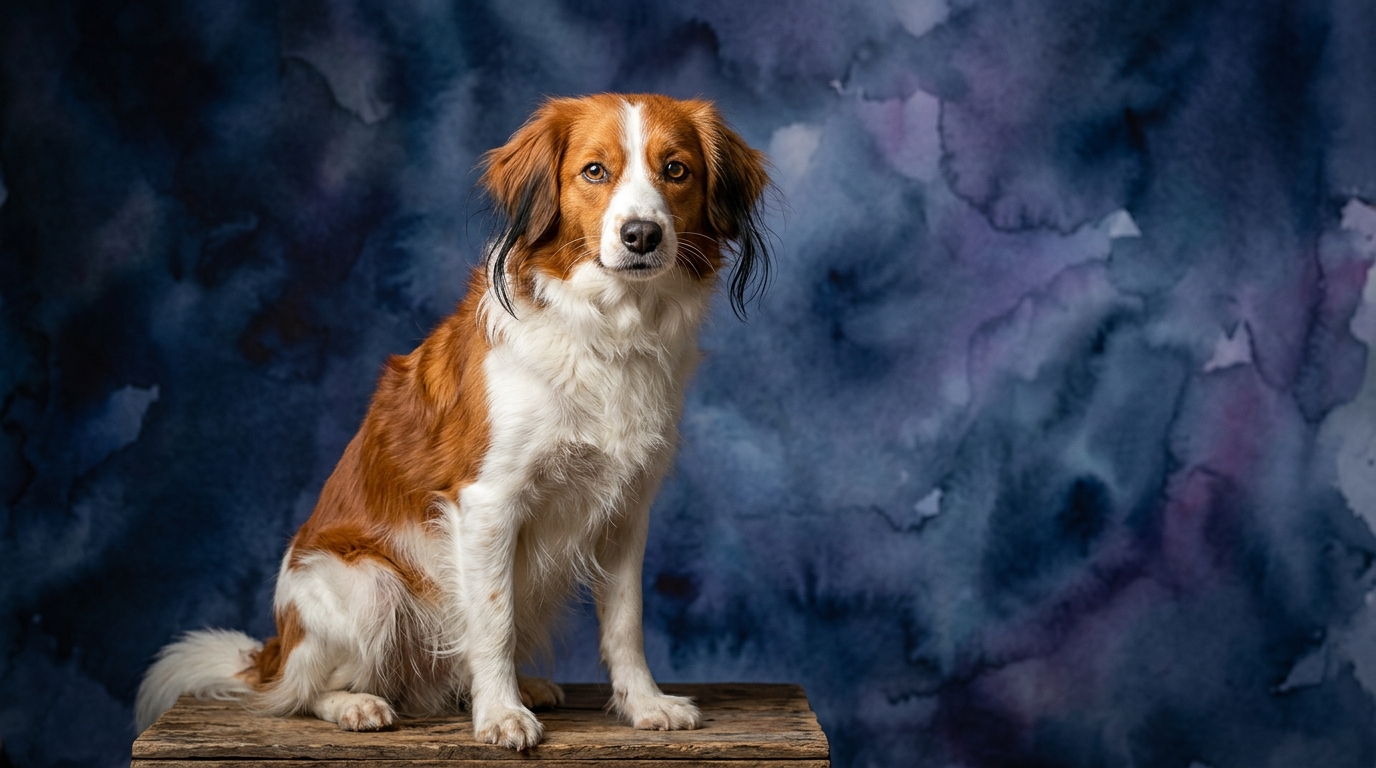
While both breeds share a 3/5 rating in Problem Solving, Training Speed, Social Intelligence, Instinctive Drive, and Memory, the manifestation of these cognitive traits differs significantly due to their historical roles. The Kooikerhondje, a Dutch sporting dog bred for luring ducks, approaches these dimensions with a task-oriented, independent mindset. Their problem-solving often involves navigating environmental challenges to achieve a goal, and their training speed is influenced by their desire for a purpose.
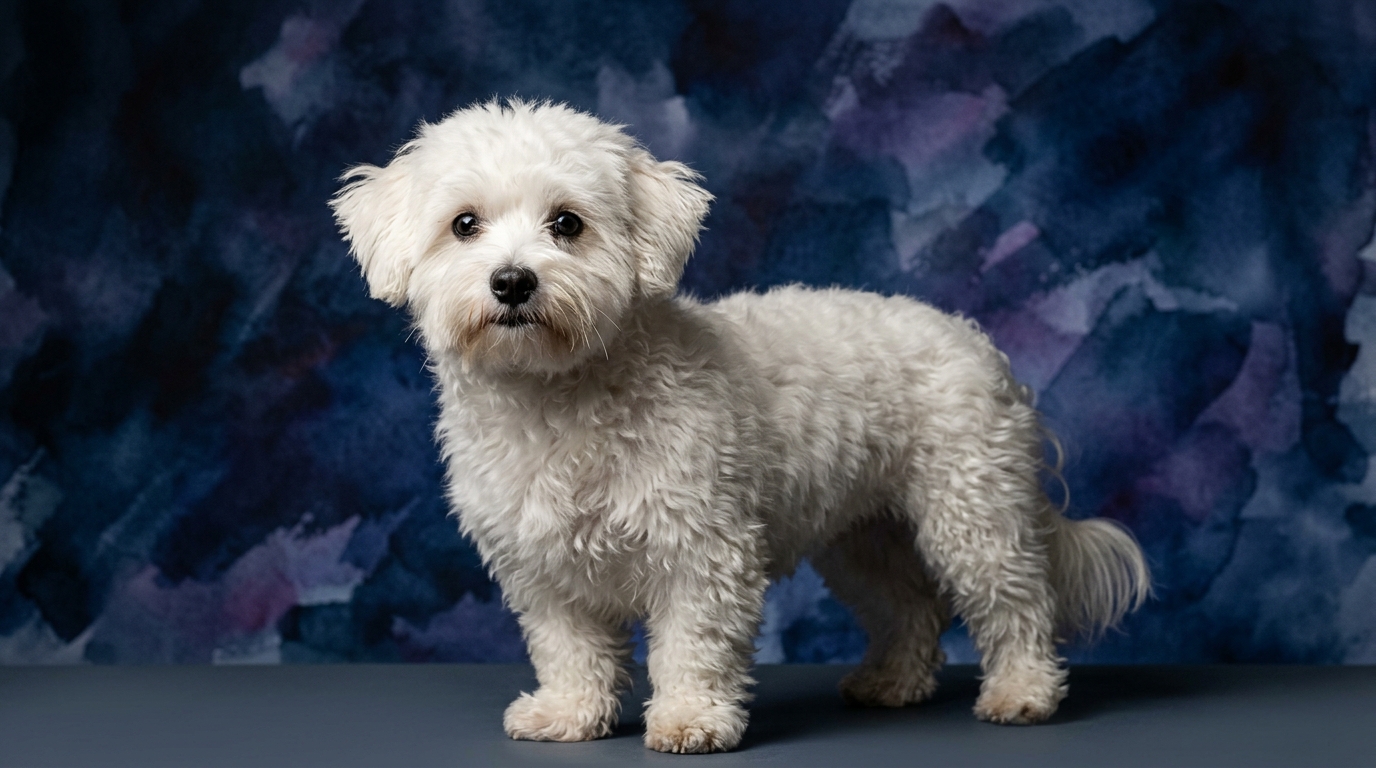
Conversely, the Coton de Tuléar, a Madagascan companion dog, interprets these same cognitive scores through a lens of social engagement and adaptability. Their problem-solving might focus on understanding human cues or orchestrating interactions for comfort and attention. Training speed in a Coton is often driven by their strong bond with their family, and their social intelligence is finely tuned to the emotional landscape of their household. For both, a 3/5 indicates a capable but not necessarily abstract or highly complex cognitive ability, grounded in practical application.
Where the Kooikerhondje Excels Cognitively
The Kooikerhondje's cognitive strengths truly shine in environments that cater to their heritage as a working dog. Their Problem Solving, rated 3/5, is particularly adept at practical, multi-step tasks that require sustained focus and independent thought. For instance, they excel at scent work or agility courses where they must strategize routes and overcome obstacles to reach a target, demonstrating a persistent, goal-directed application of their intellect. This isn't about abstract reasoning, but rather an efficient, methodical approach to tangible problems.
Furthermore, their Instinctive Drive (3/5) is a powerful cognitive asset, manifesting as a keen desire to engage with their surroundings in a purposeful way. This drive fuels their capacity for memory (3/5) related to routines, patterns, and learned sequences necessary for their work. A Kooiker will remember complex commands and sequences for retrieving or luring with impressive accuracy, not just because they're 'smart,' but because their intrinsic motivation to perform provides a strong cognitive anchor for recall. They are most engaged when given a 'job' that leverages these specific cognitive leanings.
Where the Coton de Tuléar Holds a Cognitive Advantage
The Coton de Tuléar's cognitive prowess, also rated 3/5 across the board, is most evident in their exceptional Social Intelligence. This isn't merely being friendly; it's a sophisticated ability to read and respond to human emotions and social dynamics within a family unit. A Coton will often demonstrate a nuanced understanding of household routines and individual moods, adapting their behavior to seek comfort, provide solace, or initiate play at opportune moments. Their problem-solving in this context is geared towards navigating interpersonal relationships and securing their place as a cherished companion.
Their memory (3/5) is particularly strong for recalling social interactions, understanding which family members respond to specific behaviors, and retaining the details of their daily routines. They remember positive reinforcement cues and can even subtly 'manipulate' for attention, indicating a clever application of their cognitive abilities within a social framework. The Coton's instinctive drive (3/5) is deeply rooted in companionship, making them highly motivated to engage in activities that foster connection, whether it's learning a new trick for praise or simply cuddling on the couch. Their cognitive strengths are intrinsically tied to their role as a devoted family member.
Training: Which Breed is Easier and Why?
Determining which breed is 'easier' to train is less about raw cognitive ability and more about the owner's approach and the dog's natural inclinations. The Kooikerhondje, with its 3/5 Training Speed and strong Instinctive Drive, can be very responsive to training when tasks are presented as engaging challenges. They thrive on consistency and clear objectives, often excelling in canine sports because they understand the 'game.' However, their independent streak means they can become bored or stubborn if training lacks variety or purpose, sometimes requiring more creative motivation to maintain engagement.
The Coton de Tuléar, also with a 3/5 Training Speed, often appears 'easier' for basic obedience and house-training due to their profound desire for companionship and approval. Their high Social Intelligence makes them attuned to their owner's reactions, and they are typically eager to please their primary caregivers. Positive reinforcement methods work exceptionally well with Cotons, as their motivation is often tied to praise and interaction. However, their cleverness can also lead to them testing boundaries or developing 'selective hearing' if not consistently managed, and their sensitivity means they do not respond well to harsh training methods, which can cause them to shut down.
Active Owners vs. Relaxed Owners: A Cognitive Match
For active owners seeking a canine partner for sports or outdoor adventures, the Kooikerhondje is often the more suitable cognitive match. Their 3/5 Problem Solving and Instinctive Drive mean they genuinely enjoy engaging in activities that provide mental and physical stimulation, such as agility, flyball, or advanced obedience. They thrive when given a 'job' and require consistent opportunities to utilize their working intelligence. An owner who understands and can channel this drive will find a highly motivated and capable companion, but one who might become restless without adequate outlets for their cognitive energy.
Conversely, the Coton de Tuléar is an excellent fit for more relaxed owners who prioritize companionship and gentle interaction. While they enjoy play and walks, their cognitive needs revolve more around social engagement and being an integral part of family life. Their 3/5 Social Intelligence means they are content observing and participating in household routines, and their instinctive drive for comfort and connection is fulfilled through proximity and affection. They adapt well to apartment living and are generally satisfied with moderate daily exercise, making them ideal for individuals or families who desire a devoted, adaptable presence without the demanding working dog mentality.
The Verdict
Choose the Kooikerhondje if you are an active owner seeking a task-oriented companion for dog sports, outdoor adventures, or structured training that taps into a purposeful working drive.
Opt for the Coton de Tuléar if you desire a devoted, socially adept companion who thrives on close family interaction and adapts seamlessly to a more relaxed, companion-focused lifestyle.
🧠 Find Your Pet's IQ Score
Our Pet IQ Lab assessment covers 25+ tests across 5 cognitive dimensions — personalized to your breed.
Take the Full IQ Test →Frequently Asked Questions
Do identical IQ scores mean these breeds are equally 'smart'?
No, identical IQ scores of 3/5 indicate a similar *level* of cognitive ability across the dimensions, but the *application* and *manifestation* of that intelligence differ significantly. It's about how their brains are wired to solve problems, learn, and interact based on their historical roles and inherent drives.
Which breed is better for first-time dog owners based on their cognitive profiles?
The Coton de Tuléar might be a slightly easier choice for first-time owners due to their strong social intelligence and eagerness to please their family, which often simplifies basic training and integration into a household. The Kooikerhondje's independent streak and need for consistent, purposeful engagement can be more challenging for an inexperienced owner.
Can a Coton de Tuléar excel in dog sports like a Kooikerhondje?
While a Coton de Tuléar can certainly enjoy and perform well in some dog sports, especially those that involve close teamwork and positive reinforcement, their primary motivation isn't the same as a Kooikerhondje's inherent working drive. A Kooiker's cognitive profile makes them naturally more inclined and suited for sustained, task-oriented athletic endeavors.