Side-by-Side IQ Profile: Unpacking Identical Scores
The Cosmic Pet Pet IQ Lab evaluates five key cognitive dimensions, and both the Kooikerhondje and the Glen of Imaal Terrier consistently achieve a 3 out of 5 in each category. This suggests a general competence and adaptability rather than a specific cognitive advantage in any single area for either breed.
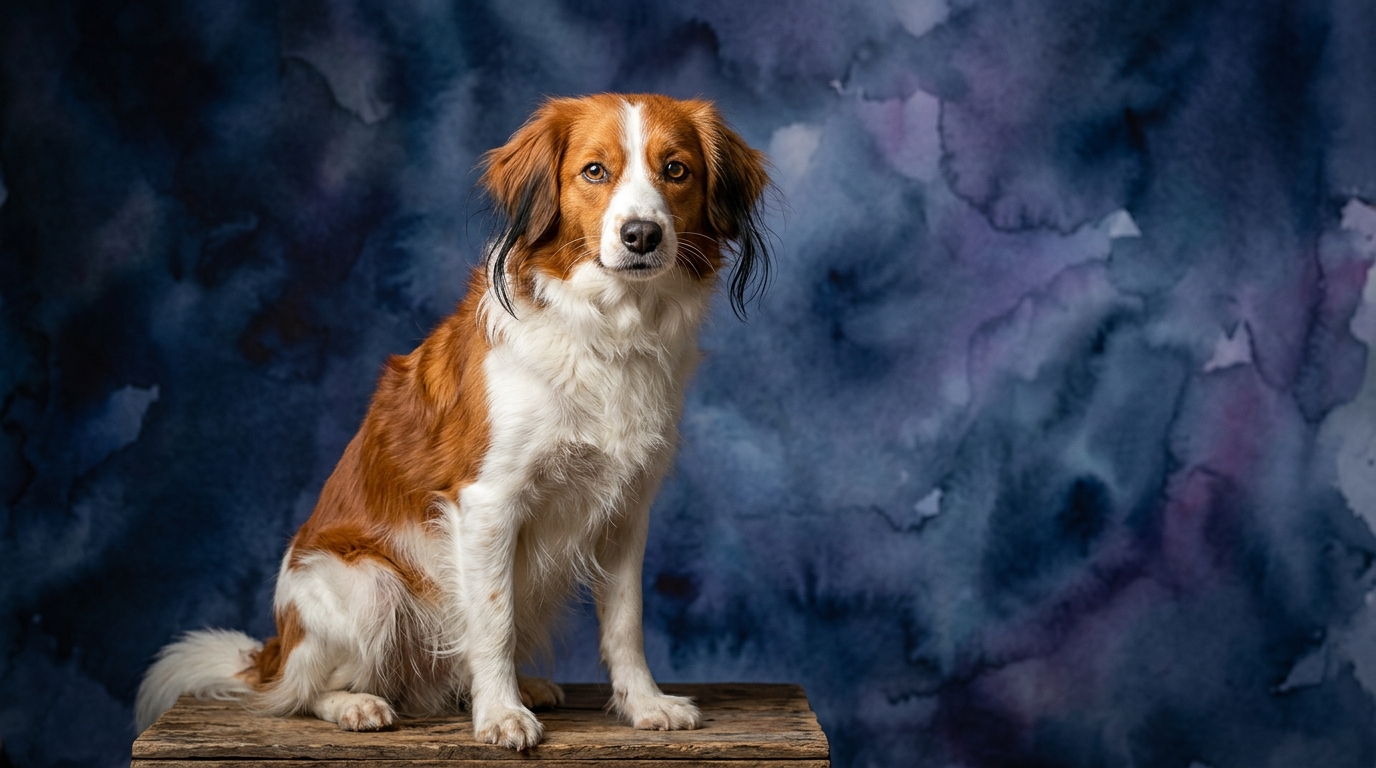
For the Kooikerhondje, a sporting dog originally bred to lure ducks, Problem Solving (3/5) manifests as a methodical approach to tasks, often involving observation and a sequence of actions. Their Training Speed (3/5) indicates a willingness to learn and retain commands, but not necessarily instant mastery, requiring consistent, positive reinforcement. Social Intelligence (3/5) allows them to integrate well into family dynamics, often forming strong bonds, yet they may exhibit a reserved initial approach to strangers. Their Instinctive Drive (3/5) is rooted in their luring heritage, displaying a natural inclination to work cooperatively and pursue specific tasks. Memory (3/5) supports their ability to recall complex routines and learned behaviors over time, crucial for their original work.
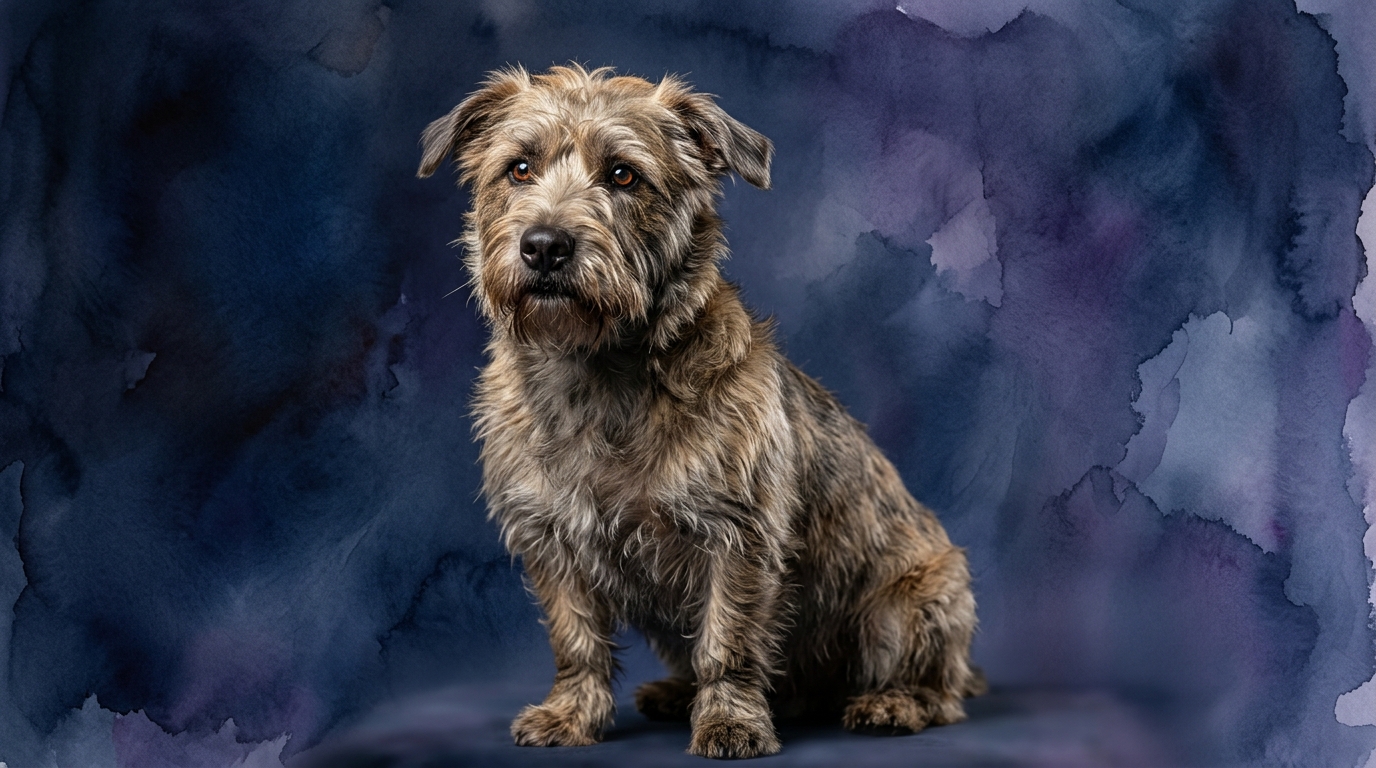
The Glen of Imaal Terrier, a tenacious badger and fox hunter, also scores 3/5 in Problem Solving, which for them often involves independent thought to overcome obstacles or navigate confined spaces. Their Training Speed (3/5) suggests they are capable learners, though their inherent terrier independence means they might require more creative motivation and patience to engage fully. Social Intelligence (3/5) typically means they are devoted to their immediate family, but their terrier nature can sometimes lead to selective tolerance of other animals or unfamiliar people. Instinctive Drive (3/5) is robust, centered on hunting and digging, giving them a strong impulse to explore and pursue. Their Memory (3/5) allows them to remember locations, routines, and past experiences, beneficial for their burrowing and hunting tasks.
Where the Kooikerhondje Wins Cognitively
While their raw scores are identical, the Kooikerhondje's historical role as a cooperative working dog gives it a subtle cognitive edge in tasks requiring human partnership and sequential thinking. Their Problem Solving (3/5) is often directed towards understanding and executing multi-step commands from an owner, demonstrating a predisposition for structured problem-solving within a human-directed framework. This breed tends to excel in activities like obedience, agility, and rally, where understanding and responding to cues is paramount.
The Kooikerhondje's Social Intelligence (3/5) often manifests as a greater sensitivity to human emotional states and a desire to please, making them potentially more attuned to subtle human signals during training or daily interactions. This nuanced understanding can make them quicker to adapt their behavior based on owner feedback, even if their overall Training Speed (3/5) is comparable to the Glen. Their Memory (3/5) is adept at recalling complex sequences of actions, which is a direct reflection of their duck-luring heritage where remembering specific patterns and movements was essential.
Where the Glen of Imaal Terrier Wins Cognitively
The Glen of Imaal Terrier's cognitive strengths lie in their self-reliance and tenacity, traits honed by their solitary hunting tasks. Their Problem Solving (3/5) is often characterized by a determined, independent approach, particularly when faced with physical barriers or persistent challenges. They are adept at figuring things out on their own terms, whether it's navigating a complex scent trail or devising a strategy to access a desired object.
This breed's Instinctive Drive (3/5) is a powerful cognitive asset, giving them a relentless focus and resilience in pursuit of a goal. This drive translates into a deep well of internal motivation, making them less reliant on constant human direction for engagement. Their Memory (3/5) is well-suited for retaining spatial information and understanding the layout of their environment, a critical skill for a dog that once navigated underground tunnels. This spatial memory and independent problem-solving make them formidable in tasks requiring self-direction and grit.
Which is Easier to Train and Why
Despite identical 3/5 scores in Training Speed, the Kooikerhondje is generally perceived as easier to train due to its inherent biddability and cooperative nature. As a sporting dog, the Kooikerhondje was bred to work alongside humans, making them naturally more inclined to seek guidance and respond to commands. Their desire to please, coupled with their methodical Problem Solving (3/5), means they often approach training as a collaborative effort, eager to understand what is expected of them and to perform it correctly. They thrive on positive reinforcement and consistent methods, building upon their solid Memory (3/5) for learned routines.
The Glen of Imaal Terrier, while equally capable of learning with its 3/5 Training Speed, often presents a different training dynamic. Their terrier heritage imbues them with a strong sense of independence and a drive to make their own decisions. This means that while they are intelligent, they may require more patience, creativity, and motivational strategies from their trainer. Their Problem Solving (3/5) might be directed towards finding loopholes in commands or pursuing their own agenda if not adequately engaged. Training a Glen often involves channeling their robust Instinctive Drive (3/5) into desirable activities, making it essential to keep sessions engaging and rewarding to overcome their natural inclination towards self-direction rather than strict obedience.
Which Suits Active Owners vs. Relaxed Owners
For owners seeking a partner in structured activities, the Kooikerhondje is an excellent match. Their balanced Instinctive Drive (3/5) and cooperative nature make them ideal for active owners who enjoy dog sports like agility, obedience, or flyball. They require regular mental stimulation and physical exercise, thriving on purpose-driven activities that engage both their body and mind. An active owner who provides consistent training and varied enrichment will find the Kooikerhondje a joyful and engaged companion, appreciating their structured approach to play and work.
The Glen of Imaal Terrier, while also requiring activity, suits a different kind of active owner. Their robust Instinctive Drive (3/5) for digging, chasing, and independent exploration means they need outlets for these innate behaviors. Owners who appreciate a dog with a strong, self-directed personality and are prepared for terrier-specific quirks, such as potential digging projects or a keen interest in small prey, will find the Glen rewarding. They thrive with owners who provide secure outdoor spaces, engage in vigorous play, and understand that their "activity" might involve more independent pursuits than cooperative sports. A relaxed owner who isn't prepared to manage these drives might find the Glen's independent spirit challenging, as their Problem Solving (3/5) can be applied to finding ways to entertain themselves if not properly stimulated.
The Verdict
Choose the Kooikerhondje if you desire a cooperative, sensitive companion who thrives on structured tasks and human partnership, eager to learn and engage in shared activities.
Opt for the Glen of Imaal Terrier if you appreciate a tenacious, independent spirit with a strong drive for exploration and self-directed problem-solving, requiring patient, creative engagement.
🧠 Find Your Pet's IQ Score
Our Pet IQ Lab assessment covers 25+ tests across 5 cognitive dimensions — personalized to your breed.
Take the Full IQ Test →Frequently Asked Questions
Do Kooikerhondjes bark a lot?
Kooikerhondjes can be alert barkers, using their voice to announce arrivals or perceived threats, a trait linked to their historical role as watchdogs. Consistent training and early socialization can help manage excessive barking, channeling their Social Intelligence (3/5) towards appropriate communication.
Are Glen of Imaal Terriers good with children?
Glen of Imaal Terriers can be good with respectful children within their own family, showing devotion and playful energy. However, their independent nature and strong Instinctive Drive (3/5) mean they may not tolerate rough play or unfamiliar children as readily as some other breeds, requiring supervision and clear boundaries.
What kind of mental stimulation do these breeds need?
Both breeds benefit from regular mental stimulation. Kooikerhondjes thrive on puzzle toys, obedience training, and learning new tricks that engage their Problem Solving (3/5). Glen of Imaal Terriers enjoy scent work, digging pits, and interactive toys that satisfy their Instinctive Drive (3/5) and independent problem-solving skills.