Side-by-Side IQ Profile: Interpreting Identical Scores
The Pet IQ Lab assesses canine intelligence across five critical dimensions: Problem Solving, Training Speed, Social Intelligence, Instinctive Drive, and Memory. Both the Kooikerhondje and the Japanese Chin, despite their vastly different breed groups, achieve a consistent 3/5 score in every single one of these categories.
A 3/5 in Problem Solving indicates a moderate capacity for independent thought and navigating novel situations. For the Kooikerhondje, this might translate to figuring out how to flush game from cover or finding a toy hidden in a complex environment, often driven by a task-oriented approach. The Japanese Chin, conversely, might apply this problem-solving to more domestic challenges, such as manipulating household objects for comfort or subtly communicating a desire to their owner, often with a more nuanced, observational strategy.
Regarding Training Speed, a 3/5 suggests they learn new commands and routines at a steady pace, neither exceptionally quick nor particularly slow. The Kooikerhondje, with its background as a working dog, typically responds well to clear, consistent instruction, especially when tasks involve a clear objective or a 'job' to perform. Their learning is often reinforced by successful task completion. The Japanese Chin, as a companion breed, may learn quickly when motivated by positive reinforcement and a strong bond with their handler, potentially excelling in household manners and tricks that involve close interaction, though they might be less tolerant of repetitive, unstimulating drills.
Social Intelligence at 3/5 implies a decent ability to interpret human cues and adapt to social contexts. A Kooikerhondje often displays this in its attentive cooperation with a handler during activities, understanding subtle body language in a working partnership. They can be discerning about strangers but form deep bonds with their chosen family. The Japanese Chin, however, often showcases its social intelligence through a remarkable sensitivity to human moods and emotions, often acting as a keen observer and a comforting presence. Their social understanding is deeply intertwined with their role as a devoted companion, often anticipating needs or offering quiet support.
Instinctive Drive, also at 3/5, points to a moderate level of innate behaviors tied to their breed's historical function. The Kooikerhondje's drive is rooted in its duck tolling heritage, manifesting as a desire to explore, chase, and retrieve, alongside a natural alertness. This drive, while not overwhelming, requires appropriate outlets. For the Japanese Chin, their instinctive drive largely centers on companionship, seeking proximity, and perhaps a subtle 'watchdog' tendency to alert their family to approaching visitors or unusual sounds, often with a distinctive, charming vocalization.
Finally, a 3/5 in Memory signifies a reliable ability to recall learned commands, routines, and past experiences. The Kooikerhondje will likely remember complex sequences of commands or the layout of frequently visited outdoor areas, aiding in their working capacity. The Japanese Chin will similarly remember household rules, favorite people, and daily schedules, which contributes to their adaptability and consistent behavior within a domestic setting.
Where the Kooikerhondje Wins Cognitively
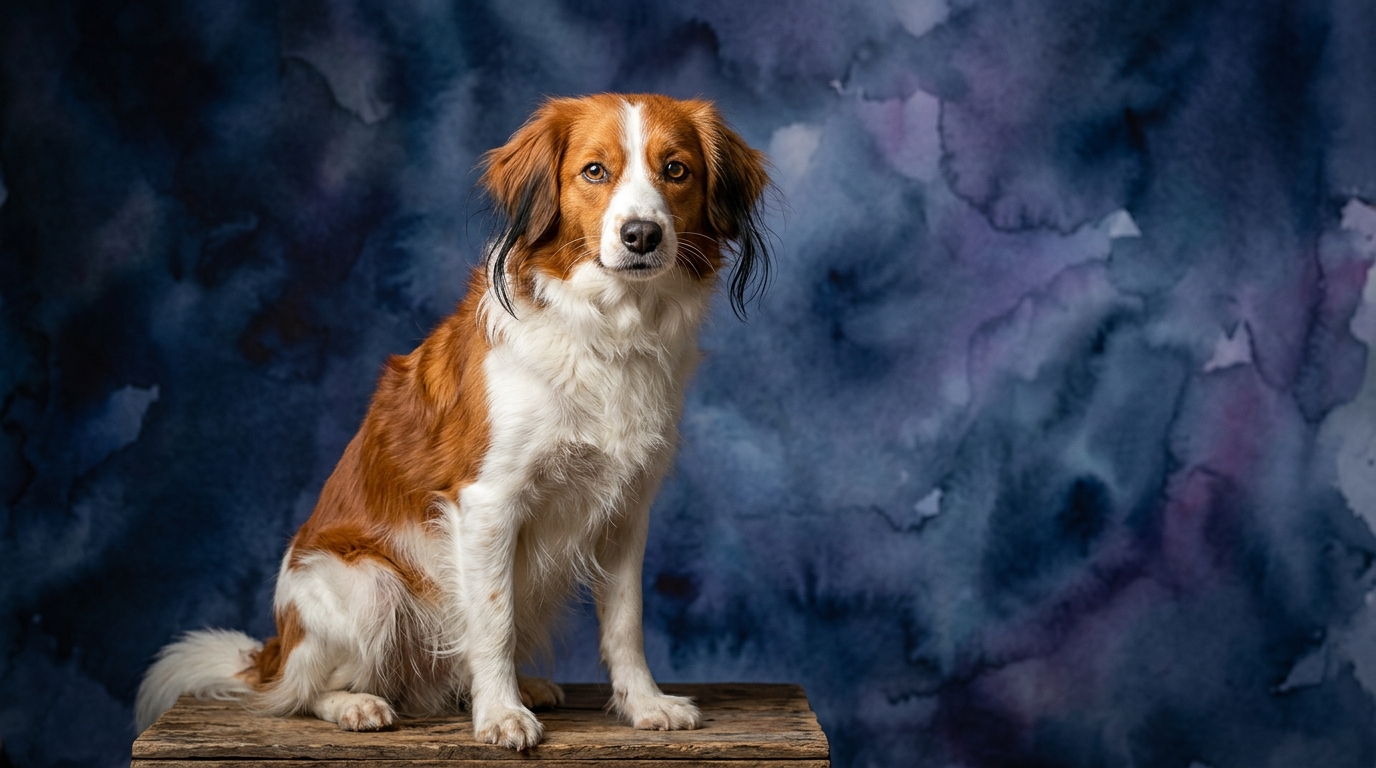
Despite sharing identical scores, the Kooikerhondje’s cognitive strengths often lean into its Sporting group heritage. Its problem-solving skills, while rated 3/5, tend to manifest more robustly in tasks requiring sustained focus and independent reasoning in dynamic outdoor environments. For instance, a Kooiker might more readily devise a strategy to navigate a new trail or figure out how to access a difficult-to-reach toy in a complex outdoor setup, demonstrating a persistent, goal-oriented approach that stems from its duck-tolling ancestry.
Their instinctive drive, also 3/5, provides a powerful underlying motivation for engagement with structured activities. This drive, when channeled, makes them particularly adept at learning and executing multi-step tasks that have a clear objective, such as agility courses or scent work. Their memory is often particularly strong for spatial layouts and sequences of actions related to a 'job,' allowing them to recall intricate routes or complex training patterns with precision.
Where the Japanese Chin Wins Cognitively
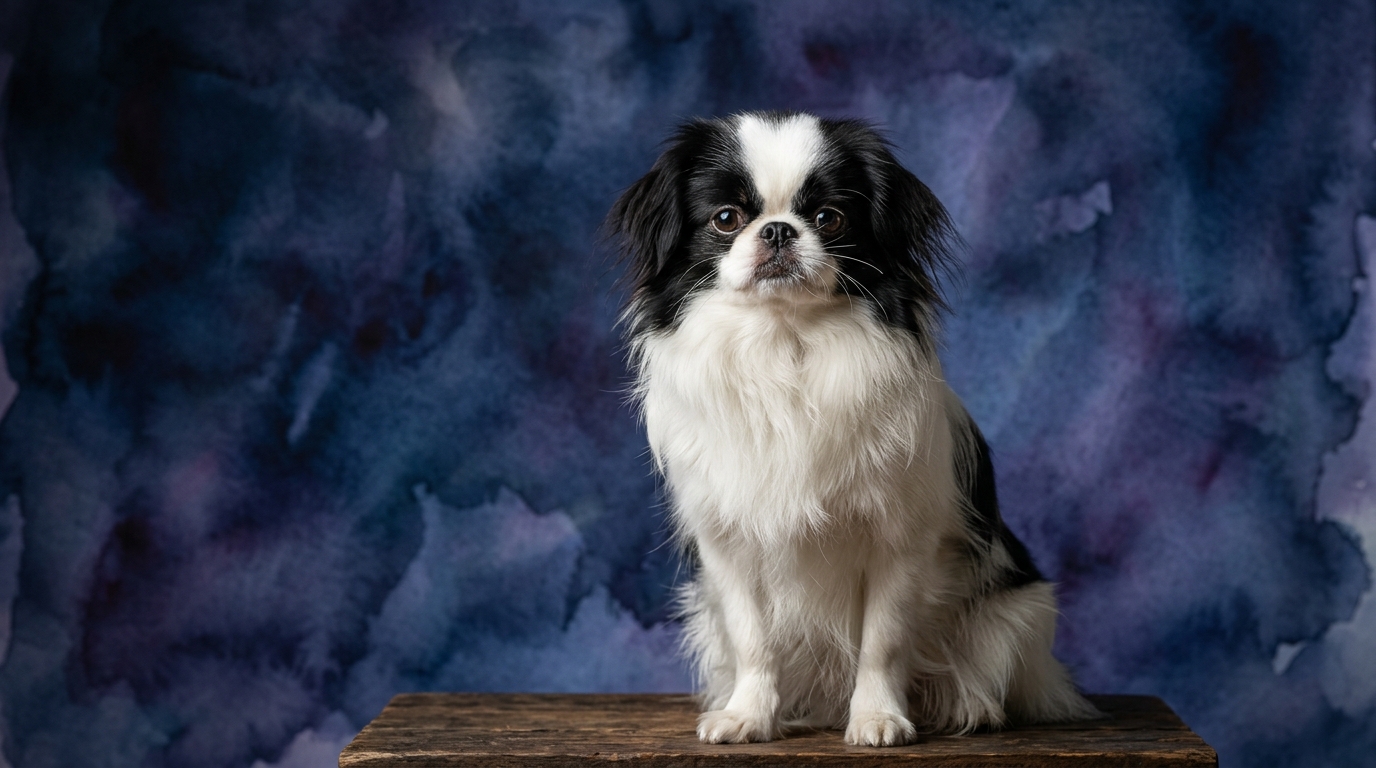
The Japanese Chin, conversely, excels in cognitive areas that underscore its role as a refined companion. Its 3/5 social intelligence, while numerically the same as the Kooikerhondje, often appears more finely tuned to human emotional states and subtle household dynamics. A Chin might more acutely pick up on a change in an owner's mood or respond with comforting gestures, demonstrating a profound empathetic connection that goes beyond simple obedience.
Their problem-solving, though 3/5, frequently involves clever manipulation of their environment for comfort or attention, such as strategically placing themselves to receive pets or finding the warmest, coziest spot in a room. Their memory is particularly sharp for routines and the preferences of their human family, allowing them to anticipate events like mealtimes or walks and adapt seamlessly to a household's rhythm. This breed's quiet observational skills contribute to a sophisticated understanding of their immediate world, making them perceptive and adaptable residents.
Which is Easier to Train and Why
Given that both breeds have a 3/5 Training Speed, the 'easier' breed to train often depends on the owner's approach and what is being taught. The Kooikerhondje, as a Sporting dog, generally thrives on clear, consistent training that engages its working drive. They respond well to positive reinforcement and appreciate having a 'job' to do, making them eager participants in activities like obedience, agility, or retrieving games. Their higher stamina and focus on tasks can make them seem more straightforward to train for structured activities, as their motivation is often externally focused on achieving a goal.
The Japanese Chin, a Toy breed, often requires a more gentle and relationship-based training approach. While they learn at a similar pace, their motivation is heavily influenced by social connection and comfort. They can be sensitive to harsh tones and might become withdrawn or stubborn if training is too demanding or repetitive without sufficient social reward. They excel in learning household manners and tricks that involve close interaction, often driven by a desire to please their beloved family members and secure affection. For an owner who values a strong emotional bond and uses positive, low-pressure methods, the Chin can be a delightful and responsive student, though their smaller bladder might make house-training a longer process compared to a larger, more independent breed.
Which Suits Active Owners vs. Relaxed Owners
The Kooikerhondje is undoubtedly better suited for active owners. As a Sporting breed, it possesses a moderate but persistent energy level and an innate desire for engagement. These dogs thrive with regular physical exercise, such as long walks, runs, or hikes, and benefit significantly from mentally stimulating activities like dog sports (agility, flyball, obedience) or scent work. An owner who enjoys outdoor adventures and is committed to consistent training and enrichment will find a Kooikerhondje to be a joyful and fulfilling companion, as their cognitive abilities are best utilized when given purpose and activity.
Conversely, the Japanese Chin is an excellent fit for more relaxed owners, though they are not entirely sedentary. While they enjoy short bursts of play and daily walks, their exercise requirements are significantly lower than the Kooikerhondje's. They are content to spend much of their day alongside their family, making them ideal for apartment living or owners with less active lifestyles. Their cognitive strengths shine in quiet companionship, observing household dynamics, and engaging in gentle play or short training sessions that reinforce their bond with their humans. They still benefit from mental enrichment through puzzle toys and interactive games but do not demand the same level of rigorous physical or task-oriented engagement.
The Verdict
Choose the Kooikerhondje if you are an active individual or family seeking a dedicated, task-oriented canine partner for outdoor adventures and structured training. This breed thrives on engagement and having a 'job' to do, leveraging its cognitive abilities in dynamic, goal-oriented ways.
Opt for the Japanese Chin if you desire a sensitive, perceptive companion who excels in close social interaction and adapts beautifully to a relaxed home environment. This breed's intelligence is best appreciated through its nuanced understanding of human emotions and its charming, devoted presence.
🧠 Find Your Pet's IQ Score
Our Pet IQ Lab assessment covers 25+ tests across 5 cognitive dimensions — personalized to your breed.
Take the Full IQ Test →Frequently Asked Questions
Do Kooikerhondjes bark a lot?
Kooikerhondjes are known to be alert and will bark to signal the arrival of visitors or unusual sounds, fulfilling their historical role as watchdogs. With proper training and socialization, this tendency can be managed, but they are generally not silent dogs.
Are Japanese Chins good with children?
Japanese Chins can be good with older, respectful children who understand how to interact gently with a small dog. Due to their delicate build and preference for quiet companionship, they may not be the best choice for very young or boisterous children.
Which breed sheds more?
Both breeds shed, but the Kooikerhondje, with its double coat, typically sheds more substantially, especially seasonally. The Japanese Chin has a single coat but still requires regular grooming to manage shedding and prevent matting, though often less intensely than the Kooiker.