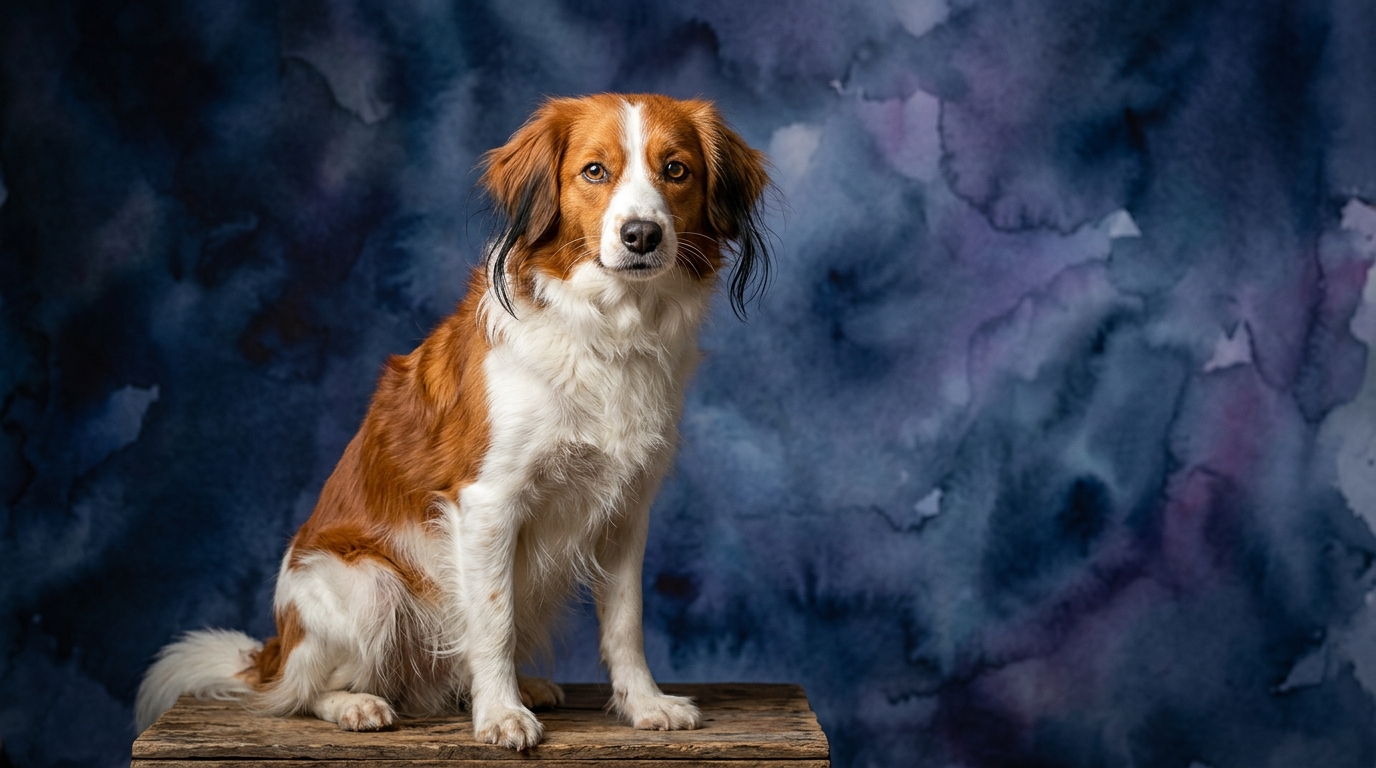
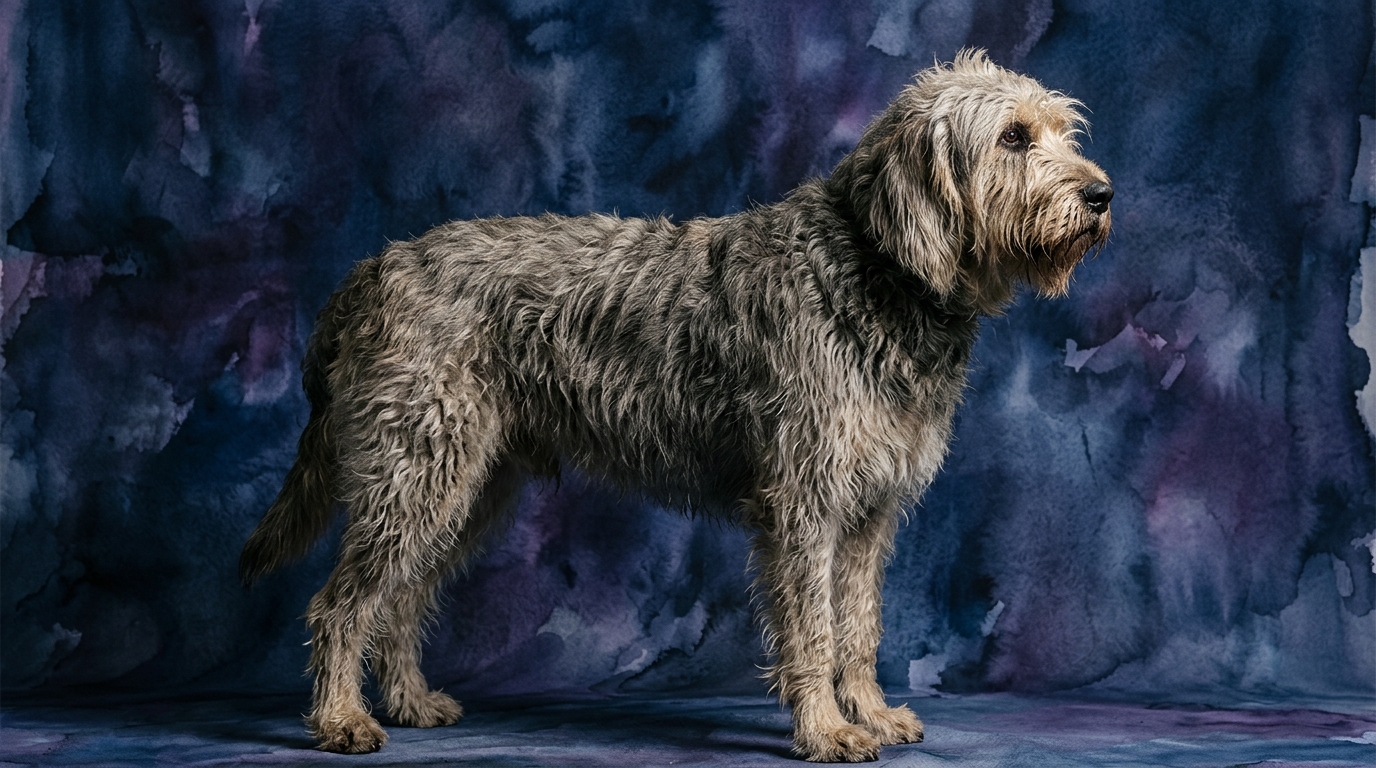
Side-by-Side Cognitive Profiles: Decoding the 3/5 Score
The Pet IQ Lab assesses five crucial cognitive dimensions, and both the Kooikerhondje and Otterhound register a consistent 3 out of 5 in each category. This 'moderate' score signifies a capable and adaptable intellect, not a deficiency, but rather a balanced set of abilities that manifest differently in each breed's context. Understanding these nuances requires looking beyond the number and into their specific applications.
For the Kooikerhondje, a Sporting dog from the Netherlands, its Problem Solving score of 3/5 reflects an aptitude for strategic tasks, historically luring ducks into traps. This isn't about brute force, but calculated movements and understanding cause-and-effect in a confined, intricate environment. Its Training Speed, also 3/5, indicates a dog that learns at a reasonable pace, often motivated by partnership and the desire to work. Social Intelligence at 3/5 means they are generally receptive to human cues and social structures within their family, though they can be reserved with strangers. The Instinctive Drive of 3/5 points to a moderate but present urge for retrieving, luring, and vigilance. Finally, a Memory score of 3/5 ensures they retain complex routines, learned commands, and social experiences effectively.
Conversely, the Otterhound, a British Hound breed, applies its identical 3/5 Problem Solving score to the relentless pursuit of game, navigating varied terrain, and overcoming obstacles to follow a scent trail. This problem-solving is less about strategy and more about persistence and environmental navigation. Its Training Speed of 3/5 means it can learn commands, but its primary motivation often lies in its powerful scent drive, which can override handler focus. Social Intelligence at 3/5 typically manifests as a boisterous, affectionate nature within its 'pack' (family), often less reserved than the Kooikerhondje, yet still attuned to social dynamics. The Instinctive Drive of 3/5 is overwhelmingly focused on scenting, tracking, and stamina, a powerful, persistent urge that defines much of its behavior. Memory at 3/5 is vital for recalling complex scent trails, spatial information, and the lessons of the hunt, alongside social interactions.
Where the Kooikerhondje Excels Cognitively
While their raw IQ scores are identical, the Kooikerhondje's cognitive strengths shine in areas demanding precise observation and nuanced interaction. Its 3/5 in Problem Solving, combined with its historical role as a 'decoy dog,' speaks to an inherent ability to understand sequential tasks and subtle environmental cues. They excel at deciphering patterns and reacting with agility, not just physical but mental, to manipulate situations. This makes them particularly adept at dog sports that require intricate movements and quick decisions, such as agility or obedience, where their moderate training speed can be harnessed effectively.
The Kooikerhondje’s 3/5 Social Intelligence also leans towards a more handler-centric cooperation. They develop strong bonds and are often quite sensitive to their owner's moods and intentions, making them responsive partners in training and daily life. This isn't about being overly subservient, but about a keen awareness of their human companion, allowing for a finely tuned working relationship that some more independent breeds might not offer. Their moderate Instinctive Drive, while present, is often more manageable and can be channeled into productive activities like retrieving or scent work on command, rather than dominating their entire focus.
Where the Otterhound Excels Cognitively
The Otterhound's cognitive strengths are rooted in endurance, independence, and an unparalleled focus on scent. Their 3/5 Problem Solving score, when applied to tracking, translates into an incredible capacity for sustained concentration and adaptive navigation. An Otterhound can follow a faint trail for hours, systematically processing complex olfactory information and overcoming physical barriers with persistent resolve. This is a cognitive marathon, not a sprint, demonstrating a different kind of mental fortitude and dedication to a task.
Their 3/5 Instinctive Drive for scent work is their defining cognitive 'win.' It’s a powerful, all-consuming drive that allows them to tune out distractions and operate with an almost singular purpose. This isn't just a physical trait; it's a profound cognitive specialization. While their 3/5 Training Speed might mean they don't learn 'sit' as quickly if a compelling scent is present, their memory is exceptional for environmental details and complex scent patterns, crucial for their historical hunting role. Their 3/5 Social Intelligence, while friendly, often means they are more comfortable making independent decisions in the field, relying on their own judgment rather than constant human direction during a task.
Training Dynamics: Kooikerhondje vs. Otterhound
Despite both breeds having a 3/5 Training Speed, the practical experience of training them diverges significantly due to their underlying motivations and instinctive drives. The Kooikerhondje, as a Sporting dog, typically approaches training with a desire to please its handler and engage in cooperative activities. While it has an independent streak and can be discerning, its moderate instinctive drives are generally amenable to direction, making it relatively receptive to positive reinforcement methods. Challenges might arise from their sensitivity or occasional stubbornness, but a consistent, engaging approach typically yields good results.
The Otterhound, on the other hand, presents a different training landscape. Its 3/5 Training Speed is heavily influenced by its potent 3/5 Instinctive Drive for scent. While capable of learning, an Otterhound's nose often dictates its attention. If a compelling scent is present, their focus on a handler's command can wane dramatically. Training an Otterhound often requires immense patience, creativity, and an understanding of how to work *with* their scent drive, rather than against it. Early and consistent socialization, coupled with reward-based training that makes 'listening' more rewarding than 'sniffing,' is crucial, but owners should be prepared for a dog whose primary agenda might not always align with theirs, especially outdoors.
Lifestyle Suitability: Active vs. Relaxed Owners
The Kooikerhondje generally suits active owners who enjoy engaging their dog in various activities but also appreciate a calm demeanor indoors. They thrive with regular walks, play sessions, and mental enrichment like puzzle toys or dog sports. Their moderate energy levels mean they are not endlessly demanding but do require consistent engagement to prevent boredom. They are often content to curl up with their family after a good exercise session, making them adaptable companions for those who balance activity with relaxation.
The Otterhound, by contrast, demands a significantly more active and specific type of owner. Their robust build, shaggy coat, and powerful scent drive necessitate extensive outdoor activity. They are built for endurance and require long, vigorous walks, hikes, or opportunities to explore scent trails in secure areas. A relaxed owner will quickly find themselves overwhelmed by an Otterhound's unmet physical and mental needs, which can lead to destructive behaviors. They are best suited for individuals or families who embrace an active, outdoor lifestyle and are prepared to dedicate substantial time to fulfilling their hound's innate desire to explore and track.
The Verdict: When to Choose Each Breed
The Verdict
Choose the Kooikerhondje if you seek a versatile, sensitive companion eager for cooperative activities and capable of adapting to a balanced family lifestyle that includes both mental engagement and physical exercise. They are a good fit for owners who appreciate a dog with a moderate energy level and a keen awareness of their human partners.
Opt for the Otterhound if you are an incredibly active owner who enjoys the outdoors, is prepared for a large, boisterous companion, and understands the unique challenges and rewards of living with a scent-driven hound. They thrive with extensive opportunities to use their powerful nose and robust body, making them ideal for those who embrace a rugged, adventurous lifestyle.
🧠 Find Your Pet's IQ Score
Our Pet IQ Lab assessment covers 25+ tests across 5 cognitive dimensions — personalized to your breed.
Take the Full IQ Test →Frequently Asked Questions
Do Kooikerhondjes bark a lot?
Kooikerhondjes can be prone to barking, especially as alerts to new arrivals or unusual sounds, reflecting their moderate instinctive drive for vigilance. Early training and socialization can help manage this tendency, but they are generally more vocal than some other breeds.
Are Otterhounds good with children and other pets?
Otterhounds are typically known for their friendly, boisterous nature and are generally good with children, though their size and enthusiasm mean supervision is always wise. With proper introductions, they can coexist peacefully with other pets, but their strong prey drive means small, fleeing animals might trigger their instinctive drive.
What kind of grooming do these breeds require?
The Kooikerhondje requires regular brushing a few times a week to maintain its medium-length coat and prevent matting, along with occasional trims. The Otterhound, with its dense, shaggy, and oily double coat, needs weekly brushing to prevent mats and remove debris, and may require more frequent bathing due to its love for water and outdoor adventures.