Side-by-Side Cognitive Profiles
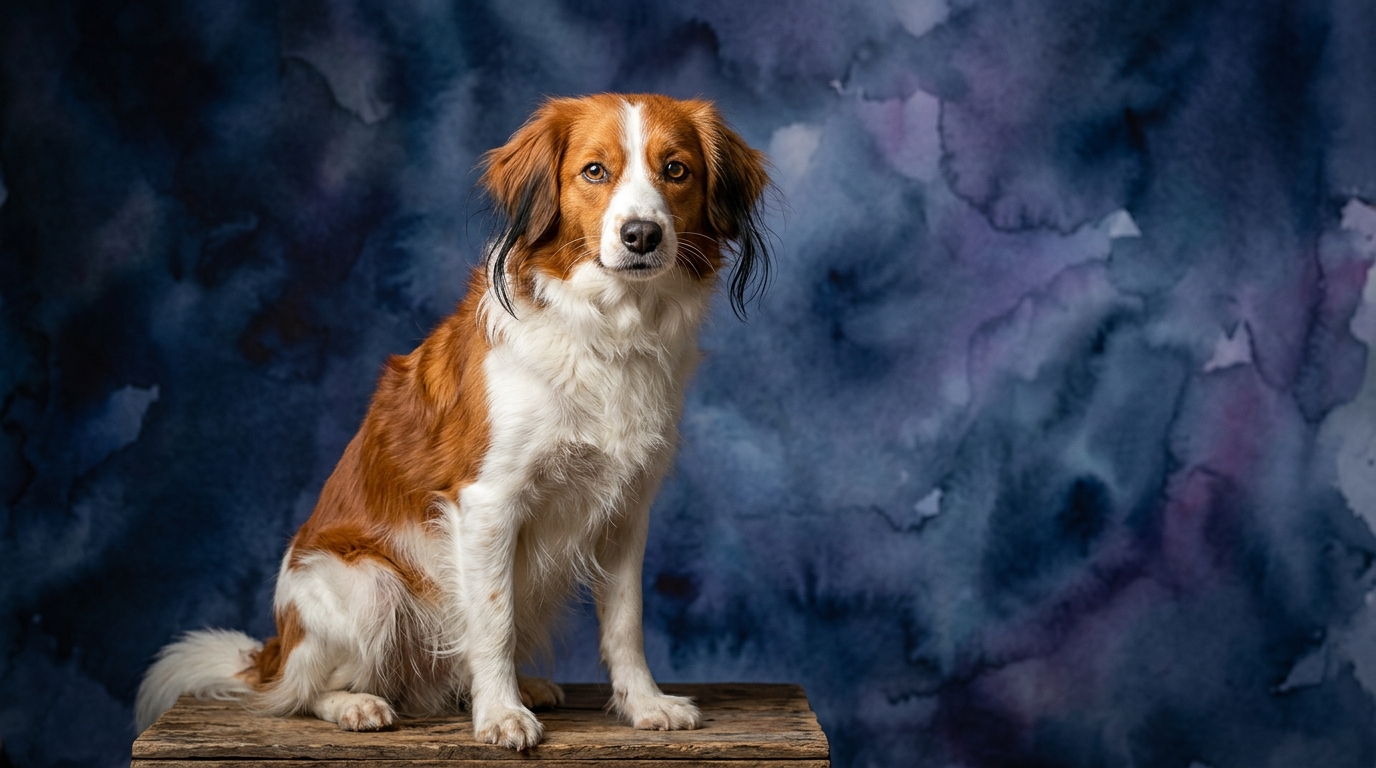
The Kooikerhondje, a charming Dutch sporting dog historically employed to lure ducks, demonstrates a balanced cognitive profile across our five dimensions. Their Problem Solving (3/5) manifests as practical ingenuity, particularly in tasks requiring observation and adaptation; they are adept at understanding cause-and-effect within structured environments, such as manipulating puzzle toys or navigating agility courses, often preferring to solve problems through careful consideration rather than brute force, a trait valuable in their traditional decoying role. For Training Speed (3/5), they absorb new commands at a moderate but consistent pace, with their desire to cooperate and good attention span making them responsive to engaging, positive reinforcement methods. Social Intelligence (3/5) allows them to form strong, loyal bonds with their family, being reasonably attuned to human emotional states and seeking to participate in family activities. Their Instinctive Drive (3/5) is robust, centered on retrieving and decoying, motivating them towards tasks involving birds, water, and focused observation. Finally, their Memory (3/5) is reliable for routines, learned behaviors, and specific locations, retaining training effectively over time.
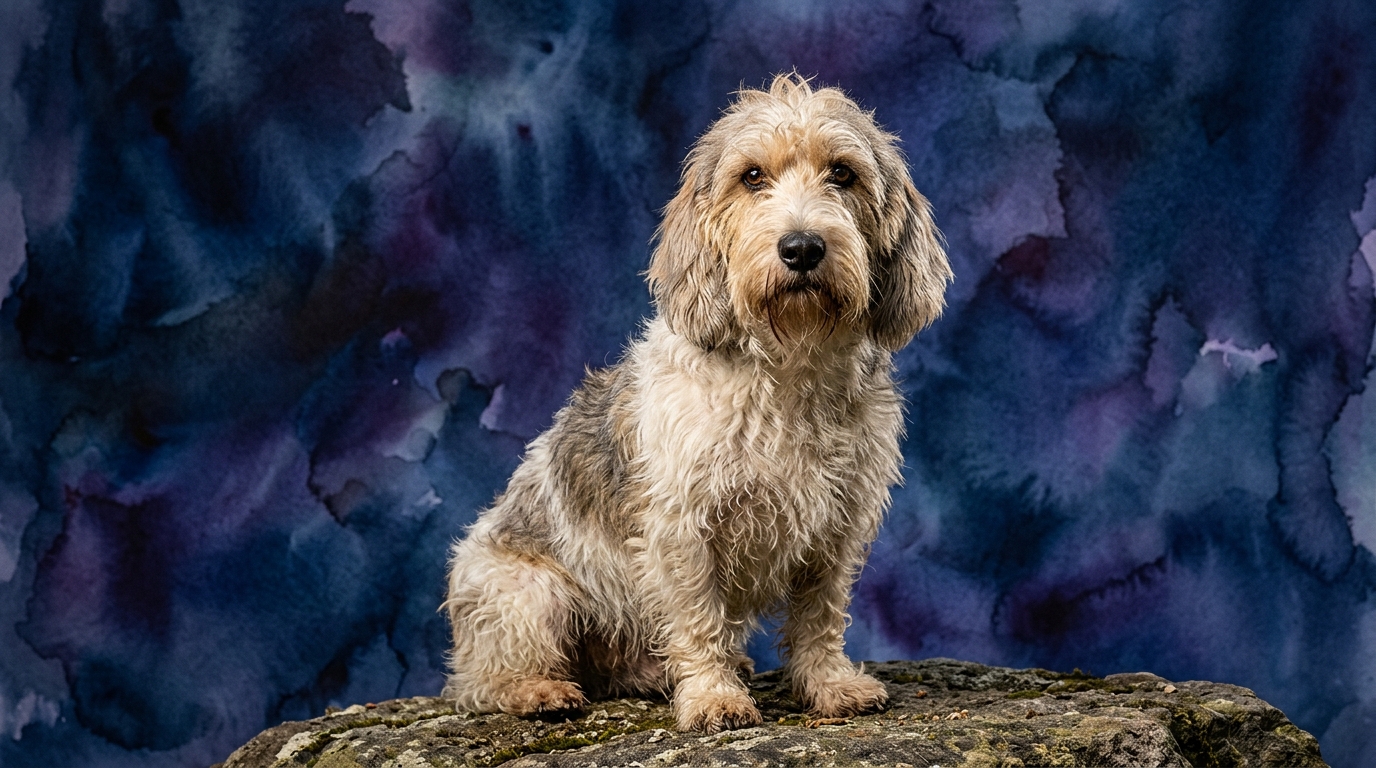
The Petit Basset Griffon Vendéen (PBGV), a lively French hound bred for hunting small game, brings a distinct set of cognitive strengths to the table. Their Problem Solving (3/5) displays as a persistent, independent approach, particularly when their powerful nose is engaged; they are skilled at navigating complex environments, figuring out how to bypass obstacles, and tenaciously following a scent trail, often employing trial-and-error with a strong sense of purpose to reach their desired, scent-driven goal. For Training Speed (3/5), while capable of learning new commands at a moderate pace, their progress is significantly influenced by their independent hound nature; they can grasp concepts readily but may choose when and if to execute them based on prevailing distractions or whether the command aligns with their current interests. Social Intelligence (3/5) means PBGVs are generally quite social, enjoying the company of their human 'pack' and other dogs with a boisterous enthusiasm, though they may be less concerned with subtle human emotional nuances than with the general mood of fun and engagement. Their Instinctive Drive (3/5) is powerful, focused on hunting and scenting, compelling them to explore with their nose and follow trails with tenacious focus. Their Memory (3/5) is good for places, people, and especially for scent paths, recalling where a good trail was found or a particular reward was earned, demonstrating a memory strongly tied to their sensory experiences.
Where the Kooikerhondje Wins Cognitively
The Kooikerhondje’s cognitive strengths lean towards cooperative tasks and nuanced interaction, making them excel in environments where a partnership with their handler is key. Their 3/5 problem-solving ability, coupled with their sporting dog heritage, suggests an edge in activities requiring sustained focus on a human partner and understanding complex sequences of actions, such as advanced obedience routines or intricate agility courses. For instance, a Kooikerhondje might more readily grasp the concept of 'stay' in a highly distracting environment due to their inherent desire for human approval and cooperation, interpreting the command as a joint effort rather than an imposition. Their social intelligence, while rated similarly to the PBGV, often manifests as a greater willingness to work *with* their handler, making them potentially more receptive to intricate training protocols where human direction is paramount and consistent feedback is provided. They are adept at observing and responding to subtle body language and vocal cues, which enhances their performance in precision-based activities.
Where the Petit Basset Griffon Vendéen Wins Cognitively
Conversely, the Petit Basset Griffon Vendéen’s cognitive profile shines in areas demanding independent thought and tenacious pursuit, particularly when driven by scent. Their 3/5 problem-solving manifests as a robust ability to navigate intricate outdoor environments, overcome physical barriers, and follow a fading trail with remarkable persistence, a skill honed over centuries of hunting small game. A PBGV might independently figure out how to circumvent a fence or locate a hidden treat using only their nose, demonstrating a self-directed ingenuity that is less about pleasing a handler and more about satisfying an innate drive. While their training speed is 3/5, their powerful instinctive drive to hunt means they excel at tasks that leverage this natural inclination, such as scent work, tracking, or barn hunt, where their focus becomes absolute and their determination unwavering. Their memory for specific scents and successful hunting strategies is particularly strong, making them formidable in scent-based challenges.
Which Is Easier to Train and Why
When considering ease of training, the Kooikerhondje generally presents a more straightforward path for the average owner seeking a highly responsive companion. Their sporting background imbues them with a cooperative spirit and a readiness to engage with their handler, making their 3/5 training speed more consistently applicable to obedience, trick training, and dog sports. They are typically motivated by praise, play, and food, and their social intelligence makes them keen observers of human intentions, which significantly aids in understanding and executing commands. Their focus is often directed towards their handler, making them less prone to environmental distractions during training sessions.
The Petit Basset Griffon Vendéen, while equally capable of learning with its 3/5 training speed, often requires a trainer who understands the independent nature of a hound. Their powerful instinctive drive to follow scent can easily override learned behaviors, presenting a significant challenge in distracting outdoor environments. Training a PBGV effectively means making training feel like a game that satisfies their inherent curiosity and desire to explore, often involving food rewards and making the desired behavior more appealing than following a scent. Their memory is excellent for things that interest them, so making training relevant to their hound instincts is crucial, and patience is a virtue when dealing with their charming stubbornness.
Which Suits Active Owners vs. Relaxed Owners
The Kooikerhondje typically suits active owners who enjoy engaging in structured activities with their dog and value a true partnership. Their blend of 3/5 instinctive drive and social intelligence means they thrive on purpose-driven outings like retrieving, agility, rally obedience, or long walks and hikes where they can participate actively alongside their human companion. While they appreciate downtime and quiet family moments, their minds and bodies are geared for regular engagement and cooperative work, making them ideal companions for those seeking a partner in various dog sports or outdoor adventures. They need consistent mental stimulation to prevent boredom and channel their intelligence constructively.
The Petit Basset Griffon Vendéen also requires active owners, but their activity often takes a different, more independent form. Their strong 3/5 instinctive drive, particularly for scenting, means they need ample opportunities for independent exploration in secure areas or structured scent work. They are rambunctious, enjoy boisterous play, and possess remarkable stamina, requiring owners who appreciate a dog with boundless energy and a propensity for following their nose, even if it leads them off the beaten path. While they enjoy cuddling on the couch, their true contentment comes from fulfilling their hound nature, making them less suited for purely relaxed, sedentary lifestyles and more for those who can accommodate their exploratory impulses.
The Verdict
Choose the Kooikerhondje if you seek a cooperative, intelligent partner for structured activities and a strong desire to work alongside you in a variety of dog sports and family engagements.
Opt for the Petit Basset Griffon Vendéen if you appreciate an independent, tenacious explorer driven by scent, willing to engage on their own terms, and bring boundless, joyful energy to your life, especially if you enjoy scent-based activities.
🧠 Find Your Pet's IQ Score
Our Pet IQ Lab assessment covers 25+ tests across 5 cognitive dimensions — personalized to your breed.
Take the Full IQ Test →Frequently Asked Questions
Are Kooikerhondjes good for first-time dog owners?
Their cooperative nature and moderate training speed make them a good choice for committed first-time owners who are prepared for consistent, positive reinforcement training and regular mental and physical engagement.
Do PBGVs bark a lot?
Yes, PBGVs are hounds and are prone to barking and baying, especially when on a scent trail or when excited, which is a natural expression of their instinctive drive to communicate.
Which breed is better with children?
Both breeds can be excellent with children when properly socialized; the Kooikerhondje tends to be more reserved and observant, while the PBGV is often more boisterous and playful, requiring supervision with very young children due to their exuberance.