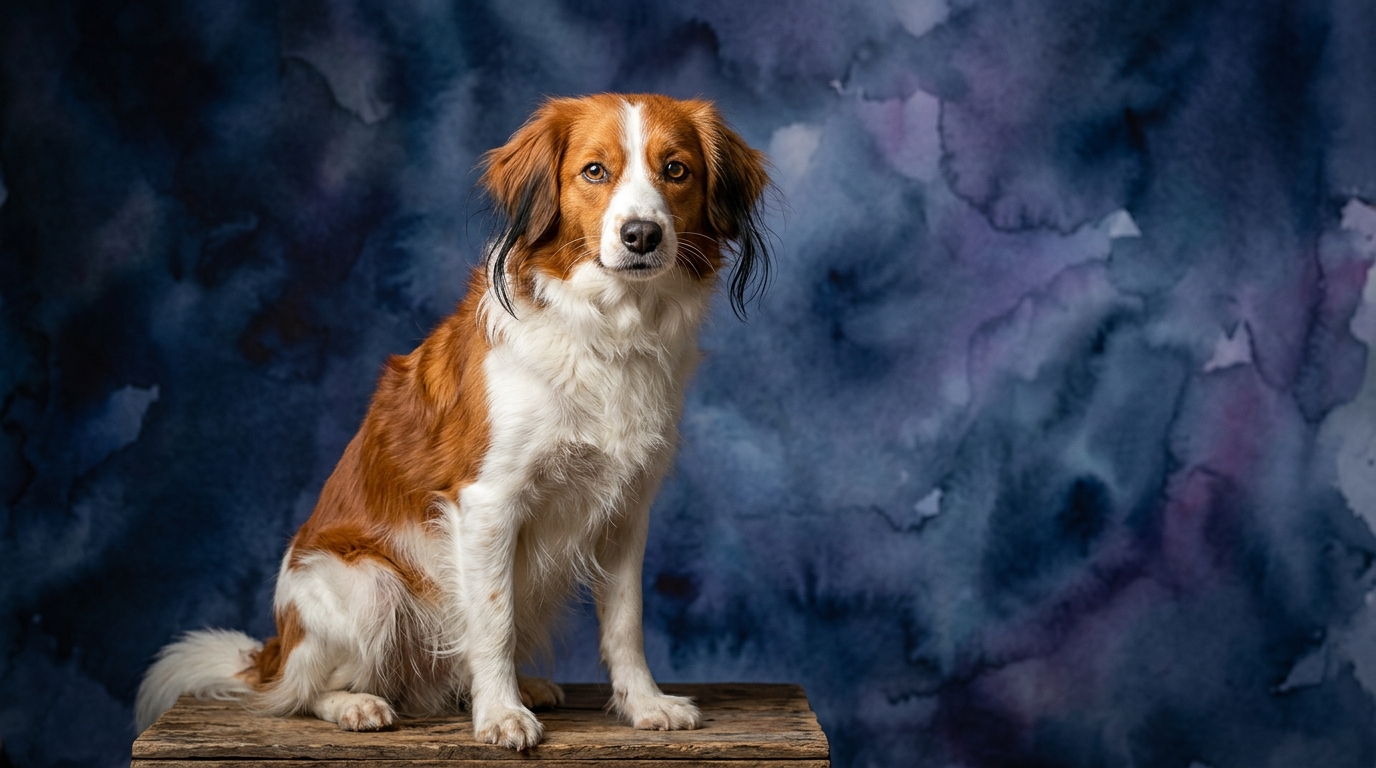
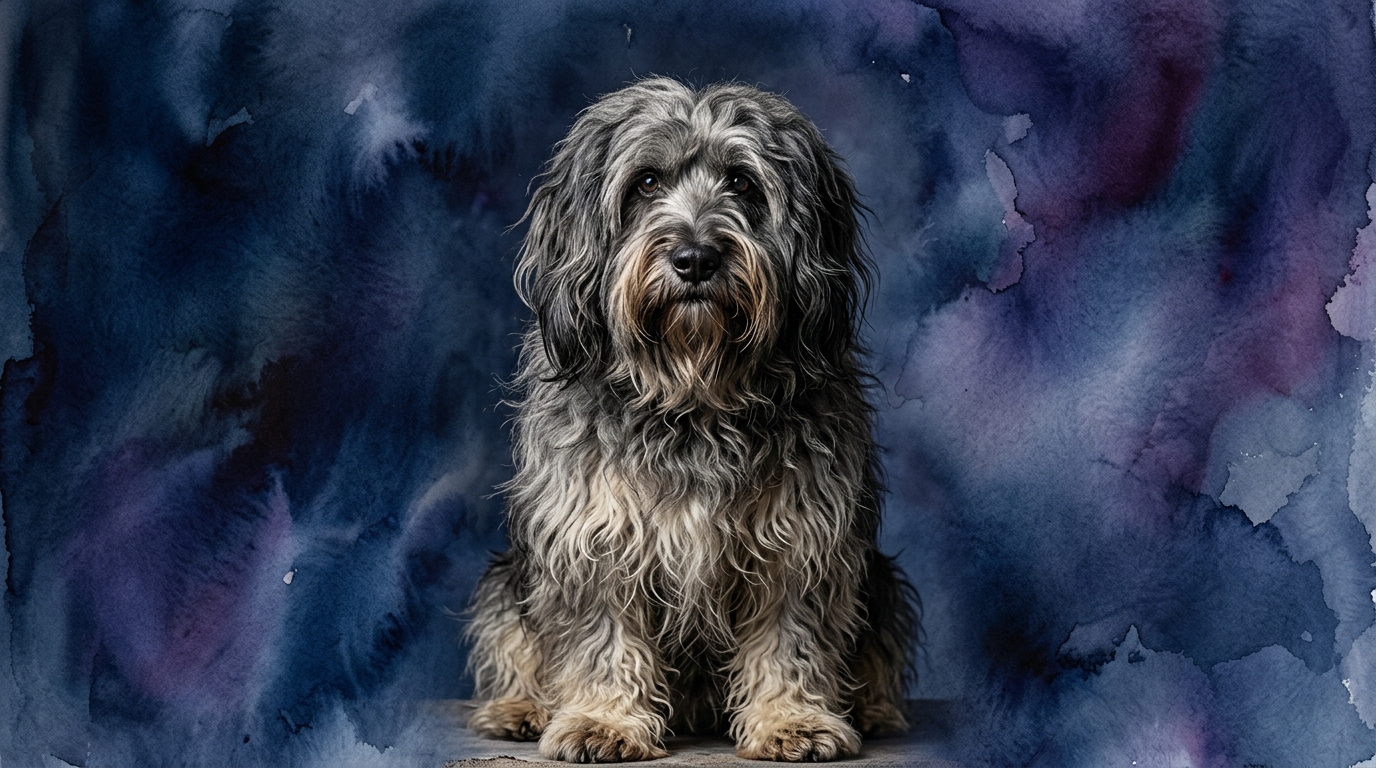
Side-by-Side Cognitive Profiles: Kooikerhondje vs. Polish Lowland Sheepdog
At first glance, the Cosmic Pet Pet IQ Lab scores for both the Kooikerhondje and the Polish Lowland Sheepdog appear identical across all five dimensions of intelligence: Problem Solving, Training Speed, Social Intelligence, Instinctive Drive, and Memory, each rated at 3 out of 5. However, these identical numerical ratings belie distinct behavioral manifestations and applications of these cognitive traits, shaped by their unique breed histories and purposes.
The Kooikerhondje, originating as a duck luring dog, exhibits a Problem Solving score of 3/5 that manifests as cleverness in understanding cause-and-effect relationships, particularly when a desired outcome, like a reward, is involved. They can figure out how to open simple latches or navigate familiar obstacles, often with a goal-oriented focus.
Their Training Speed, also 3/5, indicates a moderate pace of learning new commands and routines. Kooikerhondjes respond well to positive reinforcement and consistency, often motivated by play and connection with their owner, though their independent spirit means they aren't always instantly compliant.
A Social Intelligence score of 3/5 for the Kooikerhondje suggests they are perceptive within their trusted circle, attuned to their family's moods and intentions. They can be reserved or wary with strangers, indicating a selective social awareness rather than a universally outgoing nature.
The Kooikerhondje's Instinctive Drive, rated 3/5, is strongly rooted in their historical function. They possess a significant retrieving drive and a keen interest in birds, which translates into a focused, persistent pursuit of moving objects or items resembling prey, requiring consistent management.
Finally, their Memory score of 3/5 means Kooikerhondjes retain learned behaviors, routines, and experiences effectively. They remember both positive and negative interactions, influencing their future responses and building a reliable foundation for training and companionship.
The Polish Lowland Sheepdog, or PON, bred for herding in challenging conditions, also scores 3/5 in Problem Solving, but this often expresses as independent, resourceful decision-making. They are adept at figuring out complex environmental challenges or devising their own solutions to perceived problems, sometimes without human instruction.
Their Training Speed, also 3/5, reflects their capacity to learn, yet it's often tempered by a strong-willed, 'think for themselves' attitude. PONs require engaging, varied training methods to prevent boredom and convince them the task is worthwhile, as simple repetition might not suffice.
The PON's Social Intelligence of 3/5 is distinctly protective and observant. They are deeply attuned to their family's dynamics and emotions, but their social awareness extends to vigilant monitoring of their surroundings and a watchful, sometimes reserved, demeanor towards outsiders, reflecting their guardian instincts.
An Instinctive Drive of 3/5 for the Polish Lowland Sheepdog is dominated by their powerful herding impulse. This drive manifests as a desire to gather, control, and protect their 'flock' – often their human family – and can be directed towards other pets or even inanimate objects if not appropriately channeled.
With a Memory score of 3/5, PONs demonstrate excellent recall for commands, routines, and significant events. This strong memory contributes to their reliability in their roles, but also means they will remember perceived injustices or inconsistencies, impacting future training and trust.
Where the Kooikerhondje Cognitively Excels
The Kooikerhondje's cognitive strengths often shine in tasks requiring focused attention on specific objects and a degree of cooperative interaction with their human. Their luring heritage means they are adept at understanding sequential actions leading to a reward, quickly grasping the steps of a complex retrieve or a 'find the treat' puzzle that involves multiple stages. This isn't just about raw problem-solving but about understanding the *game* and working *with* their person to achieve a mutual goal.
Their social intelligence, while not broadly outgoing, allows them to form deep, intuitive bonds with their primary caregivers. They are remarkably sensitive to subtle changes in tone or body language within their trusted circle, often anticipating needs or moods. This leads to a profoundly empathetic companionship, where the dog isn't just responding to commands but reacting to the nuances of their owner's emotional state, making them wonderfully attuned partners in daily life.
Where the Polish Lowland Sheepdog Cognitively Excels
The Polish Lowland Sheepdog demonstrates particular cognitive prowess in independent decision-making and comprehensive environmental awareness, directly stemming from its herding role. They excel at assessing situations autonomously, such as determining the most effective way to manage a group of animals or discerning if a new person or situation warrants suspicion. This translates into resourceful, self-initiated problem-solving, even if their solution isn doesn't always align with human expectations, showcasing a robust ability to act without direct instruction.
Their strong instinctive drive is channeled into a protective and organizational intelligence. A PON might spontaneously 'herd' family members away from a perceived danger or position themselves strategically to observe the entire household, demonstrating a deep-seated desire to maintain order and safety within their perceived flock. This isn't merely instinctual action; it's an intelligent application of their drives to manage and safeguard their environment and its inhabitants, often with a surprising foresight.
Training Dynamics: Which is Easier and Why?
While both breeds score 3/5 in Training Speed, suggesting a moderate learning curve, their underlying behavioral differences create distinct training experiences. The Kooikerhondje, with its retrieving and luring background, generally responds well to positive reinforcement methods that involve games, praise, and high-value rewards. They are typically eager to please their trusted person, which can make them quite amenable to consistent, engaging training sessions, though their inherent independence means they won't be robotically compliant.
The Polish Lowland Sheepdog, conversely, presents a unique challenge due to its strong independent problem-solving and deeply ingrained herding instincts. While capable of learning quickly, they often prefer to 'think for themselves' and may try to outsmart or test boundaries. Training a PON requires immense patience, creativity, and a firm but fair hand. They need to believe the training is their idea or serves a purpose they deem valuable, and might learn a command but then choose whether or not to obey based on their assessment of the situation.
Therefore, while both require commitment, the Kooikerhondje typically offers a more straightforward training path for owners willing to engage in positive, game-based methods and appreciate a cooperative learner. The Polish Lowland Sheepdog demands an owner who understands and respects its independent, often stubborn, nature, transforming training into a continuous negotiation and partnership rather than a simple instruction-following exercise.
Matching Cognitive Profiles to Owner Lifestyles
For active owners, both breeds offer engaging companionship, but with different nuances. The Kooikerhondje thrives on activities that tap into its retrieving and luring drives, such as agility, flyball, or advanced trick training, where they can work in tandem with their owner. Their moderate energy levels and cooperative nature make them excellent partners for consistent, goal-oriented activities and structured outdoor adventures that involve mental stimulation.
The Polish Lowland Sheepdog also requires substantial mental and physical engagement, but their independent problem-solving and herding drive mean they often prefer activities where they can exert some control or solve tasks autonomously. Herding trials, complex scent work, or even 'jobs' like therapy work where they can 'manage' a room can be highly fulfilling. Their robust nature means they can handle long hikes or challenging outdoor pursuits, often taking the lead in exploration.
For more relaxed owners, neither breed is truly a 'couch potato,' but their needs differ significantly. A Kooikerhondje might adapt better to a slightly less intense daily routine, provided they receive regular, focused interactive play and mental puzzles to prevent boredom. Their social intelligence means they appreciate quiet companionship and being involved in family life, even if just observing from a comfortable spot.
A Polish Lowland Sheepdog, even with a relaxed owner, will still seek outlets for its strong drives. Without appropriate mental and physical channels, their independent problem-solving might manifest in undesirable ways, such as redecorating the house or self-appointed 'herding' of children. A relaxed owner considering a PON must be prepared to provide consistent, thoughtful mental stimulation and opportunities for the dog to 'work,' even if that work is within the home environment, to prevent frustration and behavioral issues.
The Verdict
Choose a Kooikerhondje if you appreciate a cooperative, empathetic companion eager to engage in structured games and activities, and value a dog sensitive to your emotional state within a close bond.
Opt for a Polish Lowland Sheepdog if you are drawn to an independent, resourceful thinker with strong protective instincts, and are prepared for a dog that requires creative, patient training and opportunities for autonomous decision-making.
🧠 Find Your Pet's IQ Score
Our Pet IQ Lab assessment covers 25+ tests across 5 cognitive dimensions — personalized to your breed.
Take the Full IQ Test →Frequently Asked Questions
Are Kooikerhondjes good with children?
Kooikerhondjes are generally good with respectful children within their family, showing patience and a gentle nature. However, their reserved social intelligence means they may not tolerate boisterous play from unfamiliar children and prefer calm, predictable interactions.
Do Polish Lowland Sheepdogs bark a lot?
Yes, Polish Lowland Sheepdogs can be prone to barking due to their protective herding instincts. They often use their voice to alert their family to perceived threats or to 'manage' their environment, requiring consistent training to moderate this behavior.
Which breed is more suited for first-time dog owners?
Given their cooperative nature and responsiveness to positive reinforcement, the Kooikerhondje is generally a more manageable choice for a first-time dog owner willing to commit to consistent, engaging training. The Polish Lowland Sheepdog's strong independence and herding drive can be challenging without prior experience or a deep understanding of dog behavior.