Side-by-Side IQ Profile
The Cosmic Pet Pet IQ Lab assesses five crucial cognitive dimensions, rating each on a scale of 1 to 5. Interestingly, both the Kooikerhondje and the Scottish Terrier achieve a consistent score of 3/5 across all categories, suggesting a balanced yet distinct cognitive framework within each breed.
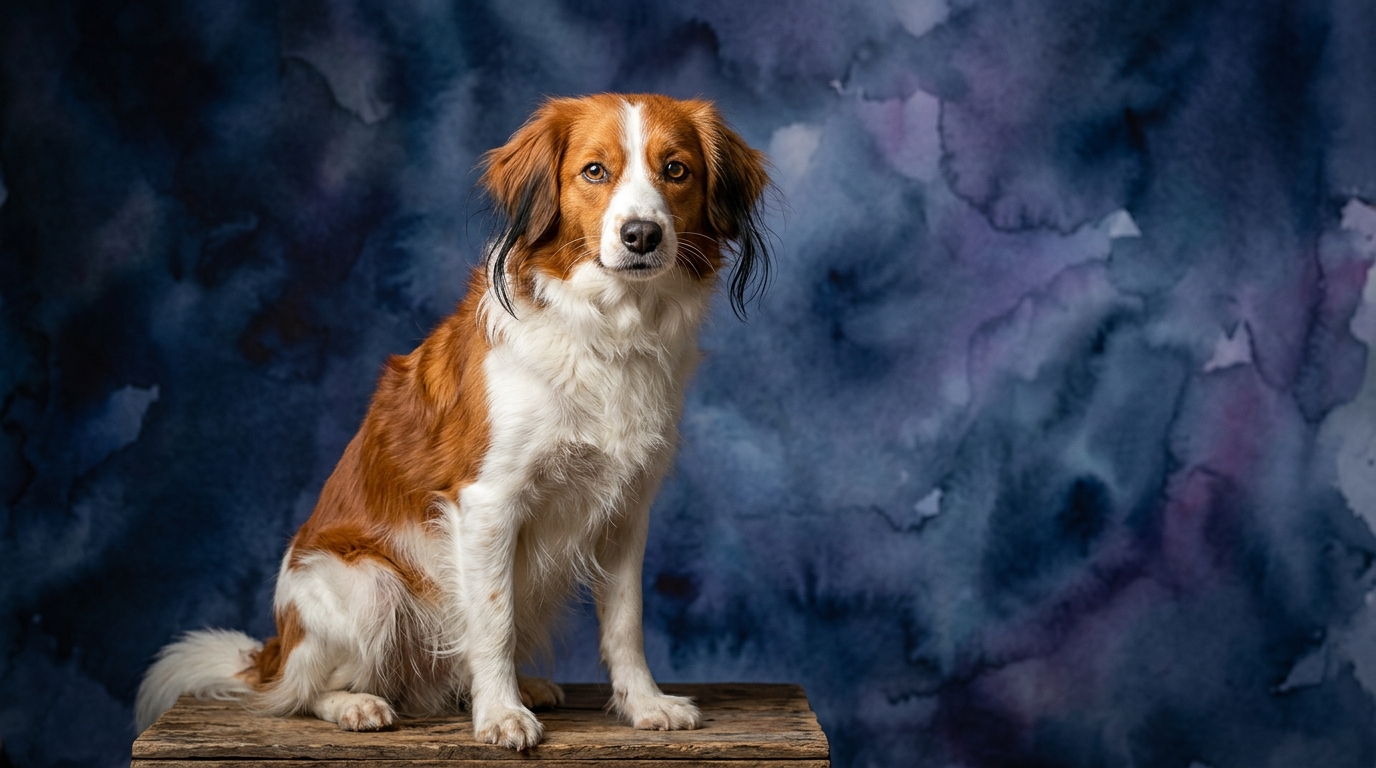
For the **Kooikerhondje**, a breed originating as a duck toller, a **Problem Solving** score of 3/5 manifests as a keen ability to understand and execute complex tasks, such as luring waterfowl into traps or navigating varied terrain during a hunt. Their **Training Speed** at 3/5 reflects a biddable nature; they are typically eager to learn and respond well to positive reinforcement, quickly grasping new commands when motivated by cooperation. Their **Social Intelligence** (3/5) allows them to form deep bonds with their families, reading human cues with sensitivity, though they may be reserved with strangers until trust is established. An **Instinctive Drive** of 3/5 highlights their historical purpose, expressed through a moderate prey drive, a natural aptitude for retrieving, and a desire for engaging work. Finally, their **Memory** at 3/5 ensures they retain commands, routines, and past experiences, both positive and negative, forming a reliable foundation for consistent behavior.
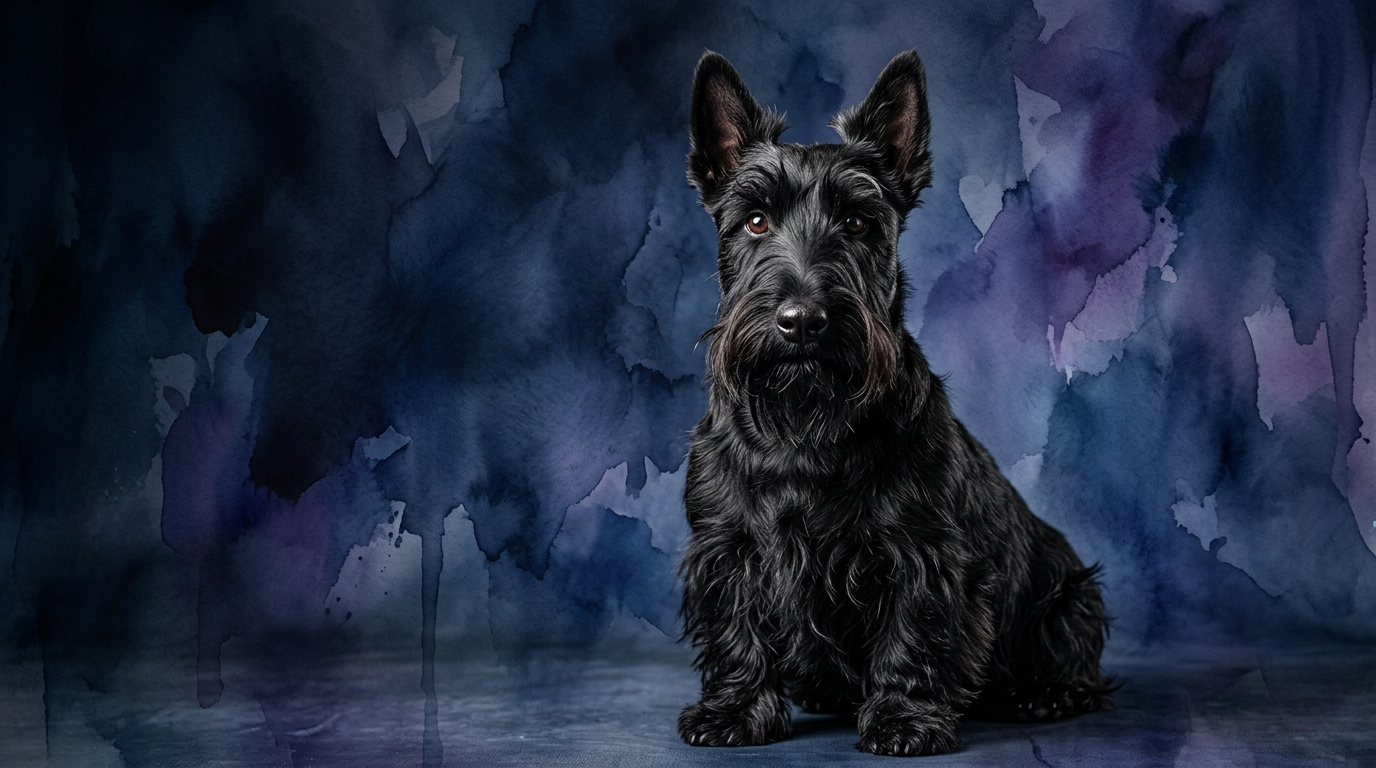
The **Scottish Terrier**, a tenacious vermin hunter from the Highlands, expresses its identical scores through a different lens. Their **Problem Solving** (3/5) is often demonstrated through independent thought and persistent effort, such as figuring out how to access a desired object or navigating a complex underground burrow. A **Training Speed** of 3/5 for a Scottie means they are capable learners, but their independent spirit requires consistent, firm, and engaging methods; they learn quickly when they perceive a benefit or when the task aligns with their intrinsic motivation. Their **Social Intelligence** (3/5) centers on fierce loyalty to their family unit, though they can be quite aloof with outsiders, often observing social dynamics with a discerning eye. The **Instinctive Drive** of 3/5 is pronounced in their breed, manifesting as a strong prey drive, a propensity for digging, and an unwavering determination in pursuit of a perceived 'quarry.' Their **Memory** at 3/5 means they recall successful strategies, past training, and social interactions with remarkable clarity, which can contribute to their distinctive independent streak.
Where Kooikerhondje Wins Cognitively
While their raw IQ scores are numerically identical, the Kooikerhondje demonstrates a cognitive edge in areas requiring cooperative effort and nuanced communication with their human companions. Their historical role as a duck toller demanded a close working relationship, where subtlety and responsiveness to human direction were paramount. This translates into a superior ability to read and respond to nuanced human body language and vocal cues, often anticipating a handler's next move in a cooperative task. This sensitivity allows them to adapt more fluidly to new training scenarios, especially when positive reinforcement and a strong bond are present. They excel in tasks that require intricate sequences of commands and a willingness to work 'with' their handler, rather than independently. Their social intelligence, while rated 3/5 like the Scottie, is often expressed through a greater desire for mutual engagement and collaboration, making them particularly adept at activities like obedience, agility, or rally where a cohesive partnership is key.
Where Scottish Terrier Wins Cognitively
The Scottish Terrier's cognitive strengths lie in their robust independence and unwavering tenacity, qualities honed by centuries of solitary vermin hunting. Where the Kooiker might seek human guidance, the Scottie is often at its best when faced with a problem requiring self-reliant ingenuity. Their 3/5 in problem-solving often manifests as an exceptional ability to devise their own solutions, particularly when pursuing a goal they deem important, such as finding a hidden toy or figuring out an escape route. This includes a remarkable perseverance in tasks that require sustained, solitary effort, such as digging to uncover a scent. Their memory, also rated 3/5, is particularly strong for successful independent strategies, meaning they are likely to repeat actions that have yielded personal rewards in the past. This makes them remarkably resilient and determined, making them formidable competitors in earthdog trials or any activity that taps into their innate drive for autonomous exploration and conquest.
Which Is Easier to Train and Why
Despite both breeds scoring 3/5 in Training Speed, the Kooikerhondje is generally perceived as easier to train due to fundamental differences in temperament and motivation. The Kooikerhondje's background as a cooperative hunting dog means they are typically more eager to please their handler and possess a natural inclination towards working in partnership. They are sensitive to tone and body language, often responding well to positive reinforcement and gentle, consistent guidance. Training a Kooiker often feels like a collaborative effort, with the dog keen to understand and execute commands to earn praise and connection. Their sensitivity means harsh methods can be counterproductive, leading to a shutdown rather than improved performance, but with patience, they progress smoothly.
The Scottish Terrier, on the other hand, presents a different training challenge. Their Coren rank of #65, compared to the Kooikerhondje's unranked status (often implying higher trainability for ranked breeds), hints at their independent nature. While capable of learning, their terrier tenacity and strong will mean they often need to be convinced that following a command is their idea or will benefit them directly. Training a Scottie requires immense consistency, clear boundaries, and making the learning process engaging and rewarding from their perspective. They can be stubborn and resist commands if they don't see the point, requiring more repetitions and creative methods to maintain their focus and compliance. Their independent problem-solving skills, while a cognitive strength, can sometimes be directed towards figuring out how to avoid a command rather than execute it, necessitating a firm yet fair approach.
Which Suits Active Owners vs Relaxed Owners
The **Kooikerhondje**, as a sporting breed, is best suited for active owners who can provide consistent mental stimulation and physical exercise. They thrive on having a 'job' to do, whether it's participating in dog sports like agility, obedience, or retrieving games, or simply long, engaging walks that involve scent work and exploration. While they enjoy downtime with their family, their cognitive and physical needs are substantial, making them less ideal for truly relaxed owners who prefer minimal daily engagement. They require an owner willing to invest time in training and activities that challenge their intellect and utilize their natural abilities.
The **Scottish Terrier** can suit a slightly different type of active owner, or even a 'relaxed' owner who understands and caters to their specific needs. While they certainly require regular exercise, their activity often revolves around bursts of intense, purposeful action rather than sustained endurance. This might include vigorous play sessions in the yard, focused walks with opportunities for digging or scent tracking, or participation in earthdog trials which tap into their instinctive drives. After these focused activities, a Scottie is often content to relax indoors, often preferring to observe from a comfortable spot. They are not typically a breed that demands constant engagement, but rather specific, fulfilling outlets for their terrier instincts. A relaxed owner who enjoys these targeted activities and can provide a secure, stimulating environment will find a compatible companion in a Scottie.
The Verdict
Choose the Kooikerhondje if you seek a cooperative, sensitive companion for dog sports and desire a strong, communicative partnership built on mutual understanding and shared activity.
Opt for the Scottish Terrier if you appreciate independent thought, tenacious problem-solving, and a loyal, robust companion who thrives on purpose-driven activity and a clear, consistent leadership.
🧠 Find Your Pet's IQ Score
Our Pet IQ Lab assessment covers 25+ tests across 5 cognitive dimensions — personalized to your breed.
Take the Full IQ Test →Frequently Asked Questions
Do their identical IQ scores mean they are equally easy to train?
No, while their cognitive capacities are similar, their temperaments differ significantly, influencing trainability. The Kooikerhondje's cooperative nature often makes them seem more responsive to commands, while the Scottish Terrier's independence requires a more nuanced and consistent training approach.
How does a Coren rank #65 for Scottish Terriers relate to identical IQ scores?
Coren's ranking primarily measures obedience and working intelligence, reflecting how readily a dog learns and performs commands. The Scottie's #65 rank suggests they require more repetitions to learn new commands compared to many other breeds, which aligns with their independent nature, even if their problem-solving and memory scores are on par with the Kooikerhondje.
Are either of these breeds good for first-time dog owners?
Both breeds can be a good fit, but require specific understanding. First-time owners considering a Kooikerhondje should be prepared for their sensitivity and need for consistent, positive training and ample mental stimulation. A first-time owner of a Scottish Terrier must be ready for their strong will and independent streak, committing to clear boundaries and engaging, consistent training methods.