Side-by-Side IQ Profile: Unpacking Their Minds
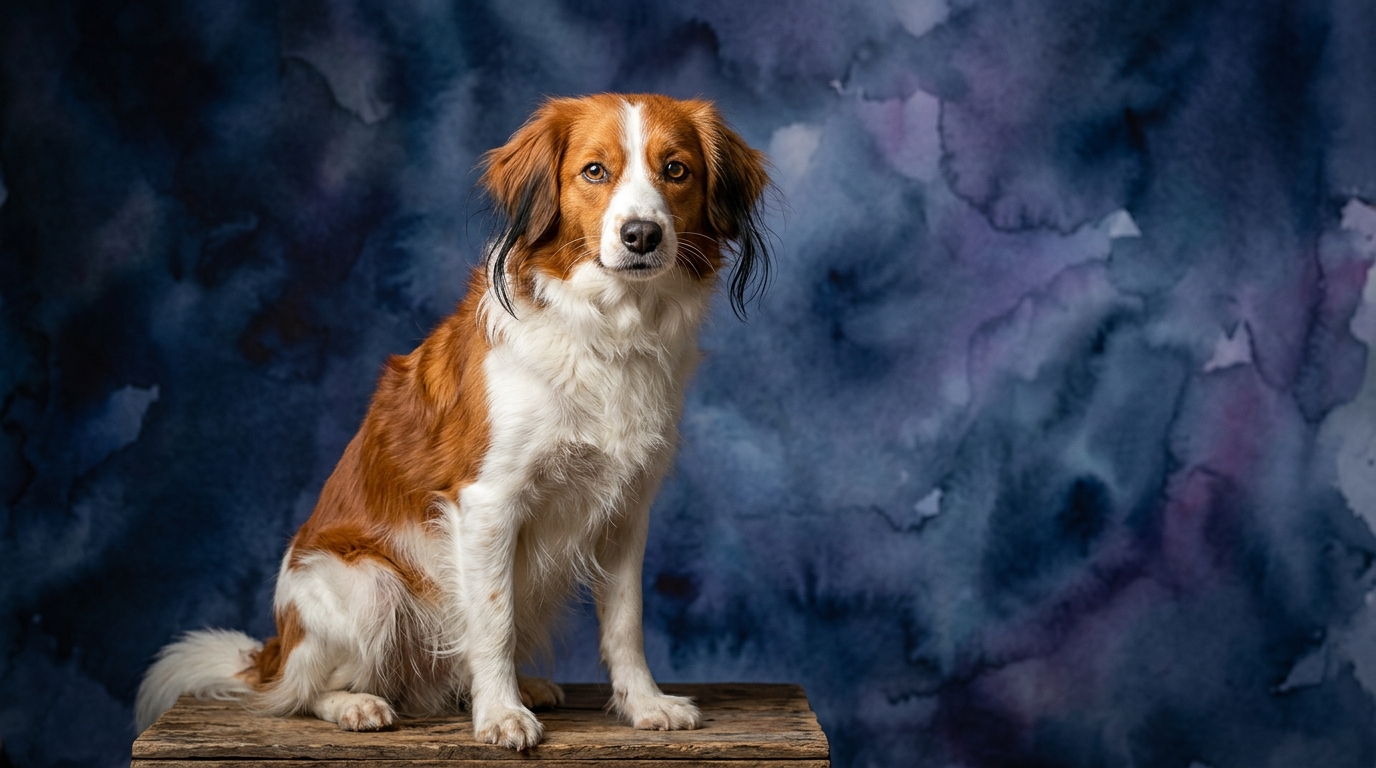
Originating from the Netherlands as decoy dogs, the Kooikerhondje’s intelligence reflects their working heritage. Their Problem Solving (3/5) is characterized by an ability to figure out sequences and engage in tasks requiring focused attention, though they might not always choose the most direct solution. Training Speed (3/5) indicates they absorb commands at a moderate pace, thriving with consistent, positive reinforcement that builds on their cooperative nature. Social Intelligence (3/5) allows them to form deep bonds with their family and read human cues effectively, though they can be reserved or discerning with new acquaintances, necessitating careful, early socialization. Their Instinctive Drive (3/5) is moderately strong, rooted in their historical role of luring ducks, manifesting as a desire for engaging activities that tap into their natural curiosity and drive. Finally, their Memory (3/5) is robust, enabling them to retain learned behaviors, complex routines, and past experiences with people and places over time, aiding in their consistency.
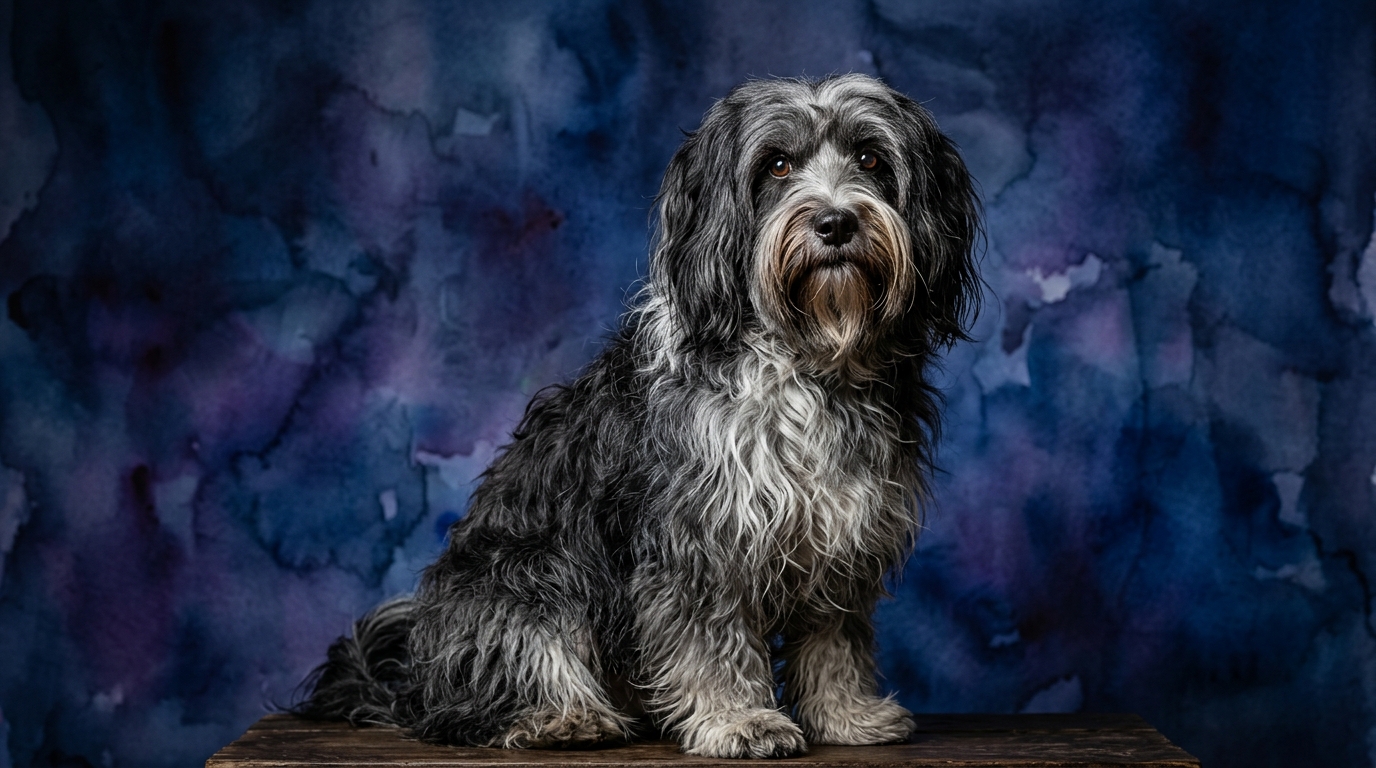
Hailing from the Himalayas, the Tibetan Terrier was revered as a companion and guardian, a heritage that shapes their cognitive makeup. Their Problem Solving (3/5) demonstrates an independent streak; they are capable of navigating obstacles and achieving goals through their own ingenuity, sometimes exhibiting a clever stubbornness. Training Speed (3/5) shows they learn new commands steadily, but their independent spirit means they often require engaging methods and a clear understanding of 'what's in it for me' to consistently apply their knowledge. Social Intelligence (3/5) is marked by profound loyalty to their immediate family, perceiving emotional states keenly, yet they can be quite aloof or discerning with strangers, taking their time to assess new individuals. Their Instinctive Drive (3/5) reflects their original role, encompassing a moderate herding and guarding tendency that requires structured outlets to prevent unwanted expressions. Their Memory (3/5) is solid, allowing them to recall commands, routines, and past interactions, contributing to their consistent character once a bond is established.
Where the Kooikerhondje Excels Cognitively
The Kooikerhondje’s cognitive strengths shine particularly in tasks requiring sustained focus and cooperative effort, a direct legacy of their decoy dog profession. Their problem-solving, while rated similarly, tends to excel when it involves understanding and executing learned patterns or sequences in conjunction with a handler. For instance, tasks involving agility courses or advanced obedience routines, where precision and anticipation of human cues are paramount, often see the Kooikerhondje demonstrating a refined application of their 3/5 problem-solving abilities. Their memory, also a 3/5, is particularly adept at recalling intricate routines and specific signals, making them highly reliable in repetitive, structured scenarios where consistency is valued. This breed exhibits a natural inclination to work *with* their human, translating their cognitive scores into a more harmonious partnership in goal-oriented activities.
Where the Tibetan Terrier Excels Cognitively
Conversely, the Tibetan Terrier’s cognitive advantages often manifest in situations demanding independent thought and discerning judgment, attributes honed by their historical role as companions and guardians in varied environments. Their problem-solving (3/5) frequently involves finding creative, sometimes unexpected, solutions to challenges, often driven by their own motivations rather than direct handler instruction. This might be seen in their ability to navigate complex home environments or figure out how to access desired items with minimal human intervention. Their social intelligence (3/5), while also rated similarly, leans more towards assessing new situations and individuals with a degree of healthy skepticism, making them astute judges of character rather than immediately seeking interaction. This discerning nature, combined with their strong memory for past interactions, allows them to form incredibly deep, yet carefully chosen, bonds, making their affection particularly meaningful.
Training Dynamics: Which is Easier and Why?
Both the Kooikerhondje and the Tibetan Terrier share a 3/5 rating for Training Speed, indicating a moderate pace of learning. However, the *ease* of training can differ significantly due to their underlying behavioral tendencies. The Kooikerhondje, with its sporting background and inherent desire to work cooperatively, often feels 'easier' to train for owners who appreciate biddability. Their instinctive drive to engage in tasks with a handler, combined with their solid memory for routines, means they generally respond well to consistent, positive reinforcement and thrive on structured learning. They are often eager to please and understand the 'job' at hand.
The Tibetan Terrier, on the other hand, while equally capable of learning due to their problem-solving abilities, brings an independent and sometimes stubborn streak to the training process. Their training speed (3/5) means they *can* learn quickly, but their willingness to *perform* a command consistently might depend on their current motivation or whether they perceive a better alternative. Training a Tibetan Terrier often requires more creativity, patience, and a deep understanding of their motivations, transforming training into a more engaging negotiation rather than a simple instruction-response loop.
Matching Breeds to Lifestyles: Active vs. Relaxed Owners
When considering owner lifestyles, both breeds require mental and physical engagement, but their ideal activity levels diverge. The Kooikerhondje, stemming from a working sporting lineage, is best suited for active owners who enjoy structured activities like dog sports, extended walks, or consistent training sessions. Their moderate instinctive drive and cooperative nature mean they thrive when given a 'job' or regular outlets for their mental and physical energy. A truly relaxed, sedentary owner might find a Kooikerhondje becoming restless or developing unwanted behaviors without sufficient stimulation.
The Tibetan Terrier, while not a couch potato, can adapt to a slightly broader range of activity levels. Their moderate instinctive drive, rooted in guarding and companionship, means they appreciate regular exercise and mental engagement, but also deeply value relaxed family time. They are often content with brisk daily walks and interactive play, but might not demand the same intensity of structured activity as a Kooikerhondje. They can suit active owners who want a versatile companion, but also fit well with owners who prioritize quality time and less rigorous, yet consistent, activity.
The Verdict
Opt for the Kooikerhondje if you are an owner seeking a cooperative, engaged companion for structured activities and consistent training, appreciating a dog with a moderate working drive and a clear desire to partner in tasks.
Select the Tibetan Terrier if you value an independent, discerning companion, are prepared for a slightly more creative and patient training approach, and appreciate a dog with a thoughtful, protective nature that offers deep, selective affection.
🧠 Find Your Pet's IQ Score
Our Pet IQ Lab assessment covers 25+ tests across 5 cognitive dimensions — personalized to your breed.
Take the Full IQ Test →Frequently Asked Questions
Do both breeds require a lot of mental stimulation?
Yes, both the Kooikerhondje and the Tibetan Terrier benefit significantly from regular mental stimulation. The Kooikerhondje thrives on structured tasks and learning new routines, while the Tibetan Terrier appreciates puzzles and challenges that engage their independent problem-solving skills. Neglecting their cognitive needs can lead to boredom and potential behavioral issues in either breed.
How do their social intelligence scores manifest differently?
While both score 3/5, the Kooikerhondje's social intelligence often manifests as eagerness to connect with their family and moderate wariness of strangers, requiring careful socialization. The Tibetan Terrier, conversely, tends to be more discerning with new people, assessing situations before forming bonds, making them selective but deeply loyal companions.
Is one breed better for first-time dog owners?
The Kooikerhondje might be slightly more forgiving for first-time owners due to their cooperative nature and biddability in training, provided the owner is committed to consistent engagement. The Tibetan Terrier's independence and discerning personality can pose more challenges for novice owners who are not prepared for a more nuanced and patient training approach.