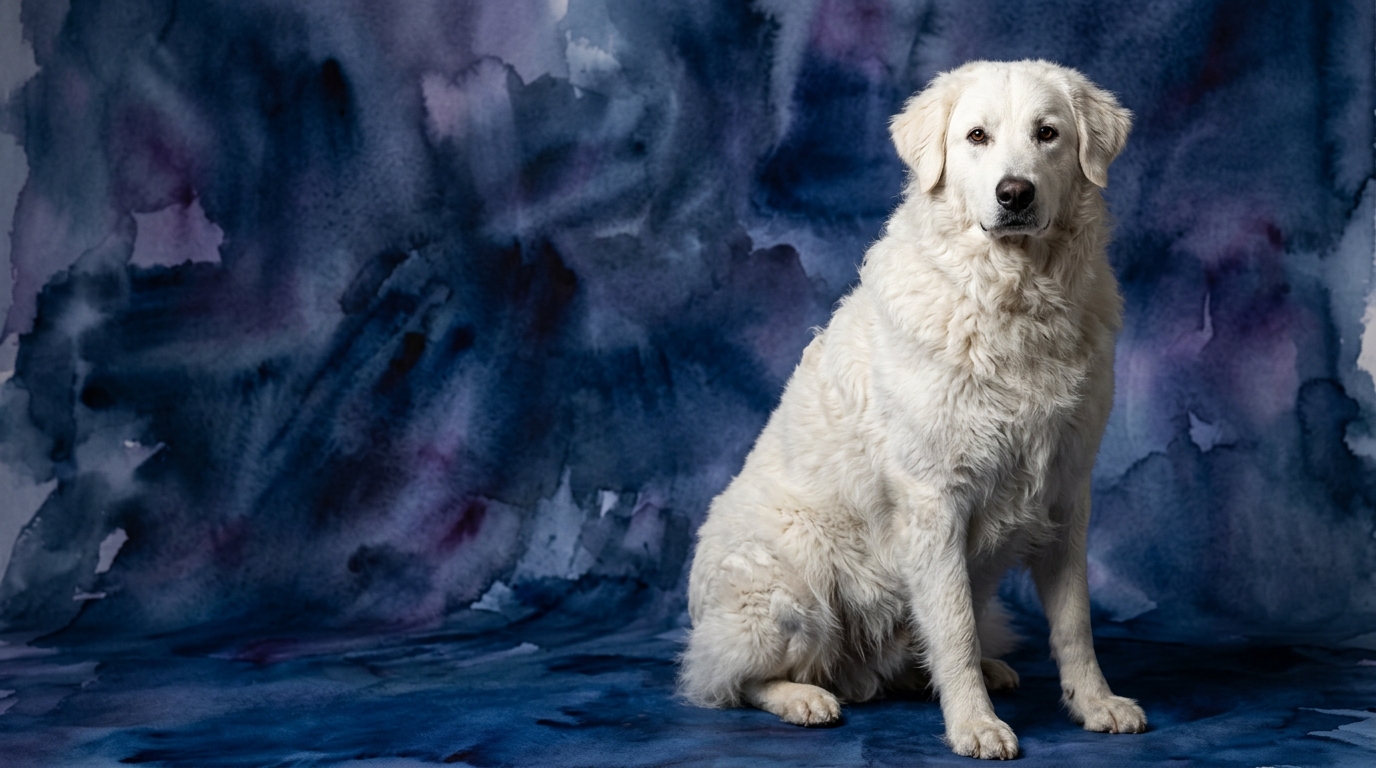
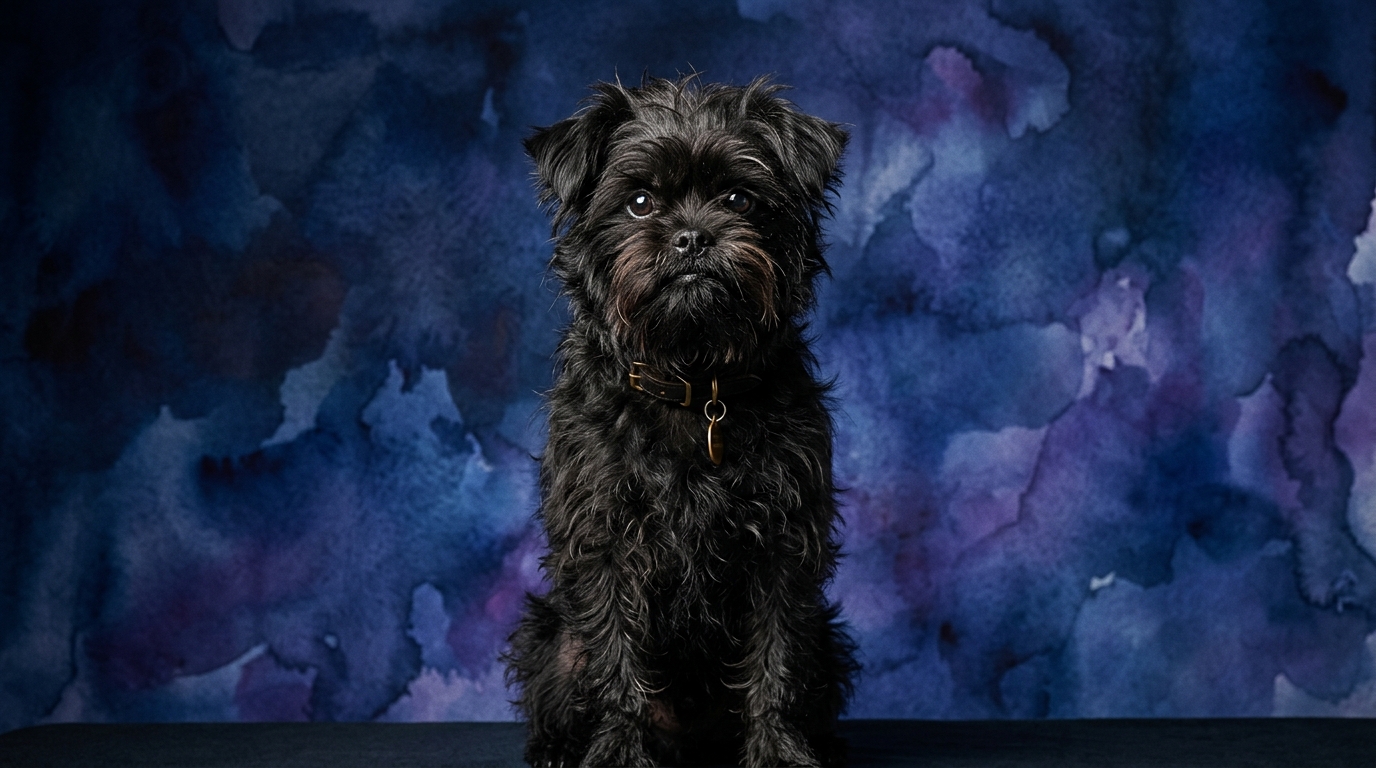
Side-by-Side Cognitive Profiles: Kuvasz vs. Affenpinscher
The Kuvasz, a formidable Working breed ranking #42 on the Coren scale, presents a cognitive profile sculpted by centuries of independent guardianship. Their problem-solving ability, rated 3/5, is less about quick tricks and more about autonomous decision-making in complex protective scenarios, such as assessing threats to their flock or family without direct human command. Training speed, also 3/5, reflects their independent nature; they absorb commands but often require understanding the 'why' before compliance, leading to a deliberate, rather than instantaneous, learning curve. Social intelligence, at 3/5, is profoundly focused on their immediate family unit, displaying a reserved yet keen discernment of strangers and potential dangers. Their instinctive drive, 3/5, is powerfully geared towards vigilance, territoriality, and the protection of their charges. Crucially, their memory stands at 4/5, enabling them to retain intricate details about routines, perceived threats, and the layout of their domain over extended periods.
In stark contrast, the Affenpinscher, a spirited Toy breed not appearing on the Coren ranking, showcases a different spectrum of mental agility. Their problem-solving, also 3/5, manifests as cleverness in navigating household dynamics, manipulating for attention, or figuring out how to access forbidden treats, demonstrating an ingenuity rooted in their companion role. Training speed, rated 3/5, indicates they are capable learners, though their independent and sometimes stubborn streak means consistency and engaging methods are key to overcoming selective obedience. Social intelligence, also 3/5, is often expressed through their engaging, curious nature, allowing them to read human moods and elicit desired responses, though they can be prone to bossiness if not well-socialized. Their instinctive drive, 3/5, leans into a terrier's historical role in dispatching small vermin, coupled with a strong desire for companionship and playful interaction. Their memory, at 3/5, is sufficient for recalling routines and commands, but may be more short-term and less focused on complex, long-duration tasks compared to the Kuvasz.
Where the Kuvasz Cognitively Excels
The Kuvasz’s standout cognitive strength lies in its superior memory, scoring 4/5 compared to the Affenpinscher’s 3/5. This enhanced recall is not merely about remembering commands; it's fundamental to its role as a guardian. A Kuvasz can vividly remember the faces of individuals who have previously posed a threat, the patterns of movement of livestock, and the boundaries of its territory, allowing for consistent and reliable protection over time. This long-term memory ensures that lessons learned, whether positive or negative, are deeply ingrained, making early, positive socialization and training profoundly impactful.
Furthermore, while both breeds score 3/5 in problem-solving and instinctive drive, the *nature* of these abilities in the Kuvasz presents a distinct advantage for specific tasks. Their problem-solving is often autonomous and situationally aware, focused on assessing and neutralizing environmental threats. This requires a sophisticated ability to process complex stimuli, make independent judgments, and act decisively without human intervention—a deep, self-reliant form of intelligence. Their instinctive drive is similarly specialized, leading to sustained vigilance and a profound understanding of their protective duties, demanding a cognitive focus on environmental scanning and threat identification that the Affenpinscher's companion-oriented drives do not emphasize.
Where the Affenpinscher Cognitively Shines
The Affenpinscher truly shines in its application of social intelligence and nimble problem-solving within a human-centric environment. While both breeds score 3/5 in social intelligence, the Affenpinscher's expression of this trait is geared towards nuanced interaction and charming manipulation. They excel at reading subtle human cues, understanding how to elicit attention, affection, or a treat, and adapting their behavior to fit various social situations. This involves a quick cognitive processing of social feedback, allowing them to navigate complex family dynamics with a clever, often humorous, flair.
Their problem-solving, also 3/5, is characterized by a quick, often mischievous ingenuity focused on immediate gratification or comfort. An Affenpinscher might figure out how to open a cupboard for snacks, or how to strategically place themselves for maximum lap time, showcasing a different kind of cleverness than the Kuvasz’s protective vigilance. This adaptability and quick thinking for personal gain, combined with their generally more eager-to-please (for rewards) disposition, allows them to integrate seamlessly into diverse household settings and learn new tricks that engage their playful minds, even if their memory score is slightly lower than the Kuvasz.
Training Ease: Deliberate Guardians vs. Clever Companions
When it comes to ease of training, the Kuvasz and Affenpinscher present markedly different experiences. The Kuvasz, with its independent guardian instincts, is not a breed that seeks to please its owner above all else; rather, it seeks to fulfill its perceived purpose. This means training requires immense patience, consistency, and a profound understanding of their motivation. They will learn, thanks to their strong memory, but the process can be slower and more deliberate, often requiring the owner to demonstrate the 'value' or 'logic' behind a command. Early, extensive socialization is also critical to channel their protective instincts appropriately. They are not 'biddable' in the conventional sense, demanding a partnership built on trust and mutual respect rather than simple obedience.
The Affenpinscher, despite its own independent and sometimes stubborn streak, can generally be considered easier to train for the average owner, particularly in basic obedience and tricks. Their smaller size makes them physically easier to manage, and their desire for interaction and rewards can make them highly motivated learners, especially for engaging, positive-reinforcement-based games. While they might test boundaries or be selectively deaf to commands if not properly motivated, their quick wit allows them to grasp concepts readily. However, house-training can sometimes be a challenge due to their small bladders and independent nature, requiring diligent routines and consistency.
Matching Canine Cognition to Lifestyle: Active vs. Relaxed Owners
The Kuvasz, while not a hyperactive breed, is best suited for owners who are active in a specific sense: active in providing a secure environment, consistent training, and purposeful mental engagement. They thrive when given a 'job,' whether it's guarding a property or livestock, or simply being the vigilant protector of their family. Their exercise needs are moderate but consistent, often involving patrolling their domain rather than high-intensity running. Owners must be prepared for a dog that needs significant mental stimulation related to its guardian role and requires extensive socialization to ensure its protective instincts are well-managed. This is not a dog for a relaxed owner seeking a low-maintenance companion; it demands an owner who is actively engaged in its development and well-being.
Conversely, the Affenpinscher can adapt well to a more relaxed owner, provided that 'relaxed' still means engaged in mental stimulation and companionship. They are suitable for apartment living and enjoy daily walks and indoor play sessions, but do not require extensive outdoor adventures. Their cognitive needs revolve around companionship, interactive play, and opportunities to use their cleverness within the home. Owners who enjoy teaching tricks, providing puzzle toys, and engaging in playful banter will find the Affenpinscher a delightful and mentally stimulating companion. While physically less demanding than the Kuvasz, they are not 'lap dogs' in the passive sense; their minds are active and require positive outlets to prevent boredom and potential mischief.
The Verdict
Choose the Kuvasz if you are an experienced dog owner seeking a dedicated, independent guardian, willing to invest deeply in early socialization and consistent, respectful training for a dog with a profound sense of purpose and a long memory for its duties.
Choose the Affenpinscher if you appreciate a lively, often mischievous companion in a smaller package, willing to engage in playful training and provide consistent socialization to channel their cleverness and strong personality positively within a family setting.
🧠 Find Your Pet's IQ Score
Our Pet IQ Lab assessment covers 25+ tests across 5 cognitive dimensions — personalized to your breed.
Take the Full IQ Test →Frequently Asked Questions
Do Kuvasz dogs make good family pets?
Yes, with proper early socialization and consistent training, Kuvasz can be devoted family members, especially protective of children. However, their size and strong guardian instincts mean they require careful supervision and an understanding of their breed-specific needs with strangers.
Are Affenpinschers difficult to house train?
Affenpinschers can sometimes be challenging to house train due to their small bladders and independent nature, often requiring consistent routines and positive reinforcement. Crate training and frequent, scheduled potty breaks are crucial for success with this clever breed.
How do the problem-solving abilities of these two breeds differ?
The Kuvasz's problem-solving is rooted in independent guardian duties, assessing threats and managing its domain, while the Affenpinscher often applies its cleverness to navigating human environments for comfort or attention. Both are capable, but their cognitive focus diverges based on their ancestral roles and motivations.