Cognitive Profiles: Kuvasz vs. Black Russian Terrier
At The Cosmic Pet Pet IQ Lab, we dissect the unique cognitive dimensions that define each breed, moving beyond superficial observations to understand their innate mental architecture. While both the Kuvasz and the Black Russian Terrier are formidable working dogs, their historical roles have sculpted distinct intellectual tendencies.
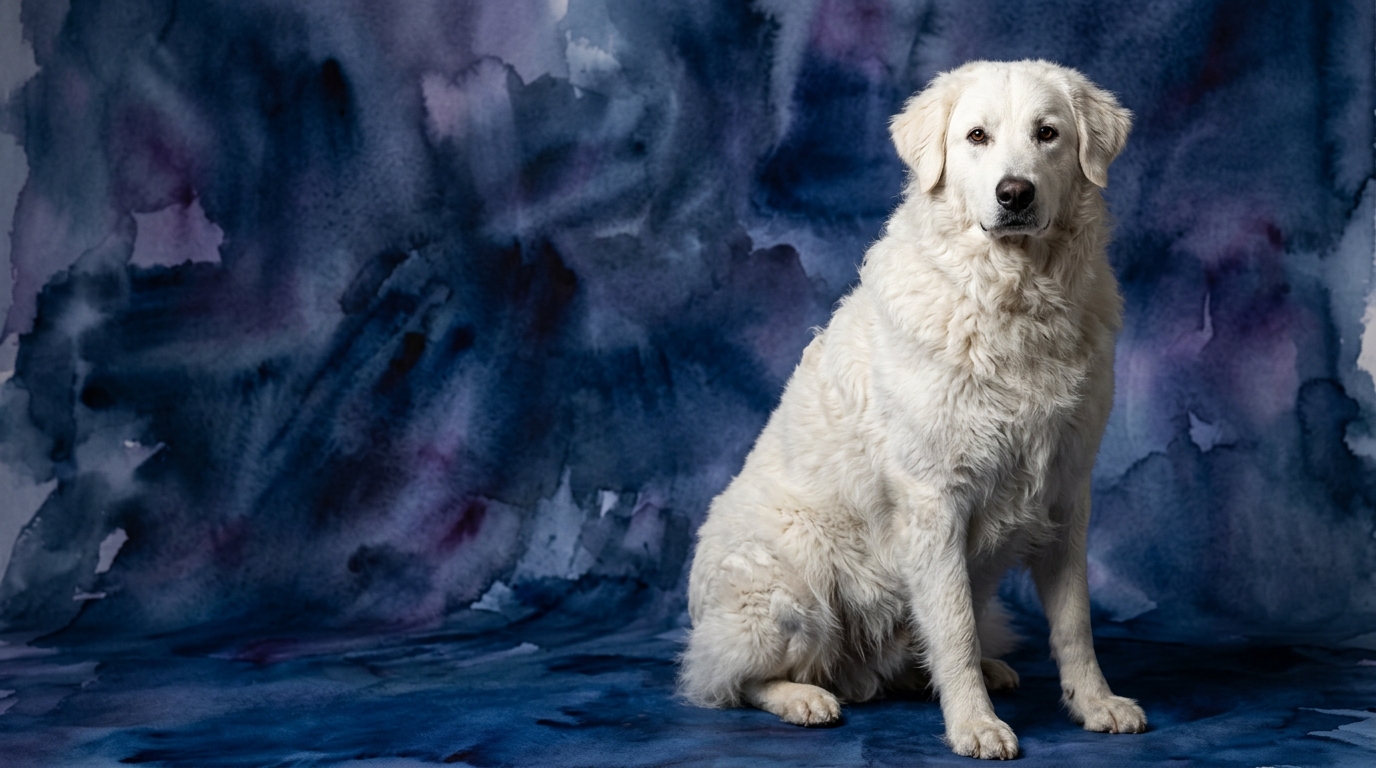
The Kuvasz, a majestic Hungarian livestock guardian, carries a Coren rank of #42, indicating a respectable capacity for adaptive learning and command following within its specific context. Its cognitive dimensions are rated as follows: Problem Solving 3/5, Training Speed 3/5, Social Intelligence 3/5, Instinctive Drive 3/5, and Memory a notable 4/5. This profile suggests a dog capable of independent thought and strong retention.
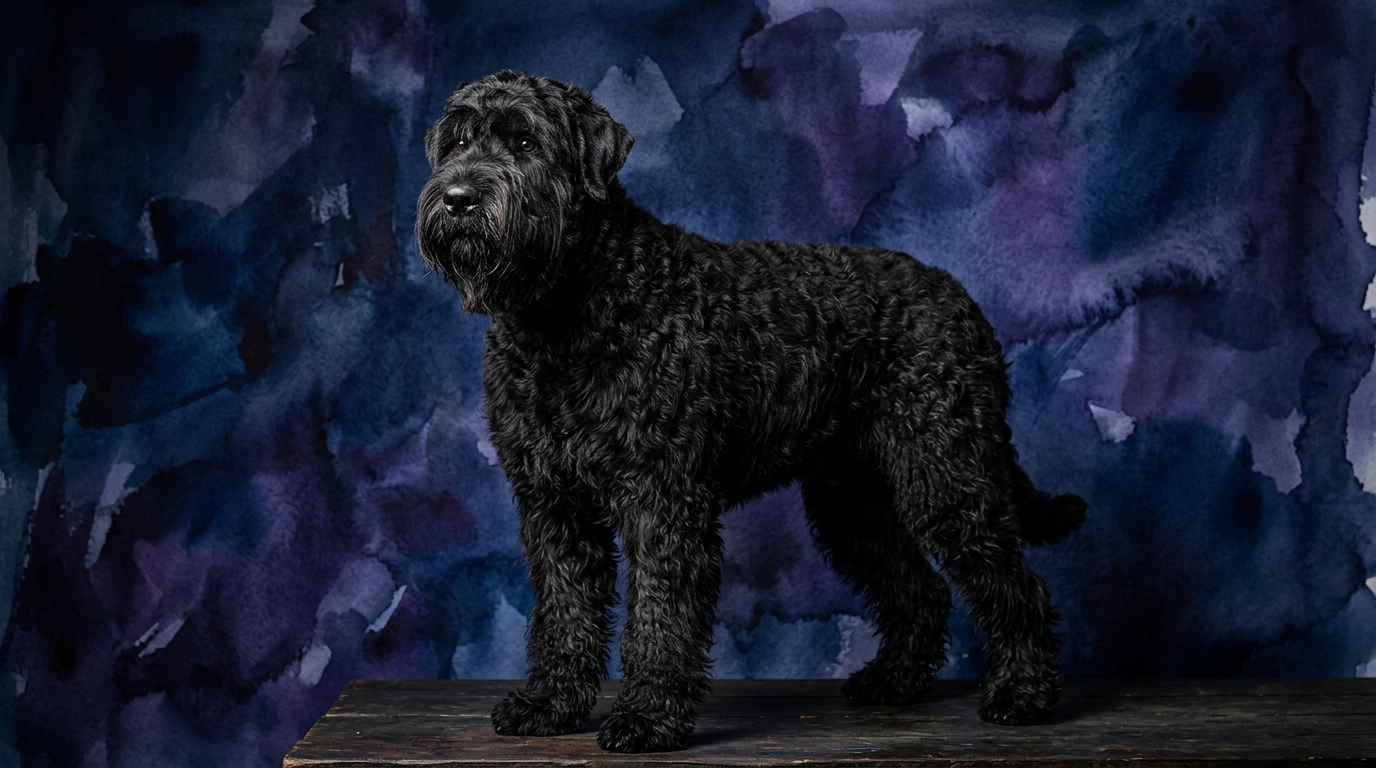
In contrast, the Black Russian Terrier, a powerful breed developed for military protection, currently lacks a Coren ranking, often due to its more recent development and specialized breeding focus. Our Pet IQ Lab assessment provides its cognitive breakdown: Problem Solving 3/5, Training Speed 3/5, Social Intelligence 3/5, Instinctive Drive 3/5, and Memory 3/5. This indicates a solid, consistent cognitive baseline across several critical areas.
While some numerical ratings appear identical, the nuances within each dimension are crucial for understanding these breeds. A '3/5' in Problem Solving for a Kuvasz might manifest as self-directed decision-making in the field, whereas for a BRT, it could mean adeptly following complex handler commands to solve a task. Similarly, '3/5' in Training Speed doesn't just mean how fast they learn, but *how* they engage with the learning process and their responsiveness to instruction.
The Kuvasz's Problem Solving at 3/5 reflects its heritage as a guardian expected to independently assess threats and protect its flock without human direction; they can devise their own solutions, sometimes with a stubborn streak if it contradicts a handler's wishes. Their Training Speed, also 3/5, signifies that while they are capable of learning, they often require clear purpose and consistent, engaging methods, prioritizing their own judgment over rote compliance. Social Intelligence at 3/5 points to a loyal but highly discerning nature, reading intentions well but reserving trust for a select few. Their Instinctive Drive, 3/5, is a powerful, territorial protective instinct, focused on guarding rather than pursuit. The Kuvasz’s standout Memory at 4/5 means they retain information, routines, and especially past experiences or perceived injustices with remarkable tenacity, contributing to their reliable guardian role.
The Black Russian Terrier's Problem Solving at 3/5 often involves assessing situations and acting decisively, but typically with a greater inclination to look to their handler for guidance in novel or ambiguous scenarios. Their Training Speed, 3/5, suggests they grasp concepts efficiently when motivated, particularly enjoying structured work where they can partner with their owner. Social Intelligence at 3/5 indicates a deep devotion to family, often more outwardly expressive than the Kuvasz, though still wary of strangers and requiring careful introduction protocols. Their Instinctive Drive, 3/5, is a robust protective and defensive drive, historically honed for serious security tasks, giving them a formidable presence. The BRT’s Memory, rated 3/5, ensures they effectively retain learned behaviors, commands, and routines, making them consistent performers in their duties.
Kuvasz's Cognitive Edge: Independent Retention
The most significant cognitive advantage for the Kuvasz lies in its superior Memory, rated 4/5 compared to the Black Russian Terrier's 3/5. This isn't just about recalling commands; it's about a deep, often indelible, retention of experiences, routines, and especially perceived threats or injustices. A Kuvasz remembers specific individuals or situations that warranted caution, making them incredibly consistent and reliable guardians over the long term. This profound memory underpins their independent decision-making, allowing them to draw upon a vast internal database of past outcomes when assessing current situations.
Furthermore, while both breeds share a 3/5 rating in Problem Solving, the *nature* of the Kuvasz's problem-solving leans more heavily towards self-reliance. As a livestock guardian, they were historically bred to operate autonomously for extended periods, making critical decisions about flock protection without human intervention. This fosters a dog that is less likely to wait for a command if it perceives a threat or a task needing attention, often devising its own solutions based on its strong memory and ingrained protective instincts. This can be both a blessing and a challenge, as their solutions might not always align with human expectations but are always rooted in their protective logic.
Black Russian Terrier's Cognitive Edge: Collaborative Learning
The Black Russian Terrier demonstrates a distinct cognitive strength in its approach to structured learning and partnership, even with matching 3/5 ratings in Training Speed and Social Intelligence. While the numerical score is the same, the BRT’s historical role as a military and protection dog means it is often more predisposed to forming a tight working partnership with its handler and accepting direction for complex tasks. Their training speed, therefore, manifests as a greater willingness to engage, focus on the handler, and follow instructions, making them highly receptive to classical obedience and advanced protection work. They thrive on having a clear purpose and a strong leader to guide them.
The BRT's Social Intelligence, also rated 3/5, often includes a more overt desire to please and connect with its immediate family, contributing to their collaborative nature. While still cautious with strangers, this breed typically exhibits a more structured and responsive approach to new introductions when guided by their owner, especially if early socialization has been thorough. Their devotion to their family often translates into a keen awareness of their owner's emotional state and a desire to act in accordance with their handler's wishes, a nuance that can make them seem more 'socially adaptable' in a human-centric sense than the more independently-minded Kuvasz.
Training Dynamics: Kuvasz vs. Black Russian Terrier
Despite both breeds sharing a 3/5 rating for Training Speed, their inherent behavioral differences mean the Black Russian Terrier is generally considered easier to train for most owners. The BRT’s historical role demanded a dog that could be precisely directed and would reliably execute complex commands under pressure. This has fostered a breed that typically possesses a strong desire to work collaboratively with a handler and excels with clear, consistent leadership. They are often highly motivated by praise, toys, or food, and thrive on having a 'job' that involves partnership, making them receptive to detailed obedience and specialized tasks. Their learning process is often about understanding and executing the handler's will.
The Kuvasz, conversely, presents a greater training challenge for many. Their centuries of self-directed decision-making as independent livestock guardians have instilled a deep-seated self-reliance. A Kuvasz often questions commands, weighing them against its own judgment and perceived necessity. They aren't inherently disobedient, but they are deeply independent thinkers who need to understand the 'why' behind a command or decide if it's 'worth it' from their perspective. Training a Kuvasz requires immense patience, creativity, and a handler who can motivate through respect and clear, compelling communication, rather than rote compliance. They will learn, but they often choose when and how to apply that learning based on their own assessment of the situation.
Owner Compatibility: Lifestyle and Temperament
Neither the Kuvasz nor the Black Russian Terrier are suitable for truly relaxed or sedentary owners; both are powerful working breeds demanding significant commitment. However, the *type* of active ownership they require differs considerably. The Black Russian Terrier suits active owners who enjoy structured activities, competitive dog sports like obedience or protection work, long hikes, and consistent mental engagement. They thrive on having a defined 'job' and appreciate an owner who provides clear direction and consistent opportunities for partnership in various activities. Their desire to please and work alongside their owner makes them excellent companions for active, goal-oriented individuals.
The Kuvasz, while also needing an active owner, appeals to those who understand and respect its independent nature. They require ample secure space to patrol and observe, long walks that allow for exploration, and mental stimulation that taps into their guardian instincts. They may not be the ideal partner for competitive obedience but excel in roles where their watchful, self-reliant nature is valued. Owners must be active in managing their environment, providing outlets for their natural drives, and understanding that their activity might be more about vigilant observation and patrolling than high-energy fetching or agility. A Kuvasz owner needs to be active in consistent socialization and boundary setting, rather than just physical exercise.
The Verdict
Choose the Kuvasz if you seek a fiercely independent, deeply loyal guardian with a formidable memory, and are prepared for a dog that makes its own decisions based on ingrained protective instincts. They are ideal for experienced owners who appreciate a self-sufficient protector.
Opt for the Black Russian Terrier if you desire a strong, capable working dog that thrives on partnership, structured training, and consistent leadership, and you can provide a clear purpose and active engagement. They are suited for dedicated owners seeking an active, loyal companion for protection or sport.
🧠 Find Your Pet's IQ Score
Our Pet IQ Lab assessment covers 25+ tests across 5 cognitive dimensions — personalized to your breed.
Take the Full IQ Test →Frequently Asked Questions
Are Kuvasz or Black Russian Terriers good family dogs?
Both breeds can be devoted family dogs within their trusted circle, but require extensive socialization from a young age. Their guardian instincts mean they are naturally protective, making them excellent watchdogs but needing careful management around strangers and children to ensure appropriate behavior.
Do Kuvasz or Black Russian Terriers shed a lot?
The Kuvasz has a thick double coat that sheds moderately year-round, with heavier seasonal shedding, necessitating regular brushing. The Black Russian Terrier has a dense, coarse double coat that sheds minimally but requires significant regular grooming, including brushing and stripping or clipping, to prevent matting and maintain coat health.
What are the primary differences in their guarding styles?
The Kuvasz, as a historical livestock guardian, often acts independently to assess and deter threats, relying on its imposing presence, keen observation, and strong memory for perceived dangers, often without direct human input. The Black Russian Terrier, bred for military and personal protection, typically operates more in conjunction with its handler, exhibiting a more direct and physically assertive protective response when commanded or when its territory is clearly threatened, making them more of a partner in defense.