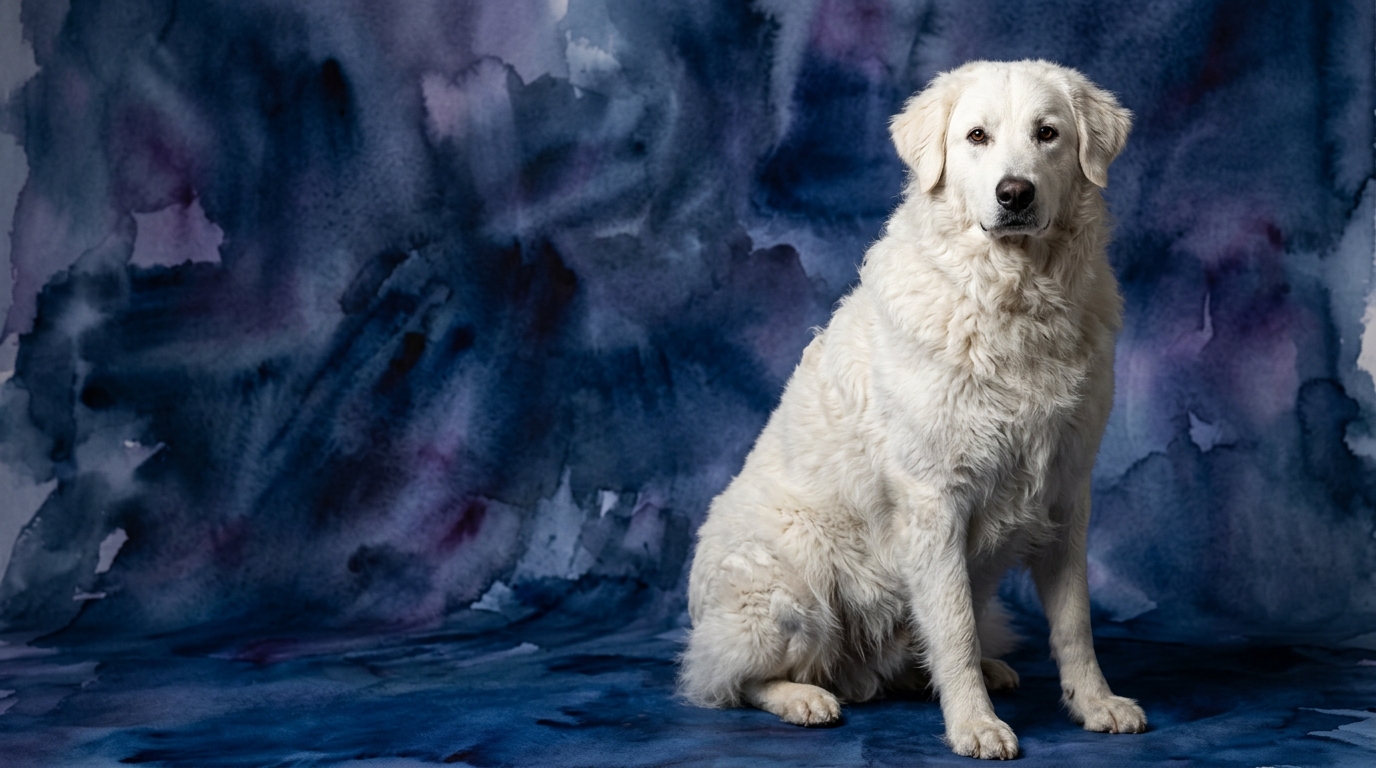
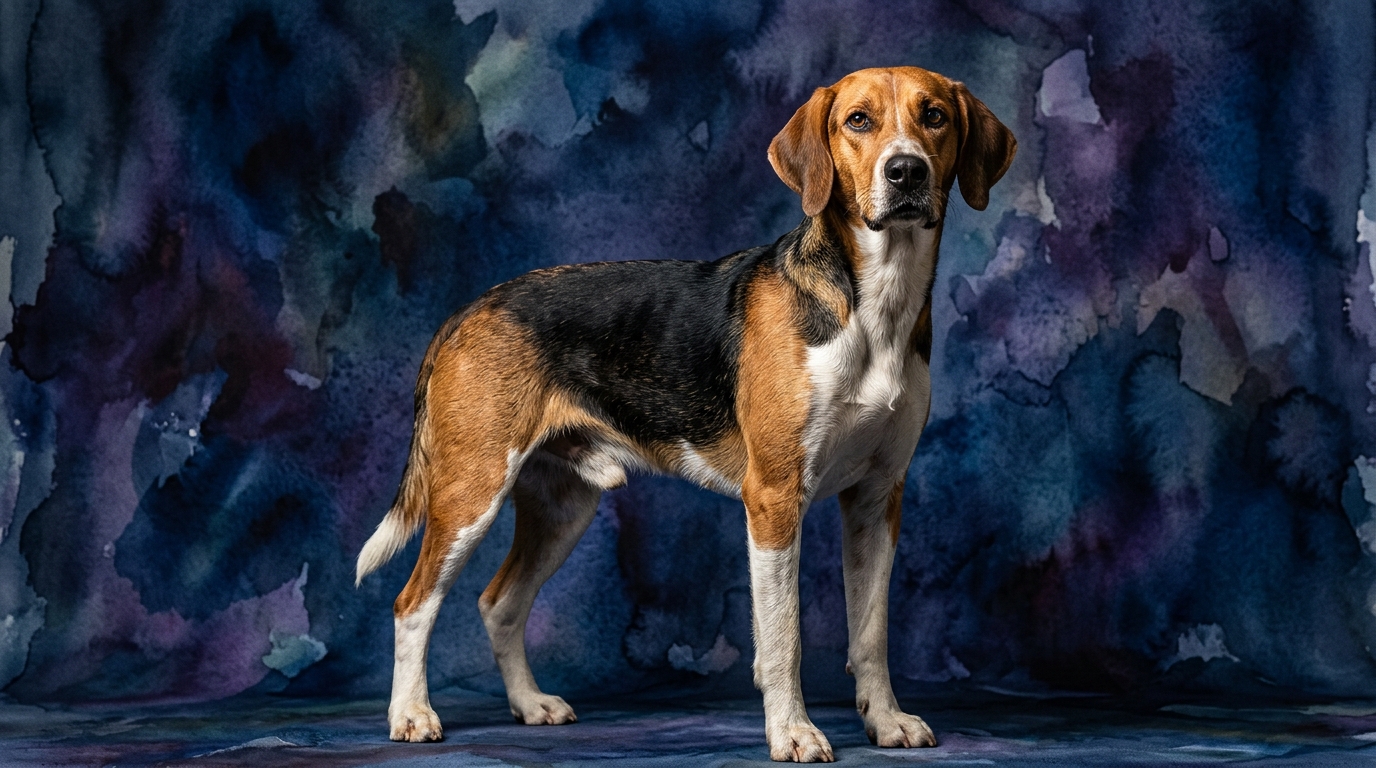
Side-by-Side Cognitive Profiles: Kuvasz vs. English Foxhound
The Cosmic Pet Pet IQ Lab employs a five-dimensional framework to assess canine cognition, offering a granular view beyond generic labels. For the Kuvasz, a majestic and ancient livestock guardian from Hungary, we observe a nuanced cognitive makeup. Their Problem Solving is rated 3/5, reflecting an ability to assess threats and navigate complex situations independently, crucial for their traditional role of protecting flocks without constant human direction. Training Speed registers at 3/5; while capable of learning, their independent nature means they often require consistent, respectful motivation rather than rote obedience. Social Intelligence is 3/5, indicative of deep bonds with their family but a reserved, often wary demeanor towards strangers, a hallmark of their protective instincts. Their Instinctive Drive is 3/5, primarily manifesting as a strong territorial and protective impulse. Finally, their Memory stands out at 4/5, allowing them to recall past threats, established routines, and the identities of their charges and family over long periods.
The English Foxhound, a quintessential pack hunter developed for pursuing fox across the British countryside, presents a different cognitive specialization. Their Problem Solving is also 3/5, but this manifests in a capacity to navigate varied terrain, follow complex scent trails, and work cooperatively within a pack to achieve a common goal. Their Training Speed is 3/5; they are eager to work and respond well to task-oriented training, especially when it involves scent, but their powerful drive can make them seem single-minded. Social Intelligence is 3/5, finely tuned for pack cohesion and communication with other dogs, as well as a friendly disposition towards humans who engage them appropriately. Instinctive Drive is a prominent 3/5, overwhelmingly focused on scent tracking and the pursuit of quarry, a deeply ingrained behavioral pattern. Their Memory is 3/5, sufficient for remembering specific trails, pack members, and established hunting protocols.
Where the Kuvasz Excels Cognitively
The Kuvasz's distinct cognitive advantage lies in its superior Memory, scoring 4/5 compared to the English Foxhound's 3/5. This enhanced memory is not merely about recalling commands; it’s deeply interwoven with their historical function as autonomous guardians. A Kuvasz’s memory allows them to establish a comprehensive mental map of their territory, remembering every fence line, potential entry point, and safe haven. More critically, they retain detailed recollections of individuals, discerning between familiar family members, acceptable visitors, and potential threats over extended periods. This capacity enables them to make independent judgments about who belongs and who doesn't, a vital trait for a dog expected to protect livestock or family without direct human supervision. Their ability to remember past interactions and perceived dangers informs their cautious and protective behavior, making them highly reliable sentinels who learn from experience.
Furthermore, while both breeds score 3/5 in Problem Solving, the Kuvasz's application of this skill is notably distinct. Their problem-solving is often solitary and strategic, focused on threat assessment and resolution within a defined territory. A Kuvasz might independently devise a way to deter a predator or manage a wayward lamb, relying on their memory of past successes and failures. This contrasts with the Foxhound's collaborative, scent-driven problem-solving, highlighting the Kuvasz's capacity for self-directed tactical thought based on their robust memory of their environment and inhabitants.
Where the English Foxhound's Cognitive Profile Shines
While the English Foxhound doesn't numerically 'win' in any single cognitive dimension over the Kuvasz, its collective cognitive profile is remarkably optimized for its specific purpose: pack hunting and scent work. Their Problem Solving (3/5) is exquisitely adapted for navigating complex scent trails across varied and often challenging landscapes. This isn't about guarding a flock, but about the intricate puzzle of following a quarry, interpreting subtle scent changes, and making rapid decisions about direction and speed. Their cognitive process in this domain is less about independent strategic thought and more about efficient, sensory-driven deduction, a highly specialized form of problem-solving that is critical for their historical role.
Similarly, their Social Intelligence (3/5), while numerically identical to the Kuvasz, is fundamentally different in its application. The Foxhound’s social cognition is finely tuned for seamless cooperation within a pack. They excel at reading canine body language, understanding hierarchy, and communicating effectively with their fellow hunters to maintain cohesion and achieve a shared objective. This pack-oriented intelligence allows for synchronized effort and collective problem-solving during a hunt, a stark contrast to the Kuvasz's more individually focused social interactions. Their Instinctive Drive (3/5) also plays a crucial cognitive role; it's a relentless, unwavering focus on scent, which allows them to maintain concentration on a trail for hours, overriding distractions that might deter other breeds. This drive, while not a higher 'score,' represents a profoundly effective cognitive specialization for their specific work.
Training Dynamics: Kuvasz vs. English Foxhound
When it comes to training, both the Kuvasz and the English Foxhound present unique challenges, despite their identical 3/5 Training Speed scores. The Kuvasz, with its independent nature and strong sense of self-preservation, often approaches training as a negotiation rather than a simple command-and-response. They are intelligent and capable of learning, but their primary motivation is often their own assessment of a situation, not necessarily human approval. Training a Kuvasz requires immense patience, consistency, and a deep understanding of their guardian instincts. They respond best to positive reinforcement, clear boundaries, and methods that respect their independent thought process. Their superior memory (4/5) means that once they accept a lesson or a routine as beneficial, they retain it exceptionally well, but getting to that point requires establishing trust and demonstrating the value of the instruction.
The English Foxhound, while equally scoring 3/5 in Training Speed, presents a different set of hurdles. Their powerful instinctive drive for scent work and pursuit means they can be easily distracted by an interesting smell, making recall a significant challenge in uncontrolled environments. Their pack-oriented social intelligence means they enjoy working with others, but their focus can be singular when on a scent. Training them effectively requires channeling their natural drive into acceptable behaviors, often using scent-based games or activities as rewards. Consistency is paramount, as is making training fun and engaging to capture their attention. While they are generally amenable and possess a willingness to please their human 'pack leader,' their memory (3/5) means that repetition is more crucial than with a Kuvasz, and their innate drives can frequently override learned behaviors if not managed diligently. Neither breed is for the novice trainer; both demand an experienced hand that understands their inherent behavioral blueprints.
Matching Breeds to Lifestyles: Active vs. Relaxed Owners
The Kuvasz, while not a breed requiring constant high-impact exercise, demands a specific type of 'active' ownership. Their physical activity often involves patrolling a large territory, which means they thrive in environments with ample secure space. Mentally, they need a 'job' – whether it's guarding their family, a property, or even just overseeing the household. Owners must be active in providing consistent socialization and training to shape their protective instincts appropriately. A relaxed owner who cannot provide this structure, space, or mental engagement will likely find a Kuvasz challenging. They are not content to be solely couch companions; their minds and bodies are wired for purposeful vigilance, and this requires an owner who is actively engaged in managing and fulfilling those needs.
The English Foxhound, conversely, is unequivocally suited for highly active owners. These are dogs bred for endurance and relentless pursuit over long distances. They require significant daily physical exercise, far beyond a simple walk around the block. Running, hiking, or engaging in extensive scent work are essential to their well-being. Their strong instinctive drive means that mental stimulation through scent games, tracking, and consistent training is also critical. A relaxed owner who prefers minimal physical activity would find an English Foxhound prone to restlessness, destructive behaviors, and vocalizations. Their energy levels and need for engaging work necessitate an owner who can commit to an active, outdoor-oriented lifestyle, ideally one that can incorporate their passion for scent and movement.
The Verdict: When to Choose Each Breed
Choosing between a Kuvasz and an English Foxhound comes down to a careful assessment of lifestyle, experience, and what an owner seeks in a canine companion. These are not interchangeable breeds, despite some numerical similarities in their cognitive scores; their applications of intelligence are profoundly different.
The Kuvasz is an excellent choice for experienced owners who understand and respect the nuances of a powerful, independent guardian breed. They thrive in homes with ample, secure space where they can fulfill their natural patrolling and protective instincts, and with owners who can provide consistent, patient, and respectful training that acknowledges their strong will and exceptional memory. They are ideal for those seeking a deeply loyal, self-reliant protector who forms strong bonds with their immediate family and can make independent judgments.
The English Foxhound, on the other hand, is best suited for highly active, experienced owners who can provide extensive daily exercise and mental stimulation, particularly through scent work. They flourish in environments where their powerful drive and pack-oriented social intelligence can be channeled into purposeful activities, such as tracking, long runs, or canine sports. They are the perfect fit for individuals or families who desire a tenacious, amiable, and energetic companion eager to join in outdoor adventures and who can commit to managing their formidable instinctive drives with consistent, engaging training.
The Verdict
Choose a Kuvasz if you are an experienced owner seeking an independent, loyal guardian with excellent memory, capable of making autonomous protective decisions in a spacious, secure environment. Be prepared for respectful, consistent training that acknowledges their strong will.
Opt for an English Foxhound if you lead a highly active lifestyle and can provide extensive daily exercise and mental engagement, especially through scent work. They are ideal for owners who enjoy outdoor adventures and can consistently manage a dog with a powerful, focused instinctive drive.
🧠 Find Your Pet's IQ Score
Our Pet IQ Lab assessment covers 25+ tests across 5 cognitive dimensions — personalized to your breed.
Take the Full IQ Test →Frequently Asked Questions
Are Kuvasz dogs difficult to train due to their independence?
Kuvasz dogs are not inherently 'difficult,' but their independent problem-solving (3/5) and guardian instincts mean they require consistent, patient, and respectful training. They respond best to methods that build trust and demonstrate the value of commands, rather than purely obedience-based approaches, and their excellent memory helps them retain what they learn once they accept it.
Do English Foxhounds make good family pets despite their strong hunting drive?
English Foxhounds can be good family pets, as their social intelligence (3/5) allows for amiable interaction with their human 'pack.' However, their powerful instinctive drive (3/5) for scent and pursuit means they require significant daily exercise and mental stimulation to prevent restlessness, making them best suited for active families who can meet these needs.
Which breed is better for an owner looking for a dog that learns tricks quickly?
Neither breed scores exceptionally high in 'training speed' for complex tricks (both 3/5), as their cognitive strengths lie in different areas. The Kuvasz might learn and retain tricks well due to their 4/5 memory once motivated, but their independence can make initial teaching slower. The English Foxhound's drive might make them eager for engaging, scent-based 'tricks,' but their memory (3/5) might require more repetition for retention.