Side-by-Side Cognitive Profiles: Kuvasz vs. Lakeland Terrier
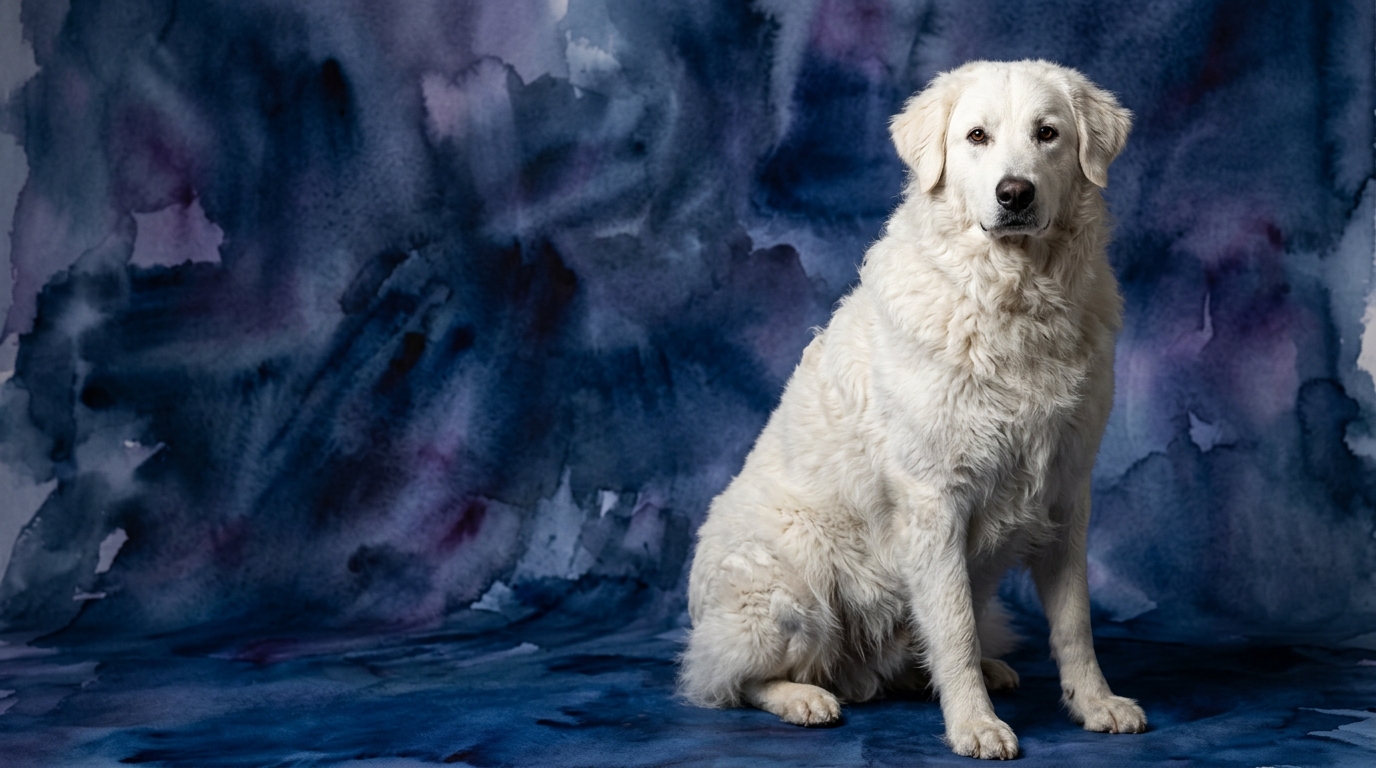
The Cosmic Pet Pet IQ Lab employs five key dimensions to map a breed's cognitive strengths, offering a granular view beyond simple rankings. For the majestic Kuvasz, a Working group sentinel, we observe a Problem Solving score of 3/5, indicating they can unravel complexities with persistence, particularly when their core duties are involved. Their Training Speed also stands at 3/5; while capable of learning, their independent nature means they often weigh commands against their own judgment. Social Intelligence, at 3/5, reflects a discerning understanding of their pack and environment, often reserved but deeply attuned to their family. Instinctive Drive, rated 3/5, points to a strong, inherent guardian inclination. A standout feature for the Kuvasz is their Memory, earning a 4/5, suggesting an excellent capacity for retaining experiences and learned behaviors over time.
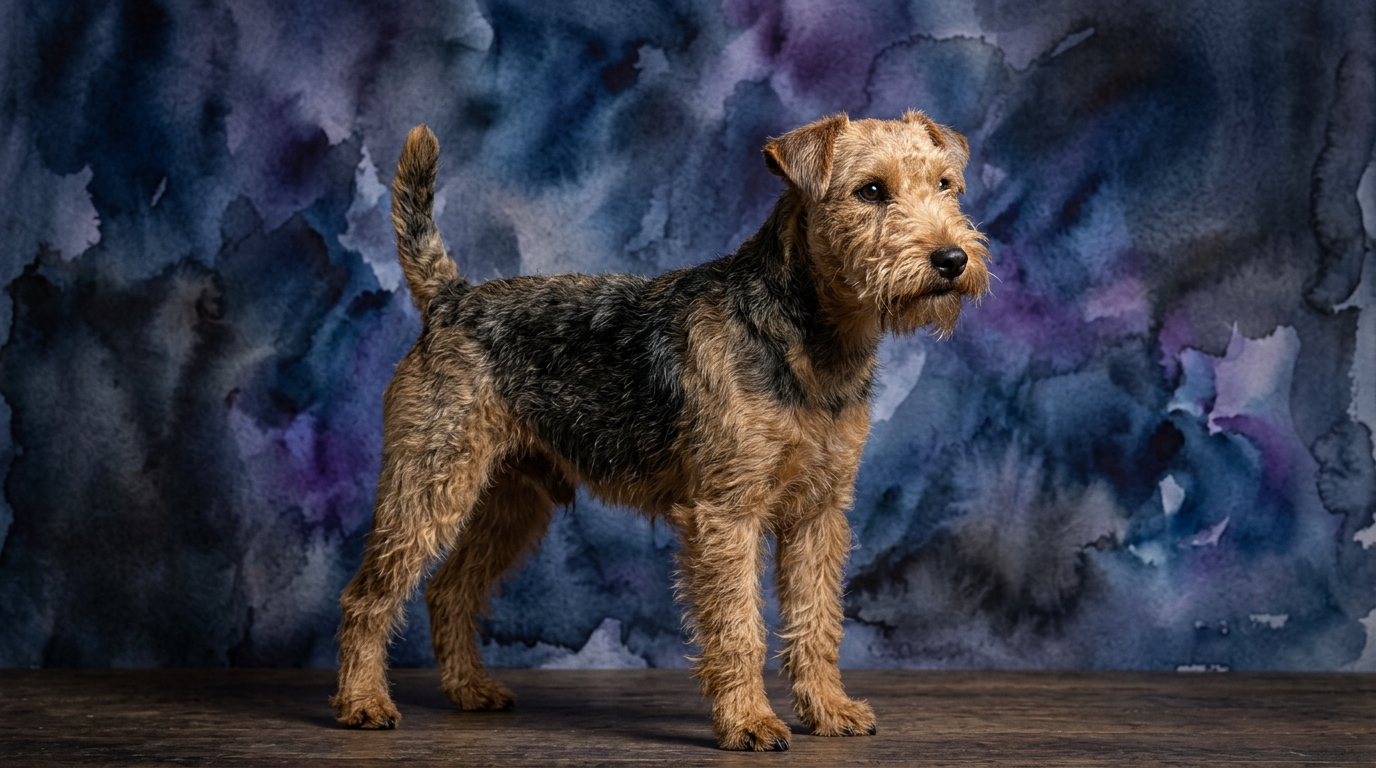
Turning to the spirited Lakeland Terrier, a member of the Terrier group, we find a remarkably similar foundational cognitive profile across several dimensions. Their Problem Solving ability is also assessed at 3/5, showcasing a tenacious resourcefulness in overcoming challenges, especially those related to their prey drive. Training Speed matches the Kuvasz at 3/5; Lakelands are quick to grasp concepts but demand engaging, varied methods to maintain focus and compliance from their independent spirit. Social Intelligence, too, is 3/5, indicating they read situations well but often exhibit a characteristic terrier boldness or reservedness with strangers. Their Instinctive Drive, also 3/5, is strongly geared towards hunting and exploration. The primary distinction arises in Memory, where the Lakeland Terrier scores 3/5, retaining information reliably but perhaps not with the same long-term depth or complexity as the Kuvasz.
Where the Kuvasz Demonstrates Cognitive Advantages
The Kuvasz's most pronounced cognitive advantage lies in its superior Memory, rated 4/5 compared to the Lakeland Terrier's 3/5. This enhanced capacity for recall translates into practical benefits, particularly for a breed whose historical role demands long-term vigilance and consistency. A Kuvasz can more effectively remember intricate property boundaries, the specific faces of trusted individuals versus potential threats, and complex sequences of learned behaviors or routines over extended periods. This deep memory aids their guardian duties, allowing them to apply past lessons to new situations with a nuanced understanding, recognizing patterns in their environment and reacting appropriately without constant reinforcement. For instance, remembering a specific sheep's vulnerability or a recurring coyote's approach path would be greatly facilitated by this cognitive strength. Their memory also contributes to their deep, loyal bonds, as they remember specific interactions and individuals with clarity, fostering a profound, discerning companionship over their lifetime.
Where the Lakeland Terrier's Cognition Shines
While direct score comparisons don't show a numerical 'win' for the Lakeland Terrier, their cognitive profile, particularly Problem Solving (3/5) coupled with Instinctive Drive (3/5), manifests distinct advantages within their specific breed context. The Lakeland's problem-solving isn't just about figuring things out; it's about persistent, agile, and often ingenious determination in pursuit of a goal, typically related to their terrier drive. They excel at navigating complex, confined spaces, outsmarting small prey, or finding creative routes around obstacles, demonstrating a tenacious resourcefulness that leverages their physical attributes. Their smaller stature and inherent agility allow them to apply their problem-solving in ways a larger, more ponderous breed cannot, making them highly effective in situations demanding quick, independent tactical decisions in tight spots. This blend of mental acuity and physical capability allows them to assess and respond to immediate environmental challenges with a focused intensity, a specialized form of intelligence honed for their original purpose. Their social intelligence, while 3/5, is often expressed through a bold, self-assured nature that allows them to quickly assess and adapt to new social dynamics, a valuable trait for a dog expected to operate independently in varied settings.
Training Dynamics: Kuvasz vs. Lakeland Terrier
Both the Kuvasz and the Lakeland Terrier share a Training Speed score of 3/5, yet the nuances of their breed temperaments dictate very different training approaches. The Kuvasz, with its working guardian heritage, approaches training with a thoughtful independence. They are not prone to blind obedience; instead, they evaluate commands and decide if they are worth their effort or align with their perceived duties. This means training requires immense patience, consistency, and positive reinforcement, focusing on building a trusting relationship where the dog respects the owner's leadership. Once a Kuvasz commits to a behavior, their superior memory (4/5) ensures it is deeply ingrained, making them reliable in their learned tasks over the long term, but initial compliance can be a slow, deliberate process.
The Lakeland Terrier, true to its terrier nature, also possesses an independent streak that influences its training speed. While capable of learning quickly, their strong instinctive drive and potential for stubbornness mean they are easily distracted by environmental stimuli, particularly scents or perceived 'prey.' Training must be kept engaging, varied, and fun to capture and hold their attention. They respond best to methods that appeal to their problem-solving nature and channel their energy positively, often thriving in activities like agility or earthdog trials. Unlike the Kuvasz's discerning evaluation, the Lakeland might simply choose to ignore a command if something more interesting captures their focus, requiring a trainer who can consistently outwit and motivate their tenacious spirit. Both breeds demand an owner who understands their intrinsic motivations and is prepared for a journey of patient, respectful guidance rather than forceful compliance.
Lifestyle Suitability: Active vs. Relaxed Owners
When considering owner lifestyles, neither the Kuvasz nor the Lakeland Terrier are ideal companions for truly relaxed, sedentary individuals. The Kuvasz, a large working breed, requires significant physical activity and, more critically, a clear 'job' or purpose to satisfy its mental and instinctive drives. Owners must be prepared to provide ample space, consistent mental stimulation, and engagement that respects their guardian nature. They thrive with active owners who understand the commitment to managing a powerful, independent dog, offering opportunities for structured exercise, training, and a secure environment to patrol. A Kuvasz needs an owner who can confidently lead and guide, appreciating their discerning loyalty rather than expecting a constantly eager-to-please demeanor.
Similarly, the Lakeland Terrier is far from a couch potato. Their energetic terrier drive demands regular, vigorous exercise and consistent mental challenges. While adaptable to various living situations, they need an owner who can channel their tenacity and curiosity into appropriate outlets. Active owners who enjoy outdoor adventures, hiking, or participating in dog sports like agility or earthdog trials will find a highly engaged and enthusiastic companion in the Lakeland. Their cognitive profile, with its emphasis on tenacious problem-solving and instinctive drive, means they require an owner who can provide structured activities to prevent boredom and destructive behaviors. Both breeds flourish with owners who are committed to active participation in their dog's life, providing both physical exertion and consistent mental engagement.
The Verdict: When to Choose Each Breed
The Verdict
Choose the Kuvasz if you seek a deeply loyal, discerning guardian with exceptional long-term memory, and are prepared to invest in patient, consistent training for an independent, protective spirit.
Opt for the Lakeland Terrier if you desire a tenacious, resourceful companion thriving on engaging activities and varied mental challenges, appreciating their independent thought and spirited drive.
🧠 Find Your Pet's IQ Score
Our Pet IQ Lab assessment covers 25+ tests across 5 cognitive dimensions — personalized to your breed.
Take the Full IQ Test →Frequently Asked Questions
Are Kuvasz and Lakeland Terriers good with children?
Both breeds can be good with children, especially if raised with them and properly socialized, but require supervision. The Kuvasz is protective of its family and can be gentle, but its large size and independent nature mean interactions need to be managed. Lakeland Terriers are generally playful but can be assertive, so respectful interactions must be taught to both dog and child.
Do Kuvasz or Lakeland Terriers bark a lot?
Kuvasz dogs are prone to barking as part of their guardian instinct, particularly when sensing threats or unfamiliar presences, making them effective alarms. Lakeland Terriers can also be vocal, barking at new sights, sounds, or to express their excitement and terrier tenacity, requiring consistent training to manage this tendency.
Which breed is better for first-time dog owners?
Neither the Kuvasz nor the Lakeland Terrier is typically recommended for first-time dog owners due to their strong independent streaks and specific breed needs. Both require experienced owners who understand working or terrier temperaments, can provide consistent training, and manage their strong drives effectively.