
Side-by-Side IQ Profile
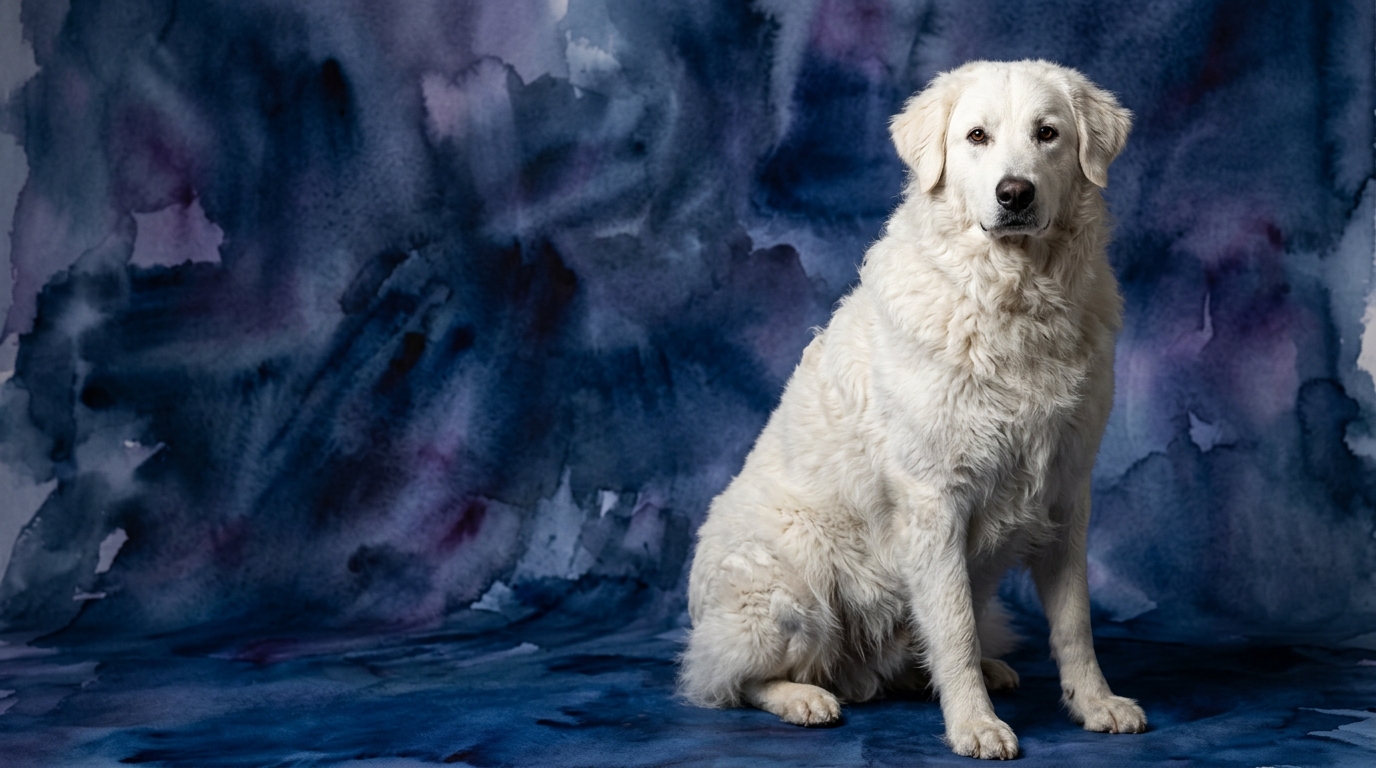
The Kuvasz, a formidable Working dog ranking #42 on Coren's scale, exhibits a cognitive profile built for vigilant protection and independent decision-making. Its Problem Solving score of 3/5 indicates an ability to independently assess and react to threats, crucial for a guardian whose human might not always be present. Training Speed at 3/5 reflects its thoughtful, independent nature; it learns, but often requires consistent, patient guidance rather than rote obedience. Social Intelligence, also 3/5, speaks to its capacity to understand family dynamics and social cues within its pack, yet often coupled with a reserved demeanor towards strangers. Its Instinctive Drive of 3/5 is primarily centered on its deep-seated guarding instincts, a powerful internal compass guiding its protective behaviors. The standout, however, is its Memory at 4/5, suggesting a strong capacity to retain complex information, remember past encounters, and recall routines, which is vital for long-term vigilance.
In contrast, the Rat Terrier, an agile Terrier breed not featured on Coren's ranking, showcases a cognitive setup optimized for swift, focused action and relentless pursuit. Its Problem Solving at 3/5 is geared towards immediate, practical challenges like locating and outsmarting vermin, often requiring quick tactical adjustments. A Training Speed of 3/5 means it is capable of learning, but its high energy and independent terrier spirit can sometimes make focus a challenge, demanding engaging and varied training methods. Social Intelligence, also 3/5, indicates an awareness of its human companions and environment, often expressing itself through alertness and an eagerness to engage. The Rat Terrier's Instinctive Drive, rated 3/5, is powerfully focused on its prey drive, a persistent internal motivation to hunt and chase. Its Memory score of 3/5 suggests it retains information adequately for its tasks, learning from experience but perhaps not with the same depth or long-term recall as the Kuvasz.
Where Kuvasz Wins Cognitively
The Kuvasz distinctly edges out the Rat Terrier in the realm of Memory, scoring 4/5 compared to the Rat Terrier's 3/5. This superior recall is a cornerstone of its effectiveness as a livestock guardian. A Kuvasz can remember complex patterns of its territory, the faces and scents of its charges, and the historical behaviors of potential threats, allowing it to build a comprehensive mental map of its environment. This robust memory enables it to learn from past encounters, recognizing recurring dangers or safe individuals over extended periods, contributing to its consistent, long-term vigilance and strategic protective efforts.
Where Rat Terrier Wins Cognitively
While direct 'wins' in raw numerical scores are fewer for the Rat Terrier, its cognitive strengths lie in the *application* of its capabilities, particularly its focused instinctive drive and problem-solving. Both breeds share a 3/5 for Instinctive Drive and Problem Solving, but the Rat Terrier's drive is acutely honed for high-stakes, fast-paced work. Its problem-solving skills are about immediate, physical challenges: how to locate a hidden rodent, how to navigate tight spaces to pursue prey, or how to quickly assess and react to a moving target. This breed demonstrates exceptional agility in applying its cognitive resources to its primary purpose, showcasing a practical, on-the-spot intelligence that is highly efficient for its specialized role, making it exceptionally effective in tasks requiring quick thinking and tenacious execution.
Which is Easier to Train and Why
Both the Kuvasz and Rat Terrier share a Training Speed score of 3/5, suggesting neither is a particularly quick study compared to breeds renowned for their eagerness to please. However, the *nature* of their training challenges differs significantly, making the 'easier' label subjective to an owner's experience and approach. The Kuvasz, with its independent guardian heritage, tends to evaluate commands rather than offering immediate, eager compliance. It possesses a thoughtful mind, often weighing a request against its own perceived priorities or understanding of the situation. This means training requires immense patience, consistency, and a strong, trusting relationship where the Kuvasz respects its human's leadership without feeling coerced. They learn best when motivated by purpose and fairness, making force-based methods counterproductive.
The Rat Terrier, while equally rated in training speed, brings a different set of challenges. Its formidable prey drive and high energy can lead to distractions, especially in environments with tempting scents or small moving objects. While they can focus intently on a task, that focus can be easily diverted by their core instincts. Training a Rat Terrier often involves harnessing its boundless energy and drive, channeling it into productive activities like agility or scent work, and making training sessions feel like a game. Their terrier tenacity, while a strength in their working role, can translate into stubbornness if they don't see the point or if the training isn't engaging enough. Therefore, the Kuvasz demands respect for its independent decision-making, while the Rat Terrier requires consistent, high-energy engagement to keep its focus away from its instinctual pursuits.
Which Suits Active Owners vs. Relaxed Owners
Neither the Kuvasz nor the Rat Terrier is ideally suited for a truly relaxed, sedentary owner, though their activity needs manifest differently. The Kuvasz, despite its often calm and watchful demeanor, is a large working breed that requires significant space and mental engagement. Its instinctive drive for guardianship means it needs a 'job' or a clear role within the family, even if that's patrolling a large yard. Owners must be active in providing consistent training, socialization, and opportunities for the Kuvasz to observe and protect its territory, preventing boredom or misdirected protective behaviors. A relaxed owner who cannot provide this mental and physical outlet may find themselves with a frustrated and potentially destructive or overly wary dog.
The Rat Terrier, on the other hand, is a compact dynamo of energy. Its high instinctive drive and problem-solving acumen, geared towards hunting, demand regular, vigorous physical exercise and mental stimulation. These dogs thrive on activities like fetch, agility, earthdog trials, or long, varied walks that allow them to explore and use their keen senses. A relaxed owner who prefers short strolls and minimal engagement will quickly find themselves with a bored, potentially destructive, or overly vocal Rat Terrier. While they can be affectionate companions indoors, their cognitive and physical needs are substantial, making them a better fit for active individuals or families who enjoy training, outdoor adventures, and structured play sessions. Both breeds require owners who are mentally engaged and committed to providing consistent stimulation, but the *type* of activity and the *scale* of their needs diverge based on their historical functions.
The Verdict
When contemplating these two distinct breeds, the choice hinges on your lifestyle, experience, and the kind of canine partnership you seek. Choose Kuvasz if you possess experience with independent, large working breeds, have ample secure space, and are prepared for a lifelong commitment to consistent, positive training and socialization to foster its protective yet gentle nature.
Choose Rat Terrier if you lead an active lifestyle, enjoy engaging in dog sports or extensive outdoor activities, and are prepared to channel its tenacious energy and keen problem-solving into structured, stimulating endeavors.
🧠 Find Your Pet's IQ Score
Our Pet IQ Lab assessment covers 25+ tests across 5 cognitive dimensions — personalized to your breed.
Take the Full IQ Test →Frequently Asked Questions
Does the Kuvasz's superior memory make it significantly easier to train complex commands?
While a 4/5 memory score suggests the Kuvasz retains information well, its independent nature (3/5 training speed) means it still requires consistent, patient, and purpose-driven training. Its memory helps it recall learned behaviors and routines over time, but initial teaching might not be faster than a Rat Terrier, whose focus can be equally intense when engaged.
Given their equal problem-solving scores, do both breeds approach challenges similarly?
No, their problem-solving approaches differ due to their breed functions. The Kuvasz's 3/5 problem-solving is often applied to strategic assessment of its environment and potential threats, while the Rat Terrier's 3/5 is more about immediate, tactical solutions related to hunting and navigating physical obstacles.
Can a Rat Terrier, with its strong prey drive, be safely kept with small pets?
While individual temperament varies, a Rat Terrier's inherent 3/5 instinctive drive for hunting small prey makes it a significant risk with small pets like hamsters, guinea pigs, or even cats, unless raised with them from a very young age and under strict supervision. Owners must be vigilant and proactive in managing this powerful natural instinct.