Side-by-Side IQ Profile: Kuvasz vs. Skye Terrier
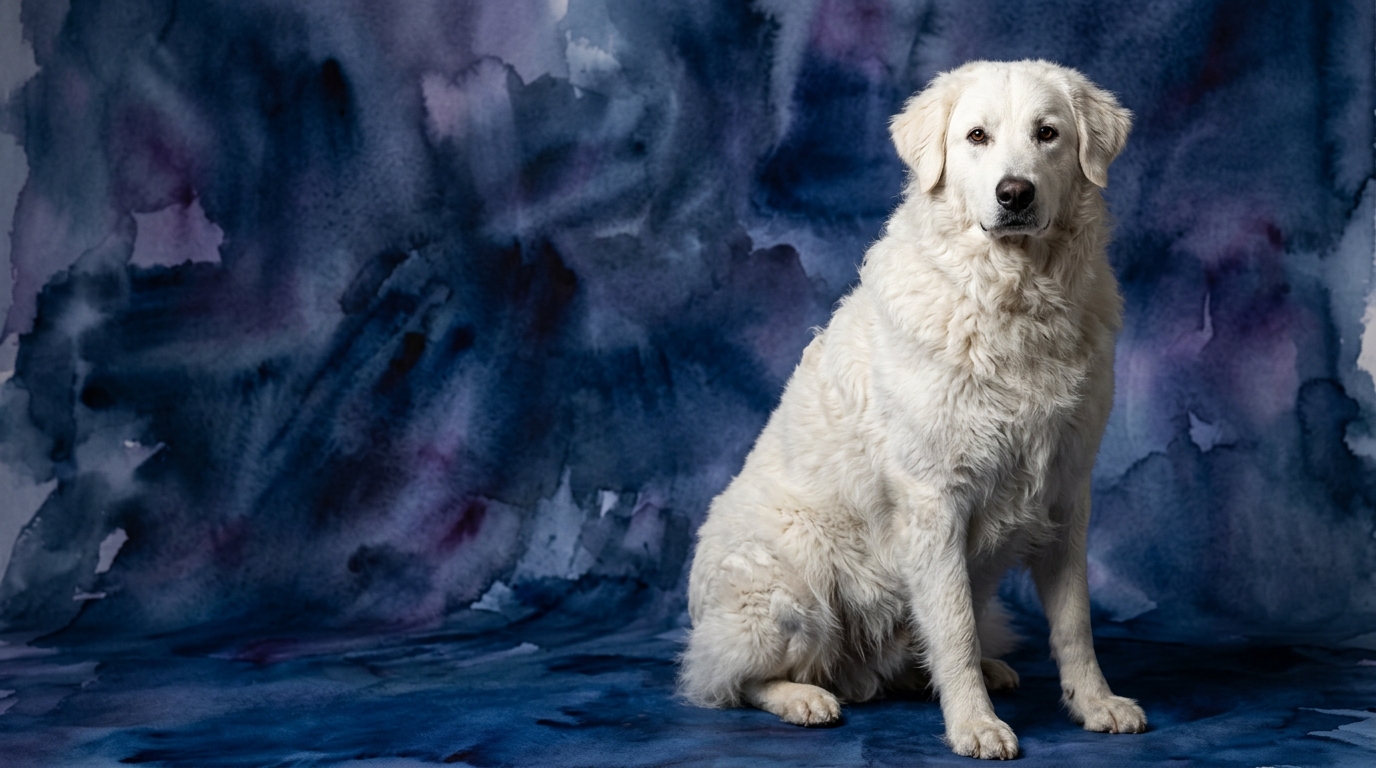
The Kuvasz, a formidable guardian from Hungary, holds a Coren rank of #42 among working breeds, reflecting a recognized level of adaptive intelligence. Its problem Solving is rated 3/5, indicating an ability to navigate moderately complex situations and make independent decisions, crucial for its livestock protection role. Training Speed also stands at 3/5, suggesting a moderate pace of learning new commands, often requiring consistent, patient guidance to overcome their inherent independence. Social Intelligence, at 3/5, means the Kuvasz can read human and canine cues adequately, though their primary focus remains on their family unit and potential threats. Their Instinctive Drive, also 3/5, is powerfully channeled into guarding and protection, manifesting as a watchful, territorial nature. A standout trait for the Kuvasz is its Memory, rated 4/5, signifying a strong capacity to retain learned behaviors, recognize individuals, and recall past experiences over extended periods, vital for long-term guardianship.
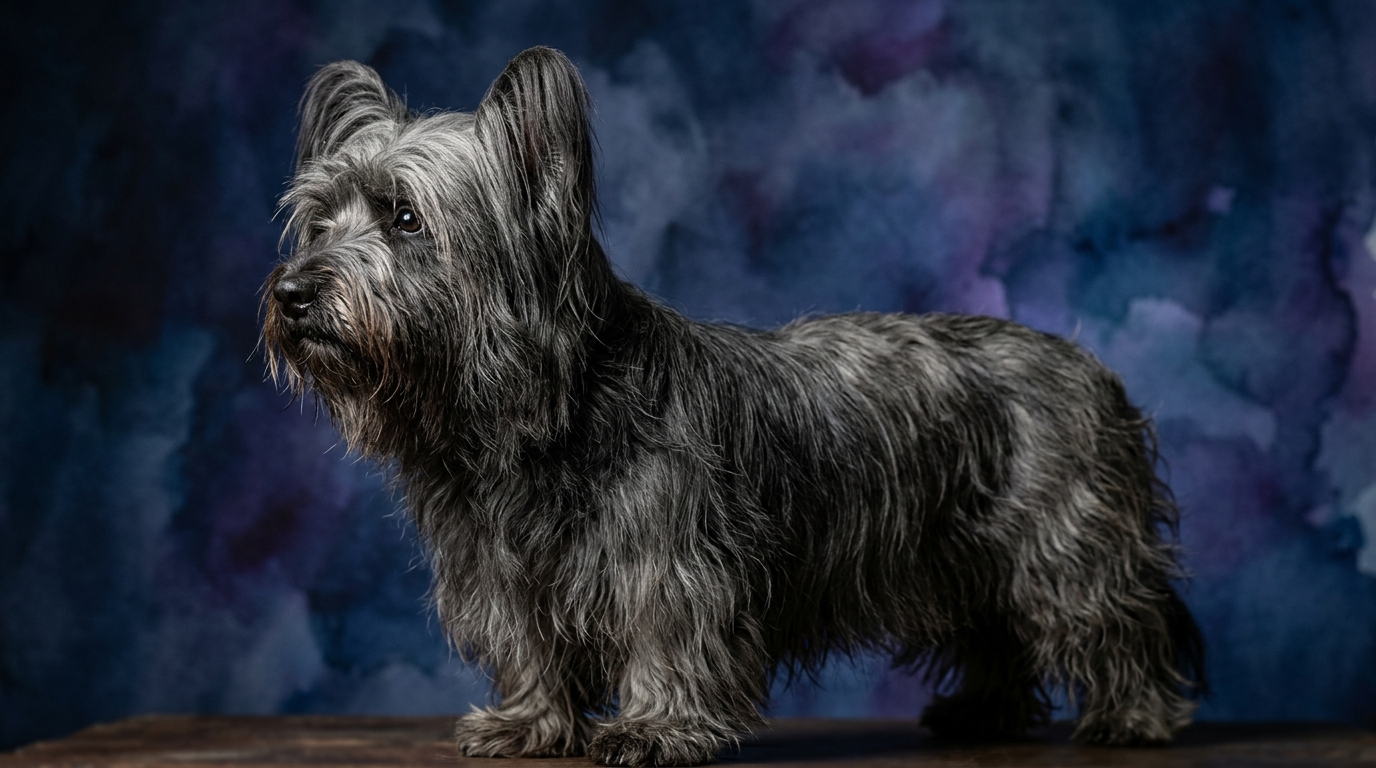
The Skye Terrier, while not Coren-ranked, brings its own unique set of cognitive strengths as a terrier breed. Its problem Solving is rated 3/5, reflecting a tenacious and resourceful approach to overcoming obstacles, particularly those related to seeking out quarry. Training Speed, like the Kuvasz, is 3/5, indicating that while capable of learning, the Skye Terrier often requires engaging methods and patience due to its independent and sometimes stubborn temperament. Social Intelligence is also 3/5, meaning they can form strong bonds and understand social dynamics, yet they often exhibit a reserved demeanor with strangers and a strong preference for their chosen circle. Their Instinctive Drive, rated 3/5, is characterized by a strong prey drive, digging tendencies, and a determined pursuit of objectives, typical of their vermin-hunting heritage. The Skye Terrier's Memory is rated 3/5, meaning they possess a solid capacity for recalling routines and learned cues, though perhaps not with the same depth or longevity as the Kuvasz, making consistent reinforcement beneficial.
Where the Kuvasz Wins Cognitively
The most distinct cognitive advantage for the Kuvasz lies in its superior Memory, scoring 4/5 compared to the Skye Terrier's 3/5. This enhanced recall capacity means a Kuvasz is more likely to retain complex sequences of commands over time, remember specific individuals or livestock for years, and recall past experiences or territorial boundaries with remarkable accuracy. For a breed tasked with autonomous protection, this robust memory is invaluable; it allows them to learn from previous encounters, recognize recurring patterns, and maintain a consistent understanding of their environment and responsibilities without constant retraining. This cognitive strength translates into a dog that, once a lesson is learned or a person is recognized, is less likely to forget it, contributing to their reliable and steadfast guardian nature over their lifetime.
Where the Skye Terrier Wins Cognitively
While the Skye Terrier's individual cognitive scores might not numerically surpass the Kuvasz, its cognitive strengths manifest in a highly specialized application of its abilities, particularly in areas related to tenacity and focused pursuit. Both breeds share a 3/5 in problem Solving and Instinctive Drive, but the Skye Terrier's approach to these is distinctly terrier. Its problem Solving, while a 3/5, is honed for specific, often physical challenges like navigating tight spaces, outsmarting small prey, or persistently digging to achieve a goal. This is a focused, determined ingenuity born from centuries of hunting vermin. Similarly, its Instinctive Drive (3/5) is a relentless engine for pursuit and exploration, giving it a unique cognitive edge in tasks requiring sustained, independent effort against perceived challenges. Where a Kuvasz's drive is broad protection, a Skye's drive is precise, unyielding determination, making it exceptionally adept at single-minded tasks and demonstrating remarkable resilience in the face of obstacles that might deter other breeds. This specialized mental fortitude is a clear cognitive 'win' within its context.
Which is Easier to Train and Why
Neither the Kuvasz nor the Skye Terrier can be broadly categorized as 'easy' to train, as both possess a Training Speed of 3/5, indicating a moderate learning pace, yet their underlying behavioral differences create distinct training experiences. The Kuvasz's impressive Memory (4/5) means that once a command is truly embedded, it is likely to stick. However, their independent problem Solving (3/5) and strong Instinctive Drive (3/5 for guarding) mean they often weigh commands against their own judgment of a situation, especially if it conflicts with their protective instincts. Training a Kuvasz requires immense patience, consistency, and a deep understanding of their guardian mindset, focusing on building trust and respect rather than forceful compliance. They are not 'people-pleasers' in the traditional sense; they are partners who decide whether a command aligns with their perceived role.
Conversely, the Skye Terrier's Training Speed (3/5) is influenced by its terrier tenacity and independent nature. Their Instinctive Drive (3/5 for prey and digging) can be a significant distraction, making it challenging to maintain focus in stimulating environments. While they have solid problem-solving skills, these are often directed towards their own objectives rather than human commands. Training a Skye requires creativity, short engaging sessions, and a firm but fair approach to navigate their stubborn streaks and channel their determined spirit positively. In essence, the Kuvasz remembers well but might question, while the Skye learns steadily but might choose to ignore due to its strong self-will. Neither is inherently easier; both demand an experienced hand that respects their breed-specific cognitive and behavioral predispositions, making both a rewarding challenge for the dedicated owner.
Which Suits Active Owners vs. Relaxed Owners
When considering activity levels, it's crucial to understand that neither the Kuvasz nor the Skye Terrier is ideally suited for truly 'relaxed' owners who prefer minimal engagement with their dog. Both breeds require consistent mental and physical stimulation, though the nature of that stimulation differs significantly. The Kuvasz, a large working breed, demands space and purposeful activity. While not necessarily requiring hours of high-impact running, they need regular, moderate exercise to maintain physical health and mental balance, such as long walks, supervised outdoor time, and engaging in 'jobs' that satisfy their guardian Instinctive Drive (3/5). Their independent problem Solving (3/5) means they thrive with mental challenges that allow them to think, such as advanced obedience or protection work. Owners must be 'active' in managing their environment, providing consistent training, and ensuring proper socialization to channel their protective instincts. A relaxed owner who cannot provide this structure and engagement would find a Kuvasz overwhelming.
The Skye Terrier, despite its smaller size, is also not a sedentary companion. Its terrier Instinctive Drive (3/5) for chasing, digging, and exploring means it requires daily exercise and mental outlets to prevent boredom and destructive behaviors. They thrive on brisk walks, playtime, and opportunities to engage their problem Solving (3/5) through puzzle toys or scent work. Owners must be active in providing consistent stimulation and managing their strong prey drive, making sure their tenacious spirit is channeled positively. A truly 'relaxed' owner who expects a dog to entertain itself with minimal interaction would likely find both breeds challenging, as both demand an owner who is actively involved in their daily lives and understands their unique cognitive and behavioral needs.
The Verdict
The choice between a Kuvasz and a Skye Terrier hinges on an owner's lifestyle, experience, and appreciation for specific cognitive traits. Choose the Kuvasz if you seek a majestic, dedicated guardian with an exceptional memory and a thoughtful, independent approach to problem-solving, and you are prepared for consistent, patient training of a large, protective breed.
Opt for the Skye Terrier if you desire a tenacious, spirited companion with a specialized, relentless problem-solving drive and a strong independent streak, and you are ready to engage with a determined terrier's unique cognitive challenges and spirited personality.
🧠 Find Your Pet's IQ Score
Our Pet IQ Lab assessment covers 25+ tests across 5 cognitive dimensions — personalized to your breed.
Take the Full IQ Test →Frequently Asked Questions
Is the Kuvasz a good choice for first-time dog owners?
The Kuvasz's independent nature, strong protective instincts, and need for consistent, experienced guidance make them less ideal for first-time dog owners. Their 3/5 social intelligence and problem-solving skills require an owner who understands breed-specific behaviors and is prepared for dedicated training and socialization.
Do Skye Terriers get along well with other pets?
Skye Terriers, with their 3/5 instinctive drive rooted in hunting, can have a strong prey drive towards smaller animals, making introductions to other pets challenging. Early and thorough socialization is crucial, but their independent nature and territorial tendencies mean careful management is often necessary, especially with other dogs.
What kind of mental exercise benefits a Skye Terrier most?
Given their 3/5 problem-solving and instinctive drive, Skye Terriers thrive on mental exercises that engage their natural terrier instincts. Scent work, puzzle toys that require manipulation, supervised digging opportunities, and short, engaging obedience sessions are excellent ways to stimulate their minds and satisfy their tenacious spirit.