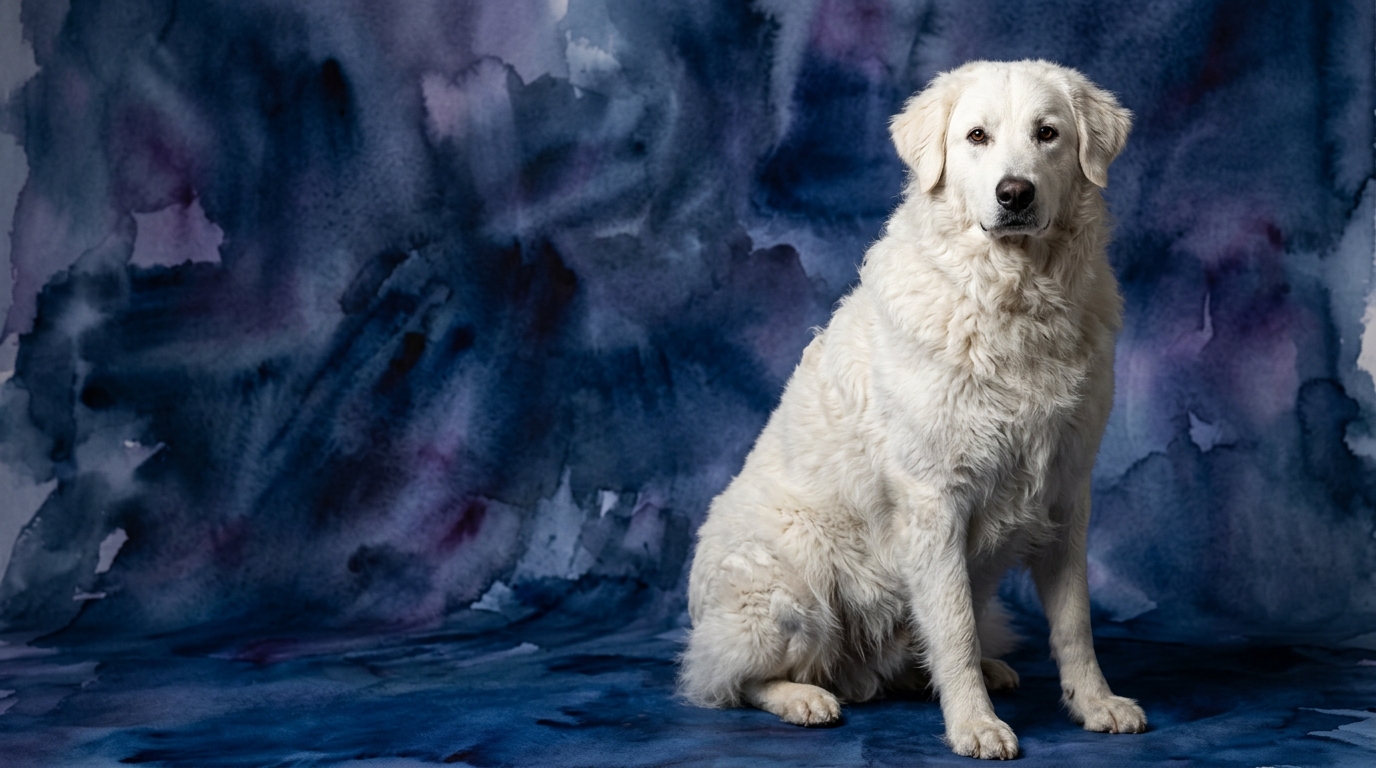
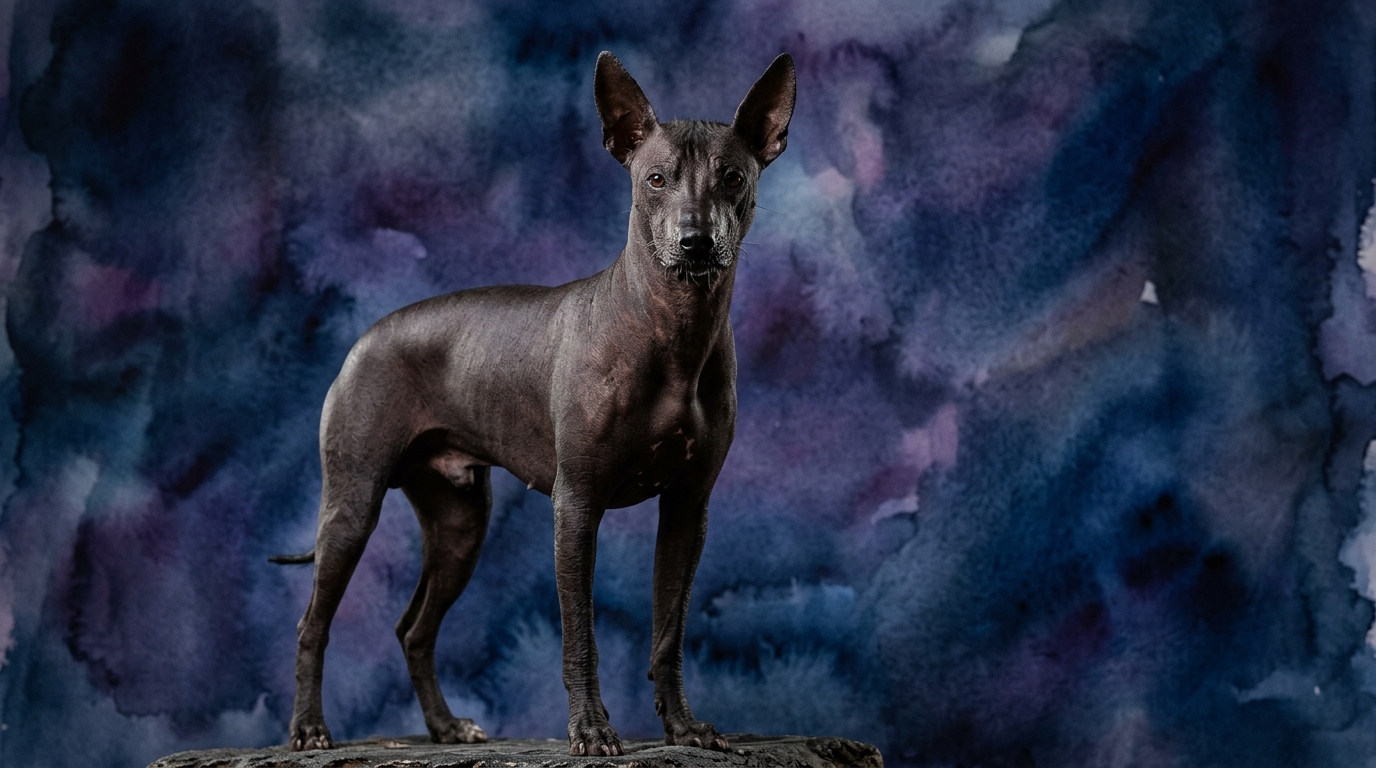
Side-by-Side Cognitive Profiles: Kuvasz vs. Xoloitzcuintli
The Kuvasz, a large, majestic guardian breed from the Working group and Coren-ranked #42, brings a unique blend of cognitive strengths to its historical role. Its problem-solving (3/5) manifests as a capacity for independent thought and decision-making, particularly when assessing threats or navigating complex territorial situations, often without direct human instruction. Training speed (3/5) is moderate; while they can grasp new concepts, their self-reliant nature means they often evaluate commands, requiring patient, consistent, and motivational methods to foster cooperation rather than rote obedience. Social intelligence (3/5) is keenly focused on their immediate family unit, displaying deep loyalty and an understanding of pack dynamics, though they are typically reserved and discerning with strangers. Their instinctive drive (3/5) is powerfully oriented towards protection and territorial vigilance, underpinning their historical purpose. Crucially, the Kuvasz boasts a memory (4/5) that is robust, enabling them to recall past experiences, training, and specific individuals or threats over long durations, which is invaluable for their consistent guardian duties.
The ancient Xoloitzcuintli, known for its striking appearance and deep companionship within the Non-Sporting group, presents a cognitive profile that, while numerically similar in many aspects, expresses itself distinctively. Their problem-solving (3/5) is often demonstrated through cleverness in domestic settings, finding ways to achieve comfort, access desired locations, or communicate needs to their family. Training speed (3/5) is also moderate; they learn effectively with positive reinforcement, though their sensitive nature and occasional independent streak mean harsh methods are counterproductive. Social intelligence (3/5) is profoundly expressed through their strong emotional bonds with their human family, allowing them to be highly attuned to moods and subtle cues, although they tend to be aloof or wary of outsiders. Their instinctive drive (3/5) is primarily centered on companionship, alertness, and being an integrated part of the family "pack," rather than independent physical guarding. The Xolo's memory (3/5) is sufficient for retaining routines, commands, and experiences, contributing to their reliable and predictable presence within the home.
Where the Kuvasz's Cognition Shines
The Kuvasz's cognitive strengths are deeply intertwined with its legacy as an autonomous livestock guardian. Its exceptional memory (4/5) is arguably its most defining cognitive asset, allowing it to retain a vast mental map of its territory, the individuals within its care, and the nuanced behaviors of potential threats. This deep recall isn't merely about remembering commands; it's about consistently applying learned patterns of vigilance and protection over extended periods and across changing circumstances. When faced with a novel situation, their problem-solving (3/5) is deployed with an inherent self-reliance; they are hardwired to assess and act independently, often making decisions based on their ingrained understanding of their protective role rather than waiting for human direction. This independent application of intellect, coupled with a strong instinctive drive (3/5) for territorial defense, means the Kuvasz is constantly processing environmental cues and evaluating potential risks, demonstrating a proactive and self-sufficient form of intelligence critical for its demanding historical purpose. Their social intelligence (3/5), while reserved, is profoundly loyal to their chosen family, meaning they keenly observe and understand the dynamics within their 'flock', directing their cognitive efforts towards their safety.
Where the Xoloitzcuintli's Cognition Excels
The Xoloitzcuintli's cognitive brilliance lies in its nuanced adaptation to human companionship, a role honed over millennia. While sharing a problem-solving (3/5) score with the Kuvasz, the Xolo applies this skill in a more domestically focused, often clever manner. This might involve figuring out how to open a cabinet, manipulate a blanket for optimal warmth, or devise subtle ways to solicit attention or comfort from their human family. Their social intelligence (3/5), though numerically similar, manifests as a profound empathy and attunement to human emotions and social structures within the home. Xolos are often described as sensitive and intuitive, capable of understanding subtle shifts in mood or routine, making them exceptional emotional companions. Their instinctive drive (3/5), rather than being expressed as territorial guarding, is channeled into deep loyalty, alert companionship, and a desire to be an integral, cherished part of the family unit. This drives their cognitive efforts towards understanding and integrating into human life. While their memory (3/5) might not match the Kuvasz's depth, it is perfectly adequate for learning complex household routines, remembering specific interactions, and anticipating their family's needs, contributing to their reputation as intuitive and highly connected partners.
Training Dynamics: Kuvasz vs. Xoloitzcuintli
Understanding the distinct temperaments behind their similar training speed (3/5) scores is crucial for effective guidance. The Kuvasz, with its strong independent streak and historical role as a guardian making autonomous decisions, approaches training with a thoughtful, often questioning mindset. They aren't inherently disobedient, but rather process commands through the lens of their own judgment and protective instincts. This means training requires exceptional patience, unwavering consistency, and highly motivating, positive reinforcement techniques. Owners must establish themselves as respected leaders through fair and clear communication, fostering a partnership built on trust rather than demanding blind obedience. Their formidable memory (4/5) means they vividly recall every training interaction, making early, positive socialization and consistent boundaries paramount to avoid ingrained negative associations.
In contrast, the Xoloitzcuintli, despite a similar training speed, is characterized by its sensitivity and deep bond with its family. They respond best to gentle, reward-based methods, as harsh corrections can easily lead to withdrawal, fear, or stubbornness. Their social intelligence (3/5) makes them highly attuned to their owner's emotions, so a calm, reassuring demeanor is essential. While they possess an independent spirit, it's often expressed as a desire to interact on their own terms rather than outright defiance. Early and continuous socialization is vital to help Xolos develop confidence and comfort in various situations, preventing them from becoming overly reserved or anxious around strangers or new environments. Their memory (3/5) ensures they retain learned behaviors and routines, but the quality of that learning experience is deeply influenced by the emotional context.
Lifestyle Suitability: Active vs. Engaged Owners
The Kuvasz is best suited for owners who are prepared for a significant commitment to managing a powerful, independent, and inherently protective breed. These are not dogs for the faint of heart or first-time owners. They require extensive socialization from a young age to channel their strong instinctive drive (3/5) appropriately, ensuring they differentiate between genuine threats and everyday occurrences. While their physical exercise needs are moderate, they demand significant mental engagement through structured training, 'jobs' like patrolling a securely fenced property, or participation in dog sports that challenge their problem-solving abilities. Owners must be consistent, confident leaders who understand and respect the Kuvasz's self-reliant nature, providing ample space and a clear role within the family. This breed thrives with active owners who can integrate them into a structured life, appreciating their watchful devotion.
The Xoloitzcuintli, conversely, appeals to owners seeking a deeply devoted, sensitive, and relatively low-maintenance companion in terms of physical exercise. While they enjoy walks and playtime, their primary need is for constant companionship and integration into daily family life. Their social intelligence (3/5) means they thrive on close interaction, often preferring to be near their humans, seeking warmth and comfort. They are not suited to being left alone for extended periods, as this can lead to anxiety or destructive behaviors. Owners should be prepared to provide consistent, positive socialization to ensure their Xolo develops into a confident, well-adjusted adult. This breed is ideal for relaxed owners who are present, patient, and value a quiet, intuitive, and deeply connected canine family member, willing to invest in gentle guidance and abundant affection.
The Verdict
Opt for a Kuvasz if you are an experienced owner seeking a fiercely loyal, independent guardian with a remarkable memory for its protective duties, willing to commit to extensive socialization and patient, consistent training.
Choose a Xoloitzcuintli if you desire a deeply devoted, sensitive companion who thrives on close family interaction and moderate activity, appreciating their unique blend of ancient charm and quiet intelligence.
🧠 Find Your Pet's IQ Score
Our Pet IQ Lab assessment covers 25+ tests across 5 cognitive dimensions — personalized to your breed.
Take the Full IQ Test →Frequently Asked Questions
Is the Kuvasz truly more intelligent than the Xoloitzcuintli based on these scores?
Not necessarily in overall capacity; while the Kuvasz shows a stronger memory, both breeds demonstrate similar scores in problem-solving, training speed, social intelligence, and instinctive drive. Their "intelligence" manifests differently, shaped by their historical roles and temperaments.
Why is the Xoloitzcuintli not Coren-ranked if it has similar IQ scores?
Coren's ranking primarily assesses "working intelligence" related to obedience and command following, which aligns more with certain working breeds. The Xolo's ancient role as a companion and guardian, often with a more independent streak, means it might not excel in the specific metrics Coren used, but it possesses considerable adaptive and social intelligence.
How does "instinctive drive" differ between these two breeds with the same score?
While both score 3/5, the Kuvasz's instinctive drive is primarily geared towards independent territorial guarding and livestock protection, whereas the Xoloitzcuintli's drive is centered on being a devoted, alert companion and integral family member. The application of this drive varies significantly.