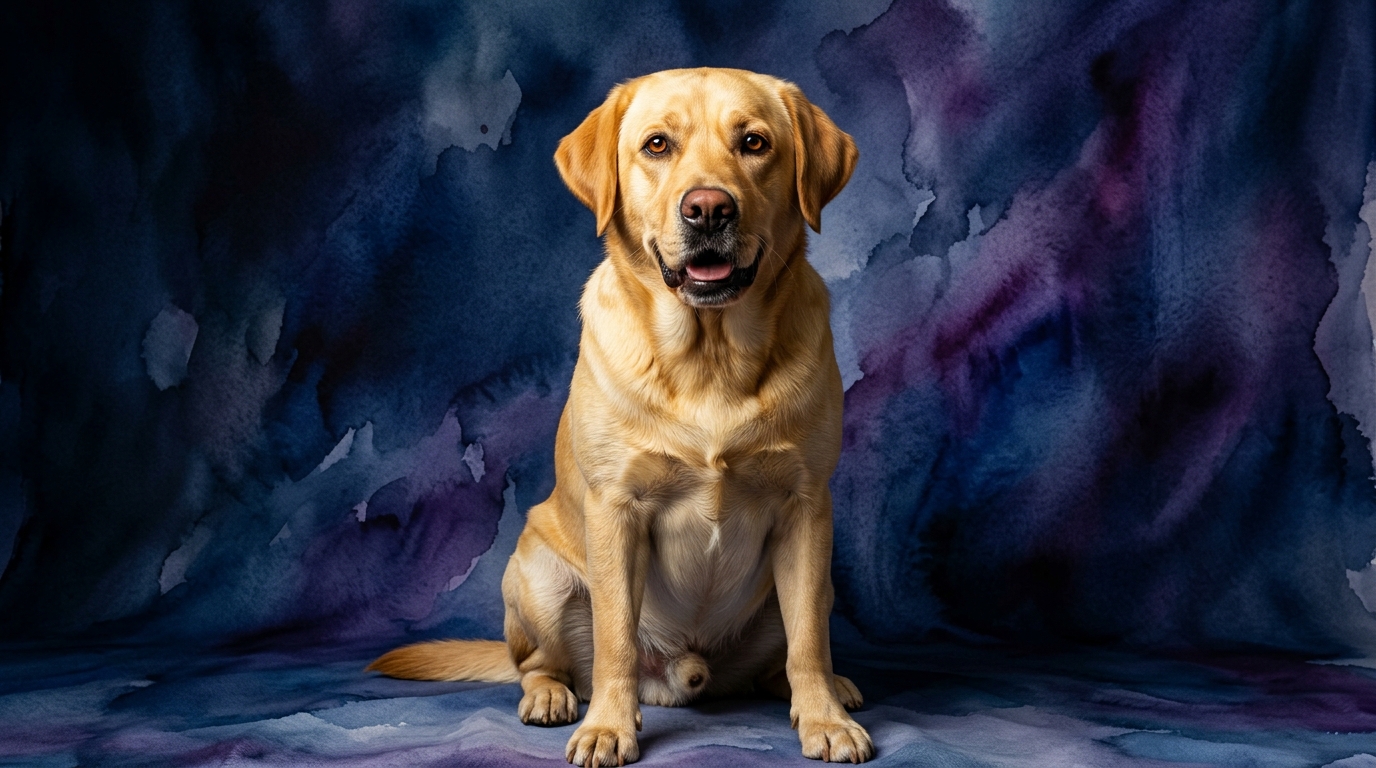
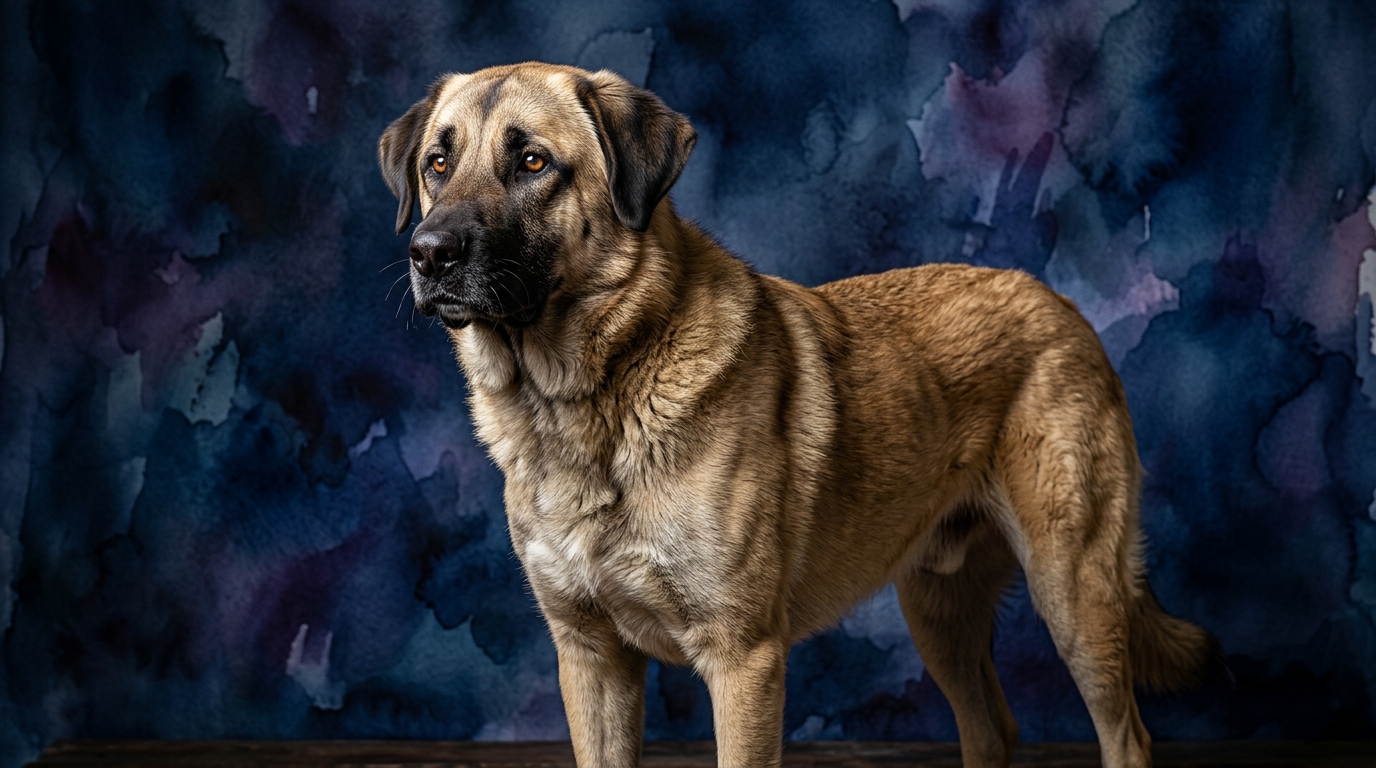
Side-by-Side IQ Profile: Lab vs. Anatolian
The Cosmic Pet Pet IQ Lab provides a unique lens through which to compare the cognitive blueprints of these two distinct breeds, revealing how their evolutionary paths have shaped their intellect. The Labrador Retriever, a universally cherished Sporting group member, ranks impressively at #7 on Stanley Coren's scale of dog intelligence, a measure primarily focused on obedience and working intelligence. Its IQ profile boasts a robust 4/5 in Problem Solving, an exceptional 5/5 in Training Speed, a perfect 5/5 in Social Intelligence, a strong 4/5 in Instinctive Drive, and a solid 4/5 in Memory. This combination paints a vivid picture of a dog eager to engage, quick to learn complex tasks, and deeply attuned to human interaction and cues. In stark contrast, the Anatolian Shepherd Dog, a formidable Working group breed, does not feature on the Coren ranking. This omission is not indicative of a lack of intellect, but rather reflects a cognitive architecture optimized for independent decision-making and autonomous guardianship over human-directed obedience, a common characteristic for breeds whose primary role demands self-reliance. Its IQ scores are more moderate across the board: 3/5 for Problem Solving, 3/5 for Training Speed, 3/5 for Social Intelligence, 3/5 for Instinctive Drive, and 3/5 for Memory. These scores, while numerically lower, represent a highly functional intelligence designed for a vastly different set of responsibilities.
Where the Labrador Retriever Excels Cognitively
The Labrador Retriever's cognitive strengths shine brightly in areas demanding cooperation, rapid learning, and social attunement, making them exceptional partners in a myriad of human endeavors. Its 4/5 in Problem Solving allows it to quickly grasp complex sequences, such as learning multi-step retrieve commands, navigating intricate agility courses, or deciphering puzzle toys designed to release treats, often demonstrating an intuitive understanding of cause and effect. The breed's outstanding 5/5 in Training Speed means it absorbs new commands, routines, and behavioral expectations with remarkable alacrity, frequently requiring fewer repetitions than many other breeds to achieve mastery. This rapid uptake is significantly bolstered by its perfect 5/5 Social Intelligence, enabling Labradors to keenly interpret human body language, subtle vocal inflections, and emotional states, making them exceptionally responsive and empathetic companions. Furthermore, their 4/5 Memory ensures they retain learned behaviors, positive associations, and even specific routes or tasks over extended periods, making them reliable and consistent partners in roles from assistance work to competitive obedience. This powerful cognitive blend creates a highly adaptable, eager-to-please, and profoundly communicative canine.
Where the Anatolian Shepherd Dog Excels Cognitively
While the Anatolian Shepherd Dog's IQ scores are numerically lower in categories emphasizing human-centric cooperation, its cognitive strengths are specifically tailored to its demanding role as a livestock guardian, where self-sufficiency and acute environmental awareness are paramount. Its 3/5 in Problem Solving isn't about solving human-designed obedience challenges, but rather about independently assessing and mitigating dynamic threats to its flock or property. This involves a nuanced, real-time understanding of its territory, identifying unusual sights, sounds, or scents, and making critical decisions without direct human command – a complex form of practical, situational problem-solving. The 3/5 Instinctive Drive is perfectly channeled into its unwavering protective nature, a deep-seated impulse to guard that dictates much of its cognitive focus and vigilance. Its Social Intelligence, while rated 3/5, is directed more towards discerning the intentions of potential intruders or strangers, rather than seeking constant human interaction or approval. This breed excels at long-term vigilance, strategic observation, and remembering patterns within its environment, as well as the unique behaviors of those within its charge, supported by its 3/5 Memory. This cognitive profile enables the Anatolian to maintain its protective perimeter and recognize both familiar and unfamiliar presences with unwavering dedication. This breed's intellect is a profound testament to functional specialization, prioritizing independence and situational awareness.
Which Breed is Easier to Train and Why?
Without question, the Labrador Retriever presents a far easier and more rewarding training experience for most owners, a direct consequence of its Pet IQ Lab profile. Its stellar 5/5 Training Speed and 5/5 Social Intelligence mean Labradors are inherently motivated to engage with their handlers, quickly understanding what is expected of them and deriving immense satisfaction from cooperation and positive reinforcement. They possess a natural eagerness to please, coupled with a high food or toy drive, which are powerful motivators for learning obedience commands, complex retrieving tasks, and even intricate service dog duties. Their strong 4/5 memory further cements these lessons, leading to reliable, consistent performance. In contrast, the Anatolian Shepherd Dog, with its 3/5 Training Speed and 3/5 Social Intelligence, offers a significantly different training challenge. This breed was developed to think and act independently, often miles from human oversight, making it less inclined towards rote obedience for human approval. Training an Anatolian requires immense patience, unwavering consistency, and a profound understanding of its guardian temperament. They learn, but often at their own pace, and their problem-solving is directed towards their primary guarding duties rather than mastering handler-set tricks or competitive obedience. Their innate drive to patrol and protect often supersedes a desire to perform human-initiated commands, meaning training must be framed in a way that aligns with their natural instincts and purpose, focusing on boundary setting and appropriate guardian behaviors, rather than attempting to override their independent spirit.
Suitability for Active vs. Relaxed Owners
When considering lifestyle compatibility, the Labrador Retriever is an ideal match for active owners who relish interactive engagement and shared adventures with their dog. Their robust 4/5 Instinctive Drive translates into a profound desire for purposeful activity, whether it's retrieving balls for hours, accompanying owners on long hikes, swimming expeditions, or participating enthusiastically in dog sports like agility and dock diving. They thrive on mental and physical challenges provided by their human companions and can become bored or even destructive if under-stimulated. Their high social intelligence means they genuinely enjoy being an integral part of family activities and seek companionship. The Anatolian Shepherd Dog, while certainly not a sedentary breed, suits a different kind of owner – one who appreciates a dog whose activity is often self-directed and purposeful within a defined territory. Their physical activity primarily involves patrolling a large property, observing, and maintaining vigilance, rather than demanding constant human-initiated games. A 'relaxed owner' for an Anatolian might be someone with acreage who desires a watchful, independent guardian presence, understanding that the dog's 'work' is largely autonomous surveillance. While they need ample space and exercise, it's less about high-intensity interactive play and more about fulfilling their inherent role. They are generally not suited for apartment living or owners seeking a constant, playful companion, but rather a steadfast, self-sufficient protector who operates on their own terms.
The Verdict
Choose a Labrador Retriever if you seek a highly cooperative, versatile, and eager-to-please family companion for diverse activities, readily trainable tasks, and constant social engagement.
Opt for an Anatolian Shepherd Dog if you need an independent, dedicated guardian for livestock or property, appreciating its self-reliant decision-making, calm vigilance, and protective instincts over conventional obedience.
🧠 Find Your Pet's IQ Score
Our Pet IQ Lab assessment covers 25+ tests across 5 cognitive dimensions — personalized to your breed.
Take the Full IQ Test →Frequently Asked Questions
Are Anatolian Shepherd Dogs difficult to train?
Anatolian Shepherd Dogs are not inherently 'difficult' but require a specific approach due to their independent nature and strong guarding instincts. Their 3/5 training speed means they learn slower than a Labrador, and their motivation comes from fulfilling their protective role rather than eager human approval, demanding patient, consistent, and reward-based training.
Do Labradors need a lot of mental stimulation?
Yes, Labrador Retrievers, with their 4/5 problem-solving and 5/5 social intelligence, thrive on mental stimulation. They need more than just physical exercise; puzzle toys, training sessions, and engaging activities are crucial to prevent boredom and channel their energy constructively.
Which breed is better with children?
The Labrador Retriever's 5/5 social intelligence and generally cooperative temperament often make them excellent family dogs, typically patient and playful with children when properly socialized and trained. Anatolian Shepherd Dogs, while protective of their 'flock' (including family children), are more independent and their guardian instincts mean they might not tolerate rough play from unfamiliar children, requiring careful supervision and extensive socialization from a young age.