Side-by-Side IQ Profile: Unpacking Their Minds
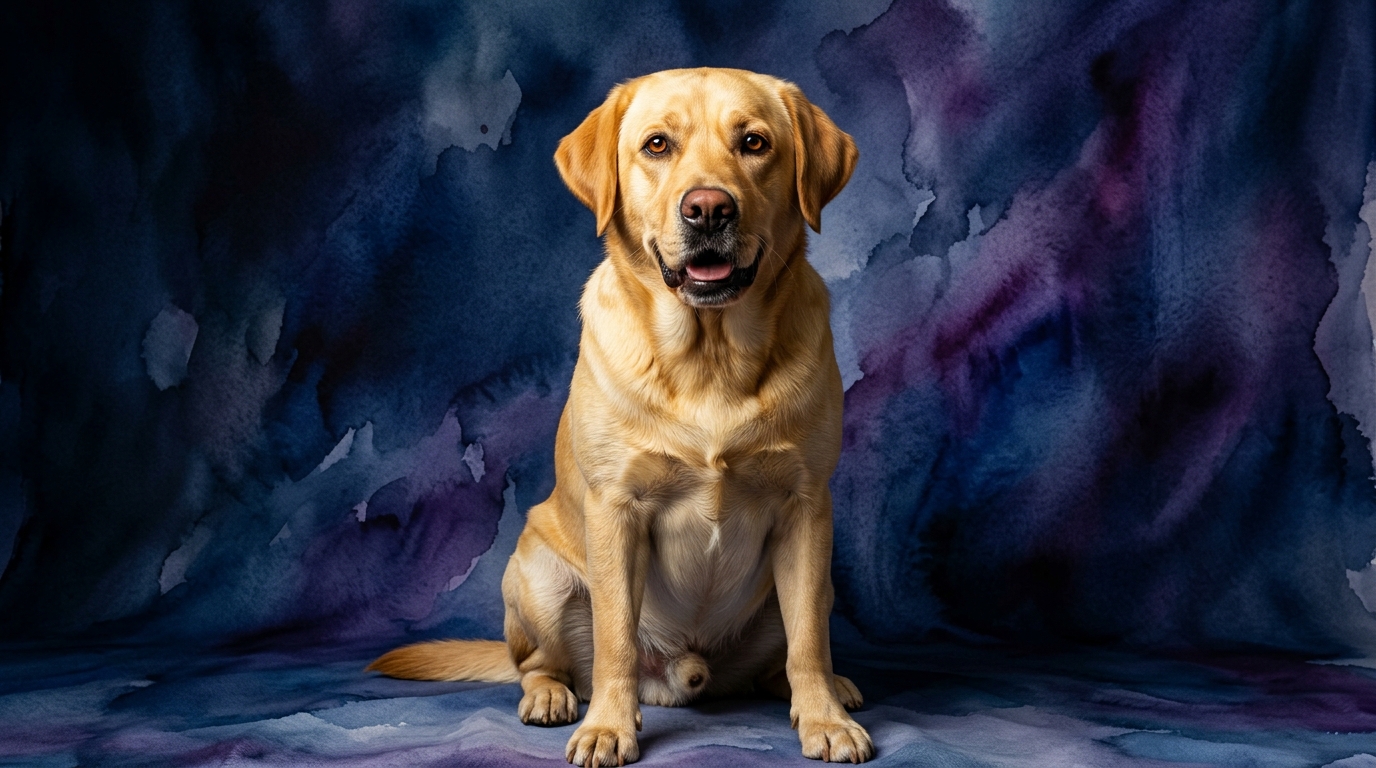
At The Cosmic Pet Pet IQ Lab, we evaluate canine intelligence across five critical dimensions, providing a granular view beyond general perceptions. For the Labrador Retriever, classified in the Sporting group with a Coren rank of #7, its profile reveals a well-rounded and highly cooperative mind. They score 4/5 in Problem Solving, indicating an aptitude for practical, tangible challenges, especially those involving their human companions or retrieving tasks. Their Training Speed is an exceptional 5/5, meaning they acquire new commands and routines with remarkable swiftness, driven by a strong desire to please. Social Intelligence is also a perfect 5/5, showcasing their profound ability to read human emotions, intentions, and social dynamics, making them incredibly intuitive companions. Instinctive Drive sits at 4/5, manifesting as a strong, yet manageable, urge for retrieving, companionship, and food-based motivation. Finally, their Memory is rated 4/5, demonstrating solid retention of learned behaviors, routes, and individual recognition.
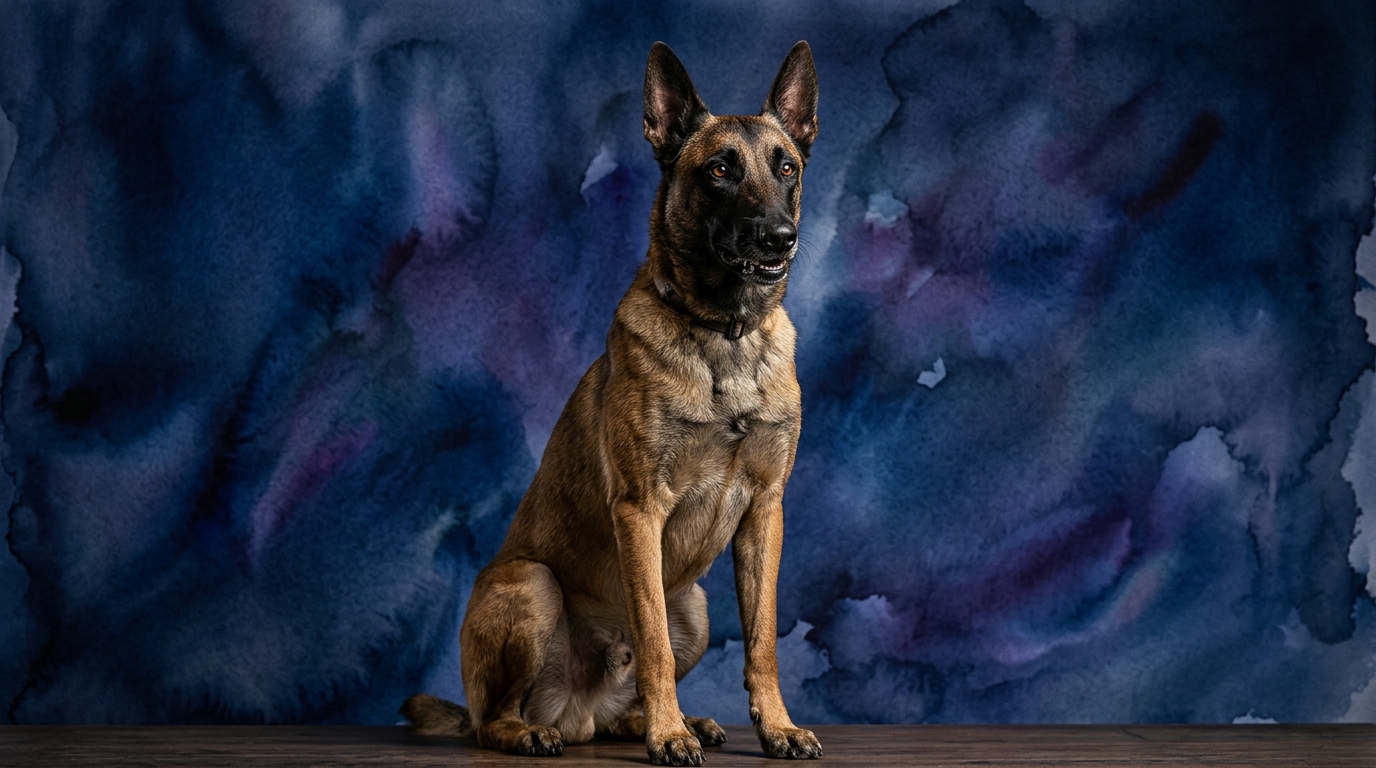
The Belgian Malinois, a member of the Herding group with a Coren rank of #22, presents a distinctly different, highly specialized cognitive blueprint. Their Problem Solving ability is a stellar 5/5, indicating a profound capacity for complex, multi-step strategizing and independent thought, often in high-pressure situations. They match the Labrador's Training Speed at 5/5, quickly grasping intricate command sequences and advanced tasks. However, their Social Intelligence is 4/5, suggesting they understand human cues well, but their focus is often task-oriented rather than purely social bonding, making them more discerning in their interactions. The Malinois's Instinctive Drive is an intense 5/5, fueling an almost boundless need for work, protection, and prey-related activities. Complementing this is a 5/5 Memory, an uncanny ability to recall vast amounts of information, from complex sequences to environmental details and past experiences, crucial for sustained, precise performance.
Where the Labrador Retriever Excels Cognitively
The Labrador Retriever's cognitive strengths shine brightest in areas demanding social harmony and adaptable integration. Their perfect 5/5 Social Intelligence makes them unparalleled in roles requiring intuitive understanding of human emotions and subtle cues. They excel at providing emotional support, anticipating their human's needs, and seamlessly navigating diverse social settings, often requiring less explicit direction for appropriate behavior than their Malinois counterparts. This deep social attunement allows them to integrate smoothly into family life, becoming intuitive companions who contribute to a peaceful home environment.
Furthermore, the Labrador's 4/5 Problem Solving, combined with their high social intelligence and a balanced 4/5 instinctive drive, grants them superior adaptability to varied routines and environments. They are less prone to stress or creating their own 'jobs' if not constantly challenged with complex tasks. This means they can transition between quiet periods and active play without the same level of mental or physical demand seen in working breeds. Their cognitive profile allows them to be content with a broader range of engagement levels, making them more forgiving in less structured environments and excellent at practical, cooperative tasks like guide work or therapy where social connection and reliable responses are key.
Where the Belgian Malinois Holds the Cognitive Edge
The Belgian Malinois's cognitive prowess is most evident in domains demanding intricate mental engagement and relentless drive. Their perfect 5/5 Problem Solving and 5/5 Memory provide them with a distinct advantage in tasks requiring independent strategic thought, complex planning, and multi-stage execution. A Malinois doesn't merely follow commands; they process the underlying intent and often devise efficient solutions to obstacles, making them exceptional in fields like detection, protection sports, and advanced obedience. This capacity for deep cognitive processing allows them to learn and execute long, complex chains of behavior with remarkable precision and understanding.
The Malinois's intense 5/5 Instinctive Drive fuels an almost boundless capacity for demanding, repetitive, and prolonged work. This powerful drive, coupled with their superior memory and problem-solving abilities, means they can maintain focus and precision over extended periods, even under distracting or stressful conditions. For roles where mental stamina, unwavering commitment, and the ability to work tirelessly are paramount—such as military, police, or competitive sport work—the Malinois's cognitive architecture is specifically engineered to excel, allowing them to consistently perform at peak levels in highly demanding environments.
Which is Easier to Train, and Why?
Both breeds boast an impressive 5/5 Training Speed, meaning they both acquire new commands and skills quickly. However, the concept of 'easier to train' often extends beyond mere learning speed to encompass overall manageability, motivation, and the trainer's experience level. For the average owner, the Labrador Retriever is generally perceived as easier due to its 5/5 Social Intelligence and a more balanced 4/5 Instinctive Drive. Labradors are often highly motivated by pleasing their human companions and receiving social reinforcement or food rewards. Their cooperative nature means their drives are more readily channeled into desired behaviors, and they are less likely to independently seek out or create their own, potentially destructive, forms of mental and physical stimulation. Their strong social bond often translates to a more forgiving and compliant training partner, even for those with less experience.
Conversely, while the Belgian Malinois learns commands with equal speed (5/5 Training Speed), their intense 5/5 Instinctive Drive and 5/5 Problem Solving capacity demand a highly consistent, knowledgeable, and proactive trainer. A Malinois's drive is often task-oriented and self-rewarding, such as the thrill of the chase or the satisfaction of mastering a complex sequence. If this powerful drive is not properly channeled through structured, challenging work, it can manifest as demanding behavior, destructive tendencies, or independent decision-making that might conflict with owner expectations. They might understand what you want quickly, but their strong will and inherent drive for specific, often high-intensity, tasks mean training often involves more precise management, advanced motivation techniques, and a deeper understanding of canine behavior to ensure consistent compliance and appropriate outlets for their energy. They are less tolerant of inconsistency or lack of direction, requiring an owner who can match their cognitive intensity.
Matching Breeds to Lifestyles: Active vs. Relaxed Owners
The cognitive profiles of these two breeds offer clear guidance for matching them with appropriate owner lifestyles. For relaxed owners seeking a companion that thrives on moderate daily engagement and significant social interaction, the Labrador Retriever is an ideal fit. Their balanced 4/5 instinctive drive, coupled with their exceptional 5/5 social intelligence, means they are content with daily walks, structured play sessions, and ample cuddle time. They integrate seamlessly into a home environment where they are included in family activities but are not constantly challenged with extreme physical demands or complex mental puzzles. Their joy is largely found in companionship and cooperative activities, making them adaptable to varying energy levels within a household.
In stark contrast, the Belgian Malinois is best suited for highly active, dedicated owners who are prepared for a significant commitment to their dog's mental and physical well-being. Their intense 5/5 Instinctive Drive and 5/5 Problem Solving capacity mean they absolutely require a 'job'—whether it's advanced agility, protection sports, competitive obedience, or search and rescue. Owners must be ready to provide daily, rigorous physical exercise and consistent, challenging mental stimulation to prevent boredom and potential behavioral issues that arise from unmet needs. A Malinois thrives with an owner who views them as a partner in demanding activities, someone who can consistently channel their profound cognitive and physical energies into productive outlets.
The Verdict
Opt for a Labrador Retriever if you seek a highly social, adaptable family member whose primary joy is companionship and moderate activity, excelling in intuitive understanding and emotional connection.
Select a Belgian Malinois if you are an experienced, dedicated owner prepared to provide extensive, structured mental and physical work for a partner who thrives on complex challenges and intense task fulfillment.
🧠 Find Your Pet's IQ Score
Our Pet IQ Lab assessment covers 25+ tests across 5 cognitive dimensions — personalized to your breed.
Take the Full IQ Test →Frequently Asked Questions
Does Coren's ranking contradict the IQ scores for Malinois?
Coren's ranking primarily assesses 'obedience and working intelligence,' reflecting how quickly a breed learns and obeys commands. While the Malinois is ranked lower than the Labrador in Coren's list, its higher scores in problem-solving, instinctive drive, and memory indicate a deeper, more complex cognitive capacity for independent thought and sustained, intricate work, which isn't solely captured by command-following speed.
Which breed is better for first-time dog owners?
For first-time dog owners, a Labrador Retriever is generally a more suitable choice. Their high social intelligence and balanced instinctive drive make them more forgiving of training inconsistencies and easier to integrate into a typical family lifestyle without requiring specialized experience in managing intense working drives.
Can a Labrador Retriever perform tasks typically assigned to a Malinois?
While Labradors are highly trainable and can perform many tasks, their cognitive profile, particularly their lower instinctive drive and problem-solving compared to a Malinois, means they typically won't achieve the same level of intensity, precision, or independent strategic thinking required for the most demanding protection, detection, or advanced sport work. They excel in roles like service work, therapy, and retrieving where their social intelligence and cooperative nature are paramount.