Side-by-Side IQ Profile: Diving into Canine Cognition
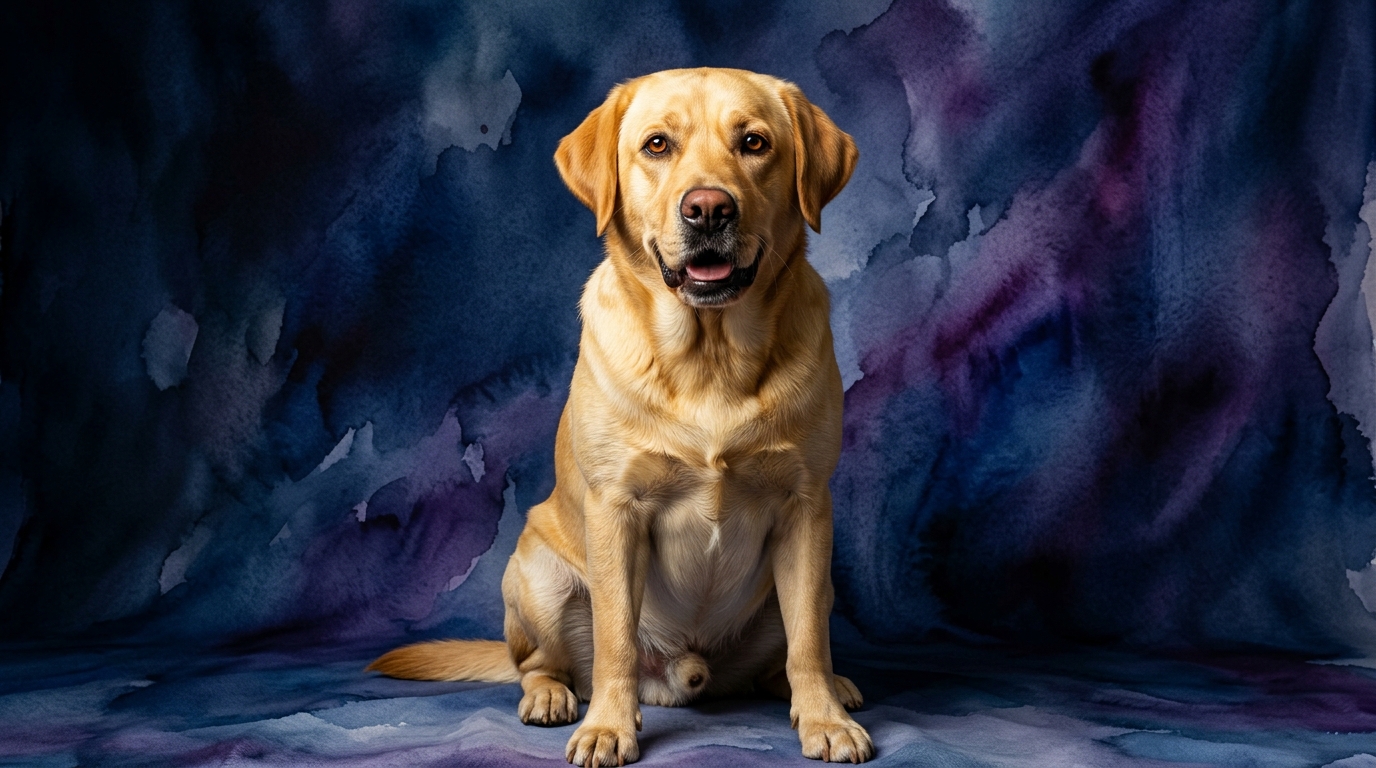
The Cosmic Pet Pet IQ Lab evaluates canine intelligence across five crucial dimensions. The Labrador Retriever, a Sporting breed with a Coren rank of #7, scores impressively: Problem Solving 4/5, Training Speed 5/5, Social Intelligence 5/5, Instinctive Drive 4/5, and Memory 4/5. These metrics reflect their historical role as adaptable retrievers, requiring sharp wits to navigate varied environments, a keen ability to follow complex commands, and strong social cooperation with human handlers. Their cognitive makeup emphasizes active engagement and responsiveness.
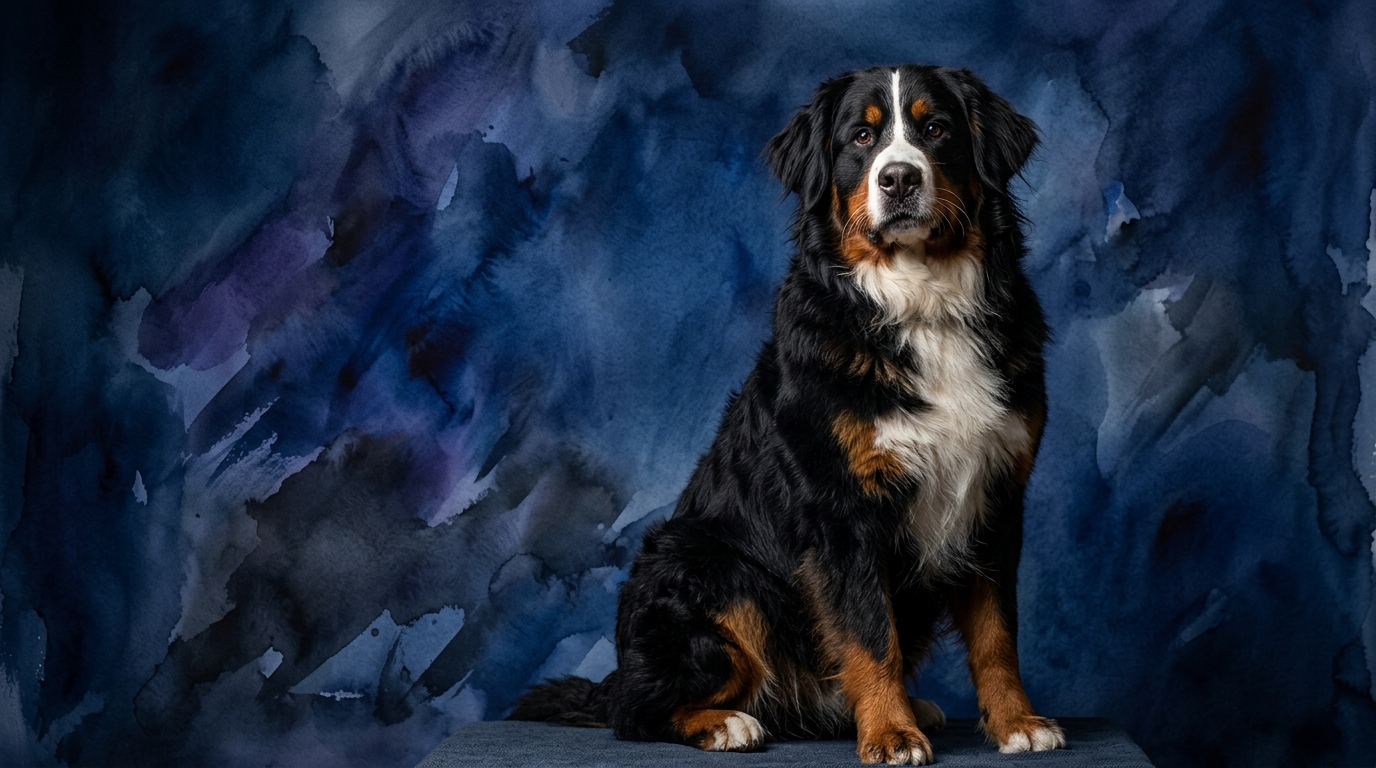
In contrast, the Bernese Mountain Dog, a Working breed ranked #27 by Coren, presents a different cognitive profile: Problem Solving 3/5, Training Speed 4/5, Social Intelligence 5/5, Instinctive Drive 4/5, and Memory 3/5. Berners were bred for strength, guarding, and companionship in the Swiss Alps, tasks that demand steadfastness and a deep connection to their human family rather than rapid-fire problem-solving. Their intelligence is characterized by a steady, reliable nature and a profound capacity for social bonding.
Where the Labrador Retriever Excels Cognitively
The Labrador Retriever’s cognitive strengths are particularly evident in their superior problem-solving and training speed. Their 4/5 in Problem Solving allows them to adeptly figure out novel challenges, such as manipulating latches or devising strategies to retrieve a hidden toy, showcasing an inherent resourcefulness. This aptitude translates into a dog that often anticipates next steps and can adapt quickly to changing situations. Furthermore, their perfect 5/5 in Training Speed means Labs grasp new commands and complex routines with remarkable alacrity, often requiring fewer repetitions than many other breeds. This rapid learning curve, combined with their 4/5 Memory, enables them to build an extensive repertoire of behaviors and maintain consistent performance in demanding roles like service work, search and rescue, or competitive dog sports.
Where the Bernese Mountain Dog Shows Unique Strengths
While the Bernese Mountain Dog's scores in problem-solving and memory are slightly lower than the Labrador's, their cognitive profile shines brightly in other crucial areas. Their 5/5 Social Intelligence is a defining characteristic, highlighting an exceptional capacity for emotional attunement and forming deep, empathetic bonds with their human companions. Berners often exhibit an intuitive understanding of human moods and intentions, offering comfort or companionship without direct prompts. This profound social understanding makes them superb therapy dogs and family members. Their 4/5 Instinctive Drive, while not always manifesting as high-energy bursts, is expressed as a steady, purposeful desire for companionship and engaging in meaningful tasks, such as pulling a cart or accompanying their owner on a hike. Their intelligence is deeply rooted in their steadfast nature and ability to be a reliable, reassuring presence.
Ease of Training: A Comparative Look
When it comes to training, the Labrador Retriever generally offers a quicker path to mastery, primarily due to its 5/5 training speed and 4/5 problem-solving capabilities. Labs typically pick up new commands with minimal repetitions, demonstrating an eager willingness to engage in structured learning. Their strong desire to please and high motivation, whether for food or toys, makes them highly receptive to positive reinforcement, allowing for rapid progression through obedience and advanced tasks. In contrast, the Bernese Mountain Dog, with a 4/5 training speed and 3/5 problem-solving score, learns effectively but typically requires more patience and consistency. Berners process information at a slightly different pace and might need more thoughtful motivation, benefiting from a calm, positive approach that emphasizes building a strong relationship. While both breeds are capable of learning a wide array of commands, the Lab's cognitive profile often translates to a faster, more fluid training experience, especially for complex or dynamic activities.
Matching Breeds to Owner Lifestyles
The Labrador Retriever's cognitive profile makes them ideal for owners who lead active lifestyles and enjoy providing consistent mental and physical challenges. Their higher problem-solving aptitude, rapid training speed, and robust instinctive drive (4/5) mean they thrive in environments where they can engage in vigorous activities like retrieving, agility, dock diving, or participating in various dog sports and service work. Owners who can channel this considerable energy and mental capacity into constructive tasks will find a highly cooperative and fulfilled companion. They require regular, varied outlets for their intelligence and physical stamina to remain balanced and content.
Conversely, the Bernese Mountain Dog, while still requiring daily exercise and mental engagement, is well-suited for owners seeking a more relaxed pace and a deeply devoted companion. Their profound social intelligence (5/5) means they thrive on close companionship and being an integral part of family life, enjoying moderate walks, structured play, and consistent, gentle interaction. Their steady temperament and slightly less intense energy demands make them excellent companions for those who appreciate a calm, reassuring presence and value connection over constant high-octane activity. However, 'relaxed' does not mean 'sedentary'; they still need purposeful engagement to prevent boredom and maintain their well-being.
The Verdict
Choose the Labrador Retriever if you seek a highly trainable, versatile companion eager for diverse mental and physical challenges, from dog sports to service work. Their quick learning and robust problem-solving make them ideal for active owners ready to channel their considerable drive.
Opt for the Bernese Mountain Dog if you desire a devoted, socially intelligent companion that thrives on close family bonds and a steady, predictable routine, enjoying moderate activity and a calm presence. Their empathetic nature and gentle temperament make them superb family dogs for those valuing connection over constant high-octane engagement.
🧠 Find Your Pet's IQ Score
Our Pet IQ Lab assessment covers 25+ tests across 5 cognitive dimensions — personalized to your breed.
Take the Full IQ Test →Frequently Asked Questions
Do Labrador Retrievers and Bernese Mountain Dogs get along with children?
Both breeds generally exhibit excellent social intelligence (5/5) and are known for their patient and gentle dispositions with children. However, early socialization and consistent supervision are crucial to ensure positive interactions, especially given the Bernese Mountain Dog's size and the Labrador's often exuberant enthusiasm.
Which breed requires more mental stimulation?
The Labrador Retriever, with its higher problem-solving (4/5) and training speed (5/5), typically requires more varied and consistent mental stimulation to prevent boredom and channel their energy constructively. The Bernese Mountain Dog also needs mental engagement, but their needs are often met through companionship, moderate training, and exploring their environment rather than constant complex challenges.
Are there significant health differences impacting their cognitive longevity?
Both breeds can experience age-related cognitive decline. However, breed-specific health concerns, such as hip and elbow dysplasia in both, or certain cancers in Bernese Mountain Dogs, can indirectly impact activity levels and overall well-being, which in turn influences cognitive expression and engagement. Regular veterinary care and a stimulating environment support cognitive health in both.