
Side-by-Side IQ Profile
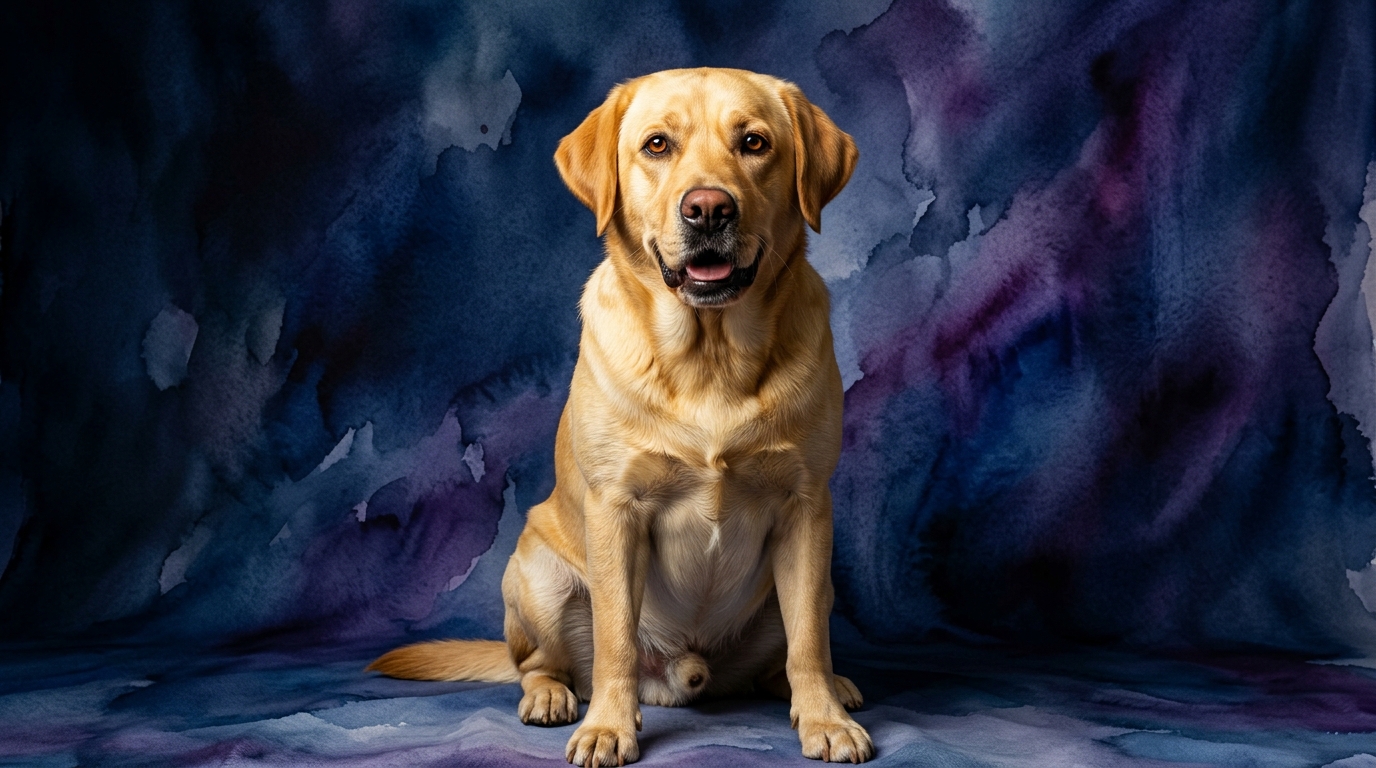
The Cosmic Pet Pet IQ Lab employs a multi-dimensional approach to evaluating canine intelligence, moving beyond simple obedience scores to reveal a breed's full cognitive blueprint. For the Labrador Retriever, ranked #7 by Coren's intelligence scale, their profile showcases a highly cooperative and adaptable mind. They score 4/5 in Problem Solving, indicating a strong capacity to navigate new situations and learn from experience, often through observation and trial-and-error. Their Training Speed is an exceptional 5/5, reflecting their eagerness and aptitude for quickly grasping and executing commands, a trait that makes them highly valued in many working roles. A Social Intelligence of 5/5 means they are deeply attuned to human emotions and cues, making them outstanding partners in various cooperative tasks and family interactions. Their Instinctive Drive, rated 4/5, points to a robust but manageable urge for activities like retrieving and swimming, which can be channeled productively. Finally, a Memory of 4/5 ensures they retain complex skills and information over extended periods, crucial for consistent performance.
In contrast, the Border Terrier, holding Coren's #30 rank, presents a different cognitive landscape, characterized by independence and tenacity. Their Problem Solving also stands at 4/5, but this often manifests as persistent, self-directed efforts to achieve a goal, particularly in their original role of hunting vermin, where they needed to think on their feet. Training Speed is a commendable 4/5, demonstrating their ability to learn efficiently, though they might require more varied motivation and engagement to maintain focus. Their Social Intelligence is 3/5, suggesting they are less overtly driven by human approval and more by their own internal motivations or environmental stimuli, making them capable companions but sometimes less immediately compliant. An Instinctive Drive of 3/5 highlights their inherent terrier grit for independent hunting and exploration, less about cooperative tasks and more about self-directed pursuit. A Memory of 4/5 ensures they retain skills and experiences effectively, crucial for recalling locations and learned hunting strategies.
Where Labrador Retriever Wins Cognitively
The Labrador Retriever's cognitive strengths truly shine in areas demanding swift learning and unwavering partnership. Their 5/5 Training Speed is a standout, enabling them to absorb new commands and complex sequences with remarkable efficiency. This translates into rapid mastery of obedience commands, intricate agility courses, or the precise tasks required of assistance dogs, where quick understanding is paramount. This speed isn't merely rote learning; it's deeply intertwined with their 5/5 Social Intelligence. Labradors possess an acute awareness of human intent and emotional states, allowing them to anticipate requests and respond with enthusiasm. They are adept at reading body language and vocal cues, which facilitates a highly responsive interaction.
Their cognitive advantage lies in this seamless integration of quick learning and social attunement. This makes them exceptional at tasks requiring close collaboration, where understanding subtle human cues is as crucial as executing a physical action. Whether it's retrieving a specific item, navigating a crowded space while tethered, or performing complex scent detection, the Labrador's mental framework prioritizes working alongside their human counterpart, making them highly responsive and adaptable team players in a wide array of activities that benefit from a strong human-dog bond.
Where Border Terrier Wins Cognitively
While the Labrador excels in cooperative learning, the Border Terrier demonstrates a distinct cognitive edge in independent, persistent problem-solving. Their 4/5 Problem Solving score, though numerically identical to the Labrador's, manifests differently. Border Terriers are masters of figuring things out on their own terms, often employing tenacity and cleverness to overcome obstacles, especially when motivated by a specific goal like exploring a scent trail, digging for a perceived quarry, or reaching a hidden toy. This isn't about waiting for human direction; it's about self-initiated investigation and persistent effort that can last for extended periods.
Their somewhat lower Social Intelligence (3/5) and Instinctive Drive (3/5) compared to the Labrador paradoxically contribute to this strength. Less reliant on human cues for motivation, they are more inclined to follow their own instincts and mental pathways to solve a puzzle. This makes them formidable in tasks requiring self-reliance, such as navigating complex terrains during a hike, excelling in earthdog trials where independent decision-making is key, or independently troubleshooting a toy puzzle. Their cognitive prowess is rooted in their grit and ability to apply sustained mental effort to challenges without constant external validation, often exhibiting remarkable resourcefulness.
Which is Easier to Train and Why
When comparing ease of training, the Labrador Retriever generally presents a more straightforward experience for most owners. Their exceptional 5/5 Training Speed means they pick up new commands and routines with impressive quickness, often requiring fewer repetitions than many other breeds. This rapid assimilation is bolstered by their 5/5 Social Intelligence, which fuels a strong desire to please their human companions. Labradors are highly motivated by positive reinforcement and thrive on the interactive bond formed during training sessions, readily offering behaviors that earn praise and rewards. Their cooperative nature means they often seek to understand what is being asked of them and comply willingly, making them highly receptive students.
The Border Terrier, with a 4/5 Training Speed and 3/5 Social Intelligence, can certainly be trained effectively, but often requires a different approach rooted in understanding their terrier mindset. Their independent streak and strong instinctive drives mean they might prioritize an interesting scent or a perceived "job" over immediate compliance with a human command. Training a Border Terrier demands more patience, creativity, and consistency, focusing on making training a game that appeals to their tenacious nature and rewarding their efforts. While they learn, they might challenge boundaries or require more repetition to solidify behaviors, as their motivation is less about pleasing and more about intrinsic reward from the task itself or understanding the practical utility of a command. Owners must be prepared for a dog who thinks for themselves.
Which Suits Active Owners vs. Relaxed Owners
Both the Labrador Retriever and the Border Terrier are breeds that thrive with active engagement, making neither truly suitable for genuinely relaxed or sedentary owners. However, the type of activity they prefer, heavily influenced by their cognitive profiles, differs significantly. The Labrador Retriever, with its high social intelligence and training speed, is an ideal match for active owners who enjoy structured activities and a strong partnership. They excel in cooperative sports like agility, competitive obedience, dock diving, and field trials, where working in unison with a human partner is paramount. Their eager-to-please nature means they relish learning new skills and participating in family adventures that involve shared tasks and constant interaction. They are often happiest when given a "job" to do alongside their person.
The Border Terrier also demands an active lifestyle, but one that often aligns more with their independent problem-solving and instinctive drives. They are excellent companions for long hikes, exploring varied terrains, and engaging in activities that allow them to use their nose and inherent tenacity, such as earthdog trials or scent work where they can follow their instincts. Owners who appreciate a dog with a strong will and a penchant for independent exploration, rather than strict adherence to commands, will find a rewarding partnership. While they enjoy play and interaction, their ideal activity often involves a degree of self-directed adventure and problem-solving, making them perfect for owners who appreciate a spirited companion with a mind of its own and a drive for exploration.
The Verdict
For owners seeking a highly cooperative, eager-to-please companion excelling in structured training, family life, and activities requiring strong human-dog partnership, the Labrador Retriever is an exceptional choice.
For those who appreciate a spirited, independent, and tenacious dog capable of self-directed problem-solving, thriving in active homes that value grit and curiosity over strict obedience, the Border Terrier offers a unique bond.
🧠 Find Your Pet's IQ Score
Our Pet IQ Lab assessment covers 25+ tests across 5 cognitive dimensions — personalized to your breed.
Take the Full IQ Test →Frequently Asked Questions
Do Labrador Retrievers and Border Terriers have similar problem-solving abilities?
While both breeds score 4/5 in Problem Solving, their approaches differ. Labradors often excel in cooperative problem-solving, seeking human input. Border Terriers, conversely, lean towards independent and tenacious problem-solving, relying on their own instincts and persistence.
Which breed is better for first-time dog owners interested in training?
The Labrador Retriever, with its 5/5 Training Speed and 5/5 Social Intelligence, is generally easier for first-time owners to train due to their eagerness to please and high responsiveness. Border Terriers require more experience and patience due to their independent nature.
How does Coren's rank relate to the IQ Lab scores for these breeds?
Coren's rank (Lab #7, BT #30) broadly reflects general trainability and obedience, aligning with the IQ Lab's Training Speed and Social Intelligence scores. However, the IQ Lab provides a more nuanced view of cognitive strengths like problem-solving and instinctive drives, which might not be fully captured by a single obedience-focused rank.