
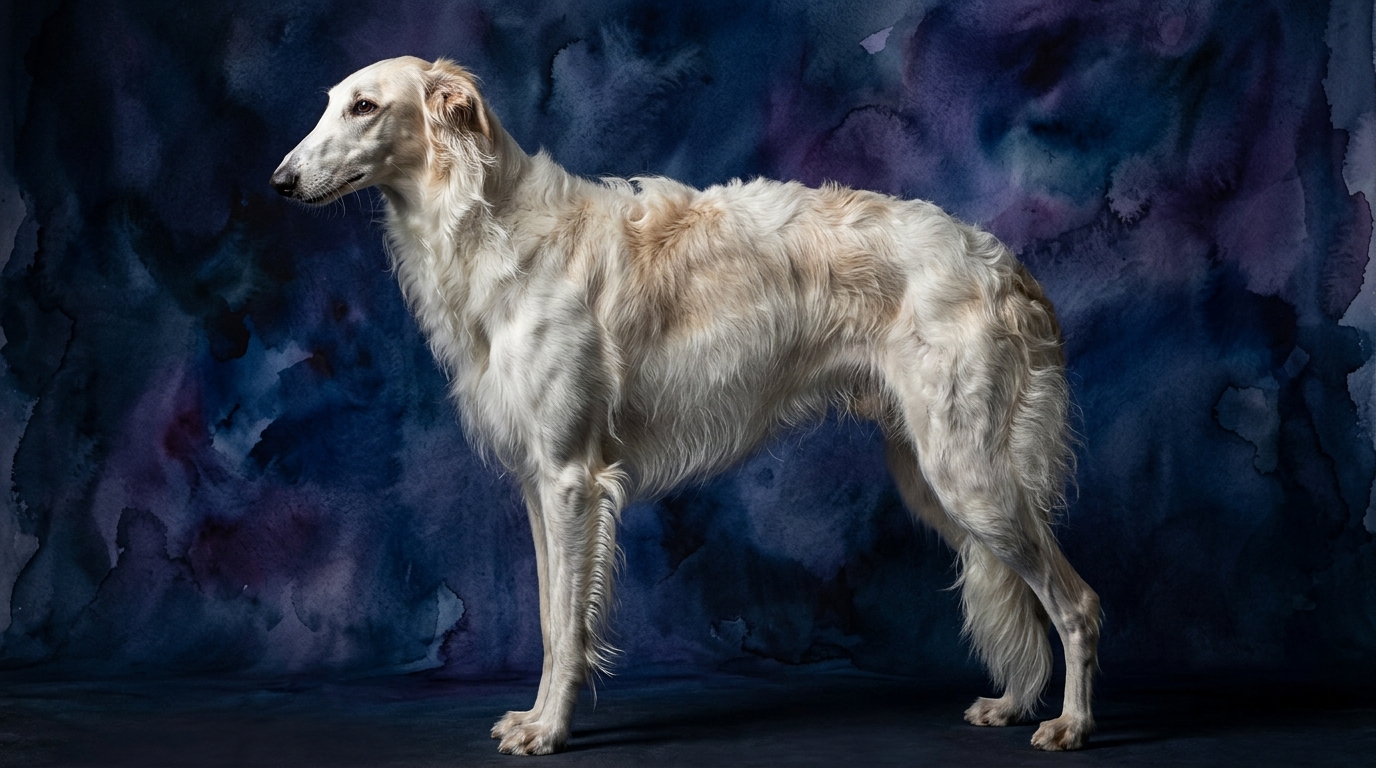
Side-by-Side IQ Profile
**Labrador Retriever (Sporting Group, Coren Rank #7):**
**Problem Solving (4/5):** Labradors excel at understanding and executing multi-step tasks, demonstrating cognitive flexibility to adapt strategies for goals, often with human guidance. They figure out how to retrieve items from complex settings or learn task sequences, particularly when motivated by purpose.
**Training Speed (5/5):** New commands and behaviors are absorbed with remarkable speed. Their eagerness to engage, combined with a strong working drive, makes them highly receptive to instruction, forming associations quickly with fewer repetitions.
**Social Intelligence (5/5):** A hallmark of the breed, Labradors possess exceptional ability to read human cues and intentions, thriving on interaction and collaboration. They anticipate needs and respond empathetically, making them excellent companions and service animals adept at integrating into family dynamics.
**Instinctive Drive (4/5):** Their retrieving drive is paramount, manifesting as a strong desire to carry, fetch, and "mouth" objects. This deeply ingrained instinct guides their focus and motivation, making them persistent in retrieving tasks, alongside a significant drive for partnership.
**Memory (4/5):** Labradors demonstrate robust memory for learned commands, routines, and specific locations. Established behaviors tend to stick, even after inactivity, and they recall people and experiences, contributing to consistent social responses.
**Borzoi (Hound Group, Coren Rank #75):**
**Problem Solving (3/5):** Borzoi approach problems with a distinct cognitive framework, often revolving around their sighthound instincts – identifying, pursuing, and catching prey. Their solutions are often independent and less focused on human-defined tasks, finding novel ways to achieve their own objectives rather than owner-desired outcomes.
**Training Speed (3/5):** Training speed is moderate, not due to capacity, but their independent nature. They learn at their own pace, requiring patience and creative motivation. Repetition helps, but willingness to perform is contingent on perceived value or mood.
**Social Intelligence (3/5):** Generally affectionate with family, Borzoi exhibit a more reserved, independent social style. They understand human emotions but their responses are less effusive and more self-contained, preferring a less demanding partnership over an eagerness to please.
**Instinctive Drive (3/5):** Their primary instinctive drive is chasing. The sight of a moving object triggers immediate, intense pursuit, a powerful sighthound prey drive that overrides many learned behaviors. Off-leash control in unfenced areas is a significant challenge; other drives like retrieving are typically low.
**Memory (3/5):** Borzoi remember routines, people, and experiences, but perhaps with less emphasis on precise execution of complex human commands over extended periods. They recall what works for their own satisfaction, often exhibiting selective memory for less interesting tasks.
Where Labrador Retriever Wins Cognitively
The Labrador Retriever clearly excels in areas requiring direct human collaboration and task-oriented learning. Their superior social intelligence means they constantly assess and respond to human cues, making them exceptional partners in activities from obedience to assistance work. Their problem-solving prowess is geared towards practical application within a human context, whether navigating an agility course or retrieving a specific item. This cognitive architecture, coupled with their rapid training speed, allows them to master complex sequences and adapt to diverse roles, demonstrating a deep understanding of cause-and-effect within structured environments.
Where Borzoi Wins Cognitively
While the Labrador shines in collaborative tasks, the Borzoi's cognitive strengths lie in independent thought and specialized sighthound instincts. Their problem-solving, though rated lower in a human-centric framework, is exceptionally refined for their original purpose: identifying and pursuing fast-moving prey over vast distances. This requires a unique blend of visual acuity, spatial reasoning, and decision-making under high-speed conditions, often without direct human instruction. Their independence, sometimes perceived as stubbornness, is a cognitive advantage in scenarios where quick, autonomous action is paramount.
Which is Easier to Train and Why
The Labrador Retriever is significantly easier to train due to a confluence of behavioral traits and cognitive predispositions. Their high training speed and social intelligence mean they are inherently motivated to engage with and please their human partners. They thrive on positive reinforcement and readily form strong associations between commands, actions, and rewards. This eagerness to comply and their robust memory for learned behaviors make the training process a relatively smooth and rewarding experience for both dog and owner. In contrast, the Borzoi's independent nature and strong, self-directed instinctive drive mean that training often requires more patience, creativity, and a deep understanding of sighthound psychology. While capable of learning, their motivation is less about pleasing and more about what benefits them or aligns with their inherent drives. They might understand a command but choose not to execute it if a more compelling stimulus presents itself, making consistent, reliable recall a lifelong endeavor.
Which Suits Active Owners vs Relaxed Owners
The Labrador Retriever is an excellent match for active owners who enjoy structured activities, training, and outdoor adventures. Their high instinctive drive for work and boundless energy mean they thrive with regular exercise, mental stimulation, and a clear purpose. Owners engaging them in fetching, swimming, hiking, or dog sports will find a willing and enthusiastic partner. Their social intelligence also makes them highly adaptable to various family dynamics and social outings. Conversely, the Borzoi, while requiring bursts of intense exercise to satisfy sighthound instincts, is often more suited to owners who appreciate a quieter, more relaxed domestic presence. They need space to run safely and consistently, but inside, they are typically calm, dignified, and content to lounge. Relaxed owners respecting the Borzoi's independent spirit and lower demand for constant human interaction will find a deeply affectionate, albeit reserved, companion.
The Verdict
Choose a Labrador Retriever if you seek a highly collaborative, task-oriented companion eager to engage in training, sports, and family activities, thriving on purpose and partnership.
Opt for a Borzoi if you appreciate a dignified, independent companion that requires bursts of intense exercise but is otherwise calm indoors, valuing personal space and a less demanding relationship.
🧠 Find Your Pet's IQ Score
Our Pet IQ Lab assessment covers 25+ tests across 5 cognitive dimensions — personalized to your breed.
Take the Full IQ Test →Frequently Asked Questions
Do Borzoi understand commands as well as Labradors?
Borzoi can understand commands, but their motivation to perform them differs. Labradors are generally eager to comply due to their social intelligence, while Borzoi often weigh the command against their own interests or independent drives, requiring more persuasive training methods.
How does sighthound problem-solving differ from a Labrador's?
A Labrador's problem-solving is often collaborative and focused on human-defined tasks, like retrieving specific objects. A Borzoi's problem-solving is primarily independent, centered on visual identification, pursuit, and strategic capture of moving objects, relying on instinct and speed.
Can a Borzoi be trained for complex tasks like a Labrador?
While Borzoi possess cognitive capacity, their independent nature and lower drive to please make them less inclined towards complex, repetitive task training compared to Labradors. They can learn, but their execution might be less consistent and require greater motivation tailored to their specific instincts.