Side-by-Side Cognitive Profiles: Decoding Canine Minds
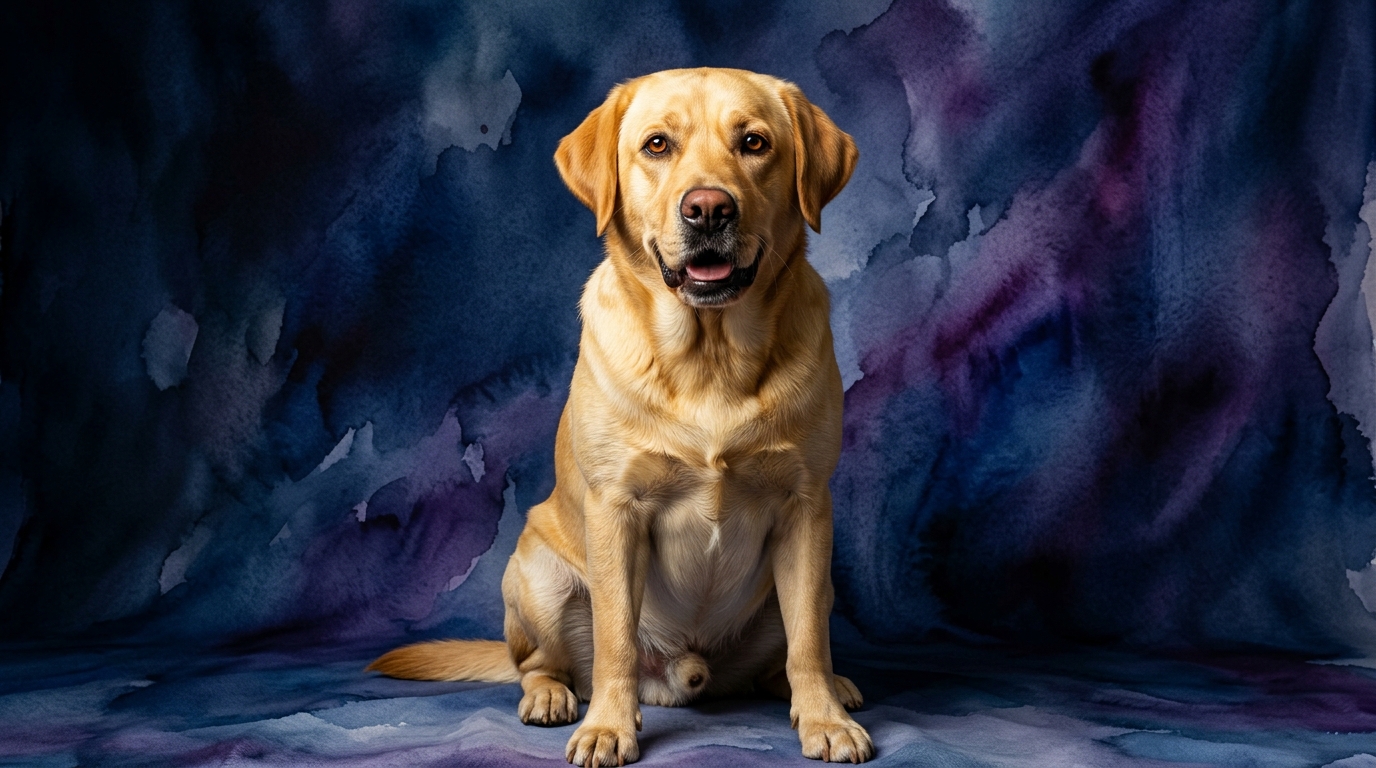
The Labrador Retriever, a Sporting group member with a Coren rank of #7, demonstrates a highly cooperative and adaptable cognitive style. Their problem-solving ability scores 4/5, reflecting their methodical approach to tasks and their capacity to learn from experience, particularly when a human partner is involved. Training speed is an exceptional 5/5, indicating rapid comprehension and retention of commands, driven by a strong desire to please and engage. Social intelligence also stands at 5/5, showcasing their profound understanding of human cues, emotional states, and their role within a family unit. An instinctive drive of 4/5 highlights their natural inclination for retrieving, water work, and scent tracking, tasks they pursue with focused enthusiasm. Finally, their memory, rated 4/5, allows them to recall complex sequences and past interactions with impressive accuracy.
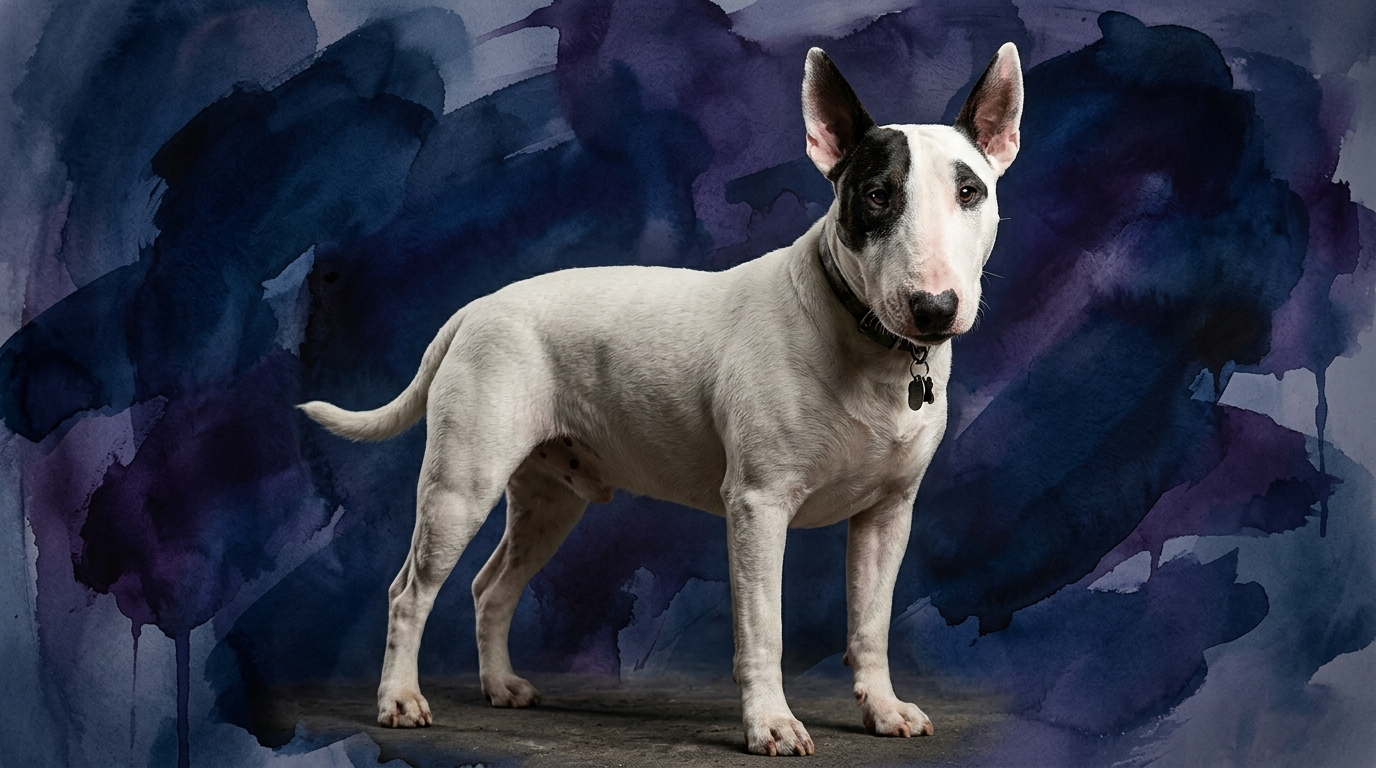
In contrast, the Bull Terrier, a Terrier group member ranked #66 by Coren, presents a more independent and spirited cognitive profile. Their problem-solving ability scores 3/5, suggesting they often approach challenges with a determined, sometimes unconventional, method, favoring persistence over intricate planning. Training speed is 3/5, meaning they require more patience and consistency, as their independent streak can lead to selective hearing if the motivation isn't compelling. Social intelligence, also 3/5, indicates they are capable of forming strong bonds but may be less attuned to subtle human emotional shifts than some breeds, often preferring direct interaction. Their instinctive drive, at 3/5, manifests as a strong prey drive and a penchant for digging or chasing, rather than a cooperative working drive. Memory, rated 3/5, is sufficient for everyday routines but may not rival the Labrador's capacity for complex command recall.
Where the Labrador Retriever Excels Cognitively
The Labrador Retriever's cognitive strengths are deeply rooted in their history as a collaborative working dog. Their superior training speed and social intelligence combine to create a dog exceptionally responsive to human instruction and deeply integrated into family dynamics. A Labrador quickly grasps new commands, often anticipating their handler's next move due to their keen observation skills and strong desire for positive reinforcement. This aptitude makes them particularly adept at complex tasks, service work, and competitive obedience, where sustained focus and precise execution are paramount. Their 4/5 memory score ensures that once a lesson is learned, it is rarely forgotten, contributing to their reliability.
Beyond formal training, their problem-solving ability, rated 4/5, often manifests in practical situations, such as figuring out how to retrieve an out-of-reach toy or navigating obstacles efficiently during a fetch game. This isn't just about raw brainpower; it's about a cognitive style that prioritizes efficiency and cooperation, making them intuitive partners in various activities. Their strong instinctive drive for retrieving is not merely physical; it involves cognitive mapping and strategic planning to locate and bring back objects, demonstrating a practical application of their intelligence that benefits from their robust memory and problem-solving skills.
Unpacking the Bull Terrier's Unique Cognitive Strengths
While the Bull Terrier's cognitive scores might appear lower in comparison, their strengths lie in a different domain of intelligence, reflecting their terrier heritage. Their 3/5 problem-solving ability, though not as systematic as the Labrador's, often translates into a tenacious and resourceful approach. A Bull Terrier might not follow the most obvious path, but their sheer determination allows them to persist until a solution, however unconventional, is found. This independent problem-solving often involves creative, self-directed exploration, making them adept at figuring things out on their own terms, such as manipulating objects to get what they want or finding novel ways to entertain themselves.
Their 3/5 instinctive drive, while not geared towards human cooperation in the same way as a retriever's, provides a deep well of resilience and focus when engaged in activities that align with their natural inclinations. This means that when a Bull Terrier is motivated by something they genuinely enjoy – be it a game of chase, digging, or puzzle toys that challenge their persistence – they exhibit remarkable concentration and stamina. Their independence, sometimes perceived as stubbornness, can also be a cognitive asset, fostering a strong sense of self and an unwavering confidence that allows them to thrive in varied environments once they have established trust and understanding with their human companions.
Trainability: A Tale of Two Cognitive Styles
The stark difference in training speed and social intelligence profoundly impacts the training experience for these two breeds. The Labrador Retriever, with a 5/5 training speed and 5/5 social intelligence, is generally considered highly trainable. They are eager to please, respond quickly to positive reinforcement, and actively seek to understand and comply with human commands. Their strong memory (4/5) means that once a behavior is learned, it's firmly embedded, allowing for rapid progression through complex obedience routines. Labs thrive on structure and consistency, viewing training as a collaborative activity that strengthens their bond with their owner.
Conversely, the Bull Terrier, with 3/5 scores in both training speed and social intelligence, requires a different approach. Their independent nature means they are less inherently driven to please and more likely to evaluate if a command is worth their effort. Training a Bull Terrier demands immense patience, creativity, and consistency. Sessions need to be engaging, short, and positive, often feeling more like a game than a lesson. Real behavioral differences include their tendency to 'think for themselves' rather than immediately comply, and their focus might be easily diverted by environmental stimuli. Owners must establish clear boundaries and leverage high-value rewards to sustain their attention and motivation, understanding that patience and a strong, trusting relationship are key to unlocking their potential.
Matching Temperaments: Active vs. Relaxed Lifestyles
When considering lifestyle compatibility, the Labrador Retriever generally aligns well with active owners who can provide ample mental and physical stimulation. Their 4/5 instinctive drive and high energy levels mean they excel in activities like long hikes, swimming, fetch, and dog sports such as agility or dock diving. Their social intelligence makes them adaptable companions for family outings, social events, and even therapy work. They thrive in environments where they are an integral part of daily activities and receive consistent engagement, channeling their cognitive and physical energy productively.
The Bull Terrier, while often possessing bursts of energy, can also be content with periods of relaxation, making them suitable for owners who appreciate a dog with distinct personality and a moderate activity requirement. Their cognitive needs are less about relentless physical exertion and more about engaging their tenacious problem-solving and independent spirit. They benefit from structured play, puzzle toys, and consistent, clear guidance. Owners who understand and appreciate their unique blend of determination and occasional stubbornness, and who can provide consistent training and socialization to manage their instinctive drives, will find a devoted, if sometimes opinionated, companion. They suit owners who are patient, firm, and find joy in their dog's idiosyncratic charm.
The Verdict
Choose the Labrador Retriever if you seek a highly cooperative, eager-to-please companion who excels in diverse training scenarios and thrives on being an active, integrated family member. Their cognitive profile makes them ideal for service roles, competitive dog sports, or as a reliable, responsive family pet that readily adapts to routines and learns quickly.
Opt for the Bull Terrier if you are an experienced, patient owner who appreciates an independent, tenacious, and spirited companion with a unique approach to problem-solving. This breed thrives with consistent, engaging training and socialization that respects their distinct personality, offering a devoted bond to those who understand their individualistic charm.
🧠 Find Your Pet's IQ Score
Our Pet IQ Lab assessment covers 25+ tests across 5 cognitive dimensions — personalized to your breed.
Take the Full IQ Test →Frequently Asked Questions
Are Labrador Retrievers good for first-time dog owners?
Yes, their high social intelligence, eagerness to please, and rapid training speed make Labrador Retrievers an excellent choice for first-time dog owners. They are generally forgiving of novice mistakes and respond well to consistent, positive training methods, making the learning process enjoyable for both dog and human.
Do Bull Terriers require a lot of exercise?
Bull Terriers have moderate exercise needs, often enjoying bursts of activity followed by periods of rest. While they benefit from regular walks and play, their cognitive needs also involve engaging their problem-solving skills with puzzle toys or structured games, rather than solely relying on extensive physical exertion.
How do their instinctive drives influence their behavior in a home?
A Labrador's strong instinctive drive for retrieving means they often enjoy carrying items and playing fetch, making them engaging companions. A Bull Terrier's instinctive drive, including a strong prey drive, might lead to a greater interest in chasing small animals or digging, requiring careful management and training to redirect these natural behaviors in a home environment.