Side-by-Side IQ Profile: Labrador Retriever vs. Cesky Terrier
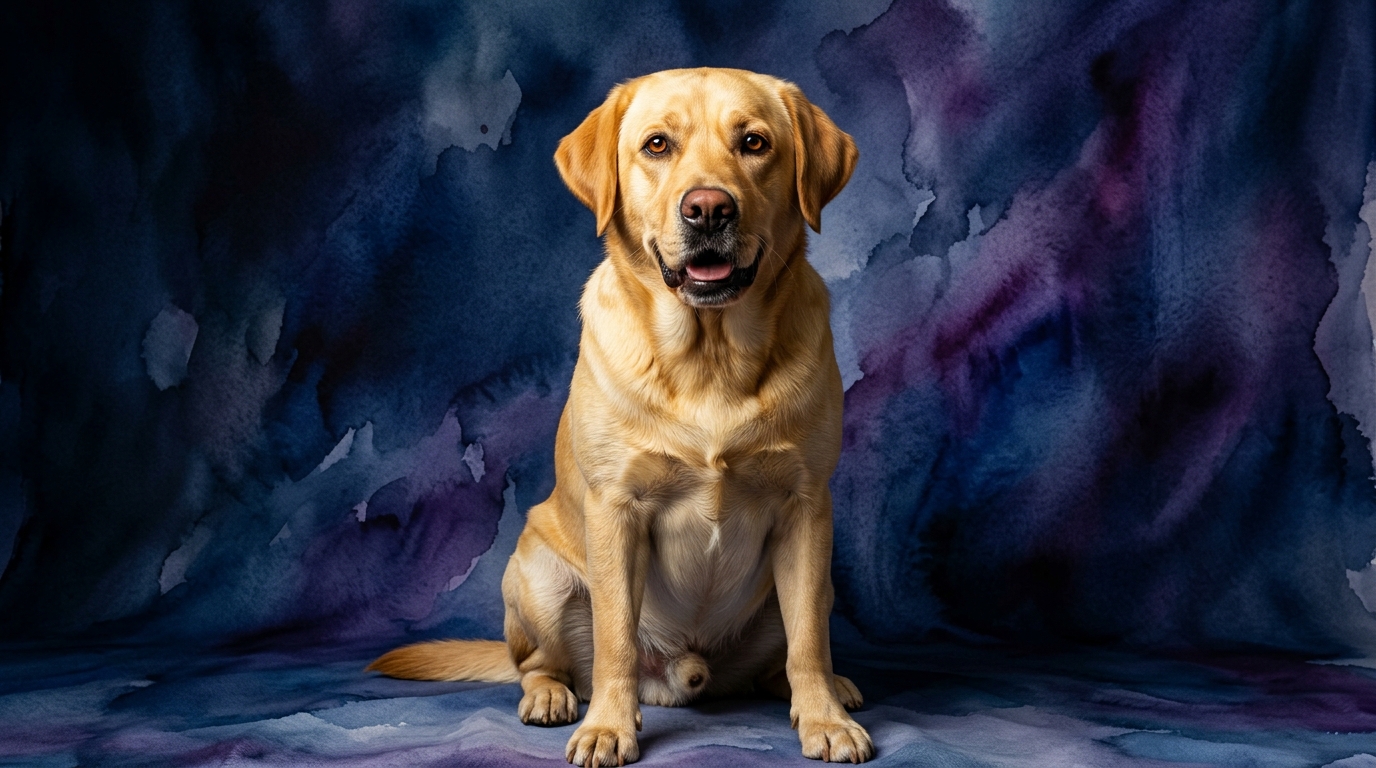
At The Cosmic Pet Pet IQ Lab, we evaluate cognitive abilities across five key dimensions. The Labrador Retriever, a Sporting breed ranked #7 by Coren for working and obedience intelligence, showcases a profile geared for cooperative engagement. Their Problem Solving is rated 4/5, indicating strong practical application of learned patterns, especially when a human-directed goal is involved. Training Speed is an exceptional 5/5, reflecting their rapid assimilation of new commands. Social Intelligence also scores 5/5, highlighting their intuitive grasp of human cues and desire for connection. Instinctive Drive, at 4/5, is powerful and channeled towards cooperative retrieving tasks. Finally, their Memory is a robust 4/5, ensuring consistent recall of complex behaviors and routines.
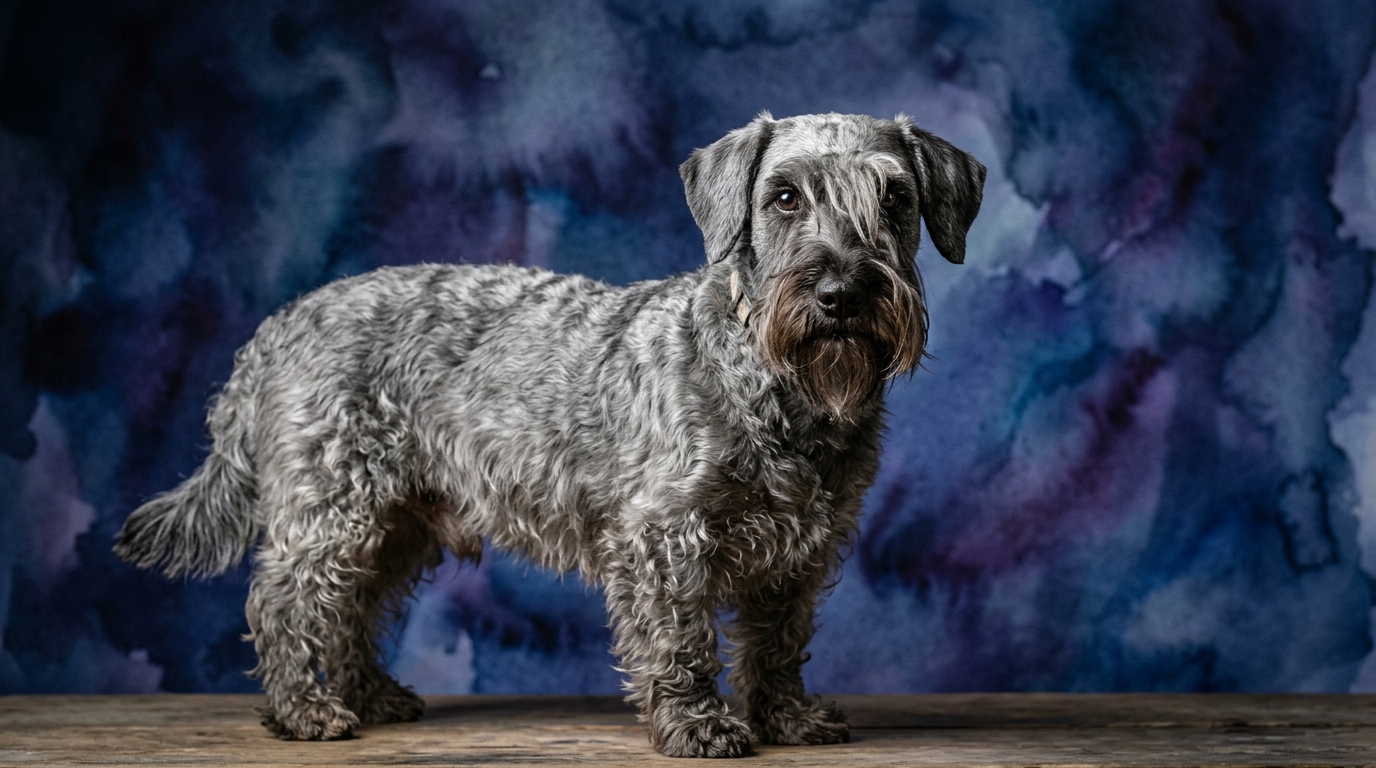
In contrast, the Cesky Terrier, a Terrier breed without a Coren ranking, presents a profile more aligned with independent, self-motivated action. Their Problem Solving capability is 3/5, demonstrating cleverness in navigating challenges related to their terrier heritage, often relying on their own initiative. Training Speed is 3/5, suggesting they require more patience and tailored motivation to learn new commands. Social Intelligence also stands at 3/5; they form deep bonds with their inner circle but can be more reserved with strangers. Their Instinctive Drive, 3/5, is focused on scent work, digging, and pursuit rather than cooperative tasks. Memory for the Cesky Terrier is 3/5, functional for their environment and routines but perhaps less for intricate human commands.
Where the Labrador Retriever Wins Cognitively
The Labrador Retriever's cognitive prowess is most evident in its capacity for rapid, cooperative learning and profound social understanding. Their superior training speed (5/5) means they assimilate new commands with remarkable efficiency, often requiring fewer repetitions than many other breeds. This quick uptake is coupled with an exceptional social intelligence (5/5), allowing them to intuitively grasp human intentions and cues. This combination makes them unparalleled partners for complex roles like guide work, search and rescue, or therapy, where understanding nuanced human communication and performing reliably under pressure are paramount. Their strong memory (4/5) further cements their advantage, enabling them to recall extensive learned behaviors and navigate intricate patterns, contributing to their reputation for steadfast performance in diverse working capacities.
Where the Cesky Terrier Wins Cognitively
While the Cesky Terrier's scores might appear modest next to the Labrador's, their cognitive strengths lie in a different domain: independent, tenacious problem-solving. Their problem-solving (3/5) is geared towards self-initiated tasks, reflecting their heritage as earth dogs designed to work autonomously. They excel at figuring out how to get to something they want, demonstrating persistence in overcoming physical obstacles or outsmarting a hidden toy. This breed's instinctive drive (3/5), though not geared for cooperative retrieving, is intensely focused on scent work and pursuit, allowing them to follow a trail with unwavering determination. This self-reliance means a Cesky can be quite ingenious when left to their own devices, finding creative solutions to challenges that engage their natural curiosity and drive for exploration, rather than waiting for human instruction.
Which is Easier to Train and Why
Without question, the Labrador Retriever is significantly easier to train, a direct result of their 5/5 training speed and 5/5 social intelligence. Labs possess an inherent eagerness to please and an exceptional ability to understand and respond to human directives. They thrive on positive reinforcement, quickly associating commands with desired actions and rewards. This manifests in rapid acquisition of basic obedience, advanced tricks, and even complex multi-step tasks. Their robust memory (4/5) ensures commands stick, and their strong desire for connection means they actively seek to cooperate, making training a joyful, often swift, experience. In contrast, the Cesky Terrier, with scores of 3/5 in both training speed and social intelligence, presents a more nuanced training challenge. Their independent, often self-willed nature means they may require more patience, consistency, and highly motivating rewards. Ceskys are thinkers; they might pause to evaluate a command's worth or prioritize an interesting scent over immediate compliance. Their terrier tenacity means they can be persistent in their own pursuits, which, while valuable in some contexts, can make traditional obedience training a longer, more deliberate process. Effective Cesky training often involves making the desired behavior highly rewarding and engaging their natural drive rather than relying solely on their desire to please.
Which Suits Active Owners vs. Relaxed Owners
Both breeds benefit from active engagement, but the nature of that activity differs significantly. The Labrador Retriever is an ideal companion for truly active owners who seek a partner for sustained physical and mental exertion. Their high energy levels and strong instinctive drive (4/5) demand regular, vigorous exercise like long runs, swimming, fetching, or participating in dog sports such as agility, obedience, or dock diving. They thrive on having a 'job' and being an integral part of an owner's active lifestyle. A 'relaxed owner' in the sense of someone who prefers minimal physical engagement might find a Lab's needs overwhelming, potentially leading to boredom-induced behaviors. The Cesky Terrier, while not a couch potato, suits an owner who appreciates focused bursts of activity and mental stimulation rather than constant, high-octane output. Their instinctive drive (3/5) leans towards exploring, sniffing, and engaging in terrier-specific games. They enjoy brisk walks, earthdog trials, or problem-solving puzzle toys that engage their independent intellect. Owners who enjoy nuanced training, puzzle games, and specific outdoor adventures – but perhaps not marathon running partners – would find a Cesky a rewarding companion. They need mental engagement and consistent boundaries, but their exercise needs can often be met with quality over sheer quantity, making them suitable for active owners who value self-directed play and focused training sessions.
The Verdict
Choose a Labrador Retriever if you seek a highly trainable, eager-to-please, and socially intuitive companion for a variety of cooperative activities, from family life to demanding working roles.
Opt for a Cesky Terrier if you appreciate an independent, tenacious, and charming dog that thrives on engaging, consistent training and self-directed problem-solving, fitting an owner who values a unique terrier spirit.
🧠 Find Your Pet's IQ Score
Our Pet IQ Lab assessment covers 25+ tests across 5 cognitive dimensions — personalized to your breed.
Take the Full IQ Test →Frequently Asked Questions
Is a Labrador Retriever better for a first-time dog owner?
Generally, yes. Their high training speed and social intelligence make them more forgiving and easier to guide through basic obedience and socialization, offering a more straightforward learning curve for novice owners.
Do Cesky Terriers need a lot of exercise?
Cesky Terriers need regular, moderate exercise and significant mental stimulation. While not requiring the endurance of a Labrador, they benefit greatly from daily walks, engaging play, and activities that challenge their independent problem-solving skills.
How do their social needs differ?
Labradors typically possess very high social intelligence and thrive on broad social interaction, being friendly with most people and other animals. Cesky Terriers are more reserved, forming deep bonds with their family but often being more discerning or aloof with strangers, valuing their personal space.