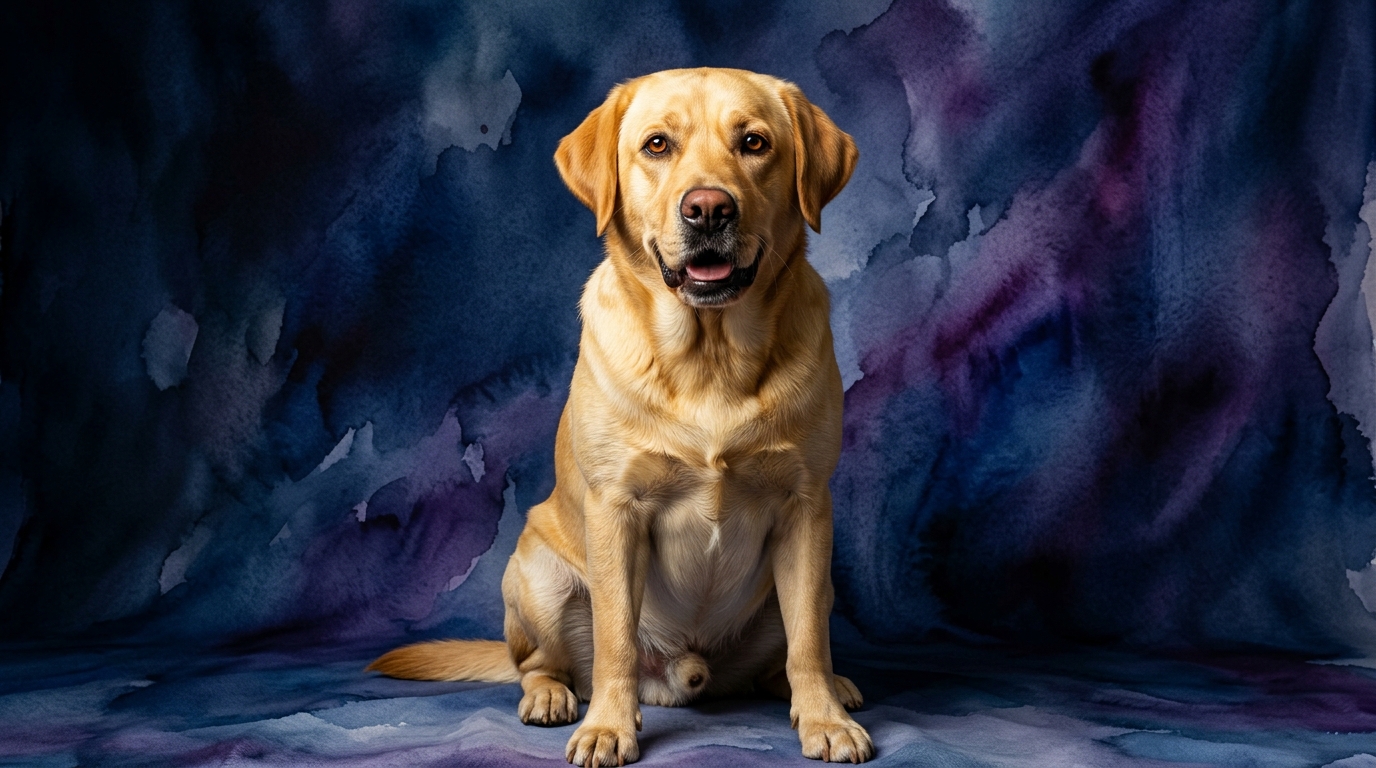
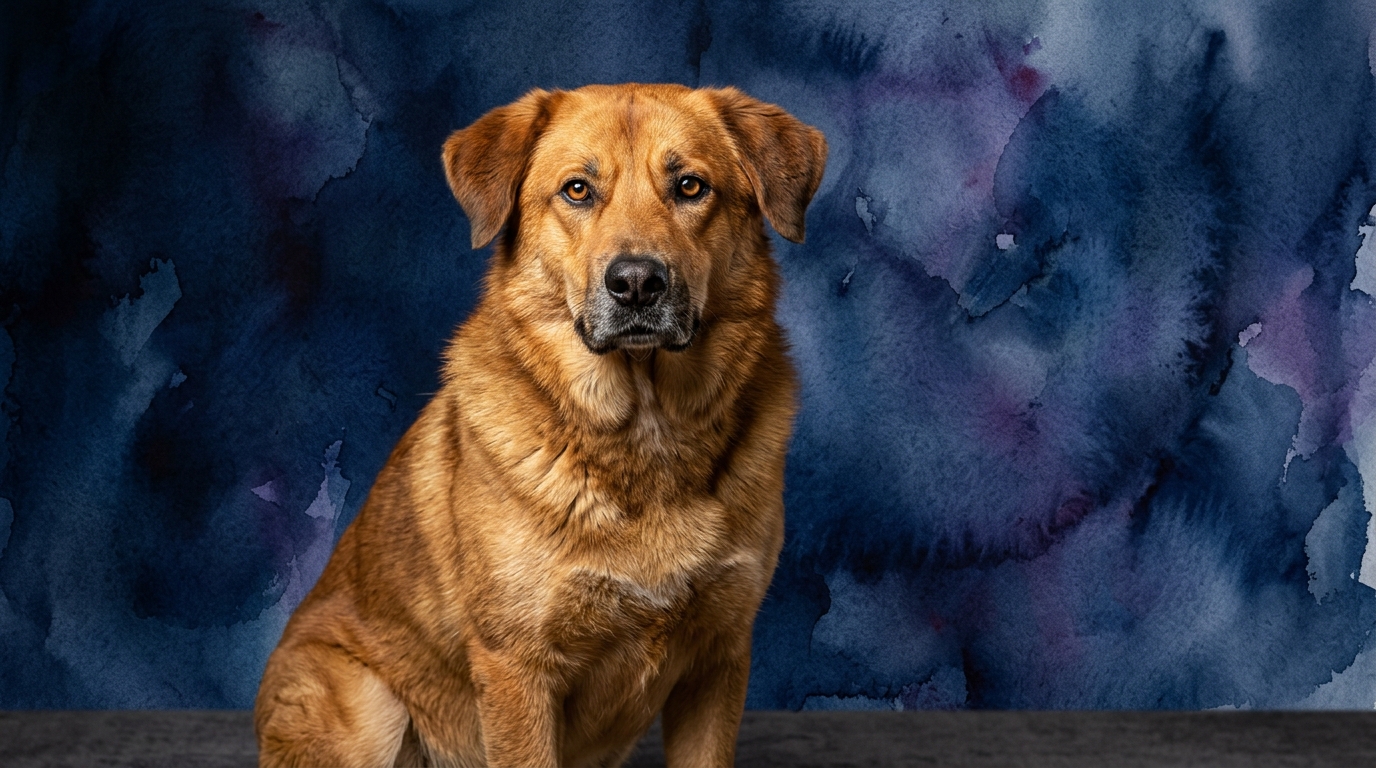
Side-by-Side IQ Profile
The Labrador Retriever, celebrated for its versatility, scores exceptionally across several cognitive dimensions. Their Problem Solving is rated 4/5, indicating a strong capacity to analyze and adapt, whether retrieving a complex mark or navigating an agility course. A stellar Training Speed of 5/5 reflects their eagerness to learn and rapid command acquisition, making them highly receptive. With a Social Intelligence of 5/5, Labradors excel at understanding human cues and integrating seamlessly into family dynamics, often anticipating desires. Their Instinctive Drive, at 4/5, fuels natural retrieving behaviors and their desire to work alongside humans. Finally, their Memory at 4/5 ensures effective retention of learned commands and experiences, building a robust behavioral repertoire.
The Chinook, a dedicated working breed, presents a different cognitive landscape. Their Problem Solving, rated 3/5, suggests capability in navigating challenges related to their working heritage, though perhaps with less spontaneous adaptability. A Training Speed of 3/5 means Chinooks require consistent, patient instruction, absorbing lessons steadily rather than rapidly. Their Social Intelligence at 3/5 indicates loyalty and affection within their inner circle but a more reserved or discerning approach with strangers. An Instinctive Drive of 3/5 aligns with their sled-pulling and companionship roles, driven by purpose rather than generalized high energy. Their Memory, also at 3/5, supports their ability to learn and retain routines and specific tasks, though perhaps needing more reinforcement.
Where Labrador Retriever Wins Cognitively
The Labrador Retriever's cognitive profile shines particularly bright where rapid adaptation and enthusiastic interaction are key. Their 5/5 Training Speed means they often grasp new commands in fewer repetitions, making advanced obedience or specialized assistance tasks quicker to achieve. This isn't just speed; it's an inherent drive to engage with human instruction, turning training into a collaborative game. Furthermore, their 5/5 Social Intelligence grants them exceptional ability to read human emotions and intentions, fostering deep empathetic bonds and enabling them to thrive in diverse social settings. A Labrador is more likely to spontaneously offer comfort or adjust behavior based on subtle shifts in human mood, a testament to their profound social acumen. Their 4/5 Problem Solving, paired with social drive, makes them adept at figuring out how to achieve desired outcomes involving human interaction, like signaling a need.
Where Chinook Wins Cognitively
While the Chinook's scores are generally lower, their cognitive strengths lie in focused reliability and reserved dedication. Their 3/5 Instinctive Drive translates into a more measured and sustained work ethic, particularly in tasks they are bred for, like pulling or hiking. This emphasizes enduring application of effort over explosive bursts. Their 3/5 Social Intelligence can be interpreted not as a deficit, but a preference for depth; Chinooks form incredibly strong, devoted bonds with their immediate family, showing quiet, deeply felt loyalty. They are less overtly exuberant with every new acquaintance, offering a more discerning and stable presence. Their 3/5 Memory, combined with steady Training Speed, means that once a Chinook learns a task or routine, they tend to perform it with consistent, unwavering precision, valuing predictability and structure. This suits owners who appreciate a dog operating reliably within established parameters.
Which Is Easier to Train and Why
The Labrador Retriever generally holds a significant advantage in ease of training due to their superior scores in Training Speed (5/5) and Social Intelligence (5/5). A Labrador's inherent desire to please and quick comprehension mean they often pick up basic commands in just a few sessions, progressing to advanced tasks efficiently. Their high social intelligence allows them to keenly observe and respond to human body language and vocal cues, making communication during training almost intuitive. For instance, a Labrador is more likely to offer a desired behavior after a single demonstration, eager for positive reinforcement.
In contrast, the Chinook, with a Training Speed of 3/5 and Social Intelligence of 3/5, requires a more patient, consistent, and reward-based approach. They are capable learners but often need more repetitions and a clearer, more structured environment to solidify commands. Chinooks tend to be more independent thinkers; while eager to work, they might not possess the same immediate enthusiasm. They might ponder a command before executing, or require more motivation for novel tasks. This means an owner training a Chinook might need to break down tasks into smaller steps, understanding progress will be steady rather than rapid. Their reserved social nature also means they might be less inclined to perform for strangers, preferring to learn and work within their trusted human relationship.
Which Suits Active Owners vs Relaxed Owners
The choice between a Labrador Retriever and a Chinook depends significantly on an owner's lifestyle and preferred level of daily engagement. The Labrador Retriever, with its 4/5 Instinctive Drive and 5/5 Social Intelligence, is an ideal companion for active owners who thrive on constant interaction and shared activities. They require substantial physical exercise, such as long runs or swimming, and significant mental stimulation through training and social outings. A Labrador's high energy and desire to be involved mean they flourish when an integral part of daily adventures, from hiking to dog sports.
The Chinook, with its 3/5 Instinctive Drive and 3/5 Social Intelligence, can be a wonderful fit for active owners who appreciate a more focused, purposeful partnership. While a working breed requiring regular exercise like long walks or jogs, their energy output is often more sustained and less frenetic. They enjoy having a job and thrive on routines and consistent outdoor activity. However, their lower social intelligence means they might not demand constant attention in the same way a Labrador does, often content to be near their owner. This suits owners who lead active lives but also appreciate periods of quiet companionship and a dog less overtly demanding of social engagement.
The Verdict
Choose a Labrador Retriever if you seek an effusive, highly trainable companion eager to engage in diverse activities, from competitive sports to family adventures, thriving on constant social interaction and rapid learning.
Opt for a Chinook if you desire a steadfast, loyal partner for purposeful outdoor activities, appreciating a dog with a more reserved social nature and a focused, reliable work ethic that develops through patient, consistent training.
🧠 Find Your Pet's IQ Score
Our Pet IQ Lab assessment covers 25+ tests across 5 cognitive dimensions — personalized to your breed.
Take the Full IQ Test →Frequently Asked Questions
Do Labrador Retrievers and Chinooks have similar exercise needs despite their different IQ profiles?
While both are active breeds, their exercise needs differ in quality. Labradors often require more intense, varied activity and mental engagement due to their higher drive and problem-solving scores, thriving on games that involve retrieving and social interaction. Chinooks need consistent, sustained exercise, often preferring purposeful activities like long hikes or pulling, which aligns with their working heritage and steady drive.
How does the "Instinctive Drive" score impact their behavior in a home environment?
A Labrador's 4/5 Instinctive Drive often translates to a strong desire to retrieve, chew, and explore, meaning they require ample appropriate outlets for these behaviors to prevent destructive habits. A Chinook's 3/5 score suggests a more moderate drive, often focused on specific tasks or routines, making them potentially less prone to generalized high-energy antics but still requiring an outlet for their working instincts.
Is a Chinook less affectionate than a Labrador Retriever because of its lower social intelligence score?
Not necessarily less affectionate, but their expression of affection differs. A Labrador's 5/5 Social Intelligence means they are typically overtly gregarious and eager for interaction with everyone. A Chinook's 3/5 Social Intelligence often means they are deeply devoted to their family but might be more reserved with strangers and express their affection more subtly, valuing quiet companionship and trust built over time.