Side-by-Side IQ Profile: Labrador Retriever vs. Cirneco dell'Etna
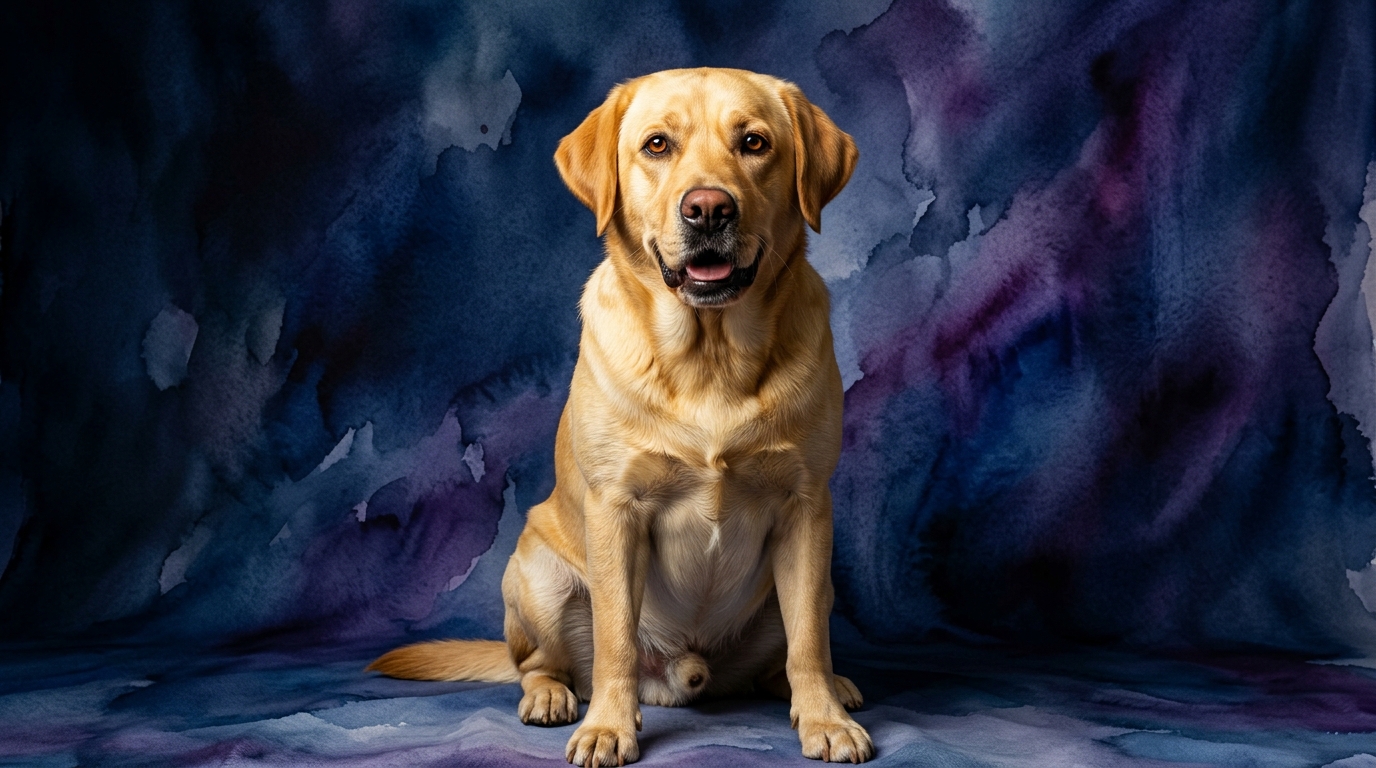
The Labrador Retriever demonstrates robust cognitive abilities across the board. Their Problem Solving is rated 4/5, indicating an aptitude for figuring out complex tasks, like discerning which toy was requested or navigating multi-stage scent trails. With a Training Speed of 5/5, they rapidly grasp and retain new commands, often displaying an eagerness to learn. Social Intelligence, also 5/5, means they excel at interpreting human communication, understanding social dynamics, and adapting their behavior accordingly. Their Instinctive Drive, 4/5, is strong for retrieving, water work, and companionship, giving them a purpose-driven focus. Finally, a Memory score of 4/5 ensures they retain learned tasks, recognize familiar faces, and recall past experiences with precision.
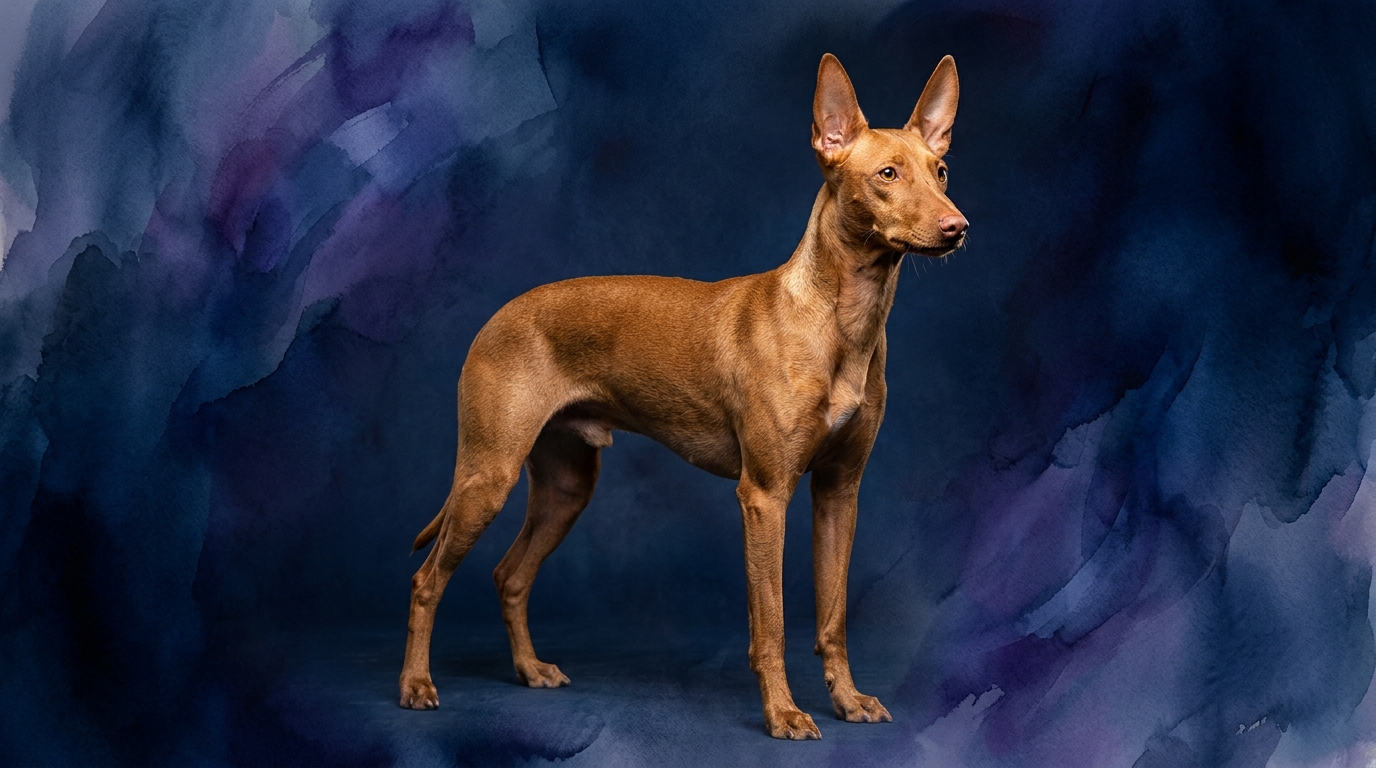
In contrast, the Cirneco dell'Etna presents a distinct, more independent cognitive profile. Their Problem Solving is rated 3/5; they can resolve immediate environmental challenges but might require more structured guidance for intricate, human-directed puzzles, often preferring self-reliant solutions. Training Speed also stands at 3/5, meaning they learn at a moderate pace, requiring consistent, patient methods and clear motivation to maintain engagement. Social Intelligence, 3/5, suggests they understand basic human cues but may exhibit a more reserved or selective approach to interactions, not always seeking deep social connection. Their Instinctive Drive, 3/5, is primarily geared towards scent and sight hunting, focusing on independent pursuit rather than collaborative tasks. With a Memory score of 3/5, they retain information adequately but might not recall complex sequences or abstract concepts with the same long-term consistency as a Labrador.
Where the Labrador Retriever Excels Cognitively
The Labrador Retriever's cognitive profile consistently outshines the Cirneco dell'Etna in areas demanding collaboration and adaptability. Their superior Social Intelligence (5/5) allows them to interpret subtle human intentions and emotional states with remarkable accuracy, making them exceptional partners in various roles. This translates into an ability to adjust their behavior based on nuanced feedback, a skill less pronounced in the more independent Cirneco. Furthermore, the Labrador's faster Training Speed (5/5) means they acquire new commands and complex behavioral sequences with impressive efficiency, readily forming associations between actions and desired outcomes. Their Problem Solving (4/5) enables them to tackle multi-step challenges, such as opening latches or distinguishing specific objects, often by creatively applying previously learned concepts, which can be more challenging for a Cirneco. Lastly, their robust Memory (4/5) ensures consistent recall of past lessons and experiences, solidifying their learning over time in a way that provides reliable performance.
Where the Cirneco dell'Etna Shines Cognitively
While not always scoring higher in traditional "trainability" metrics, the Cirneco dell'Etna possesses cognitive strengths uniquely suited to its ancient heritage. Their Instinctive Drive (3/5), though moderate, is acutely focused on sensory perception, giving them a distinct advantage in independent hunting scenarios. They excel at using their keen sight and scent to track and pursue small game without constant human direction, a self-reliance that contrasts with the Labrador's more collaborative drive. This independence also manifests in their Problem Solving (3/5) when it comes to navigating natural environments or identifying immediate, practical solutions to challenges in the field, relying on innate instincts rather than learned human cues. Their moderate Social Intelligence (3/5) means they are less dependent on constant human validation, allowing them to remain focused on their task or surroundings, a trait beneficial for solo exploration. This breed's cognitive strengths lie in their capacity for self-directed action and an acute awareness of their environment, making them highly effective in roles demanding autonomous decision-making and sensory-driven pursuit.
Training Ease: Labrador Retriever vs. Cirneco dell'Etna
Without question, the Labrador Retriever generally presents as the easier breed to train due to their exceptional cognitive makeup. Their top-tier Training Speed (5/5) means they rapidly grasp new commands, often understanding what's expected of them after just a few repetitions. This is amplified by their outstanding Social Intelligence (5/5), which translates into a strong desire to please their human companions and an acute ability to read and respond to human body language and vocal cues. Labradors thrive on positive reinforcement and collaborative tasks, making them highly receptive to structured lessons and eager to participate. Their strong Memory (4/5) further ensures that once a lesson is learned, it is retained, leading to consistent performance.
The Cirneco dell'Etna, conversely, presents a more nuanced training experience. Their moderate Training Speed (3/5) and Social Intelligence (3/5) mean that while they are certainly capable of learning, they often require more patience, creativity, and consistency from their trainers. Cirnechi are independent thinkers, and their Instinctive Drive (3/5) can often lead them to follow a captivating scent or sight rather than a command, especially in stimulating environments. They are not inherently driven by a strong desire to please in the same way a Labrador is; motivation often needs to come from high-value rewards and engaging, varied training sessions to prevent boredom. Their problem-solving often leans towards self-preservation or immediate gratification, meaning they might weigh a command against a more appealing independent action. Trainers must respect their hound nature and work with, rather than against, their natural independence.
Matching Breeds to Lifestyles: Active vs. Relaxed Owners
The Labrador Retriever is an ideal match for active owners who relish engaging their canine companion in a variety of pursuits. Their high instinctive drive (4/5) for activity, coupled with their exceptional social intelligence (5/5), means they thrive when given a purpose, whether it's retrieving, swimming, advanced obedience, or even service work. These dogs flourish with consistent mental and physical stimulation, making them perfect partners for hiking, jogging, or participating in dog sports. They are happiest when integrated into an owner's dynamic lifestyle, eager to participate in every adventure.
The Cirneco dell'Etna, while possessing an active nature outdoors, can suit a broader range of owners, including those who might be considered more relaxed indoors. Their Instinctive Drive (3/5) means they enjoy bursts of intense activity like lure coursing or long, exploratory walks where they can engage their senses. However, their moderate social intelligence (3/5) also means they are often content with periods of quiet independence indoors, not constantly demanding attention or interaction. They are not typically "lap dogs" but appreciate a comfortable spot to observe their surroundings. Therefore, they can be a good fit for active owners who understand and respect their independent spirit and for more relaxed owners who appreciate a dog that is self-sufficient indoors after sufficient outdoor exercise.
The Verdict
Choose the Labrador Retriever if you desire a highly collaborative, eager-to-please companion who thrives on shared activities, consistent training, and deep social bonding within a family environment.
Choose the Cirneco dell'Etna if you value an independent, ancient breed with a keen self-preserving nature, a more reserved social demeanor, and a capacity for both bursts of outdoor athleticism and calm, self-sufficient indoor presence.
🧠 Find Your Pet's IQ Score
Our Pet IQ Lab assessment covers 25+ tests across 5 cognitive dimensions — personalized to your breed.
Take the Full IQ Test →Frequently Asked Questions
Are Cirnechi dell'Etna difficult to train?
Cirnechi dell'Etna are not difficult to train in the sense of lacking intelligence, but they do require a different approach than highly biddable breeds. Their independence and moderate training speed mean patience, consistency, and high-value motivation are key. They respond best to positive reinforcement and engaging sessions that respect their hound instincts, making training a rewarding challenge.
Do Labradors need a lot of mental stimulation?
Yes, Labrador Retrievers benefit significantly from ample mental stimulation. Their high problem-solving ability, training speed, and instinctive drive mean they thrive when given tasks and challenges. Without sufficient mental engagement, they can become bored, potentially leading to undesirable behaviors, so interactive toys, training, and activities are crucial.
Which breed is better with children?
Both breeds can be good with children, but their approaches differ. Labrador Retrievers, with their high social intelligence and eagerness to please, are generally more tolerant, playful, and naturally inclined to interact with family members, including children, often forming strong bonds. Cirnechi dell'Etna can be good with respectful children, but their more reserved social nature means they might prefer quieter interactions and may not engage in boisterous play as readily, requiring supervision to ensure both dog and child's comfort.