Side-by-Side Cognitive Profile
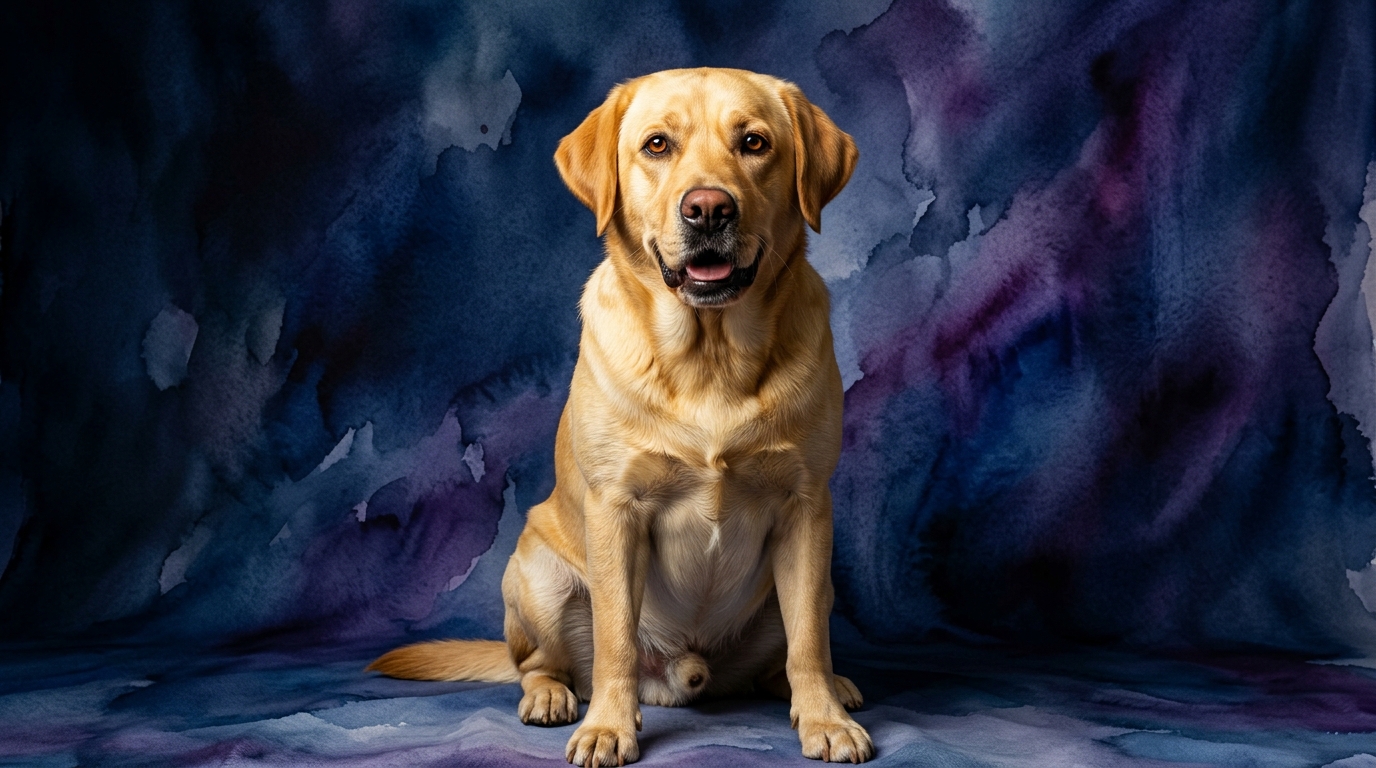
The Cosmic Pet Pet IQ Lab provides a unique lens through which to examine breed-specific cognitive abilities. The Labrador Retriever, a Sporting group dog, holds a Coren rank of #7, indicating a high aptitude for obedience and working intelligence. Its IQ profile includes Problem Solving 4/5, Training Speed 5/5, Social Intelligence 5/5, Instinctive Drive 4/5, and Memory 4/5. This paints a picture of a dog that is not only quick to learn but also deeply attuned to human cues and motivated by a strong working ethic.
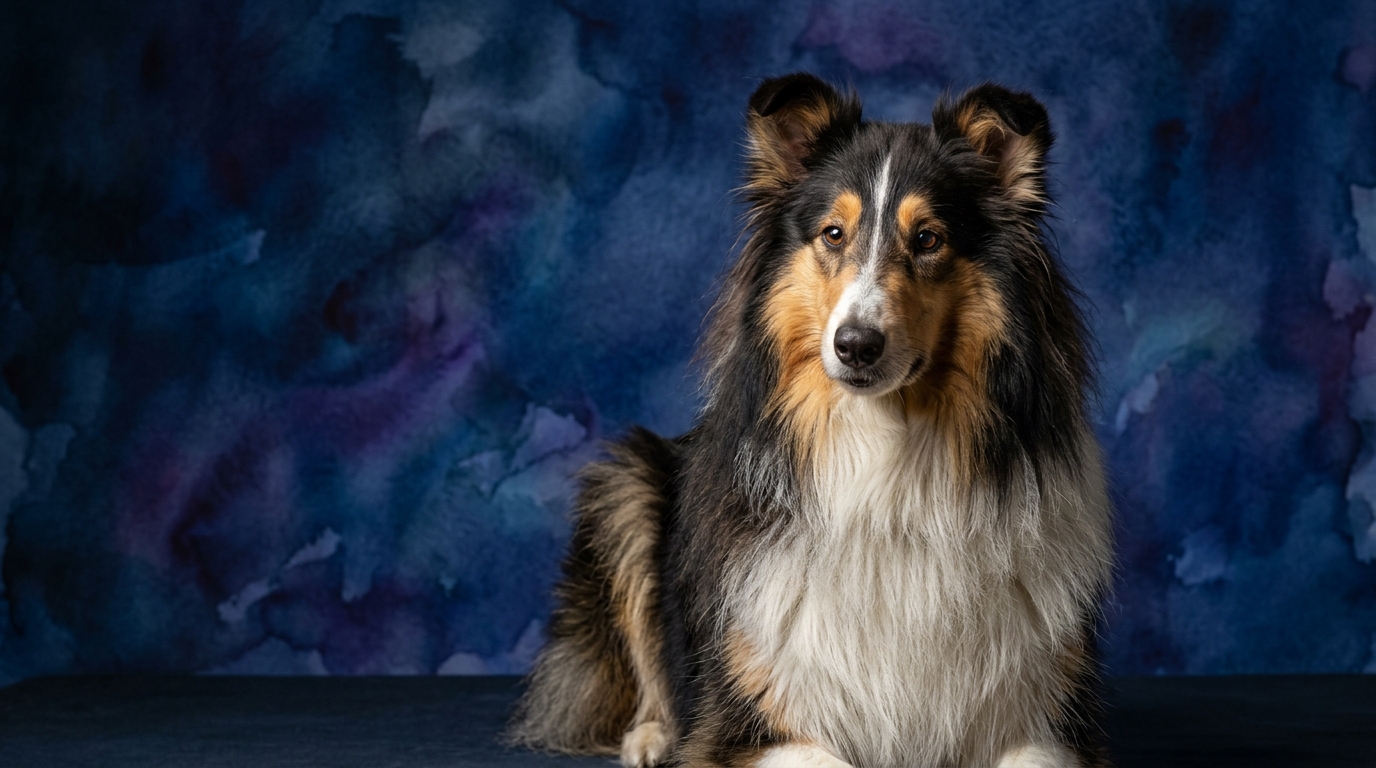
In contrast, the Rough Collie, from the Herding group, has a Coren rank of #16. While still demonstrating significant cognitive capacity, its profile reveals nuanced differences: Problem Solving 4/5, Training Speed 4/5, Social Intelligence 3/5, Instinctive Drive 3/5, and Memory 5/5. This suggests a breed with strategic thinking and exceptional recall, perhaps with a more independent approach to social interaction and a less overt, though still present, working drive.
Where the Labrador Retriever Excels Cognitively
The Labrador Retriever's cognitive strengths are particularly evident in its exceptional Training Speed (5/5) and Social Intelligence (5/5). This combination makes them remarkably receptive to instruction and profoundly connected to their human companions. Their eagerness to engage and their ability to quickly grasp complex commands mean they often master new tasks with fewer repetitions than many other breeds. This responsiveness is invaluable in roles requiring precision and rapid learning, such as guide work, detection tasks, or competitive obedience.
Their high Social Intelligence allows Labradors to read subtle human emotional cues and intentions, fostering deep, intuitive bonds. This capacity for empathetic connection is why they are so often successful as therapy and service dogs, where understanding and responding to human needs is paramount. Furthermore, their Problem Solving (4/5) is often geared towards practical, goal-oriented tasks, particularly those involving retrieval or assisting humans, making them highly effective partners in a wide array of activities.
Where the Rough Collie Excels Cognitively
The Rough Collie's standout cognitive attribute is its Memory (5/5), which is exceptional. This superior recall allows them to retain intricate patterns, long sequences of commands, and detailed spatial information with remarkable accuracy over extended periods. This memory is a cornerstone of their herding heritage, enabling them to remember flock movements, boundary lines, and complex routes, even when working independently over vast areas.
Their Problem Solving (4/5) is characterized by a more strategic and independent approach, often involving anticipation and planning. While a Labrador might excel at following direct instructions to solve a problem, a Collie might analyze the situation, predict outcomes, and devise a solution based on its extensive memory and understanding of patterns. This manifests as a thoughtful, sometimes reserved, intelligence, where they process information and make decisions, rather than just reacting. Their Instinctive Drive (3/5), though lower than a Lab's, is refined for nuanced control and management of livestock, requiring careful judgment rather than brute force or constant retrieving.
Trainability: A Tale of Two Approaches
When considering ease of training, the Labrador Retriever generally presents a more straightforward path. Their Training Speed of 5/5 combined with a Social Intelligence of 5/5 means they are intrinsically motivated to work alongside humans and derive immense satisfaction from pleasing their owners. They absorb commands rapidly, often requiring minimal repetition, and their enthusiasm makes training sessions a joy. Labradors are less likely to question a command and more likely to execute it with gusto, thanks to their strong desire for positive human interaction and reward.
The Rough Collie, with a Training Speed of 4/5 and Social Intelligence of 3/5, is certainly trainable but often requires a different approach. While they learn, their process might be more deliberate. Their slightly lower social intelligence means they might not display the same overt eagerness to please as a Labrador; they are more reserved and observant. Collies may take a moment to process a command, sometimes appearing to 'think' about it before responding. Their herding background instills a degree of independence and decision-making, meaning they might not always offer the instantaneous, unthinking obedience seen in a Labrador. Patience, consistency, and understanding their thoughtful nature are key to successful training with a Collie.
Matching Breeds to Lifestyles: Active vs. Relaxed Owners
Both the Labrador Retriever and the Rough Collie are active breeds that require substantial mental and physical engagement; neither is suited for a truly 'relaxed' owner who expects a low-maintenance companion. However, their activity needs manifest differently. The Labrador Retriever, with its high Instinctive Drive (4/5) and boundless energy, thrives with owners who can integrate them into a consistently active lifestyle. They excel at vigorous activities like long runs, swimming, hiking, and dog sports such as agility, dock diving, or field trials. Their social nature means they prefer these activities to be shared experiences, making them ideal for owners who want a canine partner for all their adventures.
The Rough Collie also requires daily exercise and mental stimulation, but their energy output might be more focused on purposeful activity rather than constant high-octane physical exertion. Their Problem Solving (4/5) and exceptional Memory (5/5) mean they benefit greatly from activities that engage their minds, such as herding games, long walks exploring new scents and environments, or advanced obedience and puzzle-solving. They are not content to be couch potatoes; an owner who provides structured walks, consistent training, and opportunities for mental challenges will find a content companion. While they can participate in dog sports, their preference might lean towards activities that leverage their strategic thinking and memory. For owners who enjoy a thoughtful, purposeful walk over a frantic sprint, and who appreciate a dog that thinks through tasks, the Collie can be a wonderful fit.
The Verdict: When to Choose Each
The Verdict
Choose the Labrador Retriever when seeking an exceptionally responsive, socially attuned companion eager for joint activities and quick to master new skills, especially for service work or an active family life.
Choose the Rough Collie when valuing a thoughtful, independent problem-solver with a remarkable memory, who thrives on structured routines and enjoys a more reserved, observant companionship.
🧠 Find Your Pet's IQ Score
Our Pet IQ Lab assessment covers 25+ tests across 5 cognitive dimensions — personalized to your breed.
Take the Full IQ Test →Frequently Asked Questions
Are Labradors more adaptable to different living situations than Collies?
Yes, Labradors generally exhibit higher social intelligence and a broader instinctive drive, making them more overtly adaptable to various environments and social settings, from busy family homes to therapy roles. Collies, while adaptable, tend to be more reserved and prefer consistent routines and a predictable environment.
Do Rough Collies require more mental stimulation than Labrador Retrievers?
Both breeds require significant mental stimulation. Labradors often thrive on practical tasks and social interaction, while Rough Collies, with their exceptional memory and problem-solving, benefit greatly from activities that engage their strategic thinking, like puzzle toys or structured obedience.
Which breed is better for first-time dog owners?
The Labrador Retriever's high training speed and social intelligence generally make them a more forgiving choice for first-time owners who can provide consistent training and ample exercise. Rough Collies, while trainable, might require more patience and understanding of their nuanced communication and independent streak.