Side-by-Side IQ Profile: Unpacking Canine Cognition
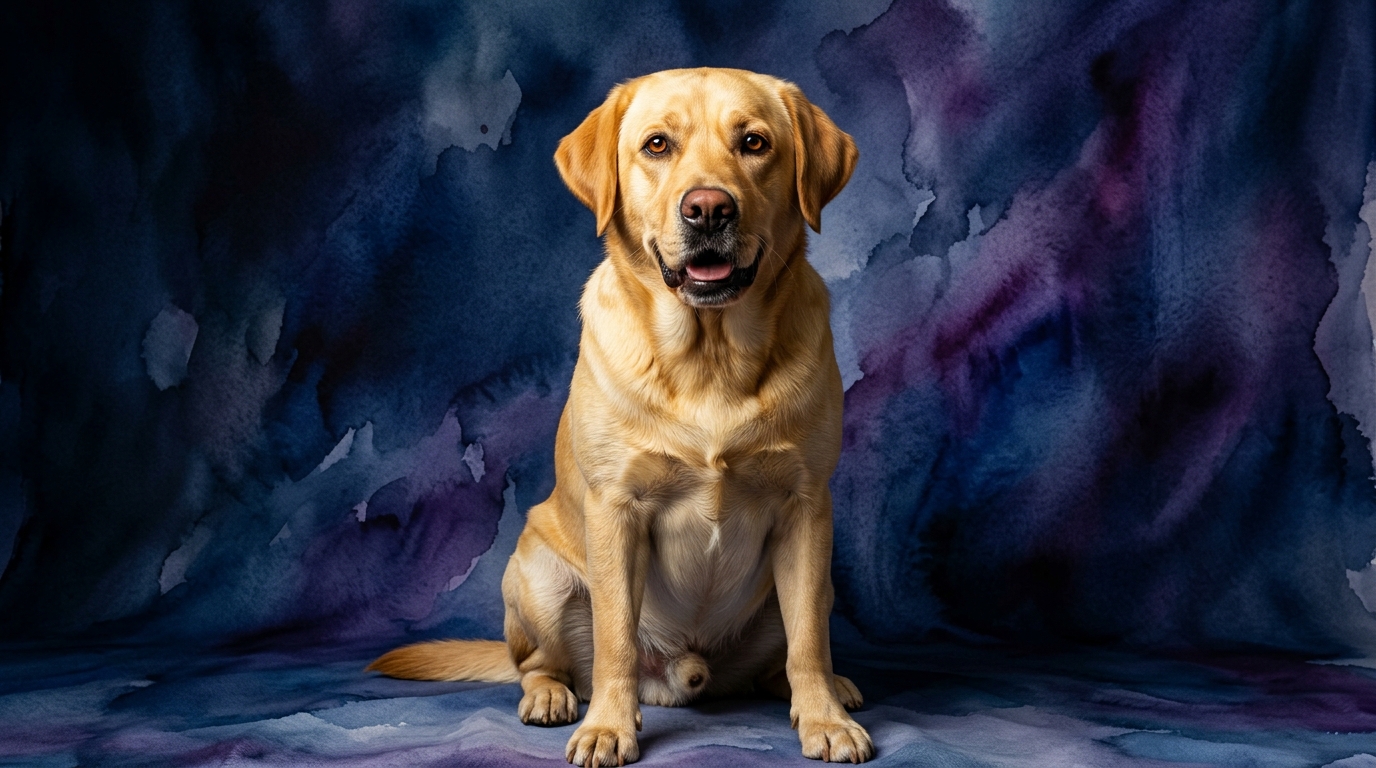
The Cosmic Pet Pet IQ Lab employs a comprehensive framework to assess canine intelligence across five critical dimensions. For the Labrador Retriever, ranked #7 in Coren's intelligence list, we observe a robust cognitive makeup: Problem Solving at 4/5, Training Speed at a remarkable 5/5, Social Intelligence also at 5/5, Instinctive Drive at 4/5, and Memory at 4/5. This profile paints a picture of a highly adaptable, responsive, and human-centric canine.
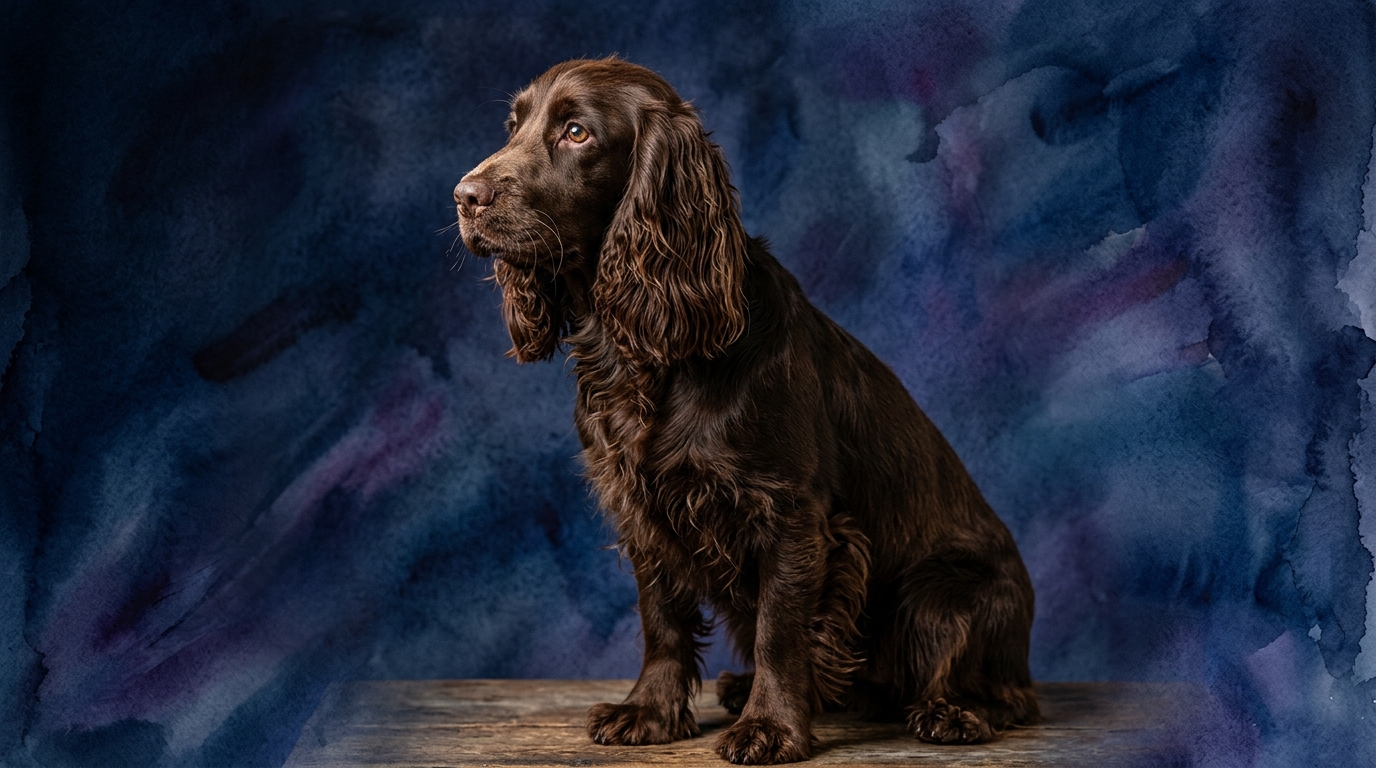
In contrast, the Field Spaniel, while not Coren-ranked, presents a consistent, if slightly more moderate, cognitive profile: Problem Solving at 3/5, Training Speed at 3/5, Social Intelligence at 3/5, Instinctive Drive at 3/5, and Memory also at 3/5. This suggests a dog that is certainly capable and intelligent, but perhaps with a different pace and intensity compared to its Labrador counterpart. Understanding these nuances moves beyond generic labels and into specific behavioral predictions.
Where the Labrador Retriever Excels Cognitively
The Labrador Retriever's cognitive strengths are evident in its exceptional Training Speed (5/5) and Social Intelligence (5/5). This combination means Labs process new commands and routines with remarkable rapidity, often grasping concepts in just a few repetitions. Their high social intelligence translates into an acute ability to read human emotions and intentions, making them extraordinarily attuned to their owners and highly motivated by positive interaction. This isn't just about obedience; it's about a deep, intuitive understanding of their place within the human family structure and a strong desire to cooperate.
Furthermore, their 4/5 Problem Solving score indicates a resourceful mind capable of navigating complex situations, whether it's figuring out how to retrieve a toy from an awkward spot or adapting to novel environments. This cognitive flexibility, combined with a solid 4/5 Memory, allows them to retain a vast repertoire of learned behaviors and experiences, making them consistent performers in various roles, from assistance work to competitive dog sports. Their instinctive drive, also at 4/5, fuels their enthusiasm for tasks and makes them tireless participants in activities that engage their natural retrieving instincts.
Cognitive Distinctions of the Field Spaniel
While the Field Spaniel's scores are consistently at 3/5 across all dimensions, this doesn't imply a lack of intelligence but rather a different cognitive approach. Their 3/5 Problem Solving ability suggests they are capable of navigating challenges, albeit perhaps with less immediate ingenuity or persistence than a Labrador. They will find solutions, but might take a more methodical or exploratory route. This measured approach can be an asset for owners who prefer a dog that thinks through situations rather than impulsively reacting.
The Field Spaniel's 3/5 Social Intelligence indicates they are certainly affectionate and enjoy companionship, but they might be less overtly demonstrative or less intensely focused on human approval compared to a Lab. They form strong bonds but may exhibit a more independent streak, processing social cues with a slightly more reserved demeanor. Similarly, their 3/5 Instinctive Drive, while still present and rooted in their sporting heritage, means their drive for repetitive tasks or intense retrieving may be less all-consuming. This can translate into a more relaxed companion in a home setting, capable of engaging in activities without the constant demand for high-octane engagement.
Which Is Easier to Train and Why?
Based on the IQ Lab's data, the Labrador Retriever is demonstrably easier to train. Their 5/5 Training Speed means they absorb commands and routines with impressive efficiency, often requiring fewer repetitions to achieve mastery. This is compounded by their 5/5 Social Intelligence, which makes them highly attuned to human feedback and eager to please. Labs thrive on positive reinforcement and readily offer desired behaviors, making the training process a rewarding and swift experience for both dog and owner. Their strong memory (4/5) ensures that once a behavior is learned, it is retained effectively, leading to reliable performance over time.
The Field Spaniel, with a 3/5 Training Speed, will require more patience and consistency in their training regimen. They are capable of learning, but the acquisition of new skills will likely proceed at a slower pace, demanding more repetitions and clear communication from their handler. Their 3/5 Social Intelligence suggests they may not be as intensely focused on human approval, meaning trainers might need to find a broader range of motivators beyond simple praise. While intelligent and willing, the Field Spaniel often benefits from shorter, more engaging training sessions to maintain focus, as their attention might wander more quickly than a Labrador's.
Suitability for Active vs. Relaxed Owners
For the highly active owner seeking a constant companion for outdoor adventures, the Labrador Retriever is an exceptional match. Their 4/5 Instinctive Drive, coupled with their robust problem-solving and social intelligence, makes them ideal partners for activities like hiking, running, swimming, and various dog sports. They possess the physical stamina and mental engagement to keep pace with a dynamic lifestyle, often thriving on consistent physical and mental challenges. Their inherent desire to work and retrieve means they are always ready for the next task, making them perfect for individuals who want a dog deeply integrated into an energetic routine.
The Field Spaniel, with its 3/5 Instinctive Drive, offers a slightly different proposition. They are certainly active and enjoy outdoor pursuits, but their drive is often less intense and more adaptable. This makes them suitable for active owners who enjoy regular walks, moderate hikes, and playful sessions, but perhaps don't require a dog with the relentless energy of a Labrador. They are content to participate in family activities but are equally happy to relax at home afterwards, making them a good fit for owners who appreciate a balance between activity and tranquility. Their moderate drive means they can transition more easily between high-energy play and calm companionship, suiting owners whose activity levels might vary.
The Verdict
Choose the Labrador Retriever if you desire a highly trainable, socially attuned, and consistently energetic companion for an active lifestyle, especially if you plan on participating in dog sports or require a working partner.
Opt for the Field Spaniel if you appreciate a dog with a more measured pace, still active and affectionate, but perhaps less demanding in its drive and social intensity, offering a balanced companion for varied routines.
🧠 Find Your Pet's IQ Score
Our Pet IQ Lab assessment covers 25+ tests across 5 cognitive dimensions — personalized to your breed.
Take the Full IQ Test →Frequently Asked Questions
Do Field Spaniels require less exercise than Labrador Retrievers?
Field Spaniels generally have a 3/5 instinctive drive compared to the Labrador's 4/5, suggesting they may require slightly less intense or prolonged exercise sessions. While both are active sporting breeds, the Field Spaniel might be content with moderate daily activity, whereas a Labrador typically thrives on more vigorous and consistent physical and mental engagement.
Which breed is better for first-time dog owners?
The Labrador Retriever, with its 5/5 training speed and 5/5 social intelligence, is often considered more forgiving and easier for first-time owners to train and manage. Their eagerness to please and quick learning curve can simplify the initial stages of dog ownership. Field Spaniels, while affectionate, may require a bit more patience and consistent training due to their 3/5 training speed.
Are Field Spaniels more independent than Labrador Retrievers?
Based on their 3/5 social intelligence compared to the Labrador's 5/5, Field Spaniels may exhibit a slightly more independent demeanor. They form strong bonds but might not seek constant human interaction or approval with the same intensity as a Labrador, making them a good choice for owners who appreciate a dog with a bit more self-reliance.