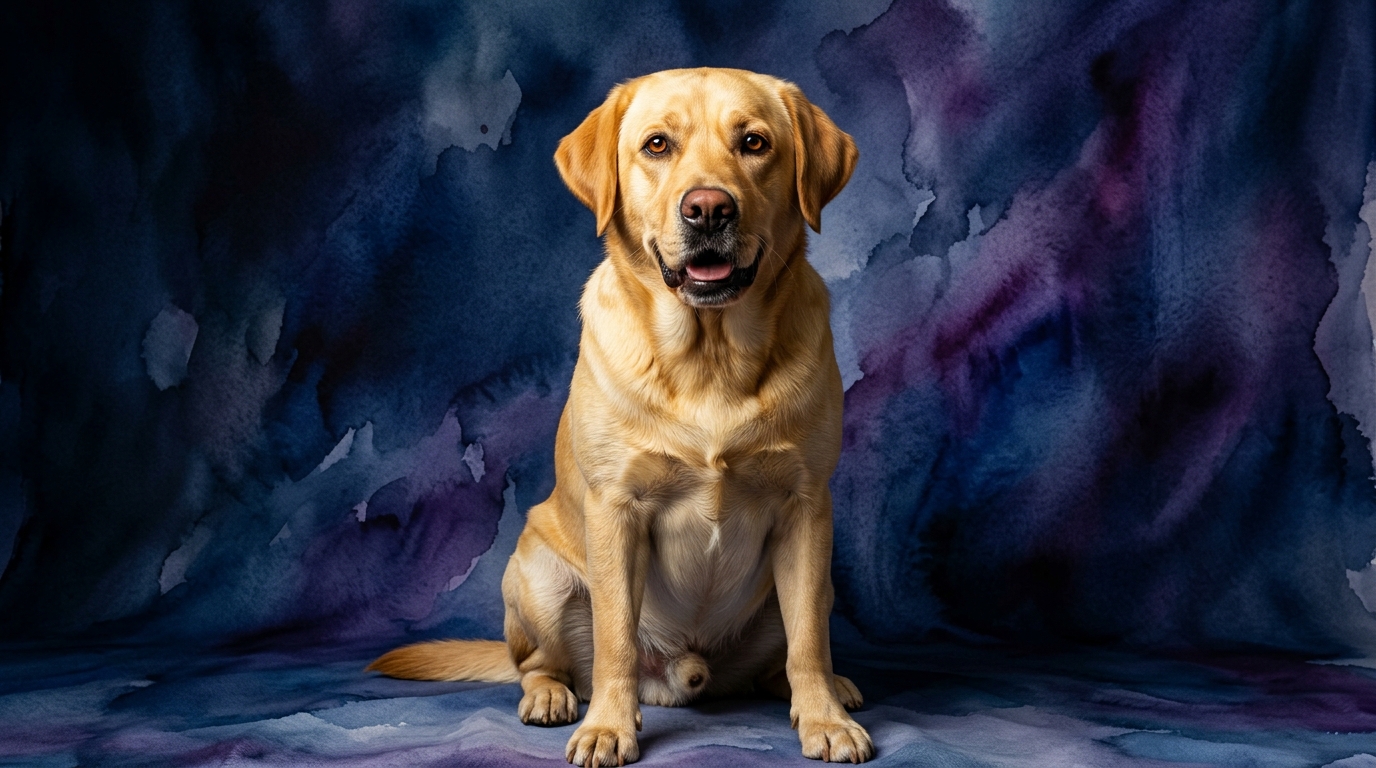

Side-by-Side IQ Profile: Labrador Retriever vs. French Bulldog
The Cosmic Pet Pet IQ Lab evaluates canine cognition across five distinct dimensions, offering a nuanced view of each breed's mental aptitudes. For the Labrador Retriever, a Sporting group member ranked #7 by Coren, its profile highlights a robust and versatile mind. They score 4/5 in Problem Solving, indicating a strong capacity to independently figure out solutions, and an impressive 5/5 in Training Speed, reflecting their rapid learning and eagerness to comply. Their Social Intelligence also reaches the maximum 5/5, showcasing exceptional ability to understand and respond to human cues and social dynamics. Instinctive Drive is rated 4/5, aligning with their heritage of retrieving and working alongside humans, while Memory stands at a solid 4/5, allowing them to retain complex commands and experiences.
In contrast, the French Bulldog, a Non-Sporting breed not ranked by Coren, presents a different set of cognitive strengths. Their Problem Solving is rated 3/5, suggesting they can navigate challenges but might prefer human guidance more often. Training Speed is also 3/5, meaning they learn at a moderate pace, often requiring more patience and repetition. Interestingly, their Social Intelligence mirrors the Labrador's at 5/5, underscoring their profound connection to human companions. Instinctive Drive is lower at 2/5, reflecting a reduced inclination for traditional 'work' or task-oriented behaviors, and their Memory is 3/5, sufficient for daily routines but perhaps less for intricate, multi-step tasks. These profiles illuminate how their historical roles and breed development have shaped their cognitive predispositions.
Where the Labrador Retriever Excels Cognitively
The Labrador Retriever's cognitive profile demonstrates a clear advantage in areas demanding active engagement and quick processing. Their 4/5 in Problem Solving means they are adept at navigating novel situations, whether it's figuring out how to retrieve a toy from a tricky spot or understanding a complex sequence of commands during a training session. This capability is intrinsically linked to their historical role as working dogs, where independent decision-making and adaptability were crucial for successful retrieving.
Furthermore, the Labrador’s 5/5 Training Speed is a standout feature, indicating an almost unparalleled ability to grasp and execute new commands rapidly. This isn't just about obedience; it reflects a deep capacity for associative learning and a strong desire to cooperate, which makes them highly responsive. Coupled with their 4/5 Instinctive Drive, which channels their natural inclinations into focused tasks, and a 4/5 Memory for retaining vast amounts of information, Labradors are cognitively built for structured learning, complex tasks, and consistent performance in diverse environments.
Where the French Bulldog Shines Cognitively
While the French Bulldog’s scores in problem-solving and training speed are more modest, their cognitive strength truly comes to the fore in their exceptional Social Intelligence, rated 5/5—equal to that of the Labrador. This means French Bulldogs possess a sophisticated understanding of human emotions, intentions, and communication cues. They are remarkably perceptive of their owners' moods and often adapt their behavior to provide comfort or companionship, making them highly attuned family members.
Their lower Instinctive Drive (2/5) can also be seen as a cognitive advantage in certain contexts. Unlike breeds driven by strong working instincts, French Bulldogs are typically content with less structured mental 'work.' This allows their cognitive energy to be primarily focused on social bonding and observational learning within a domestic setting. Their problem-solving (3/5) and memory (3/5) are perfectly adequate for navigating a home environment, understanding routines, and engaging in interactive play, without requiring the constant mental challenge of a working breed. Their cognitive makeup is optimized for companionship and close human interaction, excelling in the nuances of domestic social dynamics.
Training Ease: Labrador Retriever vs. French Bulldog
When it comes to training, the Labrador Retriever generally presents a more straightforward experience due to its superior Training Speed (5/5) and strong Instinctive Drive (4/5). Labradors are inherently motivated by praise, food, and the opportunity to work alongside their human companions, making them highly receptive to instruction. Their retrieving drive means they often find games like fetch immensely rewarding, which can be leveraged in training. This combination of eagerness, rapid learning, and a desire to please translates into quick progress in obedience, trick training, and even more specialized tasks.
The French Bulldog, with a Training Speed of 3/5 and an Instinctive Drive of 2/5, requires a different approach. They can certainly be trained, but they often learn at a more deliberate pace and may exhibit a more independent streak. French Bulldogs are less driven by traditional 'work' and more by comfort and attention. Training success often hinges on making sessions fun, short, and highly rewarding, avoiding repetition that can lead to boredom. Their strong social intelligence means they respond well to positive reinforcement and clear, consistent communication, but their independent nature means owners should be prepared for charming stubbornness and a need for patience.
Matching Breeds to Lifestyles: Active vs. Relaxed Owners
The cognitive profiles of these two breeds clearly delineate their suitability for different owner lifestyles. The Labrador Retriever, with its high scores in Problem Solving, Training Speed, and Instinctive Drive, thrives with active owners who can provide ample mental and physical stimulation. They require regular opportunities to engage their minds through training, puzzle toys, and activities like fetch, agility, or scent work. Owners who enjoy outdoor adventures, consistent training, and involving their dog in family activities will find the Labrador an enthusiastic and capable partner. Their robust memory and drive make them excellent candidates for complex training and dog sports, fulfilling their cognitive need for purpose.
Conversely, the French Bulldog's cognitive makeup is ideally suited for more relaxed owners. Their moderate problem-solving and training speed, coupled with a lower instinctive drive, mean they don't demand intense daily mental challenges or strenuous physical activity. While they certainly benefit from regular walks and interactive play, their primary cognitive need is strong social connection and companionship, which their 5/5 Social Intelligence allows them to fully appreciate. Owners who prefer a less demanding exercise routine, enjoy quiet evenings at home, and seek a deeply affectionate, socially attuned companion will find the French Bulldog to be an excellent match, appreciating their ability to integrate seamlessly into a calm domestic life.
The Verdict
Choose the Labrador Retriever if you seek an engaged, trainable companion eager for mental challenges and an active lifestyle, thriving on purpose and cooperation.
Opt for the French Bulldog if you desire a highly socially intelligent, adaptable companion content with a more relaxed pace and deep emotional connection.
🧠 Find Your Pet's IQ Score
Our Pet IQ Lab assessment covers 25+ tests across 5 cognitive dimensions — personalized to your breed.
Take the Full IQ Test →Frequently Asked Questions
Do Labrador Retrievers need extensive training?
Labrador Retrievers possess a high Training Speed (5/5) and strong Instinctive Drive, making them quick learners. While they excel with extensive training, even basic obedience comes easily, and they thrive on consistent mental engagement to prevent boredom.
Are French Bulldogs difficult to train due to their lower IQ scores?
French Bulldogs have moderate training speed (3/5) and can be trained effectively with patience and positive reinforcement. Their lower scores don't indicate an inability to learn, but rather a preference for shorter, engaging sessions and a less intense drive for traditional obedience work.
Which breed is better for a first-time dog owner?
Both breeds can be suitable, but the Labrador Retriever's high training speed and desire to please often make them easier for first-time owners to guide. French Bulldogs, while affectionate, may require more patience with training due to their independent streak, making consistent boundaries crucial.