
Side-by-Side Cognitive Profiles: A Deeper Look
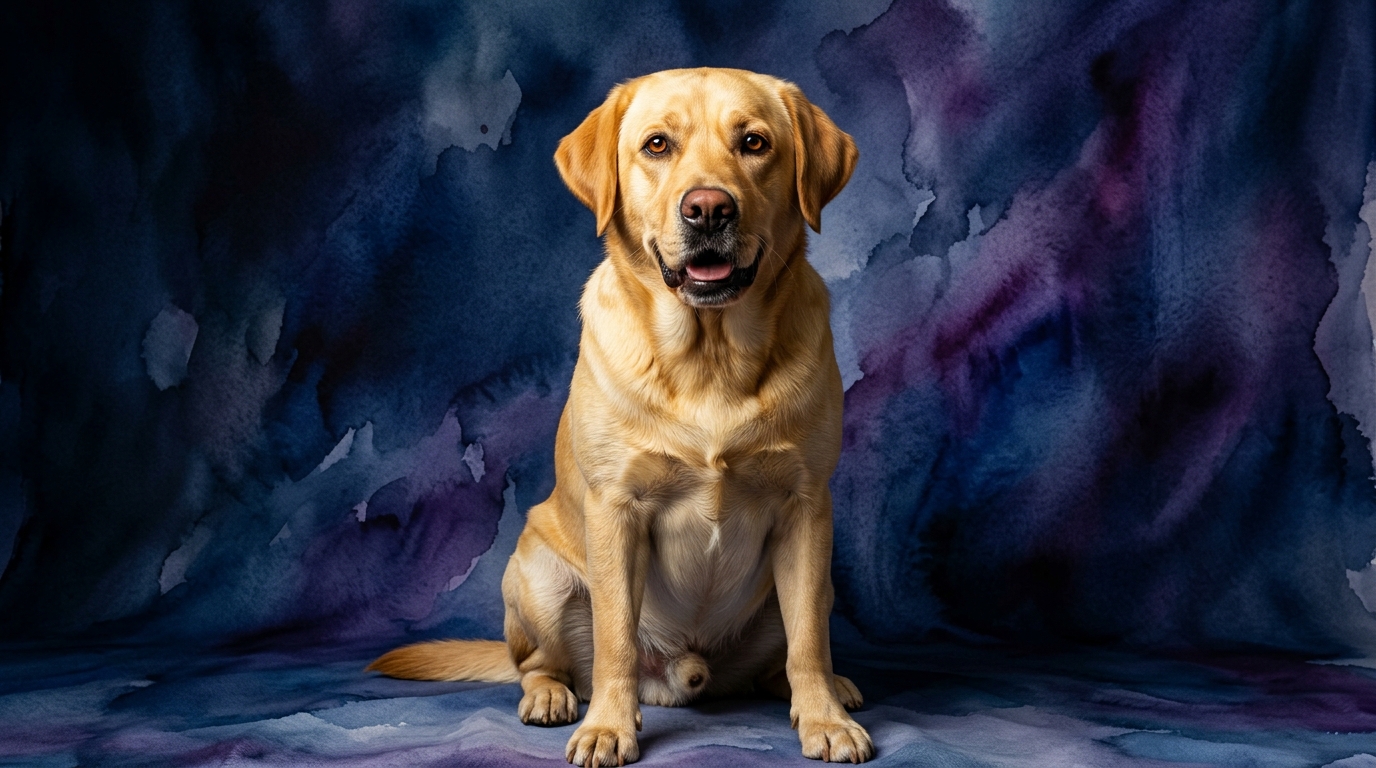
At The Cosmic Pet Pet IQ Lab, we analyze canine intelligence across five key dimensions. For the Labrador Retriever, ranked #7 by Coren for working intelligence, we observe a robust cognitive makeup: Problem Solving 4/5, Training Speed 5/5, Social Intelligence 5/5, Instinctive Drive 4/5, and Memory 4/5. This profile paints a picture of a highly adaptable and cooperative companion.
In contrast, the Gordon Setter, holding Coren’s rank #39, presents a different, yet equally capable, cognitive signature: Problem Solving 4/5, Training Speed 4/5, Social Intelligence 3/5, Instinctive Drive 3/5, and Memory 4/5. This suggests a more independent and specialized cognitive approach compared to the Labrador's broader cooperative strengths. Both breeds are dogs from the Sporting Group, sharing a heritage rooted in assisting hunters, but their specific roles and cognitive strategies diverge significantly.
Where the Labrador Retriever Excels Cognitively
The Labrador Retriever's cognitive strengths are particularly evident in their outstanding Training Speed (5/5) and Social Intelligence (5/5). These attributes combine to create a canine partner exceptionally responsive to human instruction and deeply attuned to social cues. Labradors process new commands and routines with remarkable efficiency, often requiring fewer repetitions to achieve mastery. Their eagerness to engage and their drive to work cooperatively stem directly from their high social intelligence, allowing them to intuitively grasp a handler's intentions and desires.
This superior social cognition enables Labradors to form incredibly strong, communicative bonds, making them intuitive partners in complex tasks such as assistance work, therapy roles, or competitive obedience. Their problem-solving skills (4/5), while numerically matching the Gordon Setter, often manifest in practical, cooperative ways—figuring out how to retrieve an object from a challenging spot or navigating obstacles precisely as directed. Their memory (4/5) supports this by solidifying learned behaviors and associations, ensuring consistent performance over time, which is crucial for tasks requiring precision and reliability.
Where the Gordon Setter Shines Cognitively
The Gordon Setter's cognitive profile, while different, showcases distinct strengths, particularly in their independent problem-solving and specialized instinctive drives. While also rated 4/5 for Problem Solving, the Gordon often applies this ability in a more self-reliant manner, characteristic of a pointing breed developed to range and make decisions in the field without constant human direction. They are adept at assessing novel situations, sometimes taking a deliberate moment before acting, which can be an asset in scenarios demanding careful consideration rather than immediate, reflexive action.
Their Instinctive Drive (3/5), though numerically lower than the Labrador's, is highly specialized towards scent detection and pointing. This requires a unique blend of focus, persistence, and methodical exploration, differing from the Labrador's broad retrieving drive. Gordons excel at intricate scent work, meticulously tracking game and holding a steady point. Their Memory (4/5), coupled with this independent nature, allows them to recall complex scent trails and navigate expansive hunting grounds, demonstrating a robust cognitive capacity for spatial memory and detailed olfactory discrimination that is highly valuable in their traditional role.
Training Dynamics: Lab vs. Gordon
When it comes to training, the differences in cognitive profiles between the Labrador Retriever and the Gordon Setter become quite apparent. The Labrador, with its 5/5 Training Speed and 5/5 Social Intelligence, is often perceived as an exceptionally compliant and enthusiastic student. They are highly motivated by praise, food, and the opportunity to retrieve, responding quickly and eagerly to positive reinforcement. Their innate desire to please and work cooperatively, combined with their ability to pick up on a handler's mood and intentions, makes communication smoother and the learning curve remarkably fast for obedience and task-oriented training. Labradors thrive on structure and consistency, internalizing routines with ease.
The Gordon Setter, with a 4/5 Training Speed and 3/5 Social Intelligence, presents a different training experience. While they are capable learners, they can be more independent and less overtly 'eager to please' than a Labrador. Training a Gordon may require more patience, varied motivation, and a deeper understanding of their specialized drives. While food and praise are effective, consistent engagement is crucial to maintain their attention, as their strong scent drive can easily distract them from human-led tasks. Their less pronounced social intelligence means handlers need to be clearer and more consistent with cues, as Gordons might not 'guess' what's wanted as readily. They respond best to fair, consistent, and reward-based methods, but owners should be prepared for a more thoughtful, sometimes headstrong, approach to learning.
Lifestyle Suitability: Active vs. Relaxed Owners
Considering their cognitive and behavioral traits, the Labrador Retriever and Gordon Setter appeal to different owner lifestyles. The Labrador, while possessing significant energy, is generally more adaptable to various home environments, provided their exercise and mental stimulation needs are consistently met. Their social nature means they thrive on being an integral part of family activities, making them suitable for active owners who enjoy structured pursuits like fetching, swimming, agility, or engaging in assistance work. Their eagerness to please and high trainability also make them a good fit for novice owners who are committed to consistent training and exercise.
The Gordon Setter, conversely, requires a more specifically active owner, ideally one interested in field sports, long hikes, or consistent outdoor exploration that engages their natural instincts. Their independent streak and strong hunting drives mean they need ample opportunities to explore and use their nose, often preferring self-directed activity over constant human-led games. They are less suited for truly 'relaxed' owners who prefer minimal interaction or short, infrequent walks. Gordons need mental engagement that satisfies their specialized drives, making them best suited for experienced dog owners who appreciate and are prepared to accommodate the nuances of a pointing breed's temperament and cognitive style.
The Verdict
Choose a Labrador Retriever if you seek a highly cooperative, socially attuned companion eager to learn quickly and participate in a wide array of family activities and structured training, thriving on consistent interaction and a clear desire to please.
Opt for a Gordon Setter if you appreciate a more independent, thoughtful companion with specialized hunting instincts, valuing methodical exploration and problem-solving, and are prepared for a consistent exercise regimen that engages their unique drives.
🧠 Find Your Pet's IQ Score
Our Pet IQ Lab assessment covers 25+ tests across 5 cognitive dimensions — personalized to your breed.
Take the Full IQ Test →Frequently Asked Questions
Are Labrador Retrievers better at problem-solving than Gordon Setters?
Both breeds are rated 4/5 for problem-solving. Labradors often apply their problem-solving skills in cooperative, handler-directed tasks, such as navigating obstacles to retrieve. Gordon Setters, however, tend to exhibit theirs more independently, particularly in complex scent work and navigating varied terrain, showcasing different strengths in this cognitive ability.
Which breed is more affectionate, the Labrador or the Gordon Setter?
Labrador Retrievers, with their 5/5 social intelligence, are generally more overtly affectionate and people-focused, often seeking out interaction and forming demonstrative bonds. Gordon Setters, rated 3/5 for social intelligence, are deeply devoted to their families but can be more reserved and less effusive, expressing their strong, loyal bonds in a quieter, more dignified manner.
Do Gordon Setters require more exercise than Labrador Retrievers?
Both are active breeds, but their exercise needs differ in nature and intensity. Labradors thrive on varied, interactive exercise like retrieving and swimming. Gordon Setters, with their strong field instincts, often require more extensive opportunities for free-ranging exploration, scent work, and sustained endurance, making their exercise requirements perhaps more specialized and demanding in terms of duration and environment.