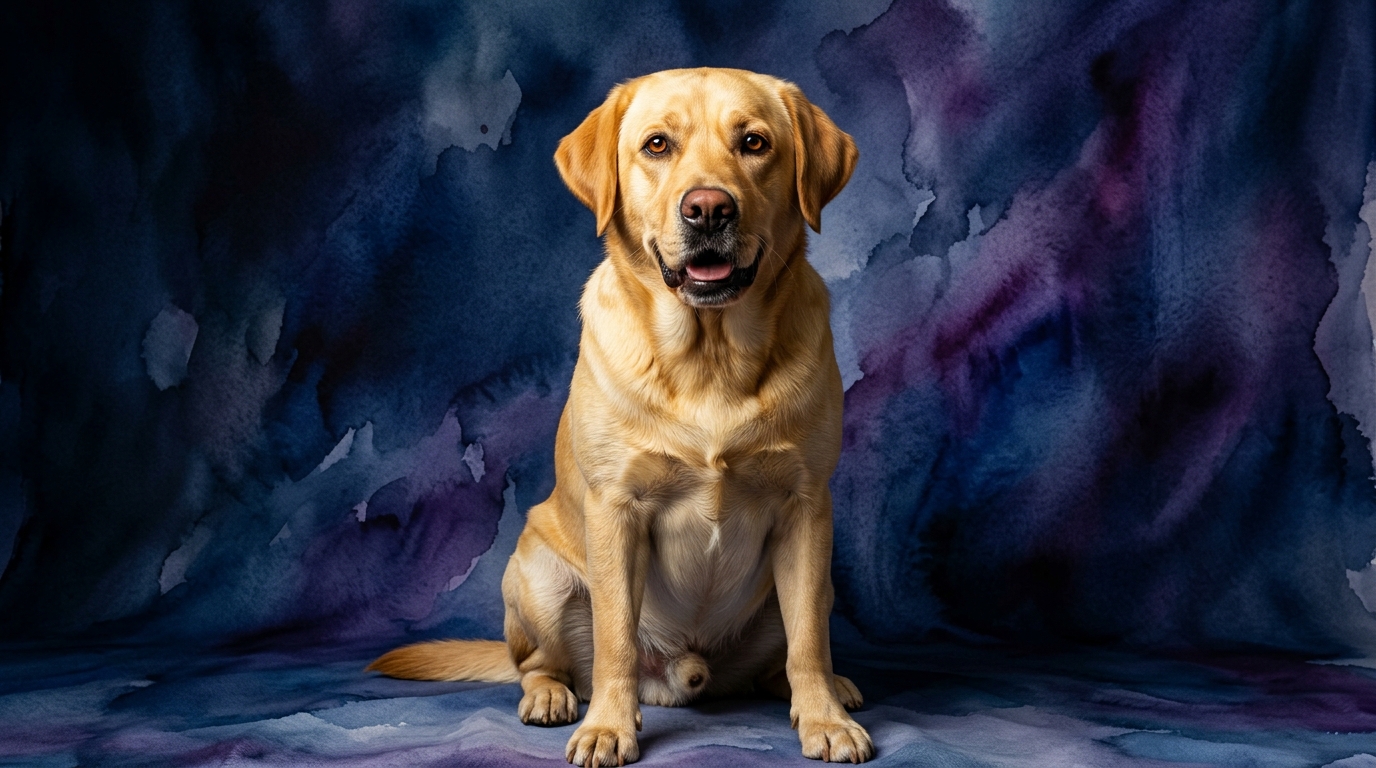

Unpacking Their Cognitive Blueprints: A Side-by-Side IQ Profile
The Labrador Retriever, a breed steeped in retrieval work, consistently ranks high in working obedience, notably Coren rank #7, reflecting a strong aptitude for understanding and executing human commands. Their Problem Solving ability is rated at 4/5, indicating competence in learning complex tasks and adapting to familiar challenges, though perhaps with less spontaneous innovation than some independent breeds. A stellar Training Speed of 5/5 highlights their eagerness and quick comprehension during instruction, making them highly responsive pupils in structured environments.
Further defining the Labrador's cognitive makeup is their Social Intelligence at 5/5; they are exceptionally attuned to human emotions and intentions, thriving on interaction and cooperation, which underpins their success as service animals and companions. Their Instinctive Drive, rated 4/5, centers on a strong retrieve drive, scenting ability, and an enthusiasm for work involving partnership, while their Memory at 4/5 ensures consistent retention of learned behaviors and social cues over time.
In stark contrast, the Jack Russell Terrier, though not Coren-ranked due to its inherent independence rather than lack of mental capacity, presents a distinct cognitive profile geared towards self-reliant action. Their Problem Solving capability is a top-tier 5/5, showcasing a remarkable ability to independently figure out solutions, navigate complex situations, and persist through obstacles, often with inventive approaches. However, their Training Speed stands at 3/5, reflecting a more independent spirit that requires engaging and patient methods to channel their focus away from their own agenda.
The Jack Russell's Social Intelligence, at 3/5, suggests they are less universally focused on human social cues, prioritizing their own drives and direct interactions over broad cooperative engagement, though they form deep bonds with their chosen humans. Their Instinctive Drive is an undeniable 5/5, manifesting as an intense prey drive, boundless energy for digging and tracking, and an unwavering tenacity in pursuit of their goals. A Memory rating of 4/5 means they retain information effectively, especially regarding routines, locations, and the outcomes of their problem-solving endeavors.
The Labrador's Cognitive Edge: Cooperation and Rapid Learning
The Labrador Retriever's cognitive strengths truly shine in environments demanding consistent cooperation and rapid assimilation of multi-step commands. Their superior Training Speed (5/5) is not merely about quick learning; it reflects a profound desire to engage with and please their human partners, making them incredibly receptive to instruction. This eagerness allows them to master intricate sequences and adapt to new training protocols with remarkable efficiency, a trait invaluable for roles requiring precision and reliability.
Furthermore, their exceptional Social Intelligence (5/5) gives them an edge in understanding and anticipating human intentions. Labradors excel at reading subtle cues, adjusting their behavior to match expectations, and thriving in roles that necessitate close, synchronized teamwork. This deep attunement to their human companions makes them unparalleled for assistance work, therapy roles, and any activity where a strong, responsive partnership is paramount.
The Jack Russell's Cognitive Prowess: Independent Problem-Solving and Tenacity
The Jack Russell Terrier's cognitive advantages are rooted in their formidable Problem Solving ability (5/5) and relentless Instinctive Drive (5/5). These dogs are natural innovators, capable of devising their own solutions to challenges, often with a cunning and resourcefulness that can surprise observers. Whether it's figuring out how to bypass an obstacle to reach a perceived 'prey' or navigating a complex agility course with independent flair, their ability to think on their paws is exceptional.
Their intense instinctive drive fuels this problem-solving tenacity. A Jack Russell will not easily give up on a task once engaged, especially if it taps into their inherent hunting or exploratory instincts. This combination makes them incredibly effective in activities requiring sustained focus, independent decision-making, and a relentless pursuit of a goal, such as earth dog trials, specific scent work, or competitive agility where self-direction is rewarded.
Training Trajectories: Navigating Cooperation vs. Independence
When assessing ease of training, the Labrador Retriever generally presents a smoother path for most owners due to their high Training Speed (5/5) and Social Intelligence (5/5). Labradors actively seek to understand and comply with human directives, viewing training as a collaborative effort. Their eagerness to please and natural responsiveness to positive reinforcement means they pick up new commands quickly and consistently, making them excellent candidates for a wide range of obedience and specialized tasks.
In contrast, training a Jack Russell Terrier often requires more patience, creativity, and a robust understanding of their inherent drives. Their lower Training Speed (3/5) is not a reflection of a lack of intellect, but rather their independent nature and strong Instinctive Drive (5/5). A Jack Russell might understand what you want but choose to prioritize a fascinating scent or a perceived 'critter' over your command, requiring trainers to be highly engaging and consistent to maintain focus and channel their boundless energy effectively. Their problem-solving skills mean they might also try to outsmart you if training isn't stimulating enough.
Matching Breeds to Lifestyles: Active Engagement vs. Calm Companionship
For truly active owners, both breeds offer engaging companionship, though with different demands. A Labrador Retriever thrives on consistent physical activity like retrieving games, long walks, or swimming, coupled with mental engagement like obedience training or scent work. Their high social intelligence means they enjoy participating alongside their humans in various adventures, adapting well to a family's active rhythm as long as their physical and mental needs are met.
The Jack Russell Terrier, however, demands an owner whose lifestyle is not just active, but intensely so, and consistently prepared for high-energy problem-solving. Their relentless Instinctive Drive (5/5) and Problem Solving (5/5) mean they require constant mental and physical outlets to prevent boredom and destructive behaviors. Owners must be ready for daily, vigorous exercise, engaging puzzle toys, and structured activities that challenge their cunning and tenacity, making them an ideal match for dedicated enthusiasts of dog sports or those with an adventurous, hands-on approach to pet ownership.
Neither breed is suitable for truly 'relaxed' owners in the sense of minimal engagement. A Labrador, while more adaptable to downtime after sufficient exercise, still requires significant daily attention and activity to prevent boredom-related issues, given their social nature. A Jack Russell, left without adequate stimulation, will inevitably find its own 'work,' which often manifests as incessant barking, digging craters in the yard, or devising escape routes, making them a poor fit for a sedentary household that cannot meet their intense cognitive and physical requirements.
The Verdict
Choose a Labrador Retriever if you seek a cooperative, highly trainable companion eager to engage in shared activities, excel in structured learning, and form a deeply responsive bond. Their balanced drives and social acumen make them versatile partners for families and those pursuing service or therapy roles.
Opt for a Jack Russell Terrier if you are a dedicated, active owner who relishes a challenge, values independent thought, and can commit to channeling immense drive into productive, stimulating outlets. They are ideal for those seeking a tenacious, clever partner for dog sports and adventures requiring persistence and wit.
🧠 Find Your Pet's IQ Score
Our Pet IQ Lab assessment covers 25+ tests across 5 cognitive dimensions — personalized to your breed.
Take the Full IQ Test →Frequently Asked Questions
Does Coren ranking fully capture a dog's intelligence?
No, the Coren ranking primarily evaluates obedience and working intelligence, focusing on how quickly a dog learns and responds to commands. It doesn't fully account for other crucial aspects like independent problem-solving, social intelligence beyond human-directed tasks, or innate instinctive drives, which are equally important facets of a dog's overall cognitive profile.
Are Jack Russell Terriers difficult to train?
Jack Russell Terriers can be more challenging to train than some breeds due to their strong independent nature and intense instinctive drives. While highly intelligent in problem-solving, their focus may shift from commands to environmental stimuli. Successful training requires consistency, engaging methods, and patience to channel their energy and intelligence effectively.
Do both breeds require a lot of exercise and mental stimulation?
Absolutely, both Labrador Retrievers and Jack Russell Terriers are active breeds that require substantial daily exercise and mental stimulation to thrive. The Jack Russell, in particular, demands vigorous physical activity and consistent intellectual challenges to prevent boredom and potential destructive behaviors, owing to their profound instinctive drive and problem-solving abilities.