
Side-by-Side Cognitive Profiles: Labrador Retriever vs. Mastiff
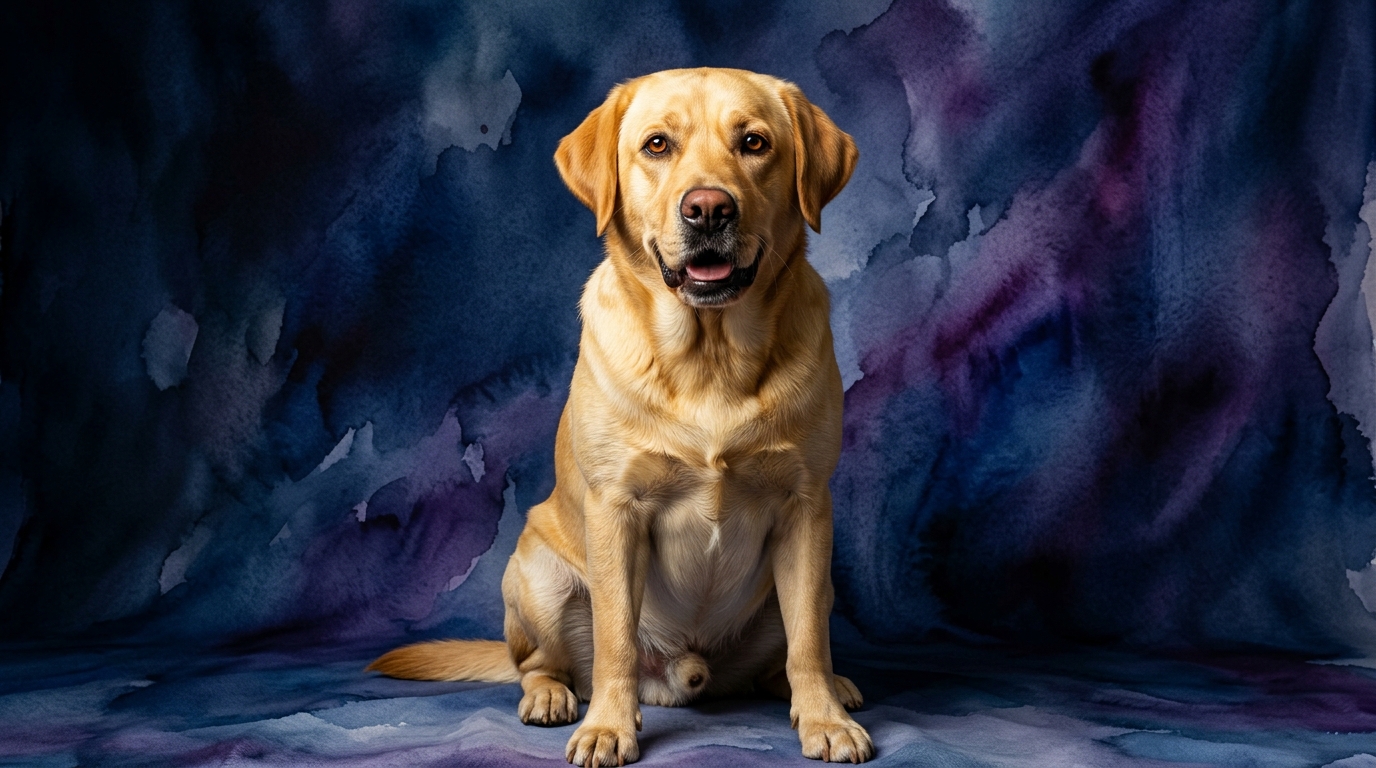
The Labrador's cognitive map, as assessed by The Cosmic Pet Pet IQ Lab, paints a picture of a highly adaptable and cooperative companion. Their Problem Solving score of 4/5 indicates a capacity for navigating complex situations and understanding multi-step tasks, often demonstrating creative solutions to reach a goal, such as retrieving an object from a difficult spot. Training Speed, an exceptional 5/5, highlights their rapid assimilation of new commands and routines, making them remarkably quick studies in various disciplines. Social Intelligence, also a perfect 5/5, reflects their profound ability to interpret human cues, understand emotional states, and readily integrate into family dynamics, forming strong bonds and responding to subtle social signals. Their Instinctive Drive, rated 4/5, is channeled significantly towards retrieving and working alongside humans, manifesting as a strong desire to engage in purposeful activities. Memory, at 4/5, supports their ability to retain a vast repertoire of commands and experiences, making their learning durable and consistent over time. These scores collectively underscore the Labrador's aptitude for partnership and task-oriented work.
In contrast, the Mastiff’s cognitive profile, while different, is perfectly suited to its historical role as a guardian. The Cosmic Pet Pet IQ Lab assigns them a Problem Solving score of 3/5, suggesting a more deliberate, perhaps less overtly inventive, approach to novel challenges, often relying on established patterns or patient observation rather than rapid experimentation. Their Training Speed of 3/5 indicates that while they are certainly capable of learning, they typically require more repetitions and a consistent, patient approach compared to faster learners; their motivation often stems from respect and understanding rather than an immediate eagerness to please. Social Intelligence, at 3/5, points to a discerning nature; they are deeply bonded with their family but often reserved with strangers, interpreting social interactions with a cautious eye rather than immediate open engagement. Instinctive Drive, also 3/5, is primarily directed towards territorial awareness and protection, manifesting as a watchful presence rather than a constant need for active engagement or complex tasks. Memory, scoring 3/5, means they learn and remember, but perhaps not with the same immediate recall or breadth of association as breeds with higher scores, requiring more reinforcement to solidify behaviors. The Mastiff’s scores reflect a robust, independent mind, designed for thoughtful observation and protection.
Where the Labrador Retriever Excels Cognitively
The Labrador Retriever's cognitive strengths shine particularly in areas demanding rapid processing, social attunement, and task execution. Their 5/5 Training Speed and Social Intelligence mean they don't just learn commands quickly; they grasp the context and intent behind human directives with remarkable clarity. This allows for nuanced communication, where a subtle hand gesture or a change in vocal tone can convey complex instructions. For instance, a Labrador can be taught to differentiate between various objects and retrieve them on command, a testament to their Problem Solving (4/5) and Memory (4/5) combined with their strong instinctive drive for retrieving. Their cognitive architecture supports a highly collaborative learning process, making them exceptionally responsive partners in fields like assistance work, search and rescue, or competitive obedience, where understanding and immediate action are paramount. They excel in dynamic environments where quick decisions and adaptability are prized, consistently demonstrating an eagerness to engage mentally with their human companions.
Where the Mastiff's Cognitive Strengths Lie
While the Mastiff's IQ scores are generally lower than the Labrador's, these numbers don’t imply a lack of mental capacity; rather, they highlight a different cognitive specialization optimized for their guardian role. The Mastiff's 3/5 Problem Solving manifests as a thoughtful, sometimes ponderous, approach to situations, particularly those involving potential threats. They excel not in speed of response, but in deliberate assessment, often observing and weighing options before acting. Their 3/5 Social Intelligence, while appearing lower, means they are less easily swayed by external stimuli or strangers, an advantageous trait for a dog whose primary function is discernment and protection. They form deep, selective bonds and exhibit a profound, quiet understanding of their family's needs, often displaying a nuanced sensitivity to their owners' emotional states without overt displays. Their Instinctive Drive (3/5) is less about constant activity and more about a vigilant, territorial awareness, translating into a calm, watchful presence. This cognitive profile allows the Mastiff to be an independent thinker, capable of making judgments based on observed circumstances rather than relying solely on immediate human direction, which is a critical asset for effective guardianship.
Training Ease: Labrador Retriever vs. Mastiff
The difference in training ease between these two breeds is significant, directly reflecting their respective IQ profiles from The Cosmic Pet Pet IQ Lab. The Labrador Retriever, with its 5/5 Training Speed, 5/5 Social Intelligence, and 4/5 Memory, is an extremely receptive student. They inherently seek to please and are highly motivated by positive reinforcement, quickly associating commands with desired outcomes. Their strong social intelligence means they are acutely aware of human expectations and disapproval, prompting them to adjust their behavior readily. They thrive on consistency and engagement, often making training feel like a collaborative game. A Labrador will typically pick up basic commands in very few repetitions and eagerly offer learned behaviors.
The Mastiff, however, presents a different training dynamic. Their 3/5 scores across Training Speed, Social Intelligence, and Memory mean that training requires considerably more patience, consistency, and a deep understanding of their independent nature. Mastiffs are not inherently motivated by an overwhelming desire to please; rather, they respond best to clear, fair leadership and positive reinforcement that makes sense to them. They might take more repetitions to solidify a command, and their discerning social intelligence means they might question the necessity of a task. They possess a stubborn streak rooted in their independent thinking, requiring an owner who can make training engaging and demonstrate leadership without resorting to harsh methods, which can make them shut down. A Mastiff's learning journey is a marathon, not a sprint, built on mutual respect and trust.
Which Breed Suits Active vs. Relaxed Owners
For owners seeking an active, engaged companion, the Labrador Retriever is an ideal match. Their 4/5 Instinctive Drive fuels a desire for purposeful activity, whether it's daily long walks, runs, swimming, or participating in dog sports like agility, dock diving, or obedience trials. Their 4/5 Problem Solving and 5/5 Social Intelligence mean they thrive on mental stimulation and collaborative tasks, making them excellent partners for adventurous individuals or families who want a dog involved in every aspect of their active lifestyle. A Labrador needs outlets for its physical energy and mental acuity; without sufficient engagement, they can become bored and exhibit undesirable behaviors.
Conversely, the Mastiff is better suited for owners who appreciate a more relaxed, contemplative pace of life. Their 3/5 Instinctive Drive translates into a preference for calm companionship over constant vigorous activity. While they certainly need regular, moderate exercise to maintain health, they are not high-energy dogs seeking endless adventures. Their cognitive profile, with a more deliberate Problem Solving (3/5) and reserved Social Intelligence (3/5), aligns with an owner who values a quiet, watchful presence. They are content with lounging nearby, observing their surroundings, and offering a comforting, protective presence. Mastiffs require owners who can provide consistent, calm leadership and appreciate their independent yet deeply loyal nature, without demanding constant high-octane engagement.
The Verdict
Opt for a Labrador Retriever if you desire an energetic, highly trainable, and socially engaged partner for an active lifestyle, excelling in collaborative tasks and thriving on constant interaction and mental challenges.
Select a Mastiff if you seek a calm, discerning, and devoted guardian, appreciating their independent nature and deliberate cognitive style, and are prepared for a patient, consistent training approach in a more relaxed household.
🧠 Find Your Pet's IQ Score
Our Pet IQ Lab assessment covers 25+ tests across 5 cognitive dimensions — personalized to your breed.
Take the Full IQ Test →Frequently Asked Questions
Does a lower Coren rank mean a dog isn't smart?
No, a lower Coren rank, like the Mastiff's #72, primarily indicates a breed's willingness to perform "learned obedience" tasks on command. It doesn't measure a dog's overall intelligence or problem-solving capacity in contexts relevant to their specific breed purpose, such as guarding or independent discernment. Breeds with lower ranks might simply prioritize independent thought over immediate human compliance.
Can a Mastiff be trained for complex tasks like a Labrador?
While a Mastiff can certainly learn complex tasks, their 3/5 Training Speed and Problem Solving scores suggest it will typically require significantly more patience, repetition, and a different motivational approach compared to a Labrador's 5/5 and 4/5 respectively. Mastiffs might excel at tasks requiring discernment and thoughtful action over speed, but their learning style is less about eager compliance and more about understanding the "why."
How does "Instinctive Drive" differ between the two breeds?
The Labrador's 4/5 Instinctive Drive is typically channeled into active, cooperative behaviors like retrieving, fetching, and engaging in physical tasks alongside humans. The Mastiff's 3/5 Instinctive Drive, in contrast, is more focused on vigilance, territorial awareness, and a calm, protective presence, manifesting as watchful observation rather than a constant need for high-energy engagement.