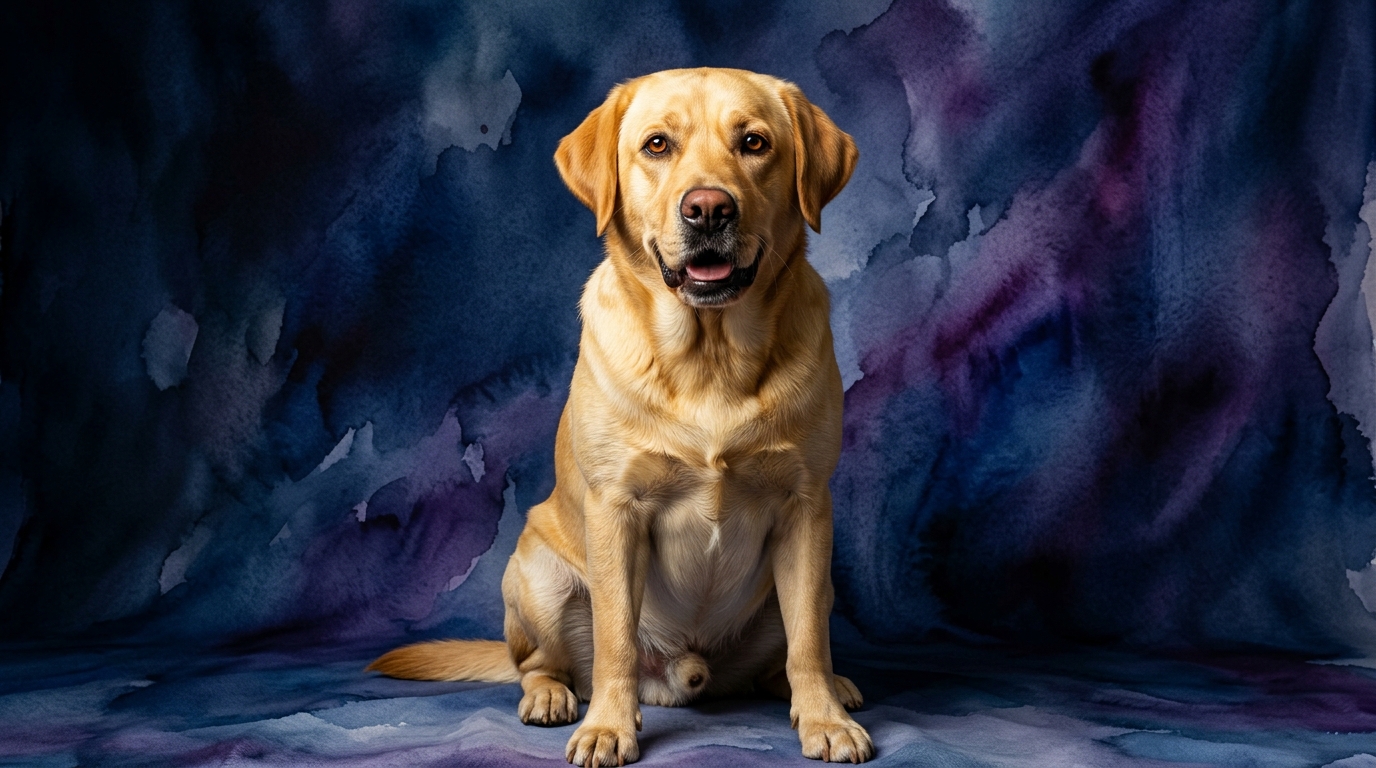
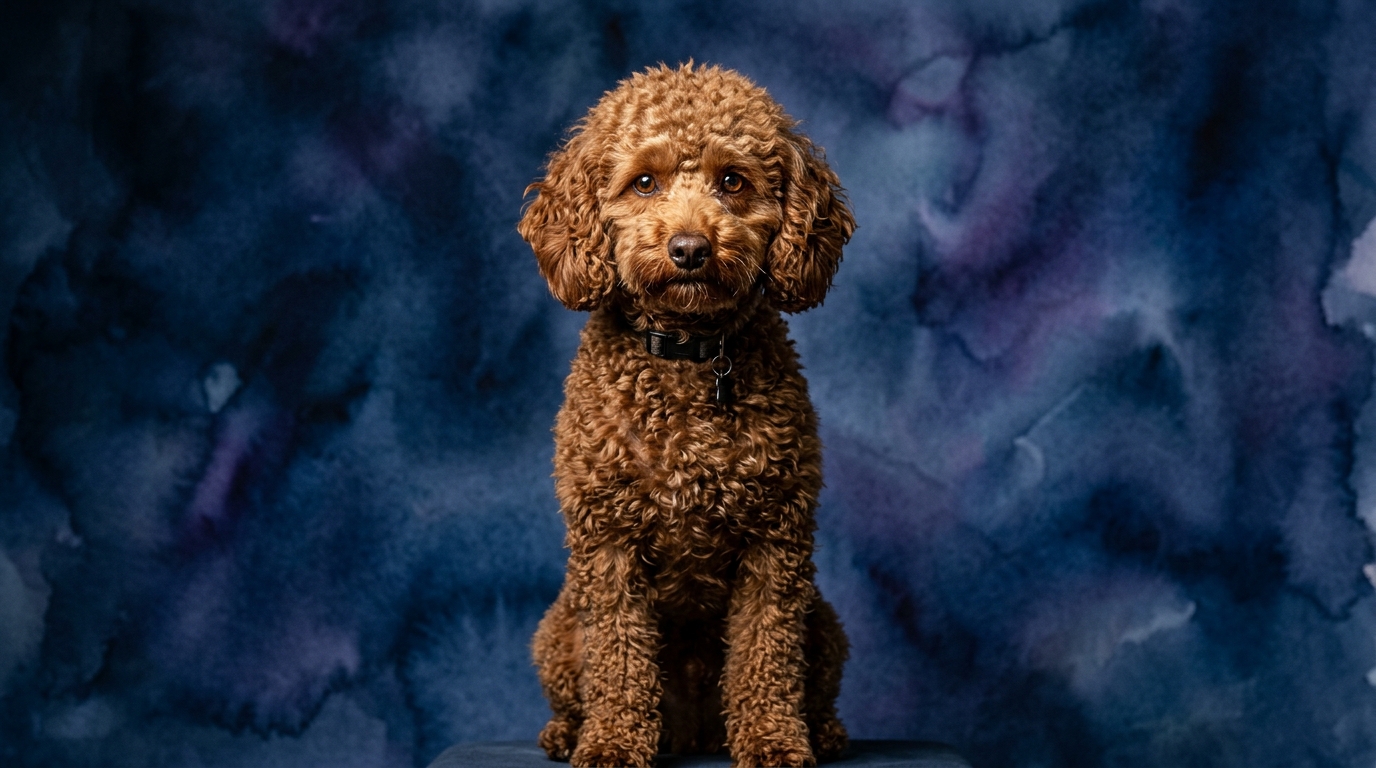
Side-by-Side Cognitive Profile
The Labrador Retriever, ranking #7 on Coren's scale, demonstrates a Problem Solving score of 4/5, indicating competence in practical tasks, especially when purpose-driven. Their Training Speed is 5/5, reflecting rapid command acquisition. With a perfect 5/5 in Social Intelligence, they are exceptionally attuned to human cues and group dynamics. An Instinctive Drive of 4/5 highlights their strong natural inclination for retrieving and working. Finally, their Memory is rated 4/5, showing effective retention of learned behaviors.
The Miniature Poodle, holding a prestigious #2 Coren rank, boasts a 5/5 in Problem Solving, showcasing exceptional independent reasoning. Their Training Speed also stands at 5/5, indicating quick learning. A Social Intelligence score of 3/5 suggests a more independent, less overtly people-focused demeanor compared to some breeds. Their Instinctive Drive is 3/5, manifesting more as a general desire for mental engagement rather than specific working tasks. Notably, their Memory is a perfect 5/5, signifying outstanding recall and retention.
Where the Labrador Retriever Excels Cognitively
The Labrador Retriever's cognitive strengths are most evident in collaborative tasks and environments that demand robust social understanding. Their perfect 5/5 social intelligence score means they are incredibly adept at reading human emotions, intentions, and body language, making them exceptional service animals and family members who integrate seamlessly into human routines. This profound social attunement, combined with a strong 4/5 instinctive drive, means they are not just capable of learning commands but are also deeply motivated by the desire to work alongside their human companions, particularly in tasks involving retrieving or tracking. Their 4/5 problem-solving ability is often applied within a framework of cooperation, excelling at finding solutions that serve a shared goal, such as locating a dropped item or navigating an obstacle course with guidance. This blend of attributes makes them particularly adept at roles requiring constant interaction and responsiveness to human direction, where their drive to please and work is a powerful cognitive asset.
Where the Miniature Poodle Excels Cognitively
The Miniature Poodle demonstrates a distinct cognitive edge in areas demanding independent thought, rapid assimilation of complex information, and superior recall. Their perfect 5/5 problem-solving score indicates an exceptional capacity for abstract reasoning and figuring out solutions without direct human intervention, often displaying a cleverness in manipulating objects or navigating tricky situations. This independent problem-solving is beautifully complemented by their 5/5 memory, allowing them to retain intricate sequences of commands and observations with remarkable precision and longevity. While their social intelligence is rated at 3/5, suggesting a more independent nature, their 5/5 training speed means they absorb new information quickly, making them highly receptive to advanced training in areas like agility or obedience where precision and recall are paramount. Their cognitive prowess isn't solely tied to a specific instinctive drive but rather to a general thirst for mental challenge, making them particularly strong in disciplines that require processing complex rules and remembering long chains of actions.
Training Ease: Labrador Retriever vs. Miniature Poodle
Both breeds share an impressive 5/5 training speed, indicating they learn new commands quickly. However, the *type* of training ease differs significantly due to their other cognitive profiles. The Labrador Retriever's superior 5/5 social intelligence makes them exceptionally biddable and eager to please their human companions, often requiring less intrinsic motivation beyond praise and interaction. Their strong instinctive drive (4/5) also means they naturally gravitate towards tasks like retrieving, making such training feel less like work and more like play, resulting in a highly cooperative training experience. Conversely, the Miniature Poodle, with its 5/5 problem-solving and memory, excels at complex, multi-step tasks and retaining vast repertoires of tricks and obedience commands. While their 3/5 social intelligence means they might not always be as overtly "people-pleasing" as a Lab, their sheer mental capacity for understanding and remembering makes them incredibly capable of advanced, precise training. For an owner, this means a Lab might be easier to motivate for basic obedience and integration into family life due to their social drive, while a Poodle might be easier to teach intricate routines or solve novel challenges due to their independent intellectual prowess.
Suitability for Active vs. Relaxed Owners
The Labrador Retriever, stemming from a sporting background with a 4/5 instinctive drive, generally thrives with active owners who can engage them in purposeful activities. Their robust physique and desire for work mean they require substantial daily exercise, such as long walks, runs, swimming, or retrieving games. Owners who enjoy outdoor adventures, field activities, or even competitive dog sports like agility or dock diving will find a Labrador an enthusiastic and tireless partner. Their high social intelligence also means they generally enjoy being involved in all family activities. In contrast, the Miniature Poodle, while not having the same intense physical drive as a Lab (3/5 instinctive drive), still demands significant mental stimulation. While they can adapt to a slightly less physically demanding lifestyle than a Lab, a "relaxed" owner for a Poodle means someone who is dedicated to providing consistent mental challenges through puzzle toys, training sessions, and varied environments. A Poodle can be content with moderate physical activity, but their high problem-solving and memory capabilities require an owner who can consistently engage their sharp minds to prevent boredom and potential behavioral issues.
The Verdict
Choose a Labrador Retriever if you seek a highly social, cooperative companion for active family life, outdoor adventures, or service work, where their enthusiasm for collaboration and natural retrieving instincts will flourish.
Choose a Miniature Poodle if you appreciate a clever, quick-witted partner capable of mastering complex tasks and thriving on mental challenges, suitable for owners who enjoy intricate training and independent problem-solving.
🧠 Find Your Pet's IQ Score
Our Pet IQ Lab assessment covers 25+ tests across 5 cognitive dimensions — personalized to your breed.
Take the Full IQ Test →Frequently Asked Questions
Is a Labrador Retriever or Miniature Poodle better for first-time dog owners?
A Labrador Retriever's high social intelligence and eagerness to please often make them more forgiving for first-time owners, especially with consistent training. Miniature Poodles are also highly trainable but require an owner dedicated to mental enrichment.
Which breed learns tricks faster?
Both breeds have a 5/5 training speed, meaning they learn quickly. The Miniature Poodle's 5/5 problem-solving and memory might give it a slight edge in mastering more complex, multi-step tricks due to its capacity for abstract thought and retention.
Do Miniature Poodles need less exercise than Labradors?
Miniature Poodles generally require less intense physical exercise than Labradors, but their high cognitive needs mean they still need daily walks and significant mental stimulation through training and puzzles to remain content.