Side-by-Side IQ Profile: Labrador Retriever vs. Miniature Schnauzer
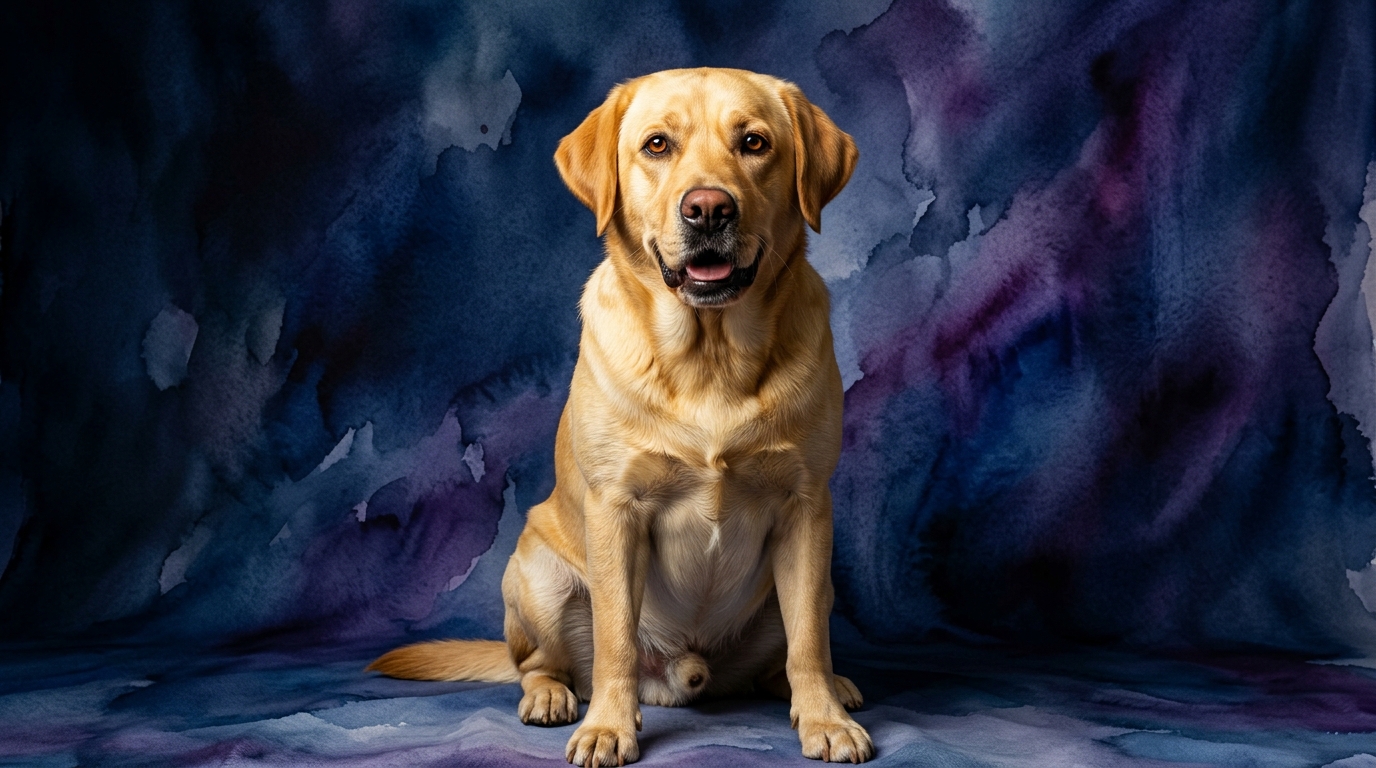
The Cosmic Pet Pet IQ Lab provides a comprehensive framework for evaluating canine intelligence across five critical dimensions, revealing the nuanced cognitive strengths of each breed. The Labrador Retriever, a Sporting group member, holds a Coren rank of #7, reflecting its strong working and obedience capabilities. Its Problem Solving score of 4/5 indicates a capacity for adaptable thought, often learning through practical experience and excelling at tasks requiring ingenuity to achieve a goal. Training Speed, at a perfect 5/5, highlights their exceptional eagerness to learn and quick assimilation of commands. Social Intelligence, also a 5/5, speaks to their profound ability to interpret human cues, form deep bonds, and interact harmoniously with a wide range of individuals and other animals. An Instinctive Drive of 4/5 points to a strong inherent motivation for specific tasks, particularly retrieving and cooperative work, while a Memory score of 4/5 ensures reliable retention of learned behaviors and routines.
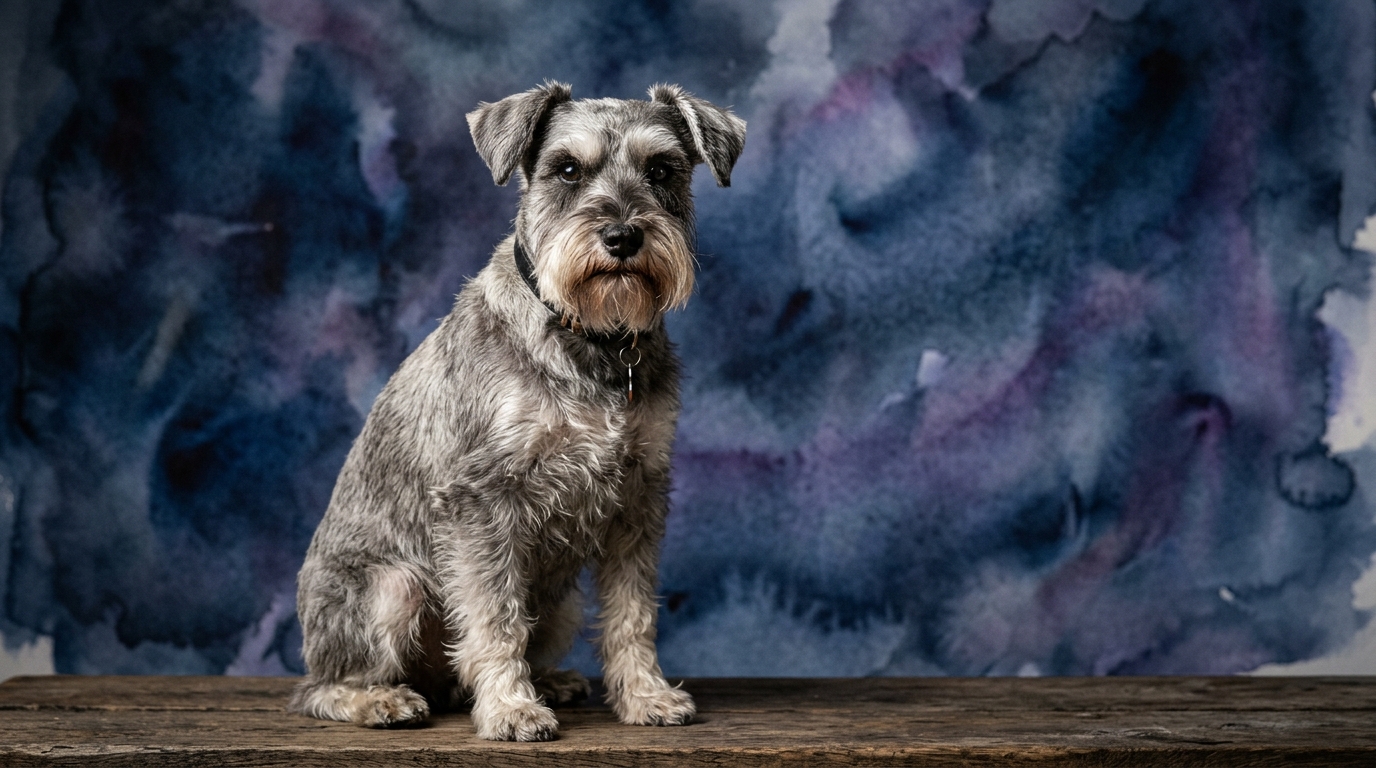
In contrast, the Miniature Schnauzer, a tenacious Terrier, is ranked #12 by Coren, showcasing its own distinct form of working intelligence. Its Problem Solving ability also scores 4/5, but this manifests as a resourceful, independent approach, often involving persistence and cleverness in navigating challenges. The breed shares a top-tier Training Speed of 5/5, demonstrating a rapid capacity for learning, though their independent streak can sometimes influence their application of that learning. Social Intelligence for the Miniature Schnauzer registers at 4/5, indicating a strong bond with its immediate family and an astute awareness of its home environment, though they can be more reserved with strangers. An Instinctive Drive of 4/5 reflects their deeply ingrained terrier traits, including a keen prey drive and alert watchdog tendencies. Finally, their Memory, also 4/5, ensures they retain training, recognize people, and recall experiences effectively.
Where the Labrador Retriever Excels Cognitively
The Labrador Retriever truly shines in the realm of social intelligence and cooperative problem-solving, earning a perfect 5/5 in the former. Their profound ability to read human emotions, understand subtle body language, and respond appropriately makes them exceptional partners in a vast array of activities. This superior social acumen means a Labrador often anticipates its owner's desires, adjusting its behavior to align with human expectations, whether it's understanding the need for quiet during a phone call or the excitement for an outdoor adventure. Their instinctive drive, while rated 4/5 like the Schnauzer, is geared towards collaborative effort and retrieval, making them adept at tasks that require working alongside humans. When faced with a problem, a Labrador's cognitive process often involves seeking human guidance or working in tandem to find a solution, leveraging their strong desire to please and their natural inclination for partnership. This collaborative intelligence makes them outstanding service animals, therapy dogs, and hunting companions, where seamless human-animal communication is paramount.
Where the Miniature Schnauzer Excels Cognitively
The Miniature Schnauzer's cognitive strengths lean towards independent resourcefulness and a sharp, alert awareness of their surroundings. While both breeds score 4/5 in Problem Solving, the Schnauzer's approach is often characterized by terrier tenacity and self-reliance. They excel at figuring things out on their own, whether it's navigating a complex environment to reach a desired object or devising strategies to overcome obstacles without direct human intervention. This independence can manifest as cleverness in finding ways to get what they want, often through persistent effort. Their social intelligence, rated 4/5, might not translate to universal amiability like the Labrador's, but it fosters a deep, protective bond with their immediate family. This specific social intelligence contributes to their exceptional alertness; they are highly attuned to changes in their environment, making them effective communicators of anything unusual. Their instinctive drive, also 4/5, includes a robust prey drive and a vigilant watchdog nature, demanding a specific type of mental engagement that taps into these inherent predispositions. This cognitive profile makes them excellent at tasks requiring independent thought, vigilance, and a keen sense of observation.
Which is Easier to Train and Why?
Both the Labrador Retriever and the Miniature Schnauzer boast an impressive Training Speed of 5/5, indicating a rapid capacity to learn new commands and behaviors. However, the *ease* of training can differ significantly due to their distinct behavioral drivers and cognitive biases. The Labrador Retriever's training journey is often smoother and more straightforward due to their exceptional social intelligence and strong desire to please. They are highly motivated by praise, affection, and food rewards, and their cooperative nature means they generally seek to understand and comply with human directives. Their problem-solving skills are often applied to figuring out how to successfully execute a command to earn that reward. This innate willingness to work in partnership makes them incredibly receptive and forgiving of trainer errors, allowing for swift progression in obedience and complex task learning.
The Miniature Schnauzer, while equally quick to grasp concepts, brings a terrier's independent spirit to the training arena. Their problem-solving often involves a degree of self-determination; they might understand what you want but decide if it aligns with their own immediate interests. Training a Schnauzer requires consistency, patience, and making the learning process engaging and fun to capture their attention and prevent boredom-induced stubbornness. Their instinctive drives, such as their prey drive, can sometimes be a distraction if not properly managed or channeled into constructive activities. While they form strong bonds with their families, their social intelligence sometimes means they are more selective in who they choose to obey or engage with during training. Therefore, while both breeds learn quickly, the Labrador's inherent cooperative nature often makes the training *experience* feel easier and less prone to defiance, whereas the Schnauzer benefits from a trainer who can skillfully engage their independent spirit.
Which Suits Active vs. Relaxed Owners?
Understanding the cognitive and instinctive drives of these breeds is crucial for matching them with the right lifestyle. The Labrador Retriever, with its high instinctive drive (4/5) for activity and cooperative work, coupled with its robust physical build, is an ideal companion for active owners. They thrive on sustained physical exercise, such as long runs, swimming, hiking, and engaging in dog sports like agility, obedience, and dock diving. Their social intelligence and desire to please mean they genuinely enjoy participating in these activities alongside their human companions. Owners who can provide daily outlets for their retrieving instincts and problem-solving through structured tasks will find a Labrador to be a joyful and well-adjusted partner. Their need for mental and physical stimulation is significant and consistent.
The Miniature Schnauzer, while a smaller package, is far from a sedentary companion and also requires an active owner, albeit with a different focus. Their instinctive drive (4/5) includes a persistent prey drive and a need for mental engagement that taps into their terrier heritage. They enjoy brisk walks, exploring new environments, and engaging in games that simulate hunting or problem-solving, such as puzzle toys or scent work. While they might not require the same expansive, sustained cardio as a Labrador, they need consistent, stimulating activity that challenges their cleverness and satisfies their natural curiosity. A "relaxed owner" in the traditional sense, meaning someone seeking a low-maintenance, sedentary dog, would likely struggle with either breed. However, an owner who prefers shorter, more intense bursts of activity, indoor games, and mental challenges over marathon outdoor excursions might find the Miniature Schnauzer a better fit. A truly relaxed owner would find both breeds demanding, but the *type* of demand differs: the Lab needs more sustained, cooperative physical output, while the Schnauzer needs more focused, independent mental and physical engagement.
The Verdict
When considering a Labrador Retriever, choose this breed if you are an active individual or family seeking a highly sociable, cooperative, and enthusiastic partner for outdoor adventures, structured training, and a deep, communicative bond. Their natural inclination to work alongside humans and their consistent desire to please make them excellent companions for those who value partnership in activities.
Opt for a Miniature Schnauzer if you appreciate a clever, independent, and spirited companion who thrives on mental challenges, shorter bursts of activity, and a vigilant, protective bond with their immediate family. They are well-suited for owners who enjoy engaging with a dog's resourceful nature and providing consistent, stimulating interaction that respects their terrier tenacity.
🧠 Find Your Pet's IQ Score
Our Pet IQ Lab assessment covers 25+ tests across 5 cognitive dimensions — personalized to your breed.
Take the Full IQ Test →Frequently Asked Questions
Does Coren rank directly correlate with a breed's overall intelligence?
The Coren rank, or Working & Obedience Intelligence, primarily measures a dog's ability to learn and obey commands from humans, reflecting a specific aspect of intelligence. It doesn't encompass the full spectrum of cognitive abilities like problem-solving, social intelligence, or instinctive drives, which are measured more broadly by The Cosmic Pet Pet IQ Lab.
Are Miniature Schnauzers harder to train than Labrador Retrievers despite having the same Training Speed score?
While both breeds have a Training Speed of 5/5, indicating rapid learning capacity, the *experience* of training can differ due to behavioral nuances. Labrador Retrievers' high social intelligence and desire to please often make them more consistently compliant, whereas Miniature Schnauzers, with their independent terrier spirit, may require more engaging, consistent, and patient training to prevent stubbornness.
Which breed is better for a first-time dog owner?
The Labrador Retriever is often recommended for first-time owners due to their high social intelligence, eagerness to please, and cooperative nature, which can make the training process more forgiving and rewarding. While Miniature Schnauzers are also capable learners, their independent streak might present more challenges for an inexperienced owner, requiring a more confident and consistent approach.