Side-by-Side IQ Profile: Labrador Retriever vs. Pharaoh Hound
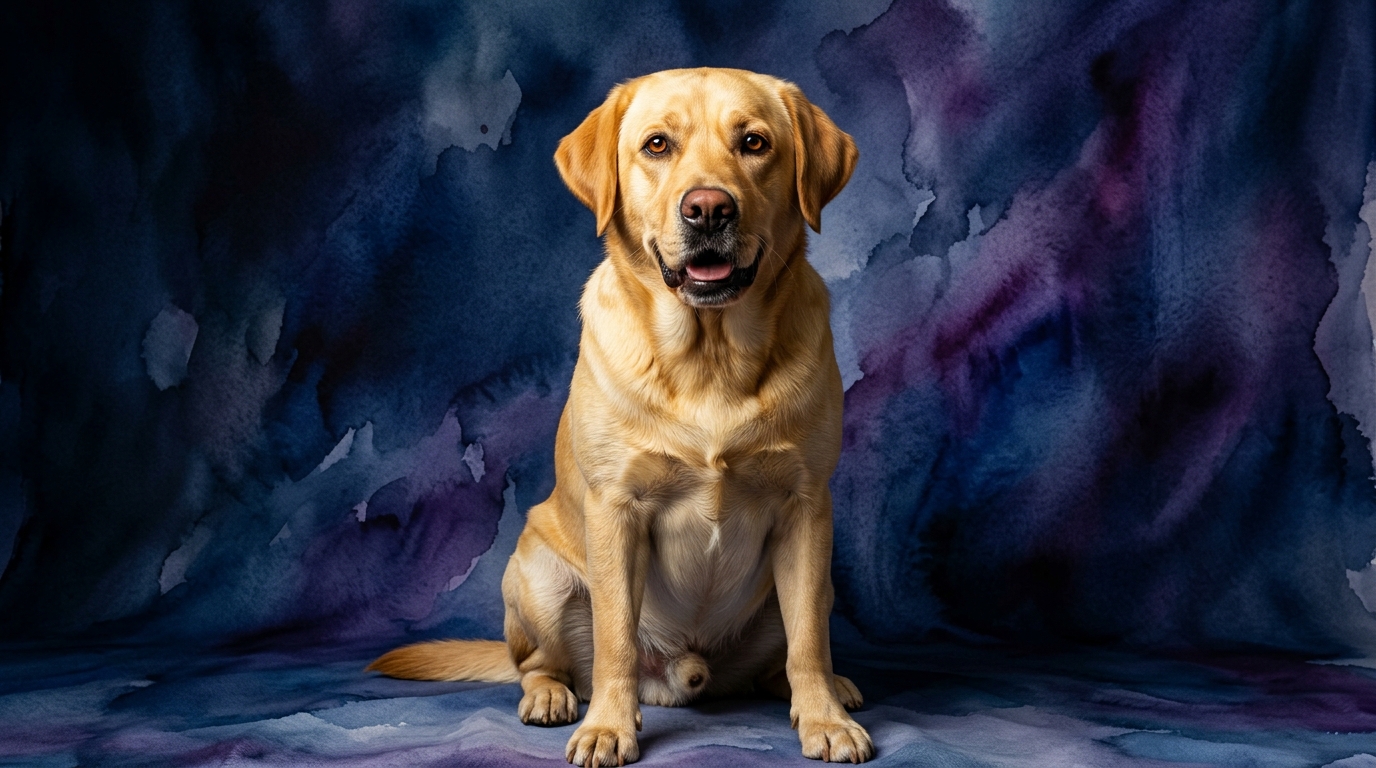
The Cosmic Pet Pet IQ Lab assesses canine intelligence across five crucial dimensions, offering a detailed look at how the Labrador Retriever and Pharaoh Hound approach cognitive challenges. The Labrador Retriever, a breed consistently ranked high in Coren's intelligence scale (Coren rank #7), demonstrates a strong aptitude for human-directed learning. Their Problem Solving is rated 4/5, indicating an ability to navigate complex tasks, such as intricate puzzle toys or multi-step obedience routines. A remarkable Training Speed of 5/5 highlights their eagerness and quick grasp of new commands, often requiring minimal repetition. Their Social Intelligence at 5/5 means they are acutely attuned to human emotions and intentions, making them exceptionally responsive. With an Instinctive Drive of 4/5, Labradors exhibit a powerful desire to retrieve and work collaboratively in various settings. Their Memory, rated 4/5, allows them to retain a vast repertoire of commands and experiences, contributing to their reliability.
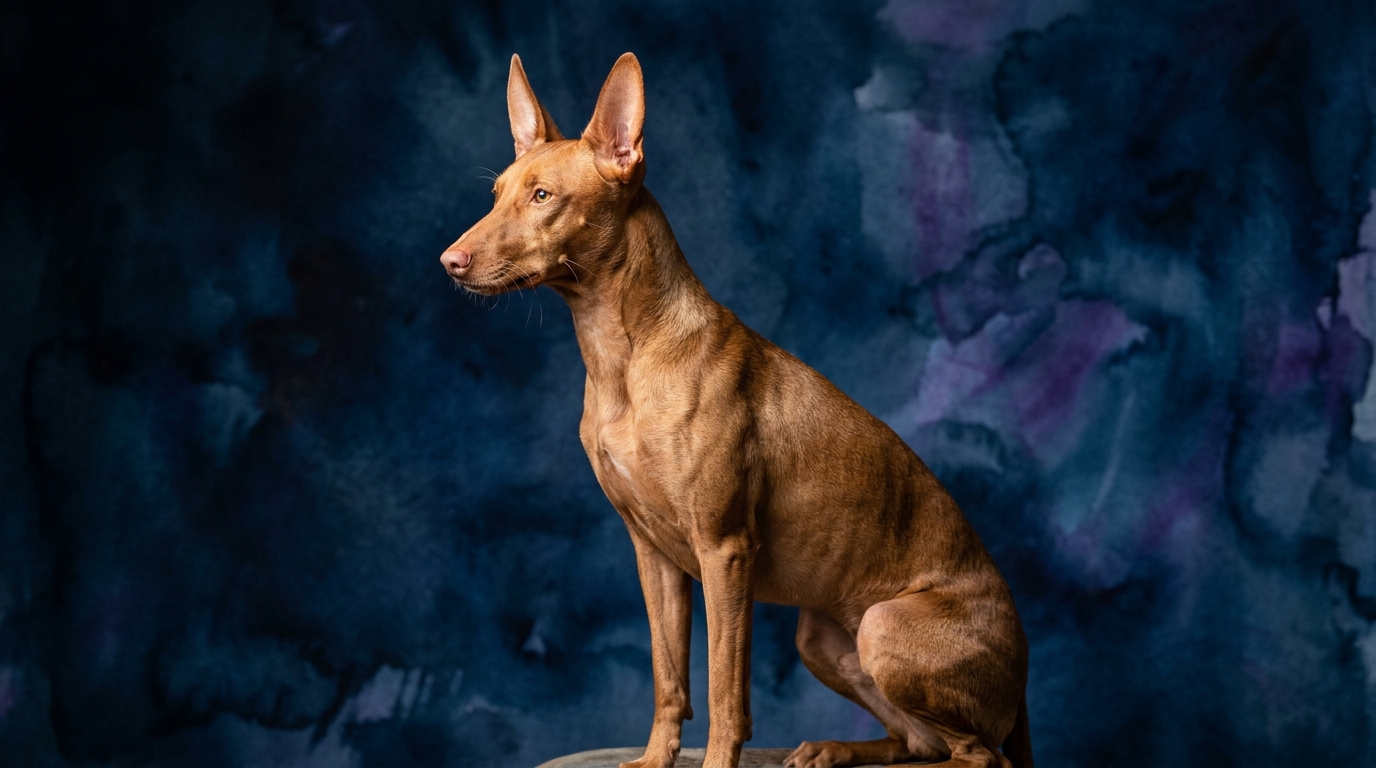
In contrast, the Pharaoh Hound, not featured in Coren's ranking, presents a different cognitive blueprint, reflecting its ancient sighthound heritage. Their Problem Solving is rated 3/5, suggesting solutions often focus on self-interest or exploiting environmental opportunities, like accessing a high counter. A Training Speed of 3/5 indicates they learn at a moderate pace, often requiring more patience and varied approaches, as they may find repetitive drills unengaging. Their Social Intelligence at 3/5 means they are affectionate and loyal to their close family, yet can be more reserved with strangers. The Pharaoh Hound's Instinctive Drive, also 3/5, is primarily geared towards sight-hunting, demonstrating incredible focus and speed when pursuing perceived prey. Their Memory, rated 3/5, allows them to recall routines and people, but perhaps without the same depth for complex, multi-stage commands observed in Labradors.
Where the Labrador Retriever Wins Cognitively
The Labrador Retriever excels in areas demanding cooperative intelligence and a strong desire to please. Their 5/5 Social Intelligence means they are exceptionally adept at reading and responding to human cues, making them outstanding partners in tasks requiring close collaboration, like service work or intricate obedience. This innate attunement allows them to anticipate human needs, fostering a profound working relationship. Their 4/5 Problem Solving, combined with a 5/5 Training Speed, translates into an ability to quickly grasp and execute complex multi-step commands, such as navigating agility courses or scent detection. They demonstrate persistent focus on task completion when working alongside people, readily applying learned solutions to new challenges.
Where the Pharaoh Hound Wins Cognitively
The Pharaoh Hound's cognitive strengths lie in its independence and highly specialized sensory processing, honed over centuries for autonomous hunting. Their 3/5 Problem Solving manifests not in human-directed tasks, but in their ability to independently assess and react to their environment, strategizing to outmaneuver small game or overcome obstacles. Their keen eyesight and acute hearing process environmental stimuli with exceptional speed and accuracy, identifying subtle movements. This sensory-motor intelligence enables rapid, decisive judgments. While their Social Intelligence is 3/5, this translates into discerning affection; they form deep bonds with family, demonstrating quiet loyalty and content relaxation without constant interaction. Their 3/5 Instinctive Drive, focused on sight-hunting, reflects a profound capacity for sustained physical effort and single-minded pursuit.
Which is Easier to Train and Why
The Labrador Retriever is demonstrably easier to train for most owners, a direct result of their elevated scores in Training Speed (5/5) and Social Intelligence (5/5). They possess an intrinsic desire to engage with and please their human companions, eagerly seeking approval and reinforcement. This biddable nature means they grasp new commands with fewer repetitions and maintain focus during training sessions. Their high food and toy drive further facilitates positive reinforcement. Real behavioral differences include their tendency to maintain eye contact, offer behaviors proactively, and show less distraction from environmental stimuli when engaged with their handler.
Conversely, the Pharaoh Hound, with a Training Speed of 3/5 and Social Intelligence of 3/5, presents a more nuanced training experience. They are independent thinkers who may question a command's utility if it doesn't align with their perceived interests. Repetitive drills can quickly lead to boredom, requiring trainers to employ variety, creativity, and highly motivating rewards. Their strong prey drive means they are easily distracted by moving objects, demanding significant effort in proofing commands. Owners must cultivate a strong, trusting relationship and make training an engaging partnership.
Which Suits Active Owners vs. Relaxed Owners
The Labrador Retriever is an excellent match for active owners who seek a highly interactive and versatile canine companion. Their 4/5 Instinctive Drive for work and play, combined with their eager-to-please nature, means they thrive on consistent physical activity and mental engagement, such as long hikes, swimming, retrieving games, or participation in dog sports. They are happiest when their minds and bodies are regularly stimulated. The Pharaoh Hound, while possessing a 3/5 Instinctive Drive primarily for sight-hunting, still requires a significant outlet for its physical energy, making it suitable for active owners who understand its needs. Owners who enjoy long, vigorous runs, lure coursing, or have securely fenced properties where the hound can sprint freely will find a compatible partner. Their independence means they may not constantly demand human interaction; they are content to relax quietly after sufficient exercise. They are less suited for "relaxed" owners who cannot provide consistent opportunities for vigorous exercise, as pent-up energy could lead to undesirable behaviors or escape attempts.
The Verdict
Select a Labrador Retriever if you desire a highly biddable, cooperative, and engaged companion eager to participate in family activities, readily adaptable to diverse roles, and thrives on consistent human interaction and training.
Opt for a Pharaoh Hound if you appreciate an independent, athletic, and discerning companion, are prepared to provide ample opportunities for vigorous exercise in secure environments, and value a dog that offers affection on its own terms.
🧠 Find Your Pet's IQ Score
Our Pet IQ Lab assessment covers 25+ tests across 5 cognitive dimensions — personalized to your breed.
Take the Full IQ Test →Frequently Asked Questions
Are Pharaoh Hounds less trainable than Labradors?
Pharaoh Hounds are not less capable of learning, but their independent nature and lower eagerness to please mean they typically require more patience, creativity, and varied training methods compared to the highly cooperative Labrador. They respond best to positive reinforcement and engaging sessions.
Can a Pharaoh Hound be a good family dog?
Yes, Pharaoh Hounds can be wonderful family dogs, forming strong, affectionate bonds with their immediate family members. They are generally gentle with children, but their independence means they may not constantly seek interaction, preferring to relax quietly after their exercise needs are met.
What are the key exercise differences between the two breeds?
Labradors thrive on varied activities like retrieving, swimming, and long walks, enjoying human participation. Pharaoh Hounds require intense, short bursts of speed, like sprinting in a securely fenced area or lure coursing, to satisfy their sighthound instincts, alongside regular walks.