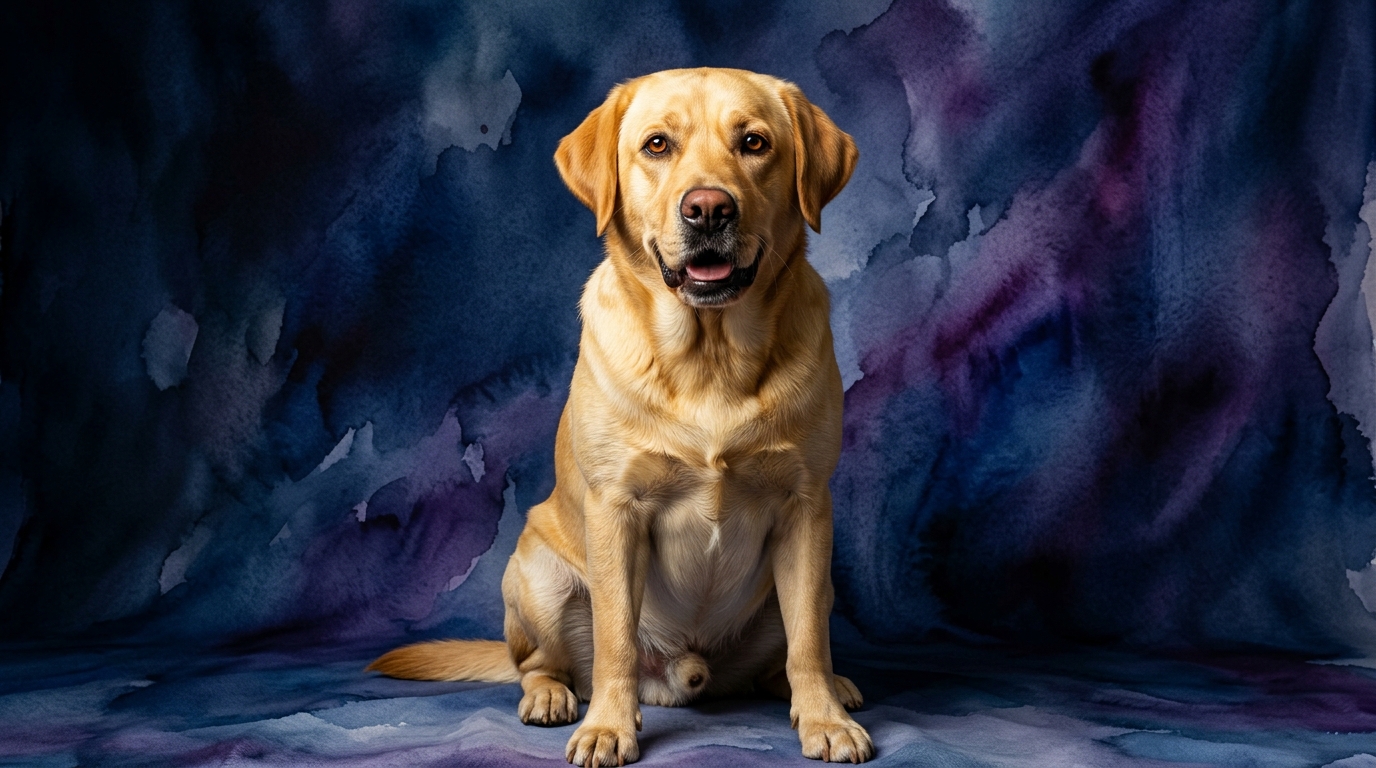
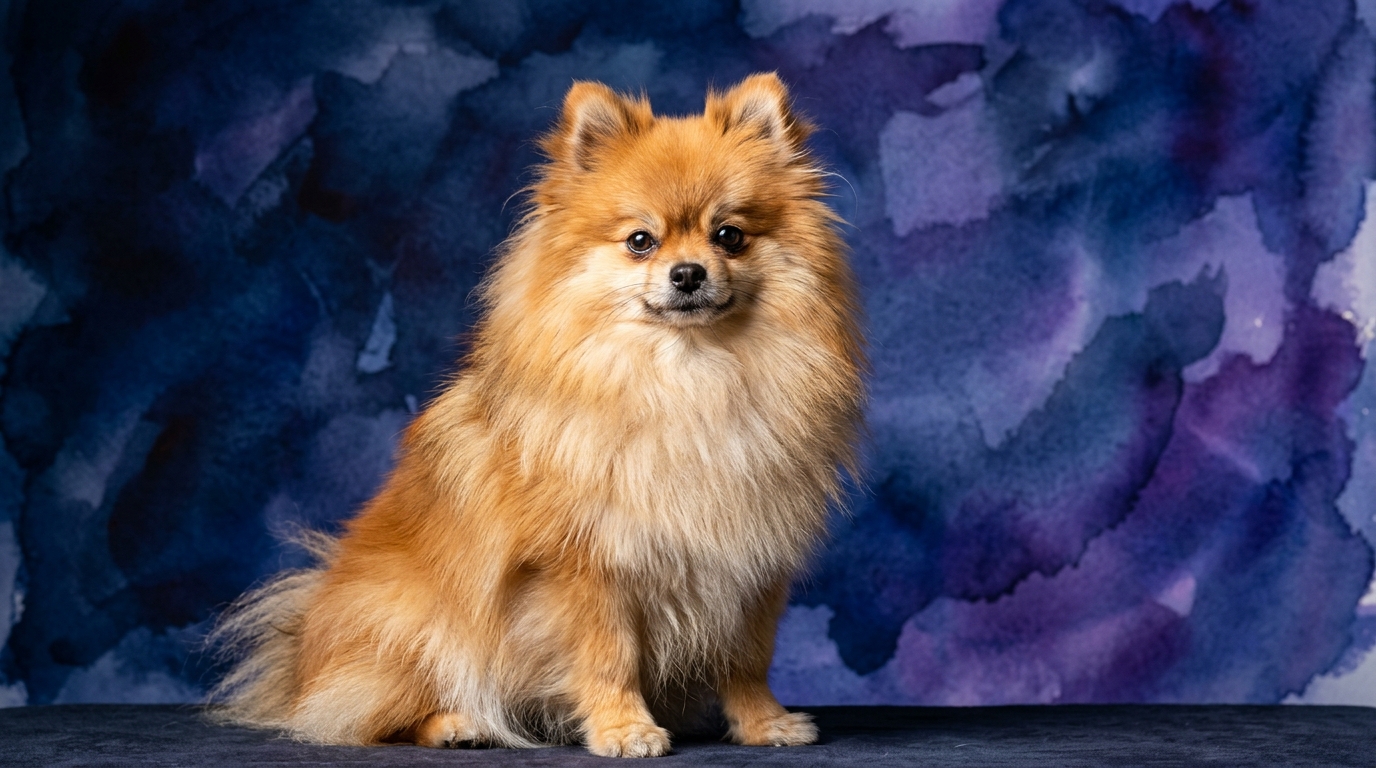
Side-by-Side IQ Profile: Labrador Retriever vs. Pomeranian
The Cosmic Pet Pet IQ Lab assesses canine intelligence across five critical dimensions, providing a nuanced understanding of each breed's cognitive strengths. For the Labrador Retriever, ranked #7 by Coren, its profile shows impressive capabilities: Problem Solving 4/5, Training Speed 5/5, Social Intelligence 5/5, Instinctive Drive 4/5, and Memory 4/5. This paints a picture of a highly adaptable, responsive, and socially attuned companion.
In contrast, the Pomeranian, holding Coren's #23 rank, presents a slightly different yet equally compelling cognitive makeup: Problem Solving 4/5, Training Speed 4/5, Social Intelligence 4/5, Instinctive Drive 3/5, and Memory 4/5. While its overall scores are generally one point lower than the Labrador's in some areas, its performance in others matches the larger breed, suggesting a capacity for mental engagement that belies its diminutive stature.
Where the Labrador Retriever Excels Cognitively
The Labrador Retriever's cognitive edge is most apparent in its superior Training Speed (5/5), Social Intelligence (5/5), and Instinctive Drive (4/5). A 5/5 Training Speed score signifies an exceptional ability to rapidly grasp and execute new commands, making them highly receptive to instruction. This isn't merely about obedience; it reflects a quick cognitive processing ability and an eagerness to cooperate with human guidance, which is a hallmark of their development as working retrievers.
Their Social Intelligence score of 5/5 indicates an acute understanding of human cues, emotions, and intentions. This translates to a profound capacity for bonding and an intuitive responsiveness to their family's needs, often anticipating desires before they are explicitly stated. This high social acumen is crucial for their roles in assistance work, therapy, and as deeply integrated family members. Furthermore, their Instinctive Drive of 4/5, while not the absolute highest, still denotes a strong innate motivation for tasks like retrieving, scent work, and problem-solving within a structured context, providing an intrinsic reward system that fuels their engagement and learning.
Where the Pomeranian Shines Cognitively
Despite its smaller size, the Pomeranian demonstrates remarkable cognitive strengths, particularly in Problem Solving (4/5) and Memory (4/5), matching the Labrador Retriever's scores in these crucial areas. A Problem Solving score of 4/5 indicates that Pomeranians are adept at navigating complex environments, figuring out how to access desired objects, or even devising strategies to get attention. This isn't just about cunning; it's about a capacity for independent thought and adaptive behavior when faced with novel challenges.
Their Memory score of 4/5 means Pomeranians retain learned behaviors and experiences with the same efficacy as a Labrador, remembering routines, past interactions, and where treats are hidden. This robust memory contributes significantly to their ability to adapt to household rules and bond deeply with their owners over time. While their Training Speed (4/5) and Social Intelligence (4/5) are slightly lower than the Labrador's, these are still very respectable scores, indicating a capable and interactive companion. The Pomeranian's slightly lower Instinctive Drive (3/5) can also be seen as a cognitive benefit for owners who prefer a dog whose mental energy is directed more towards companionship and household engagement rather than intense, task-oriented 'work,' making them less prone to restlessness if not given a specific job.
Which is Easier to Train and Why?
Based on The Cosmic Pet Pet IQ Lab scores, the Labrador Retriever generally presents as the easier breed to train due to its exceptional Training Speed of 5/5, compared to the Pomeranian's 4/5. The Labrador's rapid assimilation of commands stems from a combination of factors: its high social intelligence makes it keenly attuned to human instruction and eager to please, while its strong instinctive drive provides an inherent motivation to engage in tasks and follow directions. This means Labradors often require fewer repetitions and respond more consistently to training cues, making the process feel more fluid and rewarding for both dog and owner.
The Pomeranian, with a Training Speed of 4/5, is certainly capable of learning and can become a well-trained companion. However, owners might find they need to employ more patience and varied motivational techniques. Their slightly lower instinctive drive means they might not always possess the same intrinsic motivation for task-oriented training as a Labrador. While they remember well (Memory 4/5) and can solve problems (Problem Solving 4/5), channeling these abilities into formal obedience might require a more engaging and consistent approach, focusing on positive reinforcement and making learning a fun, interactive game rather than a duty.
Suitability for Active vs. Relaxed Owners
The cognitive profiles suggest clear leanings for different owner lifestyles. The Labrador Retriever, with its 5/5 Social Intelligence, 5/5 Training Speed, and 4/5 Instinctive Drive, is an ideal match for active owners who thrive on engagement and purpose. These dogs flourish in environments where their problem-solving skills and strong drives can be channeled into activities like complex obedience, agility, scent work, or even assistance roles. Owners who enjoy daily structured mental challenges and physical exercise will find the Labrador to be an eager and highly responsive partner, deeply satisfied by collaborative tasks and social interaction.
The Pomeranian, while possessing comparable Problem Solving (4/5) and Memory (4/5) scores, has a slightly lower Instinctive Drive (3/5) and Training Speed (4/5). This makes them an excellent fit for relaxed owners who still desire a mentally engaging companion but with less intense physical and task-oriented demands. Pomeranians enjoy interactive games, learning tricks, and solving puzzle toys within the home, demonstrating their cognitive prowess in a more contained setting. Their social intelligence (4/5) ensures they form strong bonds and enjoy interaction, but they might not require the same level of demanding 'work' to feel fulfilled, making them perfect for those who want an alert, interactive companion for a less physically strenuous lifestyle.
The Verdict
Choose a Labrador Retriever if you are an active owner seeking a highly trainable, socially astute, and driven companion for complex tasks, sports, or assistance work.
Opt for a Pomeranian if you desire a bright, interactive companion that excels at problem-solving and memory within a home environment, requiring mental engagement without intense working drives.
🧠 Find Your Pet's IQ Score
Our Pet IQ Lab assessment covers 25+ tests across 5 cognitive dimensions — personalized to your breed.
Take the Full IQ Test →Frequently Asked Questions
Do Pomeranians truly have the same problem-solving ability as Labradors?
Yes, according to The Cosmic Pet Pet IQ Lab, both breeds score 4/5 in Problem Solving. This indicates that Pomeranians are equally adept at figuring out novel situations and navigating challenges, demonstrating considerable adaptive intelligence for their size.
How does social intelligence differ between these two breeds?
Labrador Retrievers score 5/5 in Social Intelligence, meaning they are exceptionally attuned to human cues and emotions, making them highly empathetic and responsive. Pomeranians score 4/5, indicating they are still very capable of forming strong bonds and understanding social dynamics, though perhaps with a slightly less intense focus on human communication than a Labrador.
Does a lower instinctive drive mean a dog is less 'smart'?
Not at all. Instinctive Drive measures a dog's innate motivation for specific tasks like retrieving or herding. A lower score, like the Pomeranian's 3/5, simply means they are less compelled by these traditional 'working' instincts, not that they lack cognitive capacity. Their intelligence can be directed towards other forms of engagement, such as social interaction or puzzle-solving.